Growing up, thrifting was never presented to me as environmentalism or even fashion. It was a necessity. For many working-class and immigrant families, thrift stores offered affordable access to clothes, toys, and household items, even if shopping secondhand often carried stigma.
Today, however, thrifting is increasingly associated with sustainability, vintage style, and trend culture.
While that shift has made secondhand shopping more visible and socially accepted, it also has unintended economic consequences. As thrifting has become fashionable, rising prices have made many secondhand spaces less accessible to the communities that once depended on them.
What was once a resource for survival has, in some places, become a form of privilege.
From necessity to trend
The term thrifting has changed over the years. Historically, thrifting was associated with affordability and practical consumption, but over time environmental movements helped redefine it as an act of sustainability and recycling.
As stated by Time magazine:
The word ‘thrift’ reflected a marketing appeal that allowed middle-class housewives to ‘feel virtuous about buying something new because they can give something back…’
That being said, thrifting could hypothetically reduce the influence of fast fashion stores like Zara, which have been criticized for contributing to landfill waste.
As the non-profit sustainability organization, THRIVE Project , found in a study:

Studies show that 85% of textiles end up in landfills annually. In the US this amounts to around 10.5 million tons of waste per year.
So while thrifting gained cultural capital, it has also changed. What was once associated with necessity became associated with lifestyle. In many places, secondhand shopping is no longer simply about affordability; it has become part of trend culture.
When trend becomes exploitation
One of the biggest changes to thrifting came with resellers. Resellers are influencers who buy thrifted secondhand clothes and sell them as vintage on platforms like Depop.
As stated in the article, Rise of Thrifting: Solution to Fast Fashion or Stealing from the Poor?:
Unique and vintage items at affordable prices targeted towards underprivileged and marginalized communities then end up on an online marketplace that serves both consumers looking to dress respectably on a budget and those who are invested in finding a unique look for any price.
If it’s not resellers or influencers, it’s simply fashion aficionados who want to brag about their vintage finds.
As NYU’s Mercer Street notes,
thrifting and then posting about their purchases online allows these consumers to demonstrate both their ethical values and their personal uniqueness, all at a low price point.
But it’s true. I’ve seen firsthand how influencers take all the cheapest items from those who need them. This creates a lack of clothing for the poor. It also affects those with health and weight issues.
In an article published in 2018 by Ragen Chastain
Plus size clothing is hard to come by. It’s much, much harder to come by in thrift stores. This is significant because fat people also get hired less and paid less than thin people, and thus are more likely to actually NEED the kind of cheap clothing that a thrift store would offer.
Now the same thing is happening to me as a poor college student living in a poor immigrant community. However, I’m not the only one taking notice of this price shift. Others have noticed how they affect these two communities.
As stated in the 2021 Pacific Index news article;
Thrifting has its benefits, especially in helping out the environment and canceling fast fashion through recycling and reselling; but it can be detrimental to lower income and immigrant communities who rely on low priced everyday necessities.
Whether they realize it or not, some resellers and shoppers are contributing to high prices at thrift shops. These prices affect lower-class families and people who have a hard time finding clothes for themselves because of weight issues.
However, the problem isn’t entirely with those who enjoy thrifting. Although they contribute to the issue, it’s also thrift stores.
The problem is what happens when access begins to shrink as secondhand spaces cater more to trend-driven consumers than the communities they originally served.
Who changed thrift culture?
Local thrift stores and chain stores like Goodwill and 2A Thrift are to blame for this shift.
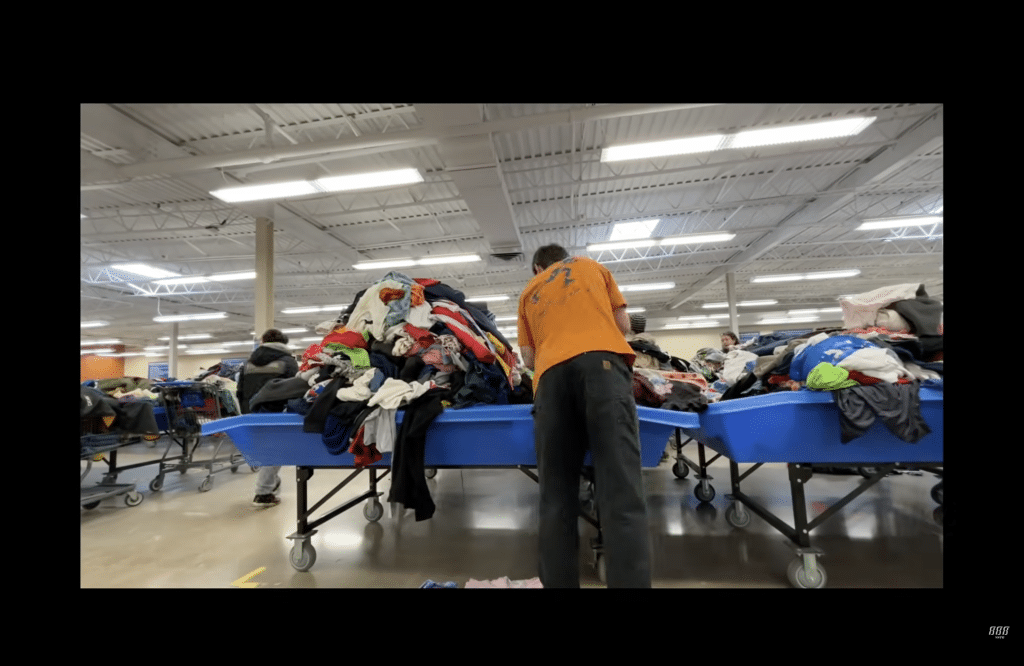
However, the recent opening of new 2A Thrift locations has led to many locals feeling like thrift stores have lost their purpose.
As one Google reviewer put it,
“Higher prices than Goodwill and Goodwill prices are astronomically high. Who would want to pay $20 for a clearly worn-out Lululemon shirt that is 10 years old?”
The saddest part is that it isn’t just affecting my own town, but most of the United States of America.
A 2020 study from Oakton Outlook found:
There is an average price increase of over 15% within thrift stores in the United States within the past three years.
This shift affects communities that have long depended on secondhand stores as rising prices change what thrift stores are able to provide.
The issue is not that thrifting has become popular or that younger shoppers are interested in secondhand fashion. The issue is when trend culture and profit begin pushing affordability aside.
In that sense, thrifting has shifted from a resource centered on access into, at times, a form of privilege.
Still, that does not mean the purpose of thrifting is lost. It means it may need to be reclaimed. And that starts with imagining how thrift stores can remain both sustainable and affordable for the people who need them most.
Reimagining the future of thrift
The bigger issue may not be resellers alone, but the way thrift stores have responded to demand. Resellers and trend-driven shoppers may contribute to scarcity, but rising prices are ultimately set by stores themselves.
In fact, thrift stores should know that antique and pawn shops exist for resellers and collectors. And for people who only care about clothing, there are consignment stores and thrift stores that sell designer vintage clothing.
Although it’s easier to blame those who contribute to the problem, it’s also easier to point out the figure to those whose response is simply to raise prices. If thrift stores were committed to keeping prices low, it’s true that the influencers would still shop there.
However, the local communities the stores have always served would at least have a fighting chance. Otherwise, thrift store owners merely allow the rich to keep thriving on the backs of the lower class, who really need them the most.