As cancel culture and online accountability have become more prominent in Gen-Z spaces, artists have to be increasingly careful with every move. At the same time, hate speech and criticism have become normalized in online conversations. While artists are expected to maintain perfection, social media audiences face no consequences for their unlimited freedom to criticize.
Most discussions of double standards focus on inequalities within the music industry, like gender and race. But nobody’s talking about the double standards between artists and their social media audiences.
I’m not saying cancel culture is bad or that people are too woke. And it’s not that holding artists accountable for problematic actions is wrong. It’s that fans apply it inconsistently and selfishly.
Gen-Z is all about stronger boundaries and protecting yourself, but not when Chappel Roan does it
One of the main stereotypes about Chappel Roan is that she’s “rude and ungrateful”. Some of her controversial takes have gone viral. For example, Chappel clapped back at a photographer after telling her to shut up. In the 2024 presidential race, she said she didn’t feel pressure to endorse someone. In one of her TikTok’s, Chappel expressed her disdain for parasocial relationships, calling certain fans “creepy”.
“I don’t care that this crazy type of behaviour comes along with the job… I don’t want whatever the f**k you think you’re supposed to be entitled to whenever you see a celebrity. … I’m allowed to say no to creepy behaviour.” – Chappel Roan, via TikTok.
We expect artists to be nice to every interviewer, every photographer, every fan. They’re expected to pose for every unexpected paparazzi moment, surrounded by cameras and flashing lights. When a fan approaches an artist asking for a picture or autograph, we expect them to agree. At the same time, all of us are free to express opinions online about what they should and shouldn’t do. Interviewers can cross boundaries with invasive questions, but artists are still expected to remain polite and find their way around them.
On one side, there are millions of people expecting entertainment. On the other hand, one individual is expected to deliver it perfectly. Gen-Z has pushed for saying “no” and advocating for themselves. But when an artist actually does that, they’re labeled “rude” because it disrupts the “perfect celebrity” image and limits fans’ access to the artist.
“I’m made of plastic like a human doll /
You push and pull me, I don’t hurt at all”
“You love to hate me /
I’m the perfect celebrity” – Perfect Celebrity by Lady Gaga
Chappel Roan is simply setting real boundaries. It seems people only accept them when it doesn’t inconvenience them.
“We care about artists’ well-being,” until it costs us entertainment
Can you think of any example of a band member leaving the band and the audience being supportive of it? For many superfans, music artists are our favorite people on Earth. Today, authenticity from the artist and close relationships between artists and fans are very important to music fans.

“Fandoms are becoming two-way relationships. The artists who give back will last, as true fan loyalty now depends on connection and reciprocity.” – Why sustaining a community requires give and take, via MIDiA Research
Since fans love their favorite artists more than anything and want a close relationship with them, it would make sense that fans would support them and genuinely care about them, right?
Girl groups and boy bands, especially, tend to have extremely passionate and parasocial fanbases. When a member leaves a band, they often receive a huge amount of hate from the same fans who claim to love and support them. There have been cases of fans burning merchandise and sending death threats. Even after artists explain their reasons for leaving, which are often health-related, the backlash rarely stops immediately. For example, Zayn left One Direction due to mental health struggles and feeling restricted from expressing his style and heritage in the music. Jesy Nelson left Little Mix to prioritize her mental health. Geri Halliwell left the Spice Girls due to exhaustion and mental health reasons.
In many cases, fans only come to accept these decisions years after they happen.
Music fans want this two-way street with artists, but how can artists provide it if they don’t receive the same treatment? The music industry has seen years of patterns of this behaviour from fans, but artists are still, now more than ever, expected to be close with their fanbases, as that is one of the main drivers of an artist’s success.
“I’d forgive my friend but not a celebrity”
Society holds higher standards for celebrities than they would for their own friends.
There ARE celebrities that we should hold accountable for harmful actions. And I DO agree with calling out small things that might be offensive. I also agree that some artists deserve to be canceled. But sometimes, it goes too far. Everyone makes mistakes.
In today’s culture, standards and expectations are constantly shifting, and things that people didn’t care to call out are now considered problematic. For example, Timothée Chalamet says nobody cares about opera anymore. It is a troublesome take; however, the amount of backlash he got for it was excessive. Especially after saying he respects people in ballet and opera.
Another recent example is when a fan cheered at Sabrina Carpenter’s Coachella set using an Arabic vocal sound called zaghrouta. Sabrina mistook it for a yodel and said she doesn’t like that. She immediately received backlash online. Yes, it can seem like a microaggression from her side. However, it’s unfair to expect celebrities to know everything about every culture. I think it’s unfair to drag her because she didn’t know a cultural expression. She later apologized on X, explaining she didn’t intend any harm.
If one of my friends said something problematic, I wouldn’t stop being friends with them or stop supporting any of their future endeavors. I would hold them accountable and explain why it’s wrong or offensive. But at the end of the day, it doesn’t define them entirely.
Separating the art from the artist
Similar thing with artists being “weird” because of some of their art. Lately, people on social media are quick to label art as cringe or weird, for example, KATSEYE’S choreography by Grant Gilmore. No two people have the same creativity, so judgment of art is always subjective.
“Separating the art from the artist, to us, means god I love that person.” – FINNEAS, via And The Writer Is…
A bad song doesn’t make the artist unworthy of support, just as a good song doesn’t excuse a problematic artist. What matters isn’t over-criticizing but how we choose to engage. Defining an artist based on one piece of their art comes from not seeing them as real people. You wouldn’t define your best friend by the one drawing they made out of the 100 they create in a year. It’s easier for people to understand nuance in individuals they know, but they often flatten celebrities into a single trait or moment.
Actions on social media have a real impact on artists and their careers
I believe that people knowing there are no consequences for their actions on social media is an underlying reason for these double standards. The newer generations, especially, are entering a space where pop culture has already normalized these conversations. Since social media is so oversaturated, we often assume that artists and celebrities won’t see the comments. But then more people join the conversation. Then the media profits from the hottest gossip through misleading articles. For the artists, it all adds up.
Music artists and other famous people can seem so unreachable. It’s important to understand that they’re not. They’re still real humans, just like us. They just have a million eyes on them. That isn’t a justification to treat them differently or expect unrealistic standards.
Limitations kill authentic music
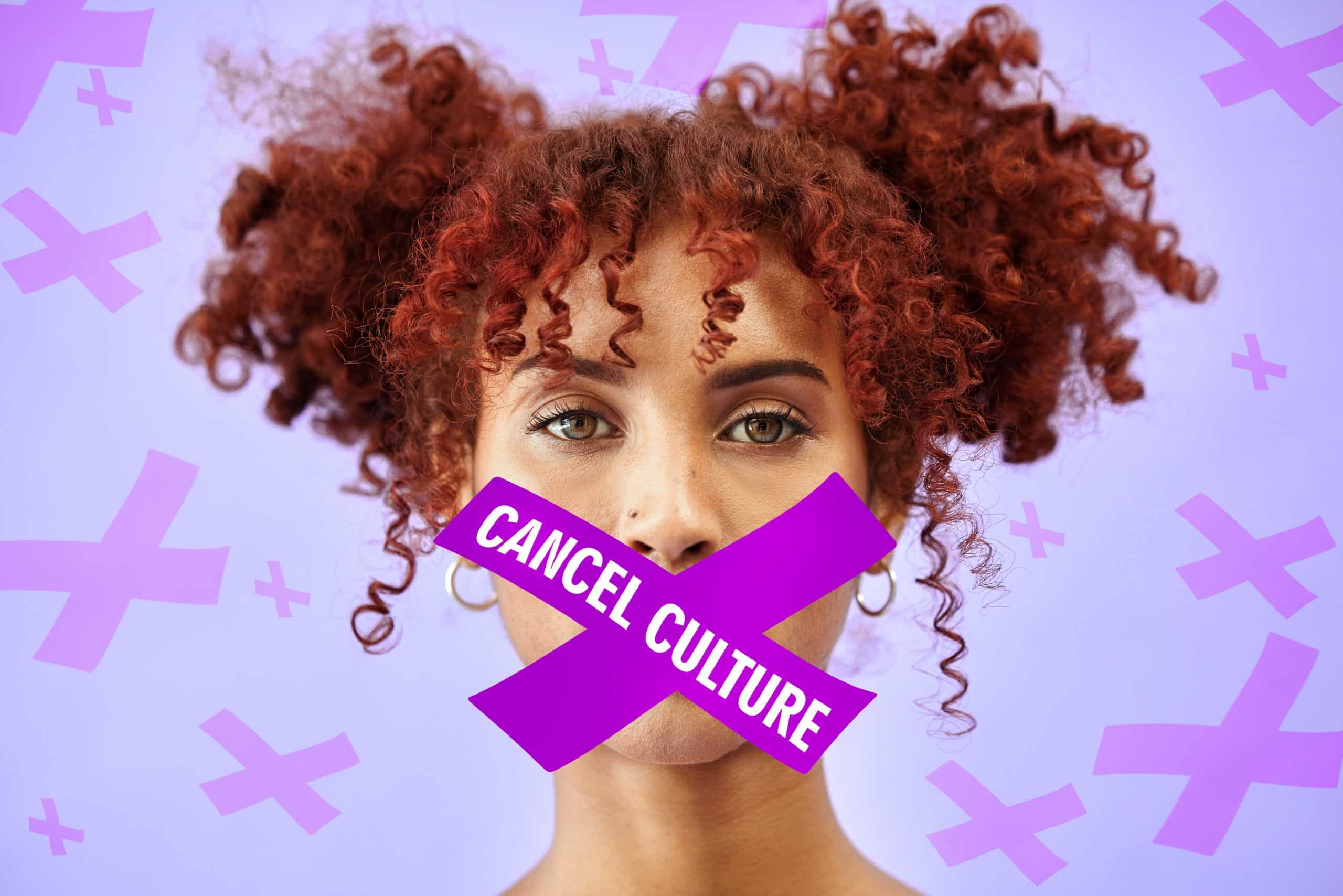
Cancel culture is powerful and can have a life-changing impact on artists’ careers, or even destroy them completely. That risk can make artists feel restricted and performative at times. This fragile environment can make them feel unsafe to express themselves freely, both as individuals in the public eye and in their music.
If we are limited in our expression, our individuality starts to disappear. Music artists are artists for a reason. They have strong opinions, creative and unique minds, and ideas. There’s no authentic music without creativity. There’s no creativity without uniqueness. And constant limitations restrict that uniqueness. Which ultimately kills the very thing music fans claim to love.
How can art evolve if artists feel like they have to play it safe?