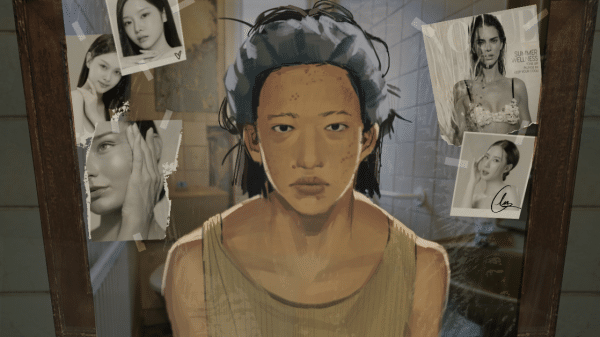


I’m slightly ashamed of my position in life. This April, I’ll be 23, five years into adulthood, nearly ten years since I started high school. What do I have to show for my half-decade of independence?
- One (minimum wage) part-time job
- Two babysitting gigs (on opposite ends of my city)
- Three hundred dollars (that I’ll probably spend on the next power bill)
- A four-year bachelor’s degree in a dying field
- Ten fingers typing unpaid articles on a cracked Lenovo
My lack of success is a lipstick stain on a white collar; no matter which way I scrub, I only work the pigment deeper into the cotton. When I see my friends, I can’t help it. I tuck that collar inwards.
I’m aware that, as a fervent supporter of living ‘however the hell you want,’ my self-hatred might appear misplaced. Unfortunately, what they say about being your ‘own greatest critic’ is true.
Hating yourself is addictive. And the more you feed into it, the more it swells, drowning out the good.
Luckily, after 3 months of being my own biggest bully, I appear to have reached a breaking point. Being miserable will always be an option. This year, I’ve decided to try something new.
So, if you, like me, are fighting inadequacy, allow me to let you in on a little secret: in one way or another, we’re all swaying in the same turbulent boat.
I’ve yet to meet someone who hasn’t felt insecure about some aspect of their life. Even the most seasoned sailor experiences the occasional seasickness; the trick is in learning how to lean with the lurches and to focus on that shoreline.
The instigator of status anxiety

Status anxiety is the concern that one “may be stuck or unable to move up in life“, whether that be monetarily, career-wise, or within their relationships. Oftentimes, this fear is intensified by the habit of comparison.

Social media is a common trigger for comparison-related anxiety, spoon-feeding its audience a never-ending stew of young house owners, freshman entrepreneurs, and nepo-babies.
Consumption of online media tends to blur reality. When we only see the product of someone’s labour, rather than the process behind it, it’s easy to forget that those snippets of perfection are exactly that: snippets.
That Instagram post might appear flawless, but the person behind the screen is far from perfect. Like you, they, too, have faults, failing more often than they succeed. They’re human.
The trouble is that in prioritising online relationships over face-to-face interaction, these vulnerabilities remain hidden.
Comparison is the thief of joy
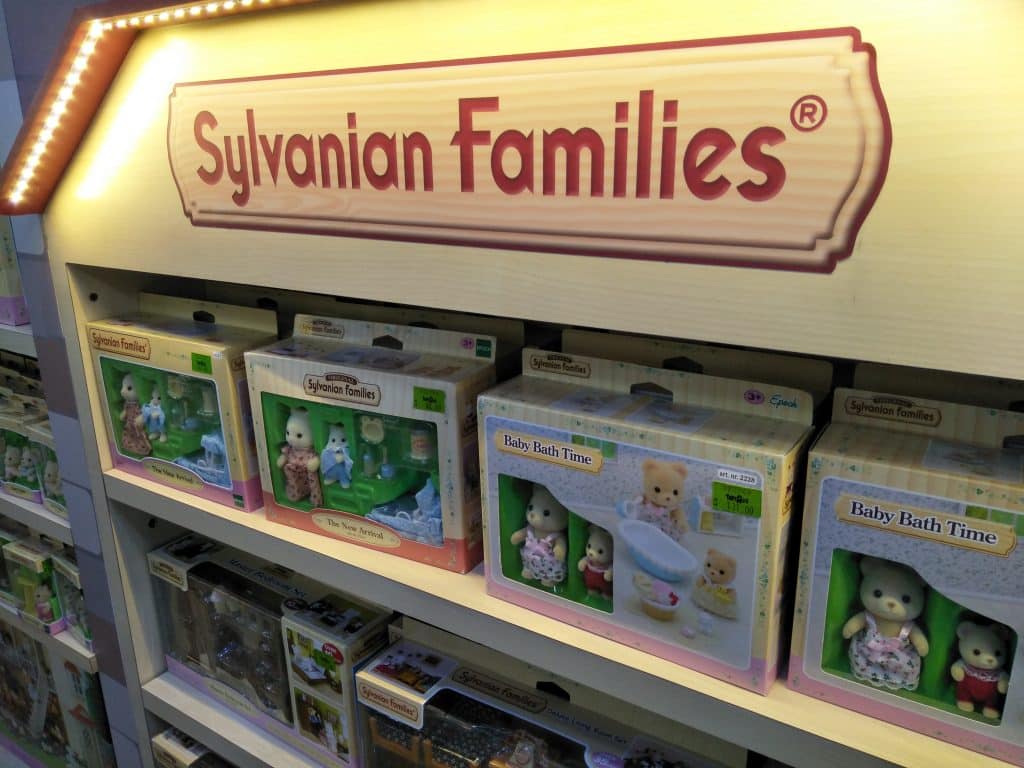
As a child, I was excessively jealous of my neighbour, who seemed to own every Sylvanian Families doll under the sun. My bedroom was full of toys, but I didn’t have what she had. And that made me feel like I had nothing at all.
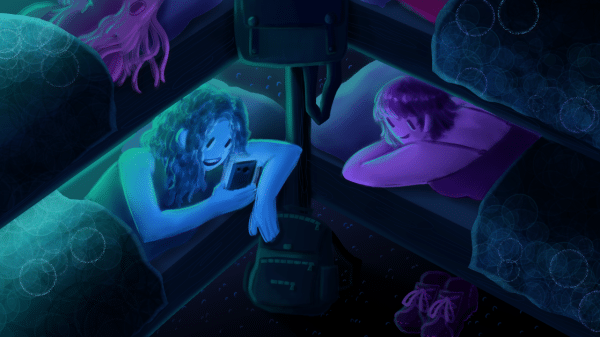
It’s funny that, as an adult, I’ve almost reverted to that same childhood state. Scrolling through snapshots of old classmates and friends excelling in areas where I feel like I’m stagnating terrifies me. I want to be proud of them—I am proud of them—but in the same breath, I can’t help feeling a little jealous.
Not because I have nothing of my own to be proud of, but because social media has slowly dulled my awareness of the wealth that surrounds me.
Taonga: A treasure, a thing that is prized.
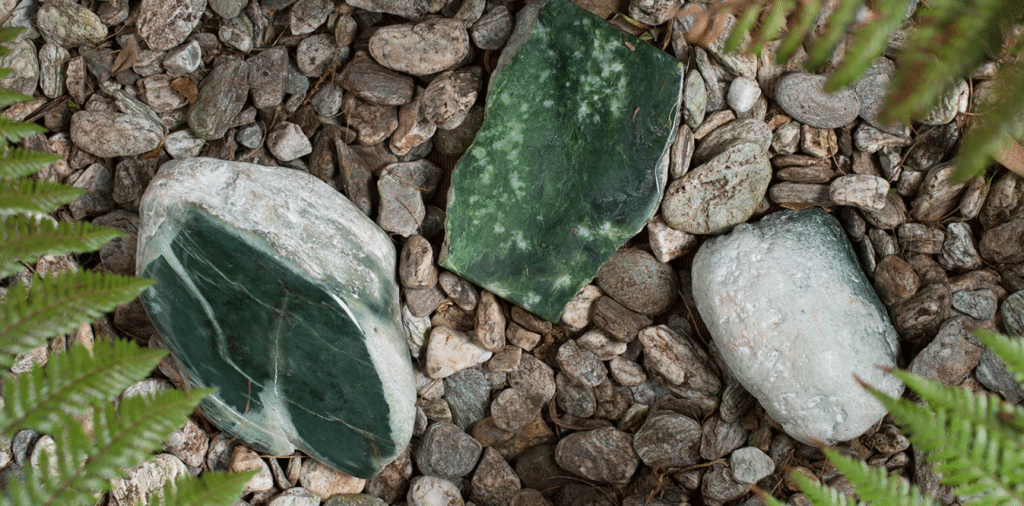
Not everything of worth can be assigned monetary value. In Aotearoa, New Zealand, for instance, the Te Reo Māori word ‘Taonga’ refers to a socially or culturally valuable object, a treasure. The more that a taonga is cherished, the more force it possesses, carrying history and mana (personal power) forward.
Taonga don’t require physicality; in fact, some of the most valuable taonga are abstractions, impossible to hold or touch. Traditional stories, the Kapa Haka (dance), Waiata (song) — life itself — are taonga just as much as tangible treasures like greenstone (pounamu) and native feather cloaks (kākahu).
To cherish where you are and who you are—even if it isn’t where or who you hoped to be—is to turn your life into a Taonga of its own.
But how can you appreciate what you have when modern life is built around reminding you of what you don’t?
Putting the phone down
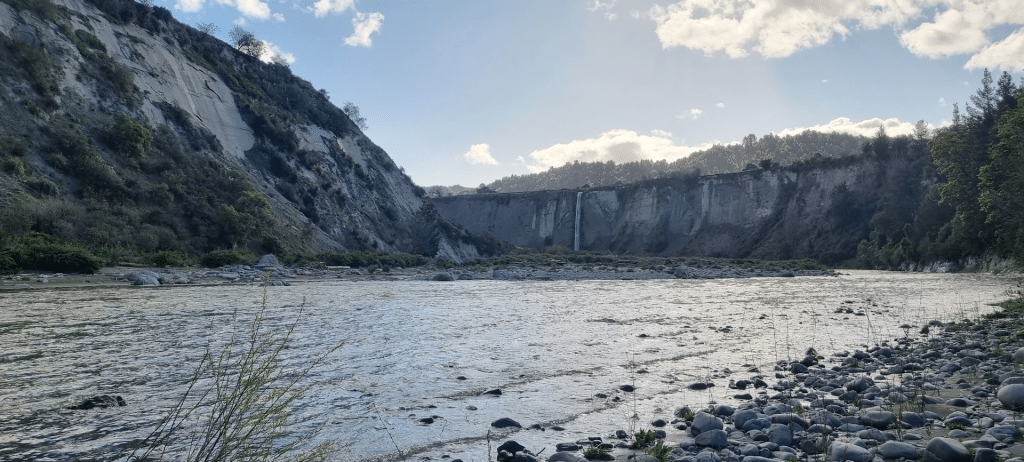
One evening, when I was camping at Mangaweka Gorge, I came to the unsavoury realisation that my obsession with other people’s online achievements had taken over the enjoyment of my own. Even when photographing the view pictured above, I wasn’t thinking about the beauty before me, only about how I could get reception to post said photo, to get my next ‘hit’.
Since reducing my social media intake, I’ve noticed a significant increase in my overall satisfaction with life. Now, when I camp, I’m able to disconnect from my phone and, in turn, reconnect with myself.
As a fellow addict, I understand that the internet is designed to be addictive, so don’t feel guilty if the idea of unplugging feels daunting. Even if you can’t fully step away from screens, shifting from short-form content to slower forms of entertainment—like movies or video games—can help regulate the constant overstimulation of social media.
Sidequesting and self-love
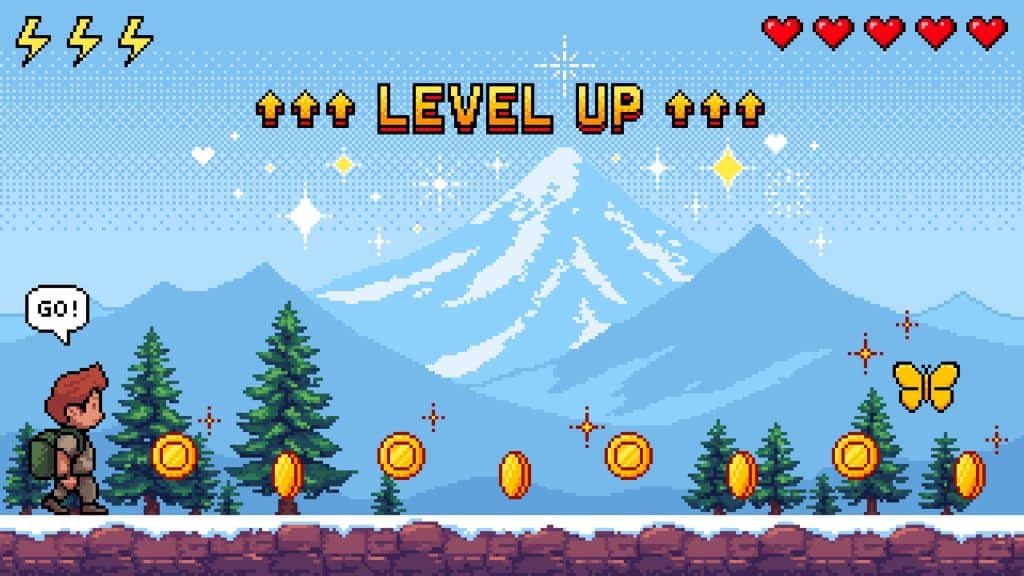
The first step to overcoming an addiction is finding a replacement that triggers the same level of dopamine. For me, that came in the form of the ‘side quest’.
In video games, a side quest is a mission that “has its own aim and story, but is not part of the main game“. Since December, I’ve made it a priority to treat my life like an open-world RPG.
Singing at a Chappell Roan drag night, living out of my car in a gorge with no reception, watching my friend host a toothbrushing event on the sidewalk—these were cheap or completely free experiences; however, the memories gained from them were priceless. From them, I gained confidence, the courage to branch out and connect with strangers, and the joy of reconnection.
If you’re more reserved, there’s no need to worry—you can achieve your own side quests. In real life, a side quest can be anything that takes you out of your ordinary routine: visiting a local park you’ve never been to, volunteering, writing a postcard, learning a new recipe—anything that sparks joy.
Reconnecting with childhood hobbies
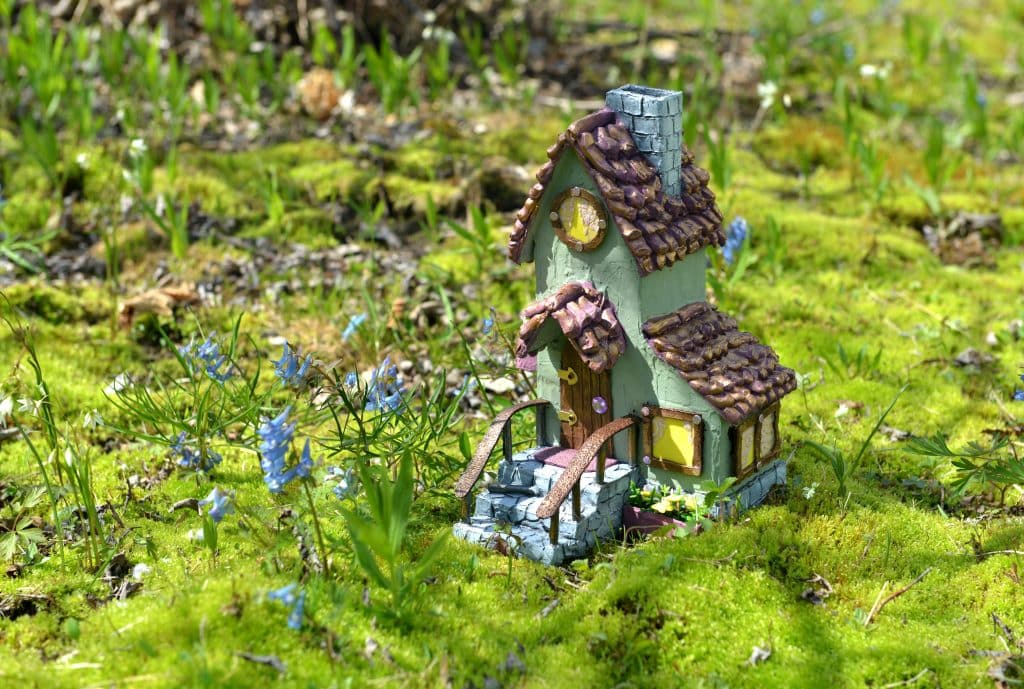
The last step I’ve taken to separate myself from online-induced status anxiety is to return to the life I lived before the internet became addictive—back to my childhood.
Building fairy houses in the backyard and belting out musicals in my bedroom can be a little embarrassing at times, especially with flatmates. But a touch of embarrassment is a small price to pay for the whimsy these pursuits bring.
This April, I might be 23—five years into adulthood, ten years past my first day of high school. Yet when I view my life through the lens of childlike wonder, rather than through the glow of my little rectangle doom box, I can see just how much I have to treasure. With each day, I find myself appreciating my Taonga a little more.
So, what do I have to show for my half-decade of independence?
- One bachelor’s degree in a field I adore, completed with top grades and a letter of chancellor’s excellence.
- Two years living in a city surrounded by the love of friends I never thought I’d make.
- Three old hobbies, dusted off and reclaimed.
- A fourth-place ranking in a national poetry competition
- Ten fingers, writing my way into a life that I love.