

If you’re new to Westeros, the hardest part isn’t keeping track of dragons or magic; it’s the family trees. The modern HBO franchise now spans multiple eras. Each show leads you into a different political “present,” separated by decades or centuries.
The new prequel to Game of Thrones is out and has fans raving about the new series. Here is an in-depth timeline breakdown of the Westeros world to get a refresher before you watch A Knight of the Seven Kingdoms or become so enthralled that you start watching Game of Thrones (which I highly recommend).
Westeros for beginners
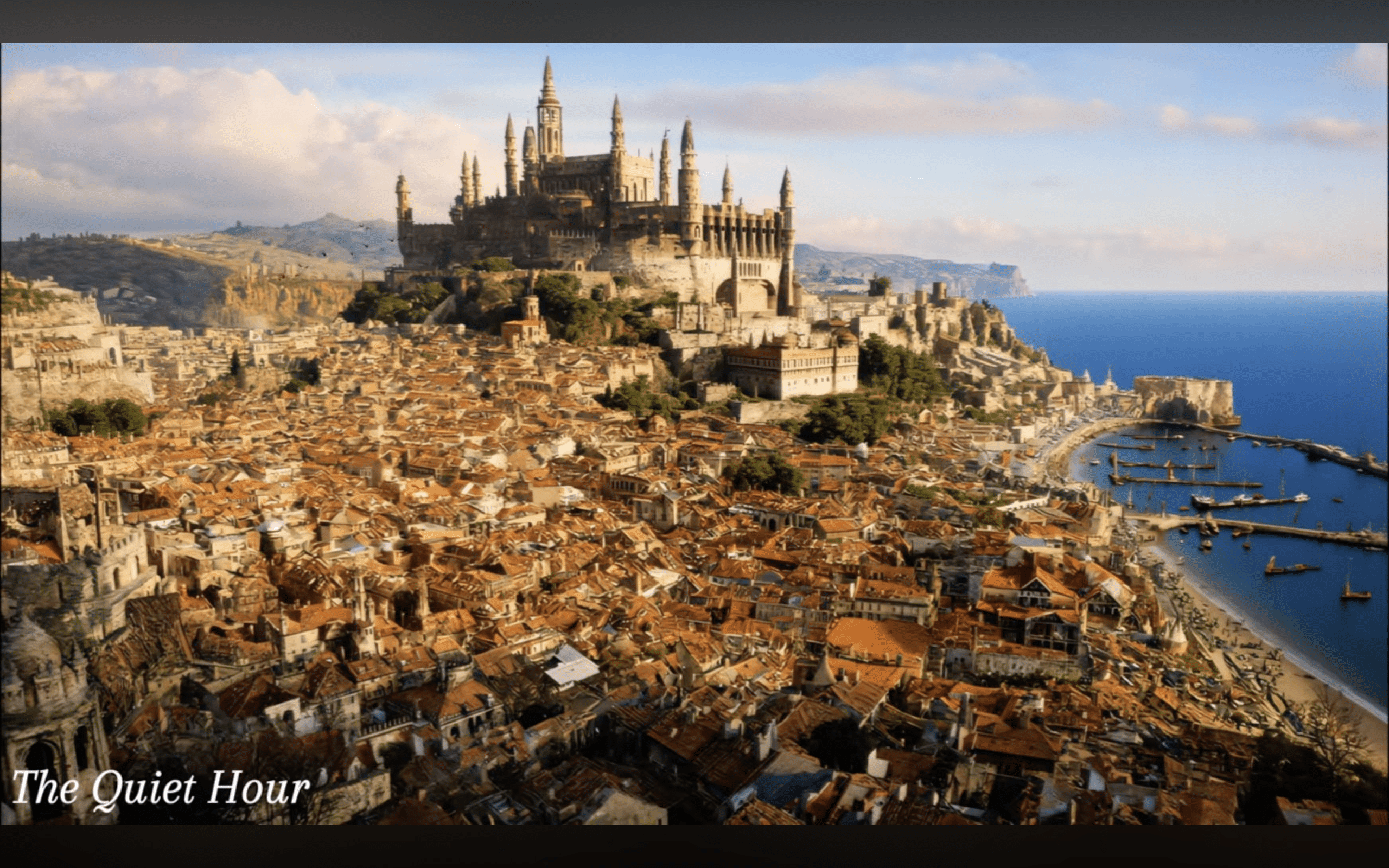
Here are the three major eras that make the timeline make sense:
First, House of the Dragon begins and runs through the early stages of a Targaryen civil war. The Targaryen dynasty is a noble family of dragon lords and starts when Aegon the Conqueror unified Westeros about a century before House of the Dragon. The second spin-off is A Knight of the Seven Kingdoms, and begins 80 years later, long after the peak of the dragon era. Third, Game of Thrones begins 90 years after A Knight of the Seven Kingdoms. It takes place in a realm that has already lived through the collapse of the Targaryen dynasty. The Baratheon and Lannister Houses are now on the verge of imploding next.
The reason these dates matter isn’t complicated — it’s how you keep the major family lines straight. At its core, the franchise tells a story about dynasties. It shows who ruled, married, rebelled, and claimed to be the rightful heir.
House of the Dragon and the Targaryens at their peak
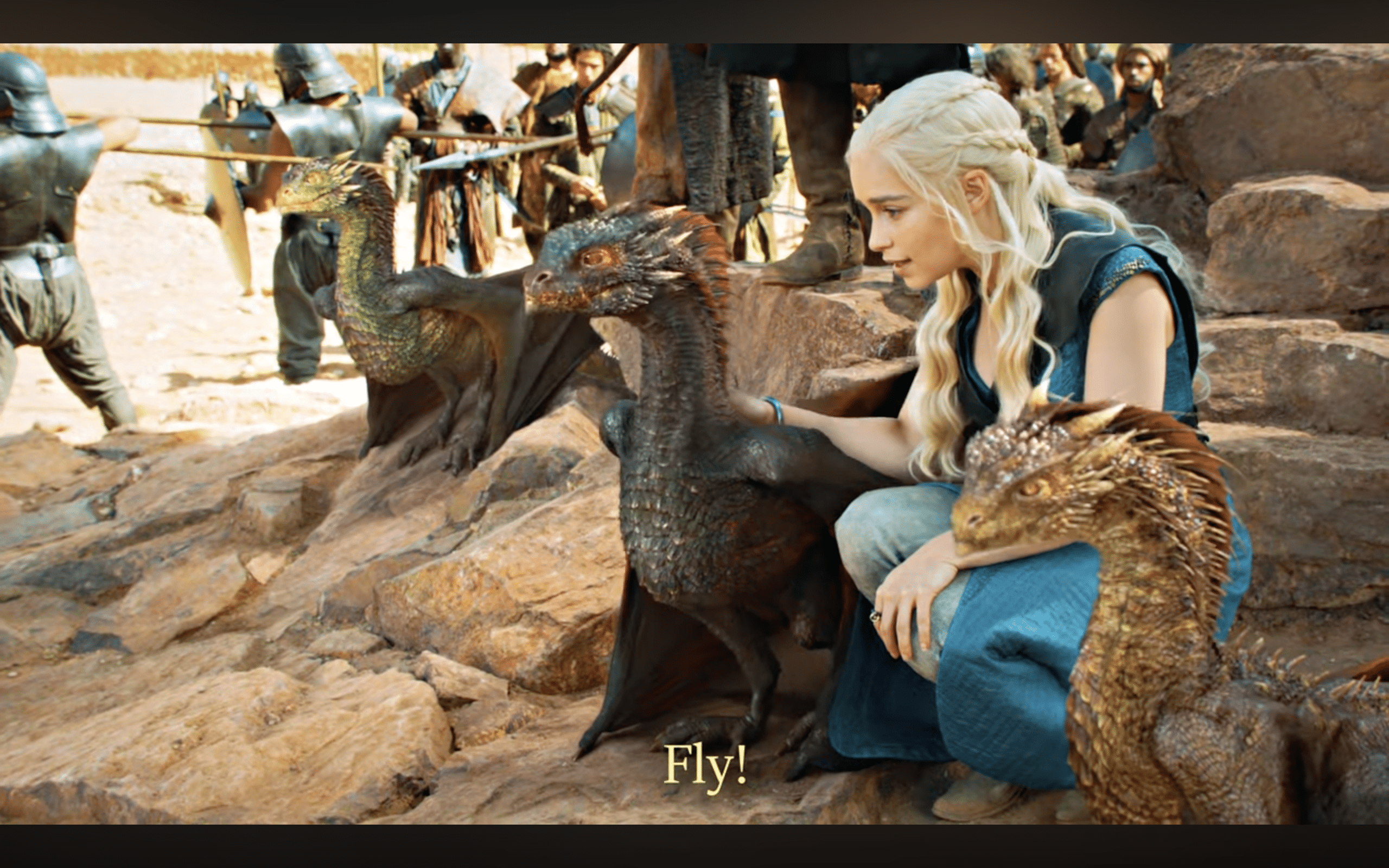
The “beginning of the end” for House Targaryen begins with a succession crisis. Viserys I names his only daughter, Rhaenyra Targaryen, as his heir. He then remarries her closest childhood friend, Alicent Hightower. It’s the kind of decision that really wants to ruin a father-daughter relationship. However, the realm accepts it because power and legitimacy function from inheritance and marriage.
When Viserys dies, one frightening question remains: does the throne pass to Rhaenyra or to his firstborn son, Aegon II Targaryen? The resulting civil war, known as the Dance of the Dragons, marks the beginning of the dynasty’s decline. It destroys everyone and everything, including their symbol of power: dragons.
It is essential to note that family plays a crucial role in this timeline. Aegon II has multiple siblings; the most notable are Aemond Targaryen and Helaena Targaryen. Aegon marries Helaena, and they have multiple children. Rhaenyra also marries her uncle, Daemon Targaryen, and they have many children. These heirs matter because their children marry after the Dance of the Dragons ends. That marriage allows the Targaryen reign to continue.

The key takeaway is this: House Targaryen at its height is not stable. Dragons make the dynasty dominant. However, the family’s internal fights over legitimacy began to weaken that dominance.
The age of Dunk and Egg between dragons and thrones
If House of the Dragon is about the terrifying power of a ruling family, A Knight of the Seven Kingdoms is about what that same family looks like after its scariest weapon is gone.
On paper, the setup is super simple. HBO describes a world “a century before” the events of Game of Thrones: a young, courageous hedge knight, Ser Duncan the Tall, often called Dunk, and his diminutive squire Egg wander the realm in an era when the Targaryen line still holds the Iron Throne and “the memory of the last dragon has notpassed from living memory.”
But “Egg” is not just a cute nickname. He is Aegon V Targaryen in disguise and a prince traveling incognito, years before he grows into the kind of ruler anyone remembers.
This show’s perspective hits differently because it lets us witness the downfall of the Targaryen line, rather than just hearing about it in Game of Thrones. Instead of bouncing between multiple royal courts, it centers on one POV character. We are being offered this perspective through one of the greatest knights in the history of Westeros, not through the ruling family itself. The first season follows a hedge knight, Ser Duncan the Tall, and all five episodes that are out have taken focus on one place: a tournament at Ashford Meadow, a few days of escalating confrontation, and a protagonist who isn’t a prince or prophecy, just a young man trying to be a knight.
Family lineage from Targaryen to Baratheon
However, the “bigger” politics still matter because Dunk and Egg are walking through a realm haunted by the last civil war. 13 years before the present time in A Knight of the Seven Kingdoms, there was another fight between the Targaryen families, and it ended with the Battle of the Red Grass Field. This Blackfyre rebellion was led by Daemon Blackfyre, a bastard child born to Aegon IV Targaryen (Aegon the Unworthy). Aegon IV had many illegitimate children and legitimatized Daemon Targaryen, and his other son, Daeron ll is the crowned king in A Knight of the Seven Kingdoms. It is safe to say that the ruling Targaryens won that battle.
Another important lineage in A Knight of the Seven Kingdoms is House Baratheon. An important character is Ser Lyonel Baratheon. He comes to Ser Duncan’s aid at an important time in the show and helps the audience connect him to his great-grandson, Robert Baratheon. Robert is the king at the beginning of Game of Thrones, as he has just defeated the last Targaryen king.
The surviving children of the last Targaryen King, King Aerys II (The Mad King), were Daenerys, Viserys, and Rhaegar. Within the timeline of Game of Thrones, Daenerys is the last surviving Targaryen and spends the entirety of all the seasons fighting to rule on the Iron Throne.
From Game of Thrones to now
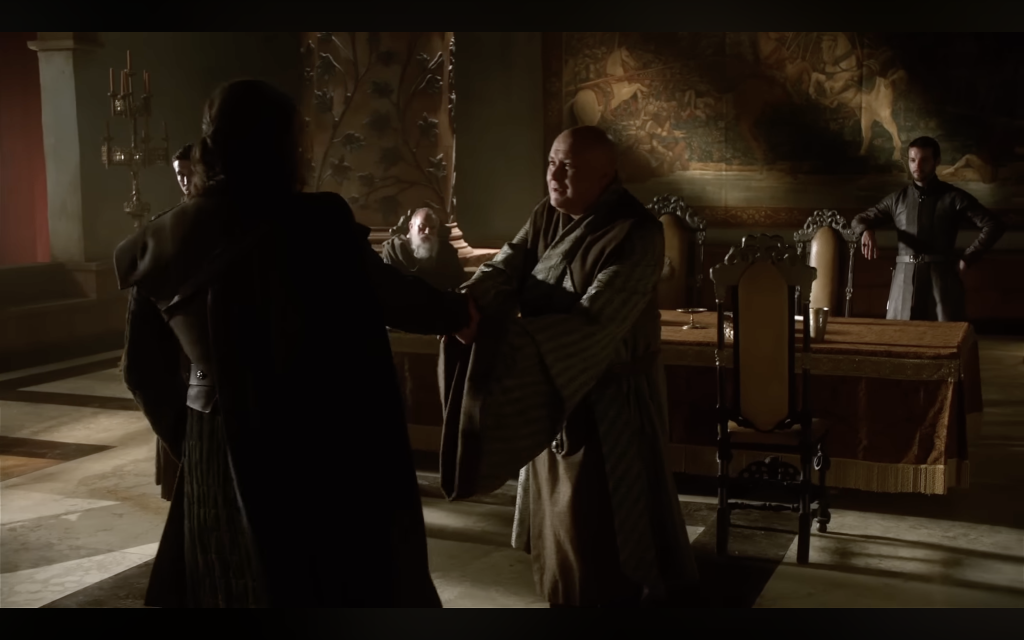
Game of Thrones opens in a political reality that would have been unimaginable at the height of dragon rule: a Targaryen is not on the Iron Throne. Instead, King Robert I Baratheon rules at the start of the story, the result of Robert’s Rebellion and the fall of the Targaryen dynasty. And in classic Westeros fashion, even the new dynasty is tied to the old one. Robert had the strongest blood claim among the rebellion’s leaders because his grandmother was Princess Rhaelle, a daughter of King Aegon V. That’s the irony of the Targaryen family. After all, Egg’s descendants end up on both sides of the conflict that ends the Targaryen rule.
After the 2019 finale, Den of Geek says that HBO faced a development decision: continue the story forward, or deep dive into the past. It seems that prequels won out because HBO “gets to have its cake and eat it too… because the six-episode series operates as both a Game of Thrones prequel and a House of the Dragon sequel.” HBO formalized this strategy and hooked audiences, as A Knight of the Seven Kingdoms has already earned a Season 2 renewal, and House of the Dragon will release its third season this summer.
Why Dunk and Egg feel different
A Knight of the Seven Kingdoms S1E14: “Seven” is now the highest rated episode of the show. pic.twitter.com/II8rAhJjnD
— The Cinéprism (@TheCineprism) February 7, 2026
Dunk and Egg aren’t just lore connectors. They’re a complete reset. Showrunner Ira Parker told TheWrap that the series:
“was always meant to be lighter, because the George R.R. Martin novellas they’re based on are written that way. But he also recognized the way Dunk (Peter Claffey) rolls into the Ashford Meadows tourney — man on a horse, new small town, trouble afoot — lent itself to some Western inspirations.”
This “Western” energy is completely different than any other Game of Thrones series because it is so grounded in the lower class. In Entertainment Weekly, Parker describes the series as “could be 14th century Britain” and says, “We’re not with the lords and ladies, the kings and queens.” Even the lack of a big opening-credits sequence is part of that philosophy: Parker argues the simpler title card “serves our show” because it matches Dunk’s plain, to-the-point nature rather than the epic sweep of earlier entries.
This creative decision makes the world feel more subtle and historically believable, emphasizing everyday life. The creators strip away the direct perspective of the grand presentation associated with Targaryen power. Now, the series reinforces that Dunk’s story is not about ruling Westeros, but about navigating it as an outsider trying to find his place. This is what was missing in the Westeros world and why watchers are so entertained with this new series.
For newcomers, all of this history is the foundation of every conflict in Westeros. Understanding the Targaryen civil wars, the extinction of dragons, and the Baratheon rise to power makes the political tension in Game of Thrones feel like you earned it. More importantly, seeing the world through Dunk and Egg shows that Westeros is not shaped by only kings and conquerors. Ordinary people also shape the realm as they navigate the power they did not create. Whether the story centers on dragons, rebellions, or a lone hedge knight, the takeaway stays the same. In Westeros, legacy never dies; it just simply changes hands.