

Now that it is officially February, it is my favorite time to lock in my resolutions. January is for super-ambitious aspirations; February is the time to be realistic, and these resolutions are just that.
This year, I wanted to take a new approach. I made a list of things to consciously abandon as I moved through 2026. Even though February isn’t over, this list has helped me so much so far, and I wanted to share some things I feel like everyone would be better off leaving behind in 2026.
1. Performative Productivity
It’s time to leave behind performative productivity. In 2025, it felt like everything and everyone was constantly moving. The rise of “5-9 before my 9-5” videos made me feel like I was lazy—even though I was pretty busy!
I have had to learn the difference between genuine productivity and performative busyness in my own life this semester. Last month, I was confusing motion with progress, adding important things to my daily lists but not urgent ones, making me feel like my tasks were insurmountable.
One way I began to combat this feeling is by separating tasks into two distinct lists: “need to dos” and “want to dos.” Challenge yourself to make your need-to-do list as sparse as possible. Think about what will happen if you don’t do something today—if nothing happens, it’s a want. You will notice how much more freeing your days are by categorizing like this. Plus, it’s so satisfying to check everything off your to-do list.
A well-designed planner like the Dotted & Spotted Hardcover 2026 Weekly Planner from Papier, which emphasizes goal alignment over mere task completion, is a great tool to organize life. These features help you work backward from what actually matters rather than forward from an endless list of possibilities.

2. Smoking
It’s time to leave smoking behind. If there’s one habit that science has definitively proven we should abandon, it’s smoking. The health risks are obvious, but I, like so many, am urging you to quit for reasons that impact the now—not the future.
Smoking costs so much money. In NYC, a pack of Marlboros is $18, plus taxes. At current prices, a pack-a-day habit costs thousands of dollars annually. That is money that could fund travel, hobbies, or even a midnight burrito habit.

Smoking also comes with a loss of control. Nicotine shapes your schedule, mood, and sense of autonomy. You can’t enjoy a long dinner, a flight, or a movie without thinking about your next cigarette or puff.
Quitting is difficult precisely because nicotine is powerfully addictive, but you don’t have to do it alone or without support. Counseling, including individual/group therapy or quitlines like 1-800-QUIT-NOW, significantly increases success rates by addressing the psychological components of addiction.
Nicotine replacement options like Jones Nicotine Mint Lozenges are also an excellent option to help ease the transition. Their mints are FDA-approved and help you manage nicotine cravings on the go. They come in 2 and 4 mg variants and can even be shipped to you on a schedule to ensure consistency. Jones also has a free mobile app that uses science-backed quitting techniques and 24/7 support.

3. Relationships That Drain More Than They Give
It’s time to leave behind relationships that drain you. I feel like all over social media, I see this idea of “building a village,” a community of people who support, challenge, and celebrate us. This concept is wonderful and very easy to believe in. The problem is, we talk less about what building a village actually requires: the courage to recognize when certain relationships are preventing the village from forming and the wisdom to let them go.
Not all relationships are meant to last forever. That’s not a failure; it’s a natural part of growth. These aren’t always dramatically toxic dynamics; sometimes they’re friendships that have run their course but continue out of habit.
Other times, they’re connections where you’re always the one reaching out, listening, and accommodating, while your needs go unmet. In the worst case, they’re relationships where you feel drained after every interaction, where you edit yourself heavily to perform a version of you that this person expects.
To build a real village, you need to make space for reciprocal relationships. These relationships allow you to be authentic and engage in a connection that energizes you, not one that depletes you. You can’t build that village while maintaining relationships that consume all your emotional bandwidth.
Ending a friendship is difficult because there is no widely accepted (or talked about) method. With romantic relationships, there are clear rituals and language. With friendships, we’re often left feeling guilty or confused about how to proceed.
Some Approaches:
- If the friendship has simply faded, you might let natural distance develop without forcing a conversation.
- If there are specific issues, an honest conversation about changed needs or boundaries might be appropriate. It would not be out of line to simply say, “I’ve realized I need to be more selective about how I spend my energy, and I need to step back from this friendship.”
Choosing not to continue a relationship isn’t a judgment of the other person’s worth but an acknowledgment that you’re both better served by different connections. The space you create by letting go of what doesn’t work makes room for relationships that do.
4. Digital Hoarding
It’s time to leave behind digital hoarding. Our phones and computers contain thousands of photos we’ll never look at again, years of newsletters we meant to read, browser tabs open from weeks ago, and cloud storage filled with duplicates and ancient files. This digital accumulation feels harmless because it’s invisible, but it carries real cognitive weight.
A cluttered inbox is a low-level reminder of things undone. Your disorganized photo library is a missed opportunity to actually enjoy your memories. Every saved article I’ll never read is a tiny broken promise to myself.
The solution isn’t to delete everything. The best method is a simple system that prevents accumulation and makes retrieval possible. For file management, adopt a simple, consistent structure. Create top-level folders by category (Work, Personal, Finance, Creative), then subdivide by year or project. Use clear, searchable file names with dates at the beginning so they sort chronologically. Delete duplicates.
For email, use filters and labels to automate organization. Unsubscribe from newsletters you don’t read—it’ll make you feel better. For photos, try to do a monthly review where you delete the blurry, redundant, and meaningless shots, keeping only images you’d actually want to see again.
Leaving digital hoarding behind means treating your digital spaces with the same care you’d give your physical home, and I promise it will help bring you some calm.
5. Doomscrolling
It’s time to leave behind doomscrolling. In 2025, staying informed became indistinguishable from staying anxious. The 24-hour news cycle, amplified by algorithms designed to maximize engagement through outrage and fear, created a habit of compulsive scrolling. We picked up our phones to check one thing and found ourselves 45 minutes deep in a feed of crises, emerging more stressed but no more equipped to do anything about it.
Sometimes it feels hard to put down my phone, like I am just doing my duty as an engaged citizen by scrolling. Like it’s bad not to do this super self-destructive thing. But there’s a difference between staying up-to-date and being addicted. Constant exposure to negative news increases anxiety, disrupts sleep, and distorts our perception of reality.
Staying informed in a healthy way requires intentional boundaries. I recommend choosing one or two reliable news sources and checking them at specific times, like when you wake up and when you go to bed, rather than constantly throughout the day. If you’re struggling with doomscrolling and watching content other than just news, this advice still applies. Select times during the day to allow yourself on TikTok.
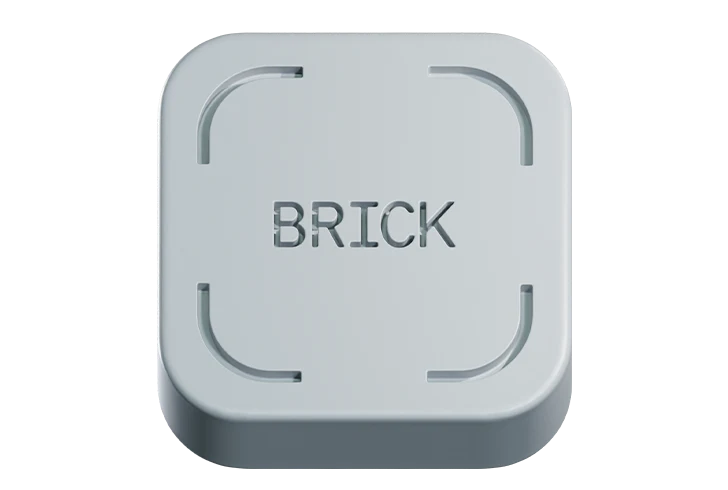
Another option to consider is “bricking” your phone during certain hours. Brick is a device that allows you to customize which apps are distracting you and block them. To unblock, you’ll need to tap your phone to the physical brick device. This is more effort than Apple Screen Time, and people say it is also more effective by creating a physical barrier between you and your distractions. For no distractions, some people physically lock their phones in time-lock containers during meals, family time, or before bed.
Setting boundaries will help you kick your habit, and soon enough, you’ll realize you don’t even want to scroll anymore. The result will be less stress and more time to focus on things outside of your devices.
The things outlined above will not be easy to leave behind. But I believe that everyone reading this can do it. With the tools at your disposal, you have everything you need to be the best version of yourself this year.