You probably already know that today’s teens and young adults have some of the highest rates of anxiety and depression. Forty-five percent of Gen Z Americans, say they need help with their mental health, while only around half feel knowledgeable about available resources. There isn’t just a mental health crisis; a lot of us simply don’t know where to go for help.
So, if you think that sounds a little bit like you, you’re not alone. Every person is different. Sometimes, we just need an adjustment to our routine to manage seasonal depression. But the solution for one person might not be the solution for you, and it may take some trial and error to find a good fix.
Your mental health is not just important for maintaining a good quality of life. When we feel good, we are also better at managing our emotions, our relationships, and our long-term career and education goals.
With all that said, you should definitely not give up on trying to get better. If you’re looking to try something new or just want a feel-good read, we rounded up six mental health-focused books focused on mindfulness and mental health.
Unf*ck Your Brain (2017) – Faith G. Harper
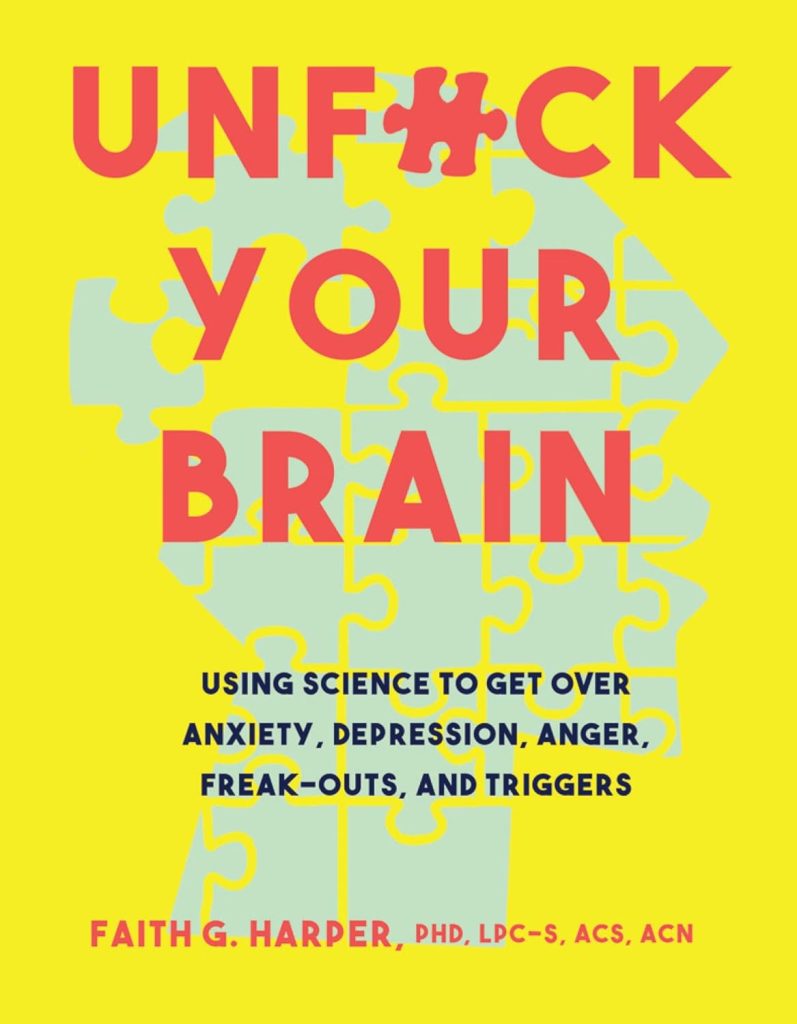
Dr. Faith Harper’s Unf*ck Your Brain aims to condition our brains and our responses to different situations. But what sets this first entry apart is that it presents the science and data behind its solutions, all with casual language and prose. For that reason, it is one of the easier reads on this list, as well as the only one that is deliberately humorous. Harper’s writing also has no shortage of swearing.
This book’s approach to mental health centers our brains’ traumatic responses and other maladies of life, such as depression, anxiety, etc. Harper explains that while our brains are programmed to help us, their responses to our problems can frequently do more harm than good. She synthesizes evidence with her personable, profanity-laden writing style to offer readers new, healthier coping strategies.
“Our brains are doing our best to help us out, but they can be real assholes sometimes.”
Dr. Faith Harper, Unf*ck Your Brain
Most, if not all, of our brains respond to problems in harmful ways, even if we don’t notice it. Unf*ck Your Brain will likely give most readers the tools they need to live a happier life. Harper’s tone and her focus on “general life bullshittery,” however, may meet your needs if you are dealing with more serious trauma. While we still highly recommend Unf*ck Your Brain, the titles below dive deeper into trauma and PTSD.

Lost Connections (2019) – Johann Hari
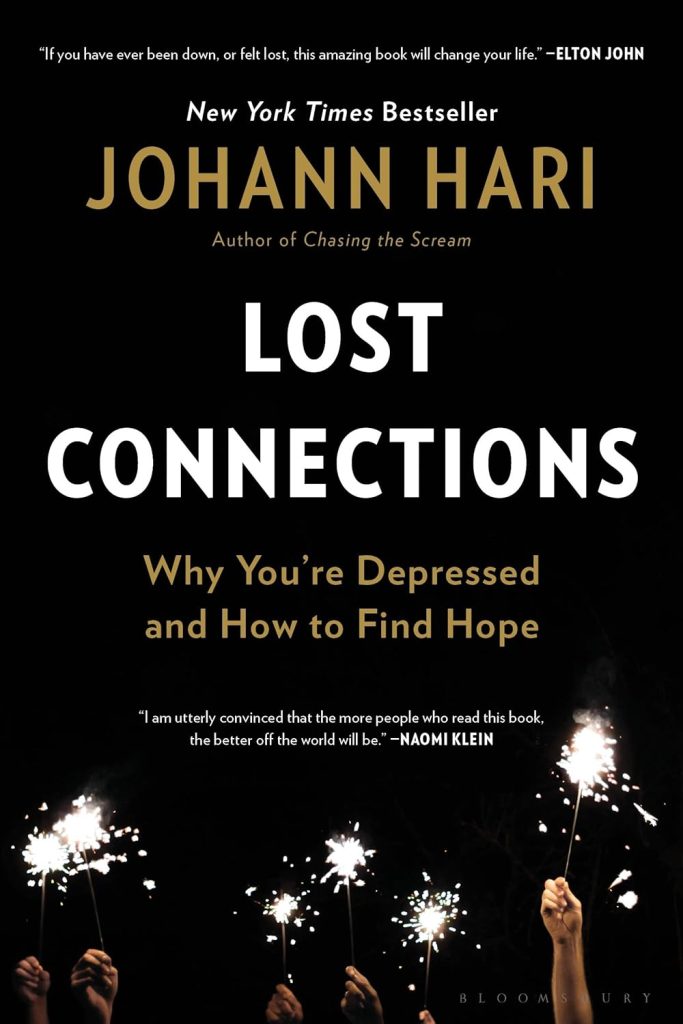
Lost Connections was published just four months before the COVID-19 pandemic shut down the United States and Gen-Z’s mental health took a nosedive. However, you might have thought journalist and author Johann Hari could somehow see the future. Lost Connections recounts his several interviews with mental health experts and his investigation into the nine causes of depression and anxiety.
Unlike other entries on this list, Lost Connections is more of a commentary on society than a book about mental health. You won’t find specific solutions. But if you don’t quite know why you feel the way you do, this entry may give you some answers. Maybe it will give you some reasons to be hopeful, too.
Social commentaries like Hari’s can do more than contextualize the world around us. They help us understand how we fit into the shifting currents of our culture. The modern mental health crisis is the focus of many social critics and mental health professionals. Each one formulates their own hypothesis to the question: Why is our mental health suffering?
Feeling Good (1980) – David D. Burns
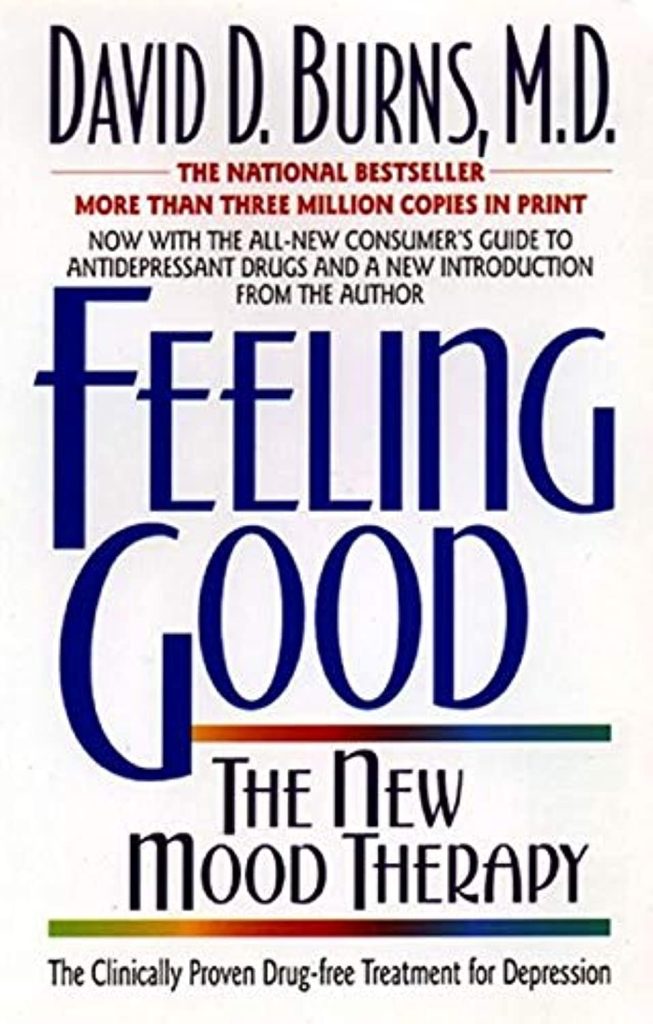
Published in 1980, Feeling Good is by far the oldest entry on this list, but it’s still considered a self-help classic. Like Hari, David Burns delves into depression, anxiety, low self-esteem, and other common struggles. Unlike Lost Connections, however, this is a self-help book through and through. You won’t find any sort of social commentary (not that it’d be relevant anymore anyhow). Instead, you’ll find evidence-based techniques that directly address what you’re dealing with.
Feeling Good‘s approach to combating poor mental health avoids drugs altogether. For example, Burns places blame for depression not on chemical imbalances in our brains but on so-called “distortions”: automatic negative thinking habits. That perspective underlies the methods in Feeling Good. Instead of antidepressants, Burns teaches readers to practice Cognitive Behavioral Therapy (CBT) techniques in their everyday lives–things like positive reframing and the Acceptance Paradox, to name a couple.
If you feel like you need an adjustment in your mindset, Feeling Good is more than worth your while. We rounded up a few more books that incorporate Cognitive Behavioral Therapy. Like Feeling Good, they offer quick fixes and ways to feel better right away without medication. They’re also especially great if you’d rather read something that isn’t more than four decades old.
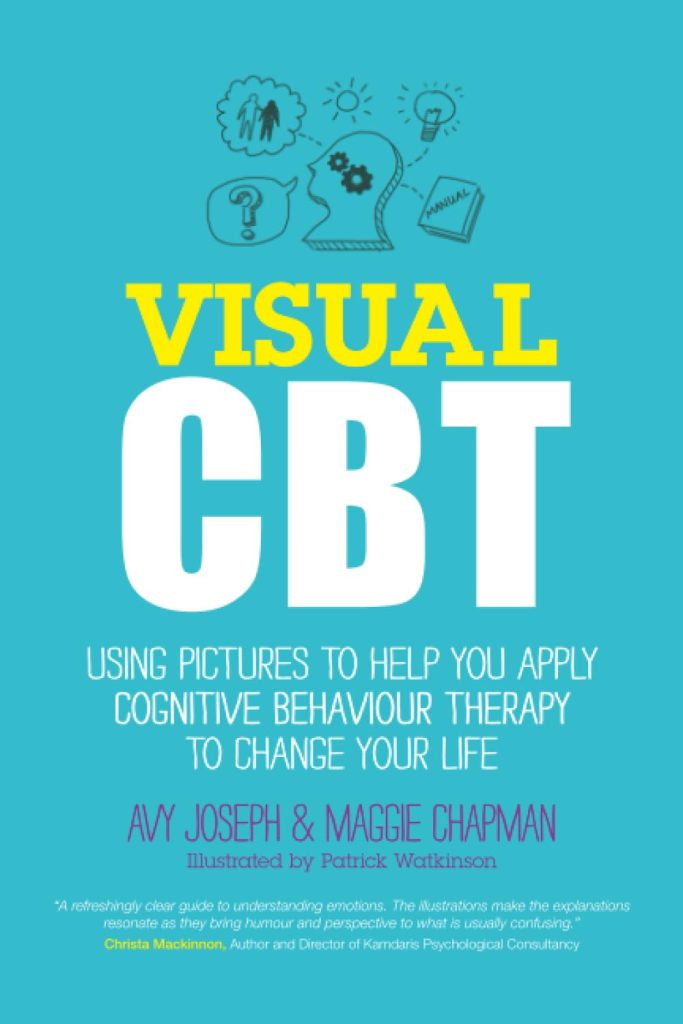
Don’t Believe Everything You Think (2024) – Joseph Nguyen
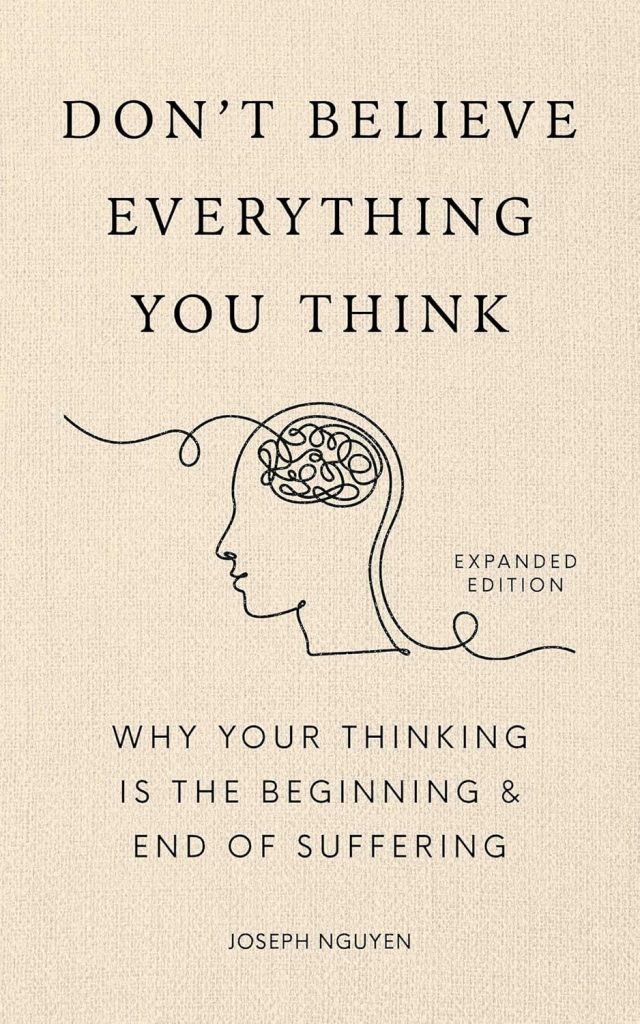
The title of this entry may give you a fairly solid preview of what it’s about. Don’t Believe Everything You Think seeks to help you control your “mental suffering.” In other words: overthinking. Nguyen is primarily concerned with differentiating pain and suffering. Pain is something he views as an inevitability, whereas suffering is something we can fix.
Nguyen’s approach is really about figuring out how to be okay with things, from everyday struggles to longer-term uncertainty. This also requires you to read his book in its entirety. The chapters build off of each other and really take a deep dive into anxiety, thinking, and the human experience. You can’t flip through it and find a method or technique that works for you the way you might with other self-help books. What it lacks in brevity, however, it more than makes up for with its fresh perspective.
Overthinking tends to be something we all struggle with, not just those who are anxious. Although we highly recommend Don’t Believe Everything You Think, you’ll find comparable books below. Overthinking and spiraling are as ubiquitous as any other mental health struggle, so if Nguyen’s approach doesn’t appeal to you, give these a try instead.
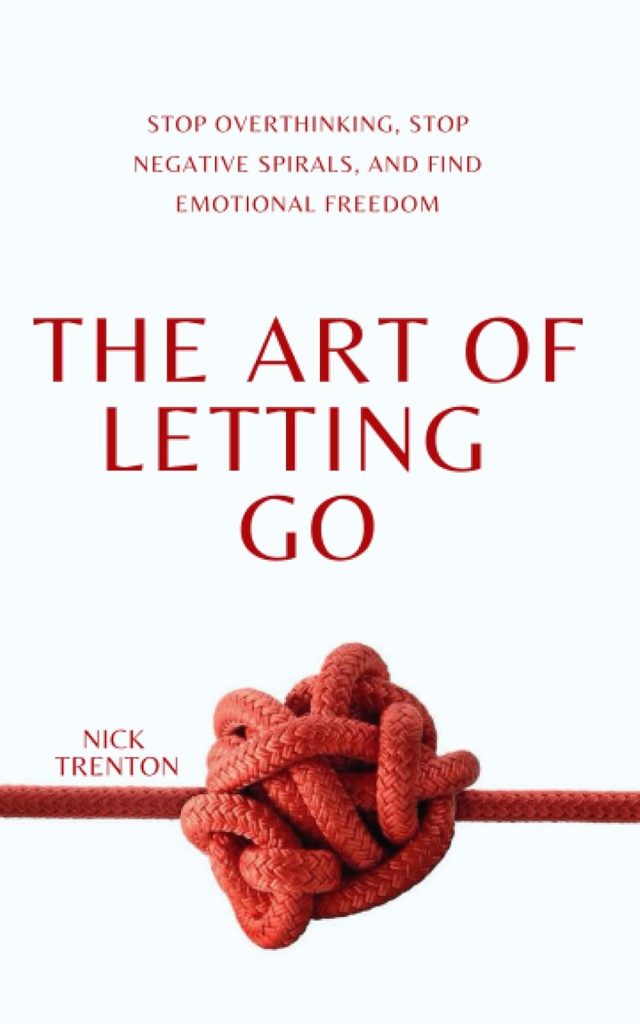
The Art of Living (2017) – Thich Nhat Hanh

From the mid-1970s until his death in 2022, author Thich Nhat Hanh wrote about mindfulness from the lens of his Buddhist faith. The Art of Living is no different and structures itself around several meditations. Readers have lauded the approachable nature of his prose, especially for newcomers.
Hanh aims to teach the reader how to generate happiness and clarity in their lives. Of course, this is no walk in the park. Wouldn’t it be nice if we could all feel happy and the confusing tumult of life became clear? Hanh equips us with seven meditations: Emptiness, Singleness, Aimlessness, Impermanence, Non-craving, Letting Go and Nirvana. Anyone can use the power of this guide to mindfulness, whether you are familiar with Buddhism or you know nothing at all.
“Happiness is not something that arrives in a package in the mail. Happiness does not fall out of the sky. Happiness is something we generate with mindfulness.”
Thich Nhat Hanh
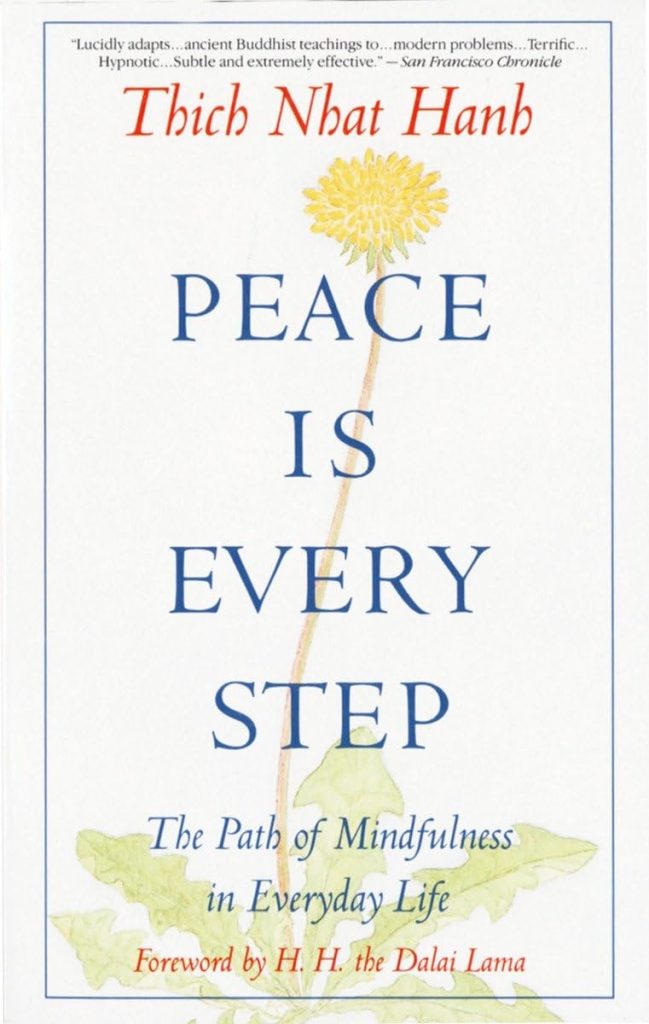
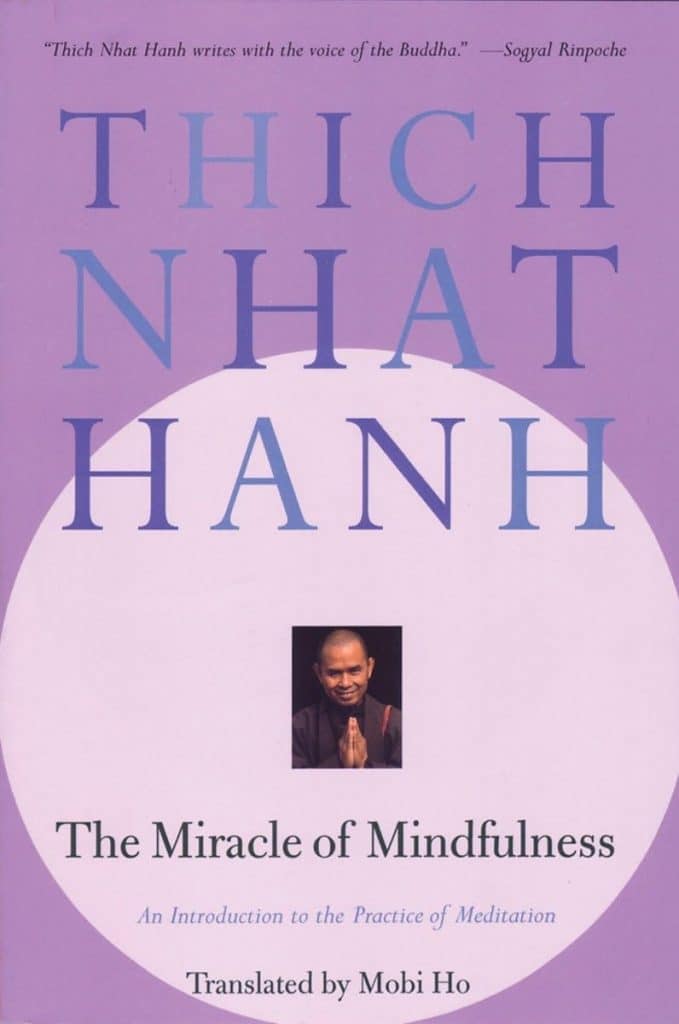
Hanh’s collection of published works is as deep as any author in the mindfulness genre. If you check out The Art of Living, make sure to save these other titles to your reading list, too. Though no Thich Nhat Hanh book is quite the same, the formula and the source of his timeless wisdom remains consistent.

The Courage to be Disliked (2024) – Ichiro Kishimi & Fumitake Koga
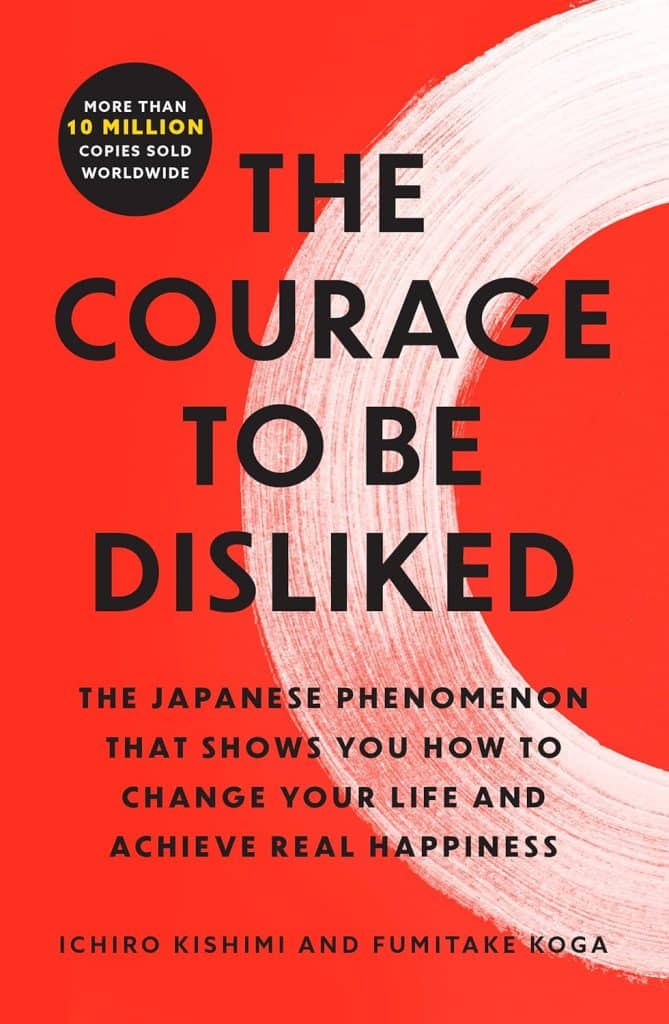
Finally, The Courage to Be Disliked is one of the more unique entries in this roundup. It is still, for the most part, a “mental health book,” but it reads as more of a narrative. The Youth and the Philosopher, the book’s only two characters, have five distinct conversations that structure the book. The symbolism is slightly heavy-handed, but The Courage to Be Disliked is unique in that takes a more abstract approach than the pragmatism of the other entries.
Authors Ichiro Kishimi and Fumitake Koga explore the titular “courage to be disliked” by connecting philosophy and psychology. Through their two nameless characters, the authors aim to show us, not tell, several compelling life truths. The Courage to Be Disliked is a compelling read that keeps its prose conversational.
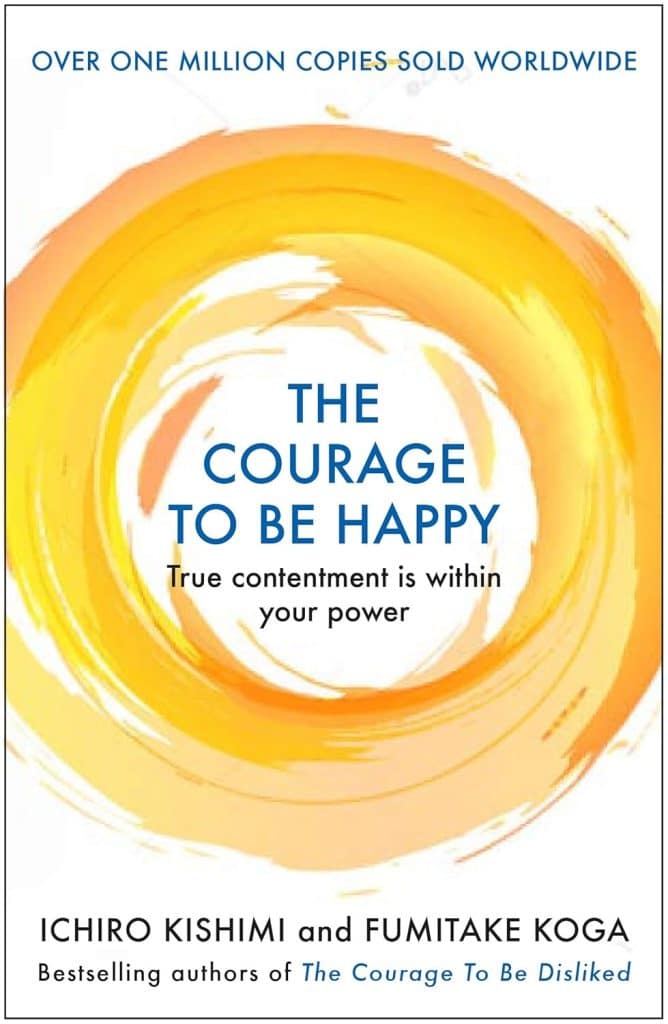
You won’t find many other titles quite like The Courage to Be Disliked. Its infusion of narrative elements into the self-help genre is something few authors other than Kishimi and Koga have ever done. In 2019, they published The Courage to Be Happy, which features a dialogue between another philosopher and a teacher. After you finish reading The Courage to Be Disliked, there is no better title to dive into next. Not only is the structure nearly identical, but the two share complementary wisdom.
Getting Better
Pursuing a long-term solution for your mental health may feel like being lost at sea. You may have a million directions to go–a million different options and methods for help–but knowing which way is the “right” way is difficult.
Trial and error may work when we’re learning how to knit or trying a new recipe. It might even be part of the fun. But when it comes to our mental health, the cycle can become downright exhausting.
We hope at least one of our picks for this list piqued your interest and prompts you to grab yourself a copy. A good read with a new perspective might be precisely the voyage you need embark on. If nothing else, it can serve as a compass to restore your your bearing.