


It is no secret that Shein and Temu are used widely across the UK and world, and have become big players in retail. Students use them daily for their cheap, affordable products. So what is going to happen now after the UK Budget plan on adding customs duty to small parcels?
The UK Budget is a statement made late in the year by the Chancellor to the MPs (Members of Parliament). This is held in the House of Commons, presenting the government’s plans for the economy.
Including changes to taxation and spending accompanied by the economic and fiscal outlook published by the Office for Budget Responsibility (OBR).
What is custom duty?
Custom duty, also known as import duty. A tax put on goods entering the UK from other countries around the world. Collected by HM Revenue & Customs (HMRC), this duty supports national industries and contributes to national revenue. Custom duty applies to both commercial and personal shipments.
The amount in which you pay is due to the type of product, country of origin, the value and how it is classified under UK custom codes. But also additional expenses such as packing, postage and insurance.
Custom duty, lead by specialised authorities established by local governments who oversea and manage the whereabouts of goods that are across international borders.
The main goal of custom duty is to safeguard local industries, economies and business by regulating the flow of goods in and out the country.
What is this all about?
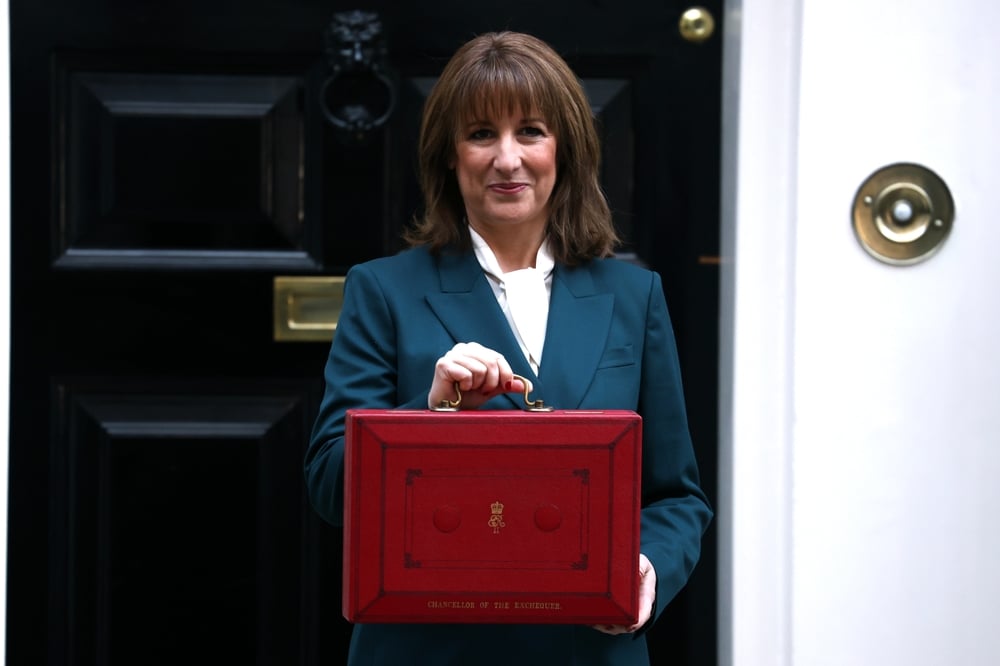
The Chancellor of the UK, Rachel Reeves, confirmed at the Budget on November 26th. She is now closing the loophole that allows oversea online firms to avoid custom duties on small parcels to the UK.

At the moment overseas retailers can send small parcels under £135 to the UK without paying duties on it. This is something British high street retailers have criticised about it being an unfair playing field.
Custom duty can be as high as 25%. But is not part of the charge on parcels with a lower value than £135. This means that firms such as Shein and Temu, who sell lower valued items and ship them directly to consumers, can sometimes undercut high street retailers.
Retailers including Next, Superdry and Primark have previously told the government to overturn the current policy with customs duty. As they believe it has let international retailers like Shein and Temu to continuously undercut them on price.
The value of small parcels coming into the UK has risen by 53% (£5.9 billion) last year compared to the £3.9 billion the year before. Estimated by the British Retail Consortium (BRC) before the Budget submission.
As a result Reeves will no longer be keeping the customs-free £135 threshold on small parcel imports to the UK. This could raise £600 million per year in revenues, while also levelling out the playing field for UK online sales and retailers who must pay the duty at import.
The British Retail Consortium said: “While we welcome the decision by the Chancellor to close the de minimis loophole, the proposed timeframe is too long.
“The US has already removed its threshold, with the EU following suit next year; the Chancellor must take decisive action and remove exemption as fast as possible.
“This will help protect British consumers from the risks of imported goods that don’t meet the UK’s stringent environmental and ethical standards, while prompting fairer competition.”
Custom duty calculated
- Classification of goods: All items imported are assigned a 10-digit code that identifies the type of product it is. The code represents a certain amount of duty that has to be payed. The duty can vary depending on what the product is or the origin.
- Customs value: This duty is calculated by it’s CIF value (Cost, Insurance and Freight). This includes the customs value of the goods (the transaction price), with the additional shipping and insurance costs.
- Country of Origin: This can be affected by trade agreements. Goods from countries with free trade agreements (Canada or Australia) could meet standards for reduced or zero duties. However goods from other countries face general rate, and additional tariffs could apply.
- Additional fees: On top of duty people may also pay a merchandise processing fee. Some shipments oversea could have an additional Harbour Maintenance fee to pay.
Countries with custom duty
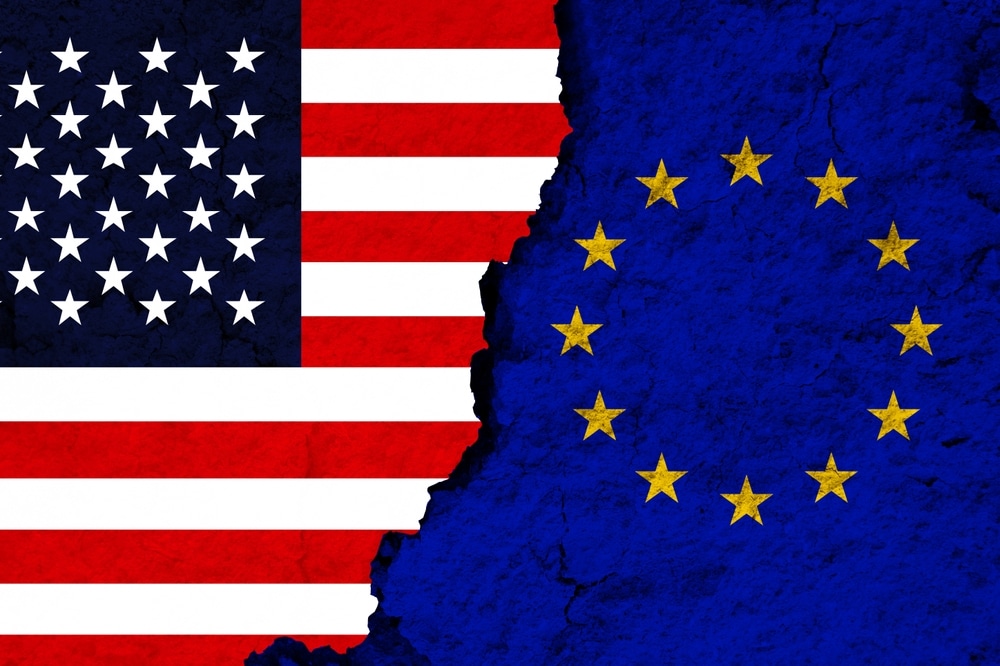
With this decision Reeves is following closely behind the US. Where as of August 29th President Donald Trump removed the $800 (£592) duty-free allowance for shipments to the USA. Making the nation become less dependant on buying goods from foreign countries.
Europe is also bringing forward custom duty imposing a 3 euro (£2.63) tax onto small parcels valued less than 150 euros as of July 1st 2026. It will cover up to 93% of all e-commerce flows to the EU.
The tax applies per parcel not per item. Items bought and packed into more than one parcel, will each be taxed upon arrival.
What it means going forward
The Government have launched a consultation looking at how it should start applying duty charges on all items, no matter the value it holds. The consultation ends next year in early March. Where the government wants to scrap the relief on small parcels by April 2029 at the very latest.
Although at the moment there is no immediate effect or change on customs duty. In the coming years we know that it will affect all of our purchases.
However we are yet to discover how much the government are wanting to charge per small item being imported to the UK. But in the long-term it will make buying once cheap, affordable products from Shein and Temu a lot more expensive for what you are buying.













Ellen Cheshire
January 17, 2026 at 10:38 am
Well done Tiana very proud moment xx
Love from nan x