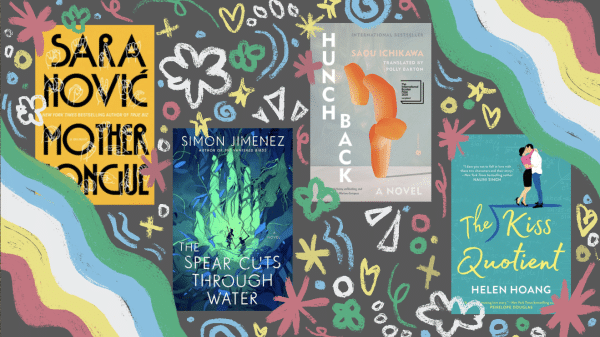


Fiction has always been a place where writers can test the limits of societal voices. In 2025, new releases like The Wilderness by Angela Flournoy reveal how urgently readers want stories that engage with the issues shaping daily life. Through fiction (such as dystopian stories), readers are reminded of the complexities of identity. In the modern day, feminist fiction is one example that stands out the most. Instead of offering mere stories, books like these serve as warnings, illustrating the consequences of ignoring today’s problems.
Fiction as a mirror: predicting women’s future
Fiction has always been a space where writers can say what society avoids saying out loud. Across genres, storytelling works like a mirror: It takes the world we recognize and stretches it until the cracks are impossible to ignore. By exaggerating what already exists, these novels reveal where society could end up if no one intervenes.
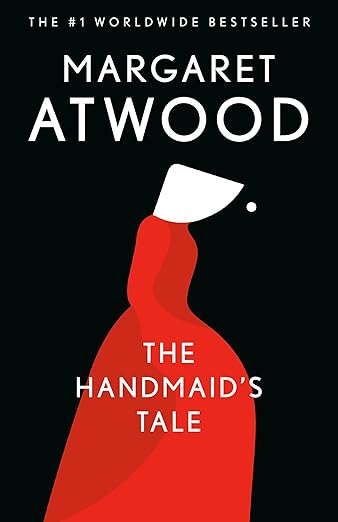
Dystopian fiction is one clear example of this reflective power. In The Handmaid’s Tale, Margaret Atwood doesn’t just invent oppression but instead shows it as a gradual process. Offred is stripped of her real name and forced into sexual servitude under the Commander under the justification that this system exists to “restore order.” People adapt to these restrictions until they eventually realize how much freedom has quietly disappeared.
Modern feminist fiction uses this same mirror, but it focuses on women’s daily experiences. A news headline about reproductive rights is easy to scroll past, but a character whose choices disappear overnight? A character’s loss of control over her body, her voice, or even her choices reflects what many women feel in everyday life. And then there’s the hardest question fiction asks: What happens if nothing changes? Rights can disappear once people stop fighting for them, which is unfortunately where we’re headed in the present.
How feminist fiction reveals systems of control
It all started with the classics. In many of these works, control begins with the everyday. One such example can be found in Jane Eyre, where society constantly reminds Jane of the rules she must follow as a woman. She must be modest, obedient, and grateful for her place in the world. Every time she tries to make her own choices, she faces criticism. By focusing on Jane’s personal struggles, the novel shows how society limits women, even in small ways.
Control can also hide behind domestic life. In The Yellow Wallpaper, John, the narrator’s husband, confines Jane under the pretense of protecting her health. He forbids her from writing, working, or expressing herself, and at first, she accepts it. But over time, the confinement erodes her sense of self. A Doll’s House is similar in this regard: Nora seems cheerful and free, but her husband tightly manages her life. He expects her to obey and perform the role of the “ideal” wife. Both stories show that power can operate subtly through expectations.
Classic works like these challenged the way people thought about women’s roles. At the time, women were still legally and socially constrained. Despite this awareness, most women were expected to remain dependent on fathers or husbands. But they gave women and society a new way of thinking. Society began debating these injustices, and women gained the right to education and the ability to vote. This impact has been very uneven, so women still face oppression to this day.

How these stories speak to the next generation.
Feminist fiction resonates with young readers because it captures pressures they face in real life. Teens and young adults encounter societal rules about bodies, from expectations to maintain a particular body shape to subtle regulations about how to speak. By seeing characters navigate oppression, fear, and societal norms, young readers can better understand their own experiences. For example, a teenage girl who feels pressured to look a certain way might recognize echoes of that pressure in a character’s struggle with control over her body or appearance. This recognition validates their feelings, giving them language and perspective to question unfair rules imposed by society. Recent releases like Flat Earth by Anika Jade Levy, which explores the emotional fallout of living under constant scrutiny, make these pressures feel even more real by showing how cultural expectations shape women today.

When young readers engage with feminist fiction, it does more than help them stand up for themselves; it also equips them to identify and challenge injustice in others’ lives. Watching characters resist oppression teaches empathy. Readers see that inequality affects more than just themselves, and they take action by speaking out. And questioning harmful norms can prevent these patterns from repeating. In Wolf Bells, Leni Zumas shows how society creates injustice while seeking to protect the vulnerable. Encountering characters who fight against unfairness helps young readers imagine how they can mirror such efforts. In this way, feminist fiction can mold a generation not only aware of injustice but committed to stopping it before it harms others.
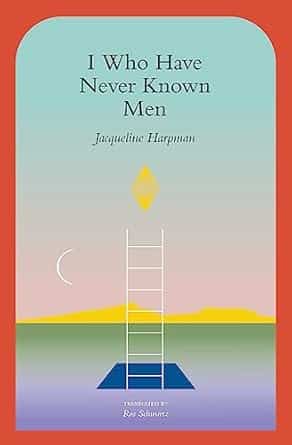
These stories also help us feel less alone. When a character confronts oppression rooted in broader societal issues, it gives us the strength and courage to face our own challenges. Jacqueline Harpman’s I Who Have Never Known Men focuses on forty women trapped in a locked bunker. Though they are isolated, the story shows how they interact, support one another, and find ways to preserve their identity. They demonstrate that resilience doesn’t mean doing things alone–it can mean finding power in shared experiences, small acts of defiance, and moments of solidarity with others. Feminist fiction reminds us that change often starts quietly, in the choices we make and in the support we give one another. We must be what the system fears: united and ready to challenge the structures that seek to hold us back. We are the change: the quiet rebellion, the lifted voice, the hand offered in solidarity.
We are the change
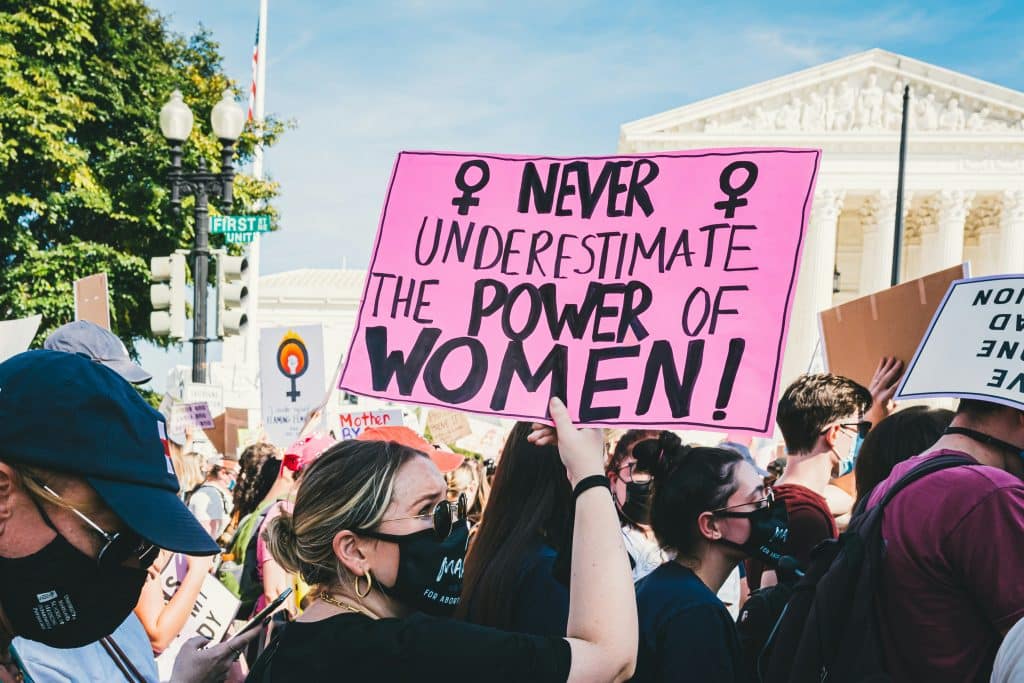
Feminist fiction exposes future possibilities. Certain narratives dive deeply into real fears and make them impossible to ignore, shining a light on the parts of society that usually stay in the shadows.
These novels linger because they carry emotional truth. They capture the frustration of being controlled. At the same time, they offer hope, helping us understand our power–the power to amplify our voices.
What makes feminist fiction so important today is simple: It reiterate that the future is not fixed. We must pay attention, question, and imagine a better world. We are capable of changing. It’s the start of something new: a future shaped by unity.