The evolution of beauty ads reminds us where we have been and gives us a clue on where we will go next. Beauty ads serve as visual time capsules, capturing the spirit and style of each era. From the soft-focus glamour of the 1950s to the clean, skin-first campaigns of today, these marketing campaigns reveal how generations defined beauty and how those images continue to influence us. Inspired by the nostalgic style callbacks in Doja Cat’s “Gorgeous” video, let’s explore how beauty advertising evolved over the decades.
1950s — Powder, Pastels, and Picture-Perfect Glamour
The 1950s were the golden age of “classic beauty.” Everything was soft: the lighting, the poses, even the colors. Pale pinks, baby blues, and creamy vanillas framed models who were drawn like magazine comics. Women were often depicted at vanities, caught in a moment of delicate perfection, reinforcing the idea that beauty was something to be maintained quietly and gracefully. At this time in history, beauty education was at the forefront. Almost every print ad or commercial included extensive tutorials and instructions on how to use the product.
Brands sold an ideal of domestic glamour. Makeup trends highlighted rosy cheeks, red lips, and perfectly groomed brows, reflecting a polished yet approachable look. However, women of color were rarely featured prominently. When they did appear, the ads often emphasized haircare products as opposed to makeup.

1960s — Mods, Minis, and Monochrome Drama
By the 60s, beauty ads were no longer whispering. In contrast, they were loud, graphic, and unstoppable. The 60s were all about the cut crease and the dramatic lash. Youth culture became the driving force of fashion, and suddenly everything felt fast, bold, and forward-thinking. Inspired by London’s mod scene, brands embraced harsher contrast, vivid primary colors, and overstated eye makeup that turned faces into pop art canvases.
The models of this era, Twiggy, Jean Shrimpton, and others, showed a radical departure from the ultra-polished femininity of the 50s. Their looks were angular, fresh, and gender-neutral, framed by shapes and sharp lines. Ads leaned into a sense of movement, mirroring the era’s social revolutions.

1970s — High End and Effortless Class
The 1970s ushered in a soft exhale. After a decade of mod intensity, beauty advertising shifted toward naturalness and self-expression. Bronzed skin, freckles, and feathered hair ruled the visual landscape. The lighting became warmer, the palettes earthier, and the mood more relaxed. Think sheer glosses, sun-kissed cheeks, and a glow that looked like it came from spending the day outside rather than sitting under studio lamps.
Brands sold freedom from strict beauty routines, stiff expectations, and heavy makeup. The language of beauty became more emotional: “natural,” “fresh,” “free,” “individual.” Even the fonts softened, taking cues from the curved, warm energy of the era’s design trends. Textures like soft fabrics and natural hair textures were celebrated, and women of color were increasingly represented, often showcasing their natural hair and skin tones.

1980s — Maximalism Beauty Ads
Then came the 80s, kicking the door open with sequins, smoke, and the power shoulder. Beauty ads in this decade held excess with unapologetic gusto. Everything was bright, bold, and larger than life. Photography grew more dramatic, using sharp lighting, metallic pigments, and high-contrast edits that made faces almost sculptural. Neon hues, bold lips in reds and fuchsias, and voluminous hair defined the decade’s beauty ads. Layouts became maximalist, with layered images, bright backgrounds, and dynamic compositions that screamed energy and confidence.

This was the era of “power beauty.” Ads often featured models looking directly into the camera with a boldness that matched the decade’s career-driven ethos. Fonts became sharper and more graphic, matching the energy of big business and big fashion. Beauty brands leaned into fantasy, glamour, and intensity, creating visuals that still inspire throwback trends today.

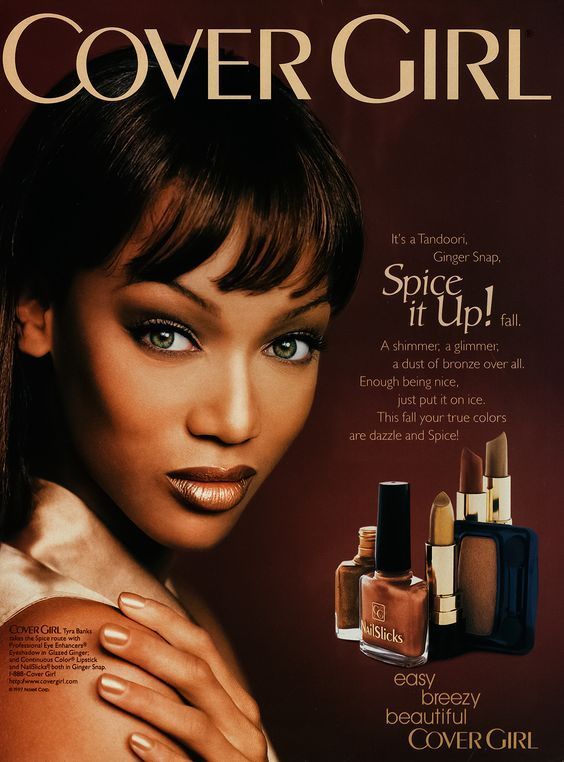
1990s — Earth Tones Meet Supermodel Glam
The 90s pulled the brakes hard on the 80s’ maximalist neon chaos. Beauty ads became restrained, sleek, and editorial, often shot in simple studio settings with crisp lighting and bare backgrounds.
This was the era of the supermodel. Naomi, Tyra, Kimora, Linda, and Kate — these faces defined beauty advertising with a blend of effortless glamour and high-fashion aloofness. Makeup was pared down, focusing on contouring and subtle highlights, rather than heavy color, with brown lips, brushed brows, and soft matte finishes. The style felt more “real girl,” even though the models were global icons. The fonts were thin, simple, and elegant, echoing the rise of minimalism in everything from fashion to interior design.
The 90s aesthetic remains one of the most referenced in beauty today because it struck the perfect balance between aspirational and attainable.
2000s — Baby Pink and the Celebrity Takeover
The 2000s were shiny — literally. This was the era of glossy lips, shimmer eyeshadows, and camera flashes that bounced off every high point of the face. Celebrities replaced supermodels as the go-to ambassadors. Beyoncé for L’Oréal, Britney Spears for Elizabeth Arden, J.Lo for everything. The ads were glamorous, polished, and often saturated with cool-toned lighting that made the images feel whimsical and airbrushed. This was also the decade when fragrance campaigns turned cinematic and dramatic, setting the tone for the glossy, aspirational marketing we still see today. The 2000s beauty ad in a nutshell was baby pink, young, and lots of lip gloss!

2010s — The Instagram Effect
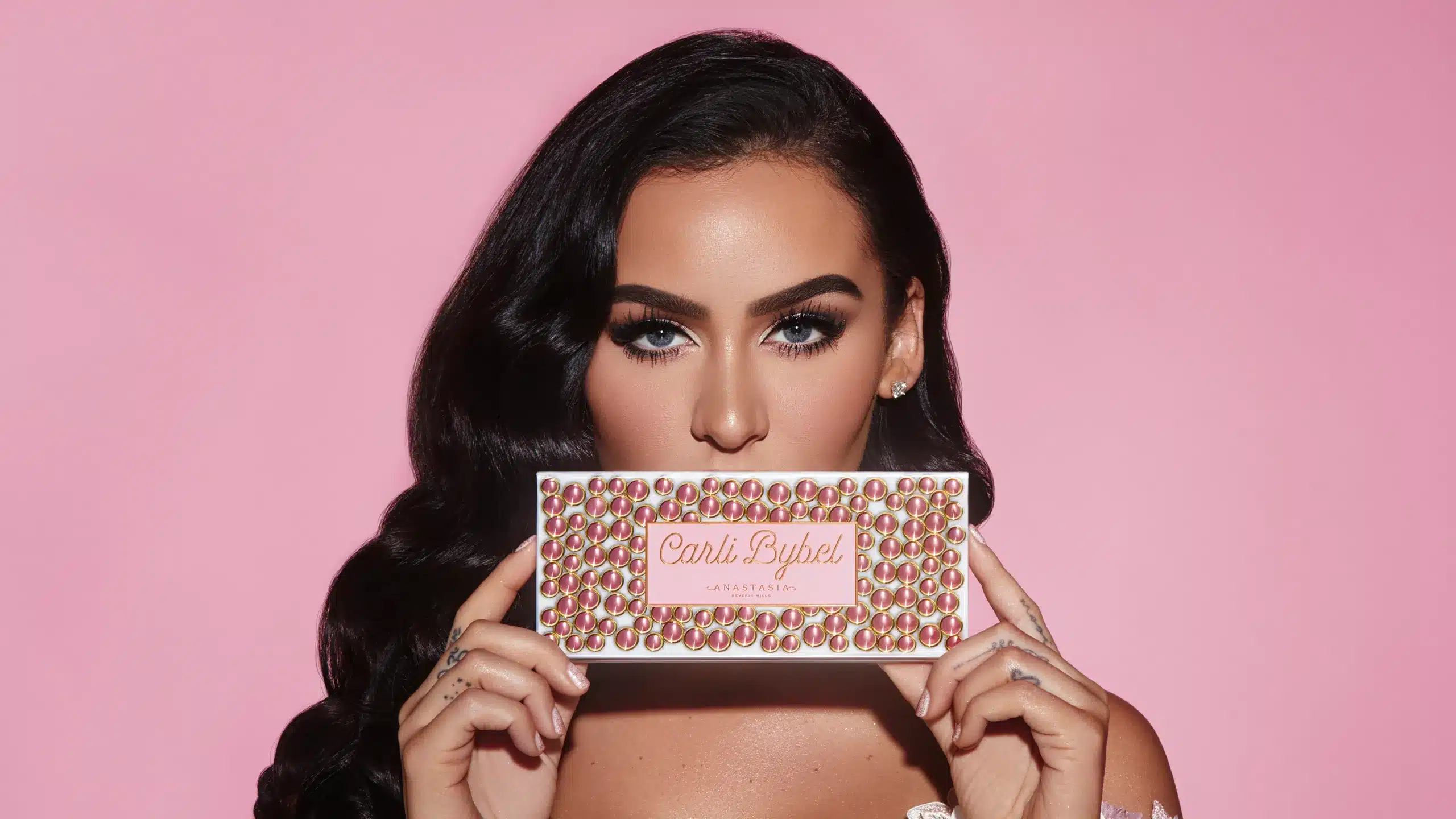
The 2010s brought the social media revolution, and beauty ads followed suit. Brands began designing ads to cater to the fans of influencers: bright, full glam, poreless skin, and dramatic contour. YouTube tutorials shaped how consumers understood makeup, and the “full beat” trend became the dominant look. Everyone wanted to look like their favorite beauty guru.
Beauty advertising leaned into perfect symmetry, flawless blending, and curated neon aesthetics, much like the 60s and 80s. Trends like the “Instagram brow,” “baking,” and overlined lips became cultural markers. Brands adapted fonts, layouts, and imagery to feel scroll-friendly, making their ads look like stylized extensions of a feed. With the rise of YouTube beauty gurus, authenticity and personality became new marketing tools.
2020s — Hyperreal, Experimental, and Culturally Aware
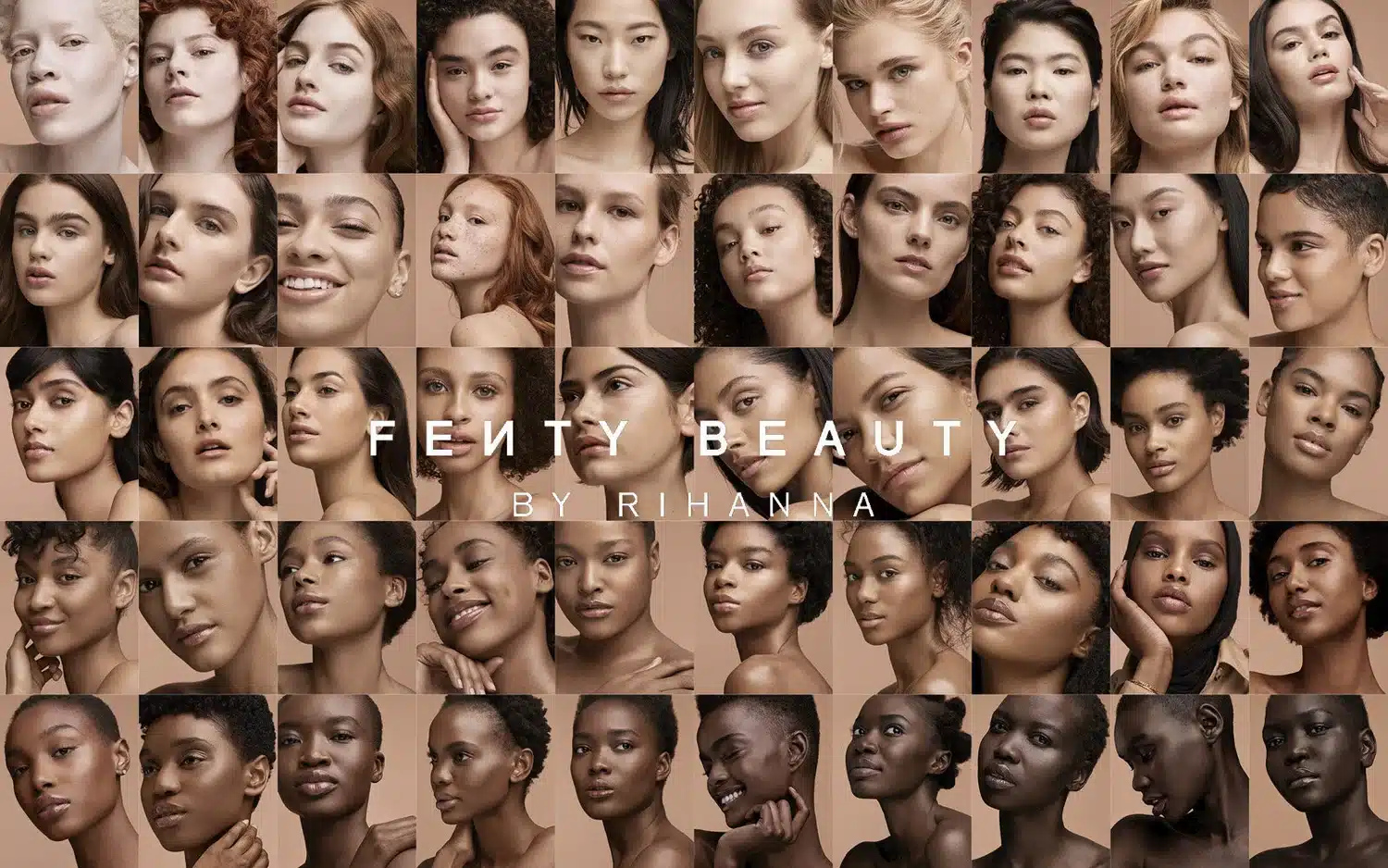
Today’s beauty ads are a kaleidoscope mixing nostalgia, futurism, and cultural consciousness. We get 90s-style soft glam next to Y2K shimmer next to surrealist AI-inspired visuals. Doja Cat’s Gorgeous video captures the moment perfectly: retro, hyperreal, playful, referential, and intentionally artificial. Today’s ads often feel almost self-aware, blending humor, history, and digital experimentation.
Representation is no longer a trend. It’s now an expectation. Brands are showcasing diverse skin tones, textures, identities, and unconventional beauty. The styling is individualistic, with different brands catering to different makeup styles as opposed to one style everyone is wearing. The messaging has expanded: beauty isn’t about looking like anyone else. Beauty is about authorship, expression, and cultural storytelling.
What Beauty Ads Reveal Beneath the Surface
When you look closely, beauty ads tell a deeper story than what shade or serum they’re selling. They chart the evolution of technique, technology, and cultural taste, from the matte powders of the 1950s to the hyper-glossed Y2K finish to today’s editorial minimalism. For anyone who loves beauty, understanding these eras is a way of learning the language of the industry itself. It shows how lighting styles shaped the illusion of “perfect skin,” how specific fonts signaled luxury, rebellion, or modernity, and how shifts in representation redefined who beauty was “for.” Today’s ads borrow from all these chapters, remixing nostalgia with innovation.
For more insight into how shifting makeup trends helped shape beauty standards themselves and how what we see on our screens today echoes decades of change, see How Has Makeup Changed? The Impact of Makeup Trends on Beauty Standards.