You know what’s funny? A few years ago, “selling your old stuff online” sounded like something people did when they were moving or broke. Now? It’s practically a business model.
Every time I scroll through TikTok, I bump into another 20-something showing how they turned a pile of thrift store finds into rent money.
And they’re not shy about it — they’ll film the whole process: sourcing, pricing, packaging orders, even dropping them off at the post office. What used to be a low-key side hustle has become its own corner of internet culture.
It’s not just decluttering. It’s entrepreneurship, wrapped in creativity and a sprinkle of sustainability.
The resale boom no one saw coming
Here’s what’s wild — this didn’t grow because of some corporate campaign. It grew because regular people started paying attention to what actually makes sense.
New clothes are expensive, fast fashion feels kind of gross, and sustainability isn’t just a buzzword anymore. Add inflation to the mix, and suddenly, buying secondhand sounds like common sense.
And social media? It poured jet fuel on the fire. Selling used to be a behind-the-scenes thing. Now, it’s an entire content genre.
You’ll see resellers sharing “What Sold This Week” updates or posting outfit photos featuring pieces they plan to list later that day. Their followers turn into customers, their closets turn into brands.

Some studies predict the resale market will grow five times faster than traditional retail in the next decade. That doesn’t surprise me. It’s the perfect storm: sustainability meets side income meets self-expression.
Why serious resellers don’t stick to one platform
If you’ve ever sold anything online, you’ve probably noticed — each platform has its own crowd.
eBay is like the old-school marketplace with die-hard collectors and people who appreciate a good deal. Poshmark? Trendy, style-conscious shoppers.
Depop attracts the creative, aesthetic-driven crowd — the kind who’ll pay extra for a Y2K vibe. And Vinted sits somewhere between practical and thrifty.
So the smart sellers? They don’t pick one. They go where the buyers are.
That’s where cross-listing comes in. It’s basically the art (and now, the technology) of listing the same item on multiple marketplaces.
You might cross list from eBay to Poshmark, for example, to get your vintage denim in front of two totally different audiences. It’s not rocket science — it’s just visibility math.
Here’s the trick: every marketplace has its own algorithm, its own rhythm. The more places your listings live, the more likely they are to be seen — and sold.
What actually makes listings sell
Let’s get into the psychology for a second, because this is where a lot of sellers trip up.
Pricing isn’t just numbers — it’s strategy. You can’t just throw $30 on a pair of shoes and hope for the best.
Buyers want to feel like they scored a deal, even if the deal’s only five bucks off. That’s why discounts, bundle offers, and “Make an Offer” buttons work so well.
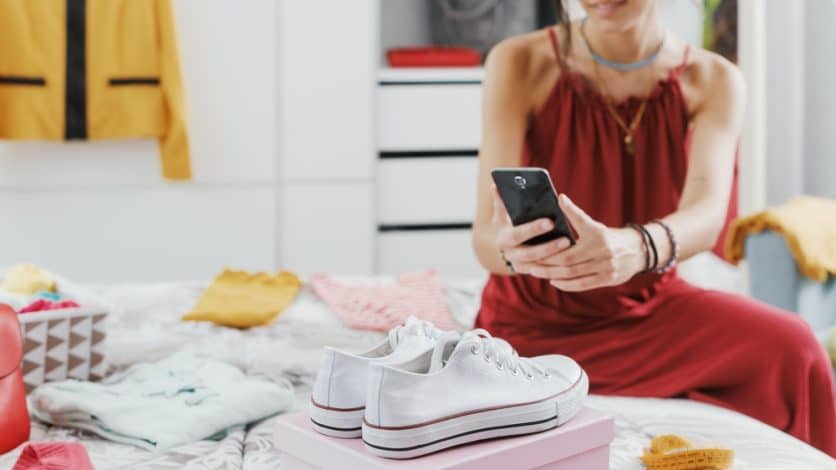
Then there’s photography. And I can’t stress this enough: your photos do all the heavy lifting. Natural light, clear angles, no clutter in the background. I’ve seen listings with beautiful items sit for months because the photos were blurry or shot on the carpet.
Descriptions matter too. Keep them conversational, honest, and specific. Instead of “great condition,” say “lightly worn once, no stains, fits true to size.” Transparency earns trust — and repeat customers.
And response time? Huge. Quick replies signal reliability, and platforms reward that. It’s not glamorous, but it’s what separates hobby sellers from people actually running a micro-business.
How automation changed the game
Back in the day, cross-listing meant doing everything manually. You’d upload the same photos to eBay, Poshmark, Depop — copy, paste, repeat. One listing could take 10 minutes per platform. Do that for 100 items, and you’ve got yourself a full-time job.
Now there are tools that handle all that tedious stuff for you. They duplicate your listings, sync inventory, and even mark items as “sold” across platforms automatically.
This is where reselling starts to scale. Automation lets you focus on the fun parts — sourcing great finds, refining your brand, and understanding what your buyers actually want.
The folks using these tools are the ones quietly building five-figure side incomes while everyone else is stuck refreshing notifications.
When you cross-list from eBay to Poshmark with automation in place, you’re not just expanding your reach — you’re reclaiming your time. And honestly, that’s the difference between a side hustle that burns you out and one that grows with you.
The bigger picture: Reselling as sustainability in action
Here’s what I love most about this whole movement: it’s not just about money.
Gen Z resellers, in particular, see this as part of a bigger picture — giving clothes (and tech and home goods) a second life instead of tossing them. Every sale is a tiny act of rebellion against disposable culture.
We’re shifting toward a circular economy, where items move through hands instead of landfills. And it’s not a fringe thing anymore — it’s becoming the default mindset. The idea that something “used” is automatically “lesser”? That’s fading fast.
Reselling gives people agency. You’re not just consuming; you’re participating in a cycle that values both creativity and consciousness.
So, what’s next for resale culture?
If you zoom out, the rise of reselling says something bigger about work itself.
We’re moving away from traditional jobs that demand you sit at a desk for eight hours and toward fluid, self-directed income streams. The future of entrepreneurship isn’t in boardrooms — it’s in spare bedrooms, thrift stores, and on smartphones.
The folks who are crushing it aren’t always those with tons of followers or loads of stuff. They’re quick to change, use tools that simplify things, and get how to make selling a routine.
Listing in more than one place is just part of the game, but a key part. It’s how sellers get their stuff out there without going nuts.
So, if you’re already selling online or thinking about it, keep this in mind: you don’t need a huge brand or a fancy degree. You just need to be curious, keep at it, and be open to better ways of doing things.
It’s not just a passing fad — it’s the way to be an entrepreneur now.