Ever wondered what your classics recommendation would look like based on your manga reading list? This one is for manga and literature lovers alike.
Manga and literary classics seem to have little in common. But at the heart of the two mediums lies the relentless pursuit of storytelling as a craft. They transcend boundaries to explore the human condition, thereby resonating with readers from all walks of life.
Let’s show both sides some love by drawing similarities between popular present-day manga and the well-established literary canon.
The Guy She Was Interested in Wasn’t a Guy at All
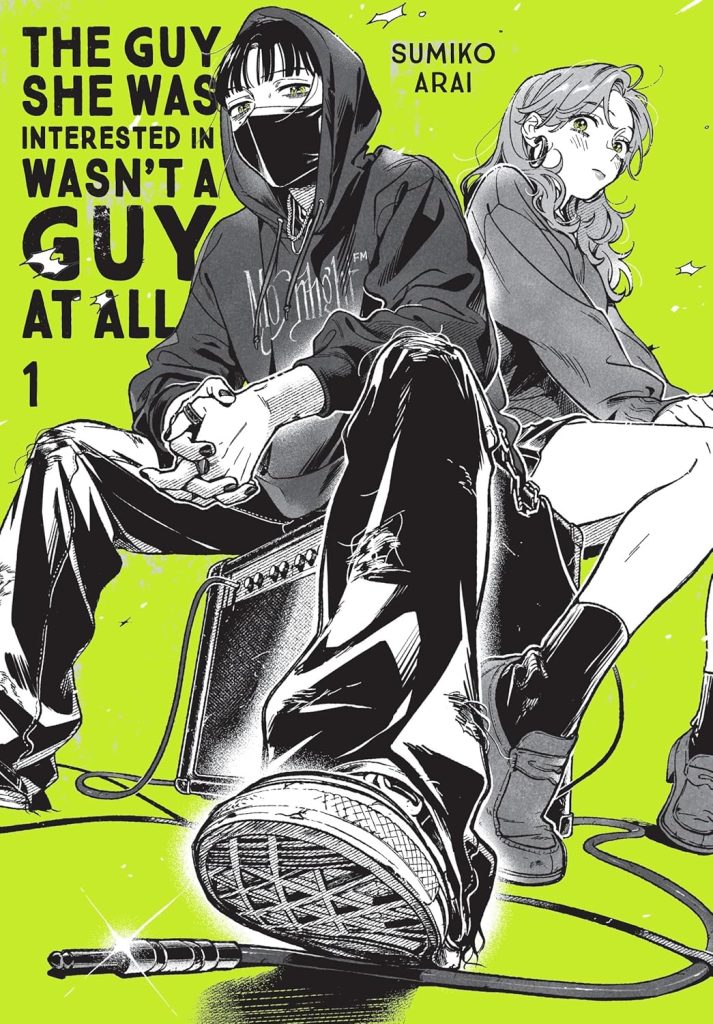
Starting out with a slightly angsty yet sweet manga by Sumiko Arai, The Guy She Was Interested in Wasn’t a Guy at All (or “the green yuri manga”) follows fashionable teen Aya as she raves on about a hot guy from the record store, who―unbeknownst to her―is her female classmate Mitsuki, a few seats away. If you’re a fan of this manga, you’ve got to check out another Sapphic classic that’s sure to get you squealing.
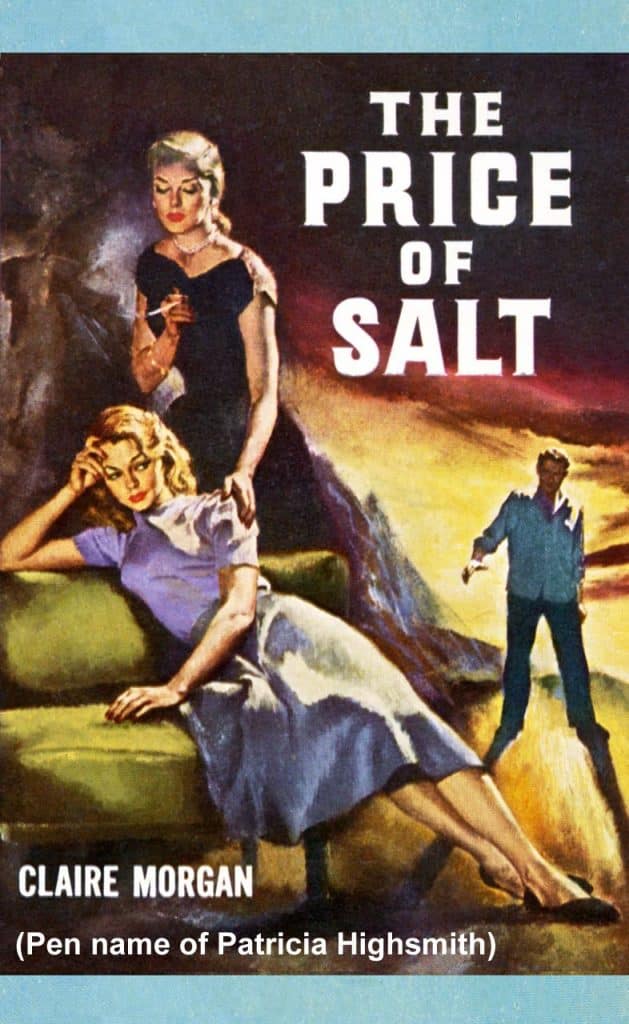
The Price of Salt (1952) by Patricia Highsmith follows the romance of Carol and Therese. Despite the social prejudice and constant pressure from Carol’s estranged husband, the novel (minor spoilers) ends on a mostly happy note. What makes it stand out is not just its romance writing but also its literary quality, which serves to highlight the struggles and beauty of same-sex relationships.
Kaguya-sama: Love is War
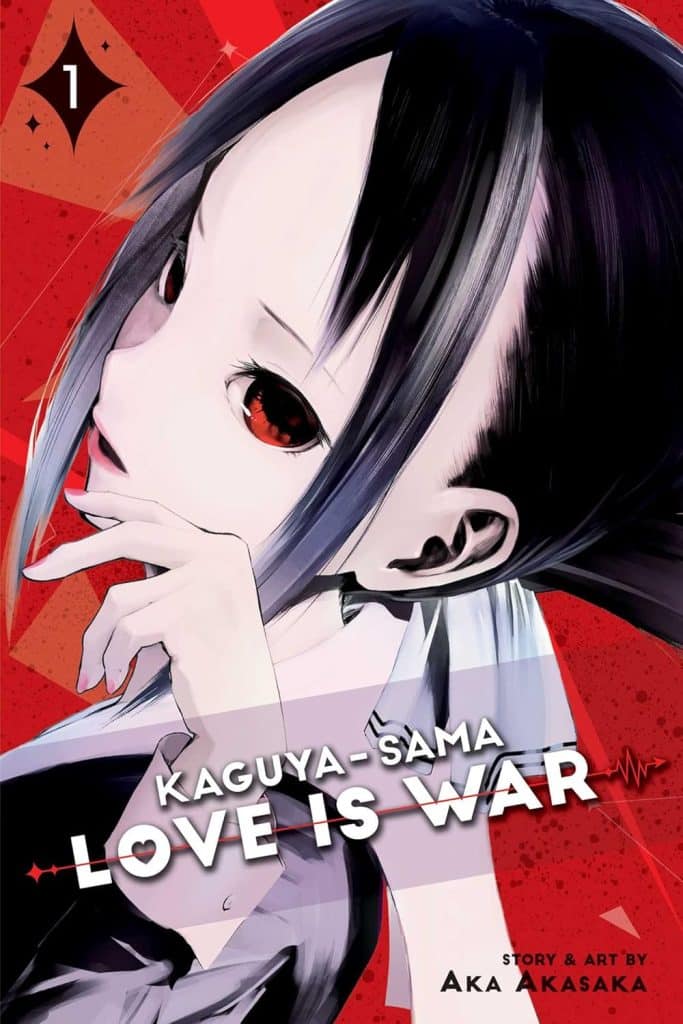
Onto a cult classic, Kaguya-sama: Love is War documents the romantic escapades between student council president Shirogane and vice president Kaguya. Their complex dynamic of constant power play and mutual respect makes for a highly compelling story. And since we’re talking about romantic rivalry, I have to mention another fan favorite.
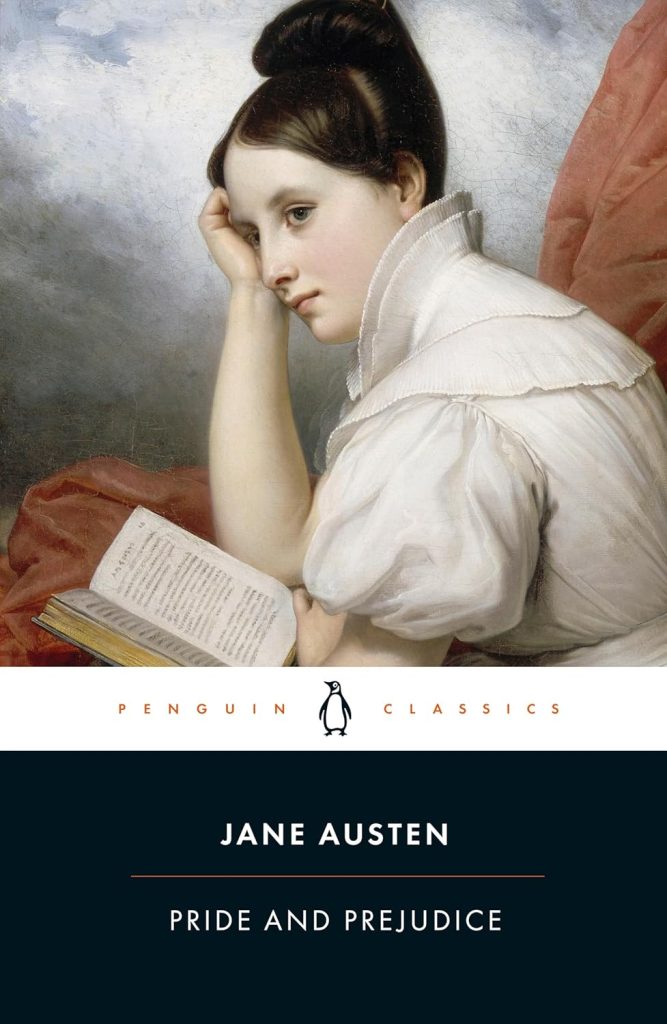
Pride and Prejudice (1818) follows Elizabeth Bennet as she finds herself increasingly involved with the proud, wealthy, and seemingly arrogant Mr. Darcy. Austen’s novel is bound to capture Kaguya-sama fans with the British high society’s complicated codes. However, the most memorable aspect of the novel is Elizabeth and Mr. Darcy’s enemies-to-lovers romance, which unravels in sweet yet unpredictable ways.
Spy x Family
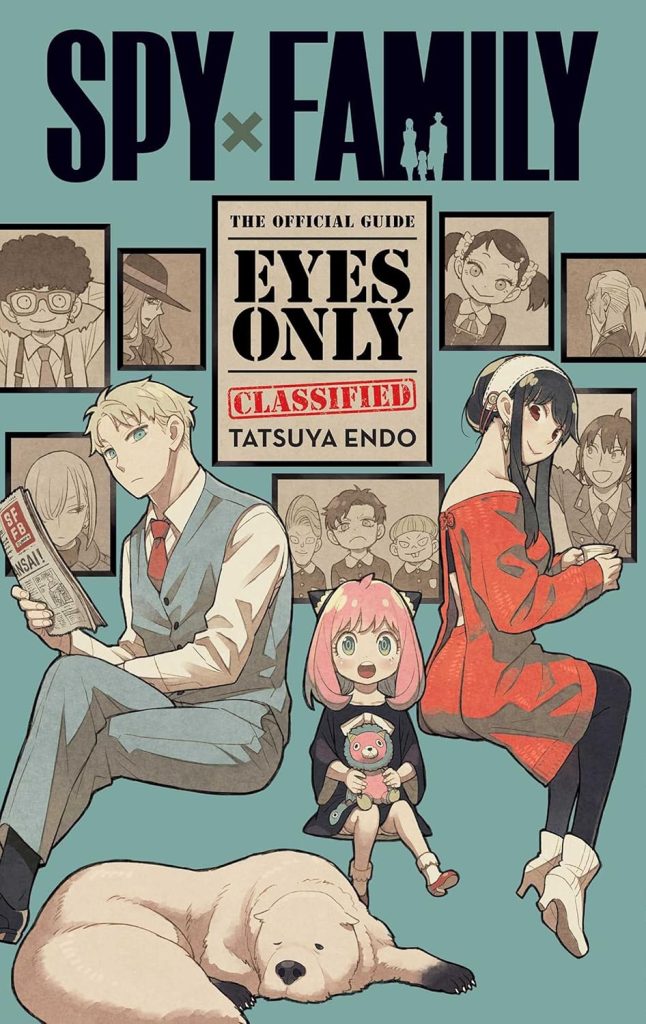
Moving onto a standout manga from the 2020s, Spy x Family was a tough nut to crack. Blending an unconventional found family dynamic with a thrilling spy mission amidst Cold War tension, the manga is truly unique in premise. I’m basing my match-up on the crux of the story: finding genuine connections in spite of the pressure to perform.

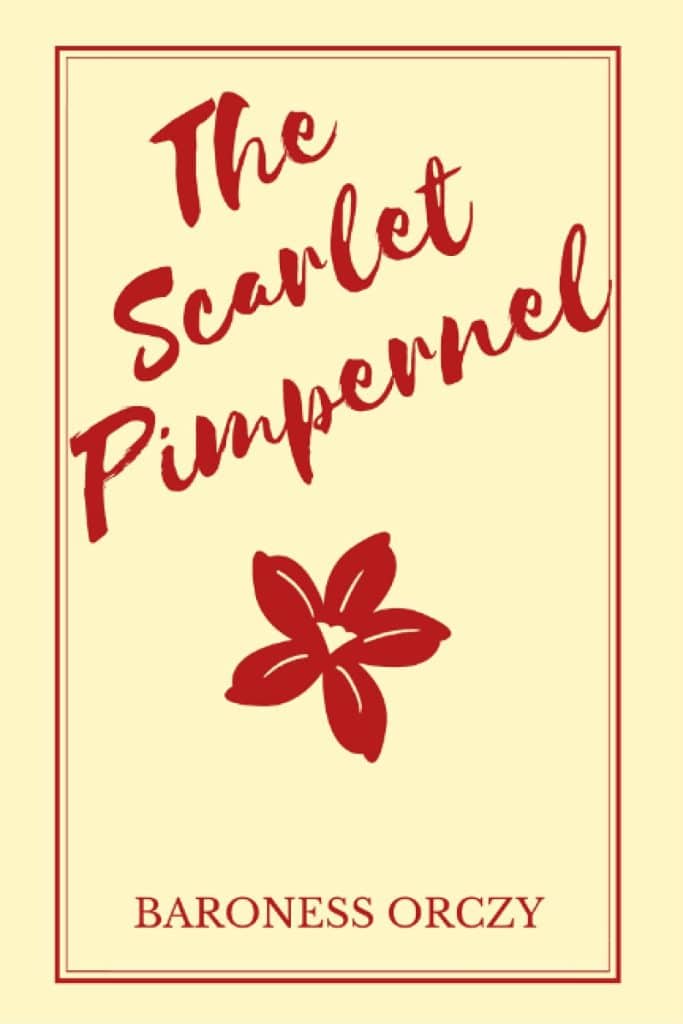
The double-life dynamic of Loid and Yor parallels that of the main duo in The Scarlet Pimpernel (1905). Set during the Reign of Terror, Sir Percy goes undercover as the Scarlet Pimpernel to save prisoners from the dreaded guillotine. Meanwhile, his wife, Marguerite, takes up the role of a spy to uncover the his hidden identity. If you’re a fan of Loid and Yor’s back-and-forth, then you’ll enjoy this. But if you’re more drawn to Anya’s perspective, here’s another option.
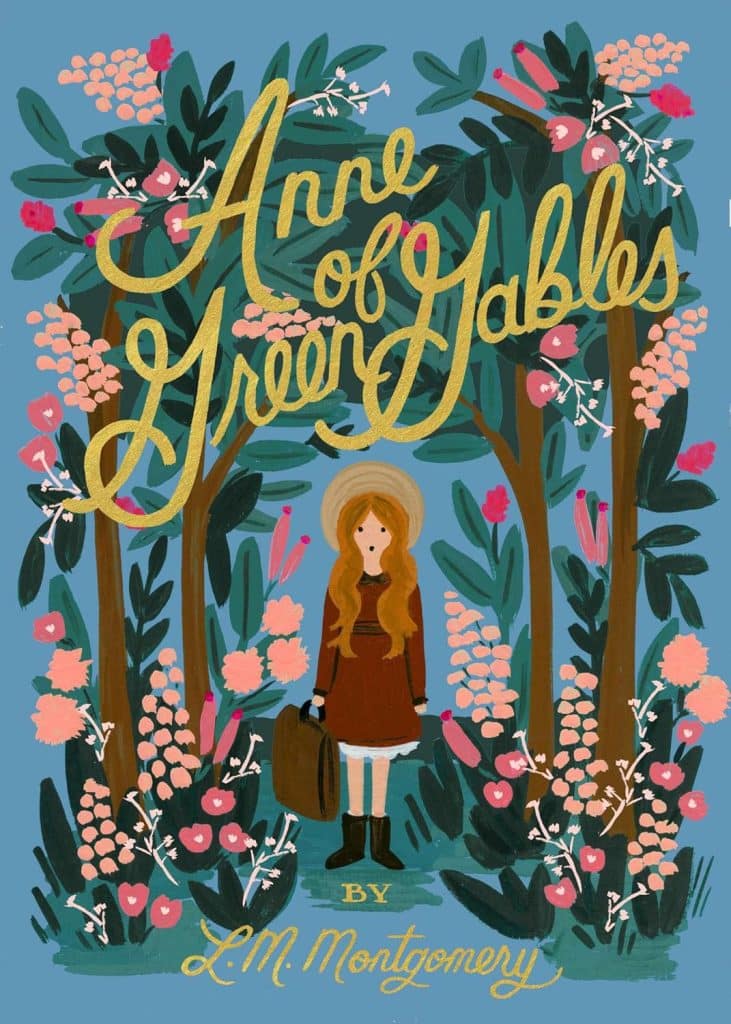
Anne of Green Gables (1908) may not share the setting of Spy x Family, but it certainly echoes the whimsical dynamic between Anya and her peers. If you’re a fan of Anya and Damian’s frenemy interactions, you’ll love the hard-earned friendship and budding romance between Anne and Gilbert.
The Apothecary Diaries
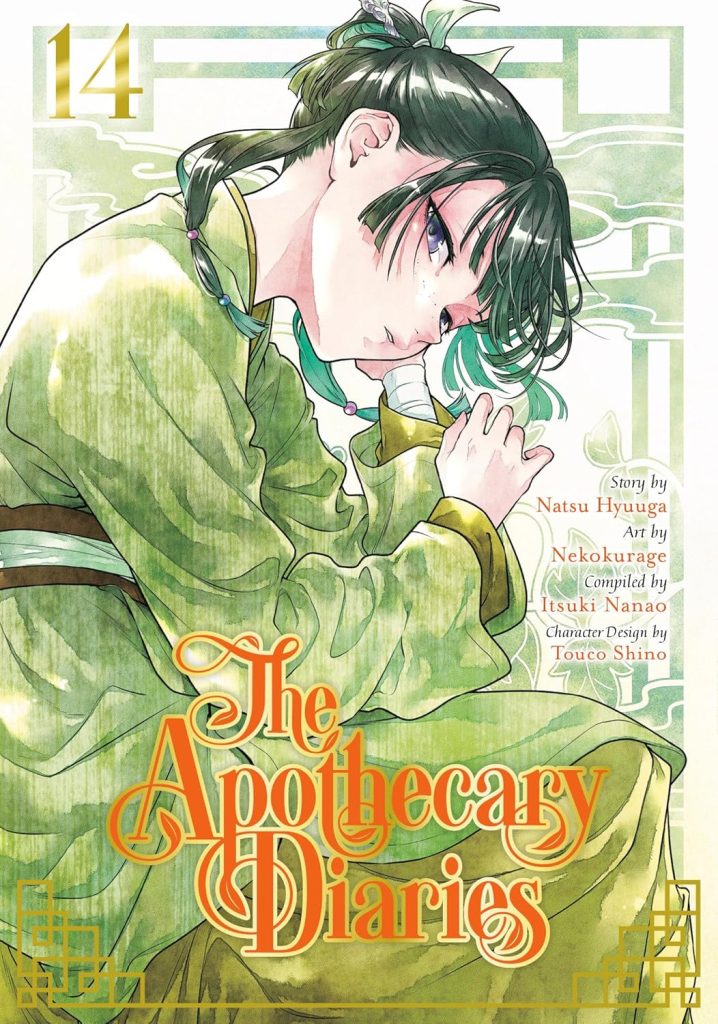
Want romance mixed with cutthroat politics? The Apothecary Diaries has got you covered. This new gen manga has captured fans worldwide with its intricate Tang-Ming dynasty-inspired court drama and its colorful cast. From our dry and witty protagonist Mao Mao to the multifaceted cast of the Imperial Palace, the character writing sets Hyuuga’s story apart.
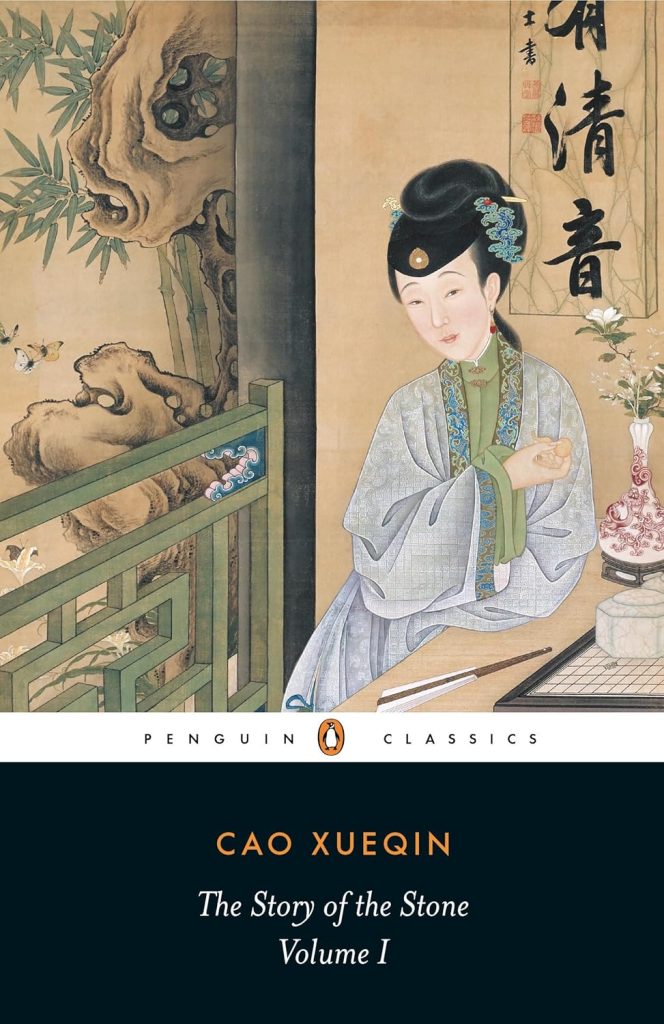
Falling in line with the depressing undercurrent of The Apothecary Diaries, Dream of the Red Chamber (1791) is a Chinese classic that dives deep into themes of love, power, and corruption. Following the slow deterioration of the Jia family, the text presents a world steeped in feudal fatalism and deadly rivalry. As the family network expands, our ensemble of female protagonists must contend with both supernatural and social evils.
Witch Hat Atelier
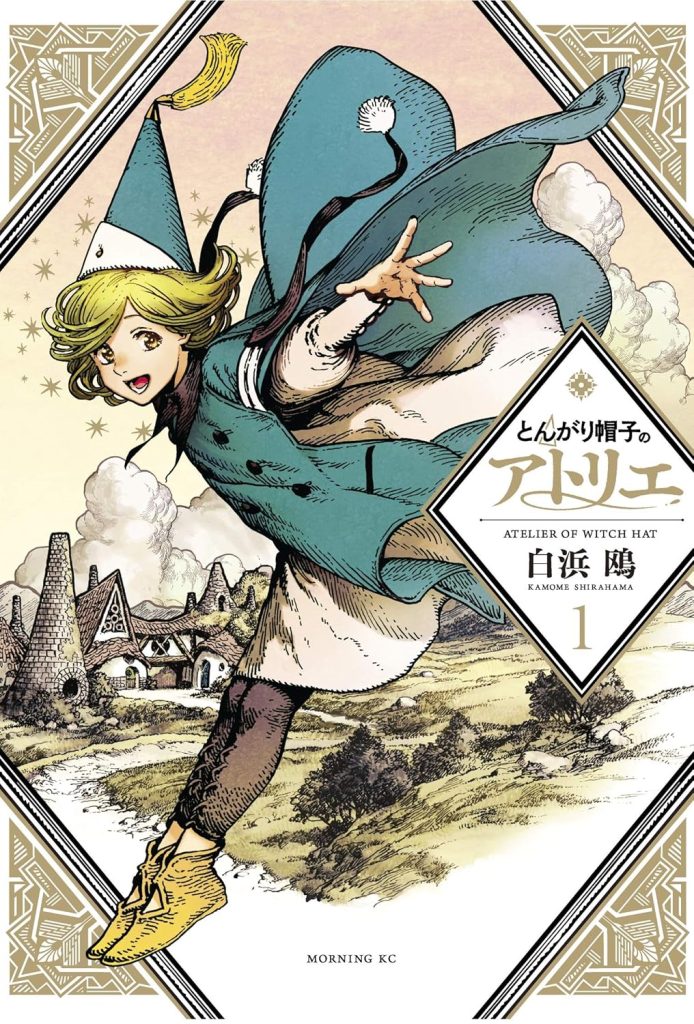
Switching gears a bit, let’s dive into the fantastical world of Witch Hat Atelier. With a European fairytale-like touch, this rising new gen manga fully captures the wonders of stepping into a new world. Aside from the manga’s subversive artistry, Shirahama has also proved herself a master of fantasy world-building. Luckily, the Western canon has no shortage of artistic and thematic equals.
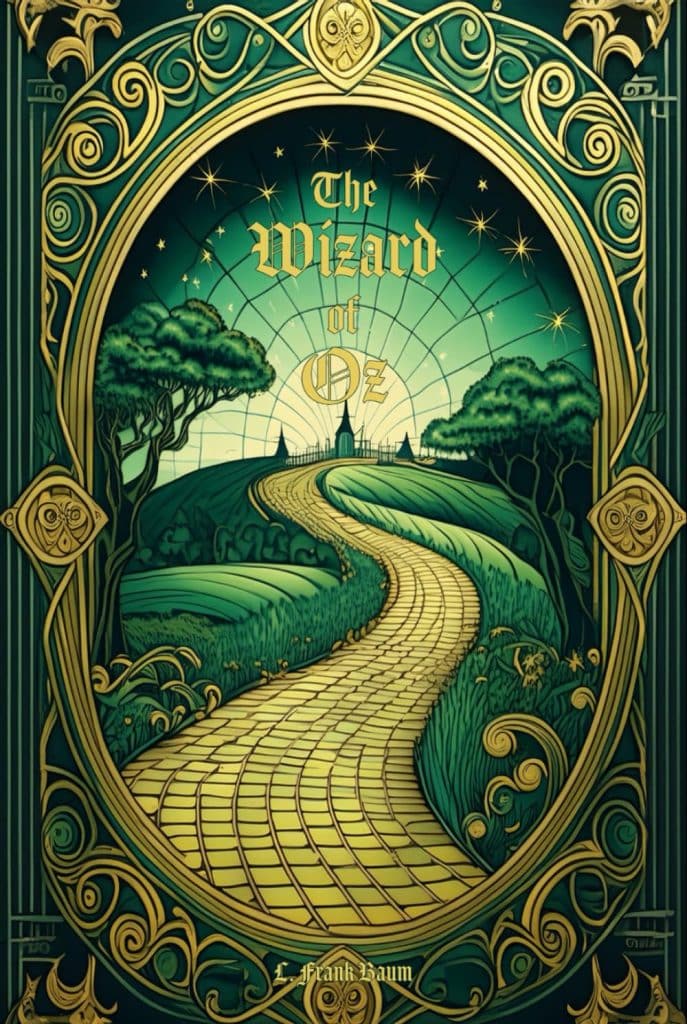
The Wonderful Wizard of Oz (1900), or simply The Wizard of Oz, is a childhood classic that follows Dorothy as she is whisked away to the land of Oz in a cyclone. You’ll find many similarities between Zozah Peninsula and Oz’s captivating casts, such as the shared elusiveness of Qifrey and the wizard of Oz. And given the heavier seinen themes explored by Shirahama (yes, it is a seinen), the novel’s subtle dark themes make it a wonderful literary companion.
The Summer Hikaru Died
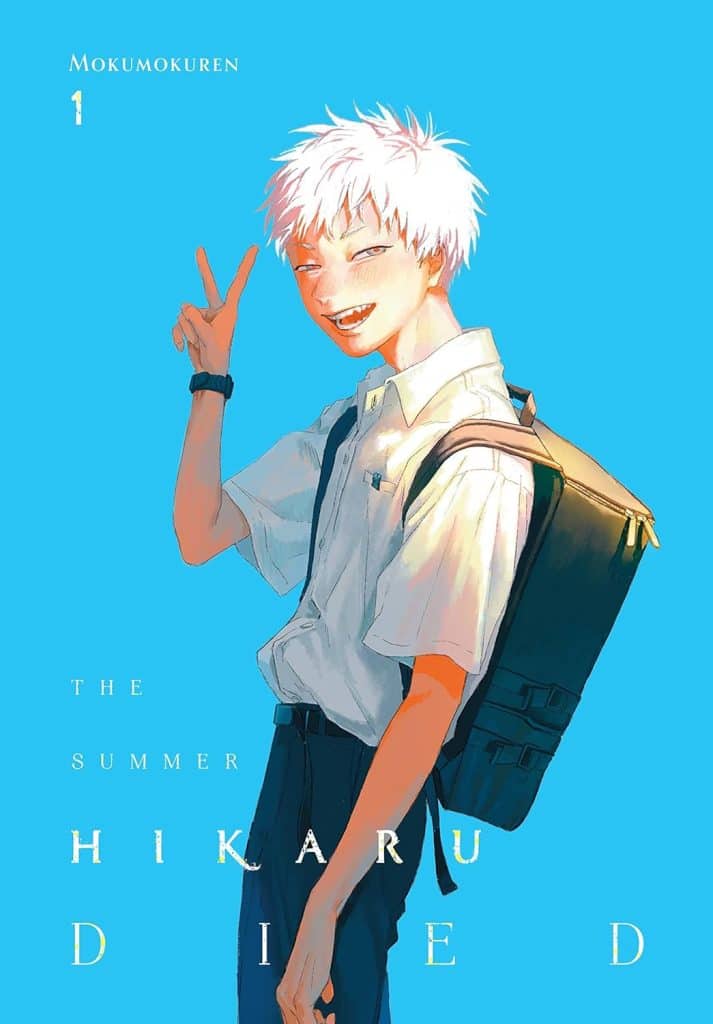
Want a switch-up in the romance department? Since its debut, The Summer Hikaru Died has steadily taken over the internet―and for good reason. The manga follows Yoshiki after he discovers that something deeply inhuman has taken over the corpse of his best friend, Hikaru―all while dealing with his repressed romantic feelings. With its combination of psychological and supernatural horror, one classic comes to mind as its immediate equal.
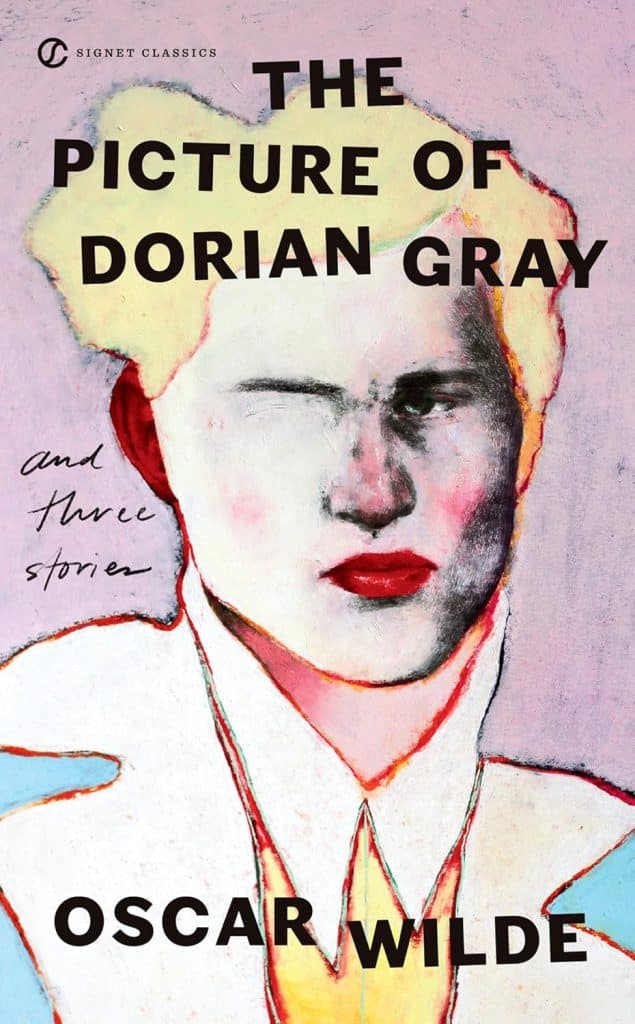
In Wilde’s scandalous career as a writer, The Picture of Dorian Gray (1890) remains perhaps his most acclaimed and controversial work. Considered a classic by modern scholars today, it was heavily censored and condemned during its initial release. If you’re intrigued by the blurred lines between beauty and corruption, as well as underlying homoerotic subtext, give this one a read.
Demon Slayer
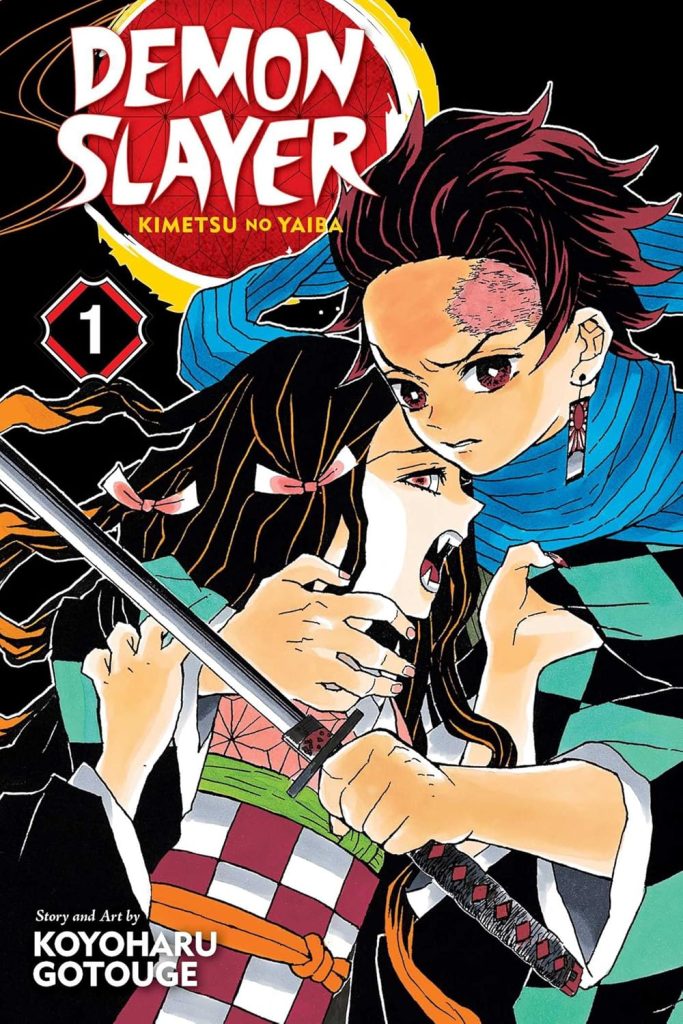
Demon Slayer‘s rapid growth has cemented it as one of the most popular manga series of all time. The story begins with Tanjiro setting out to find a cure for his sister Nezuko, who has been turned into a demon by Muzan Kibutsuji. With tear-jerking backstories and a lovable cast, here’s a literary equivalent packed with just as much character drama and action.
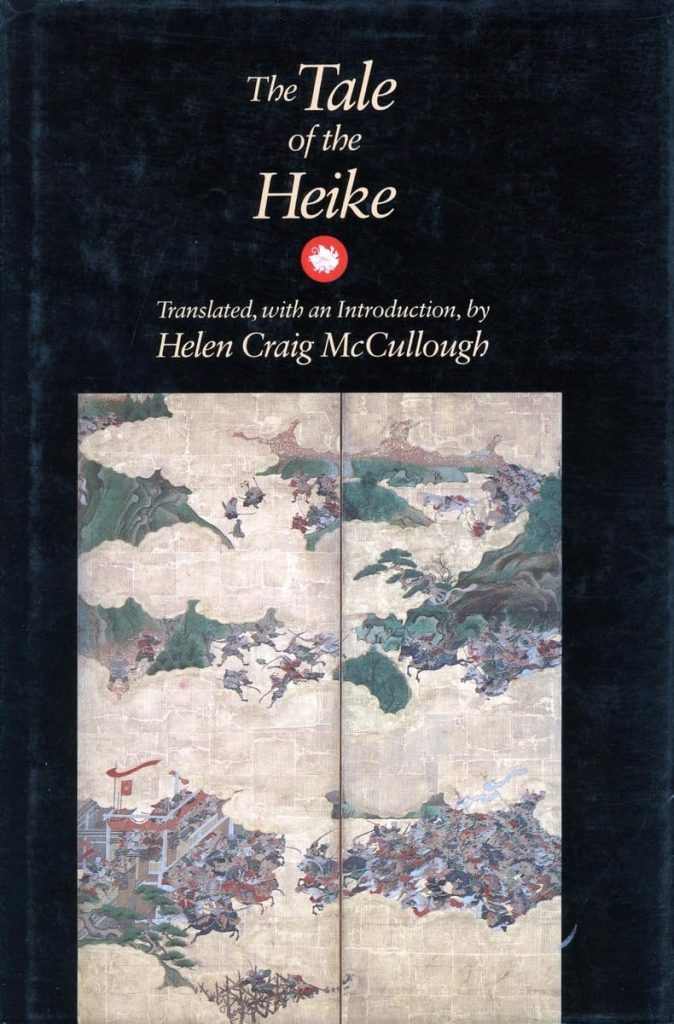
The Tale of the Heike (1371) is a historical epic following the bloody conflict between the Taira (Heike) clan and the Minamoto (Genji) clan. Although the story doesn’t feature bloodthirsty demons, it still includes a healthy dose of supernatural elements. If you’re a fan of how Gotouge subverts traditional Taisho-era settings, prepare to immerse yourself in the Genpei War’s breakdown of Heian-era conventions.
Jujutsu Kaisen
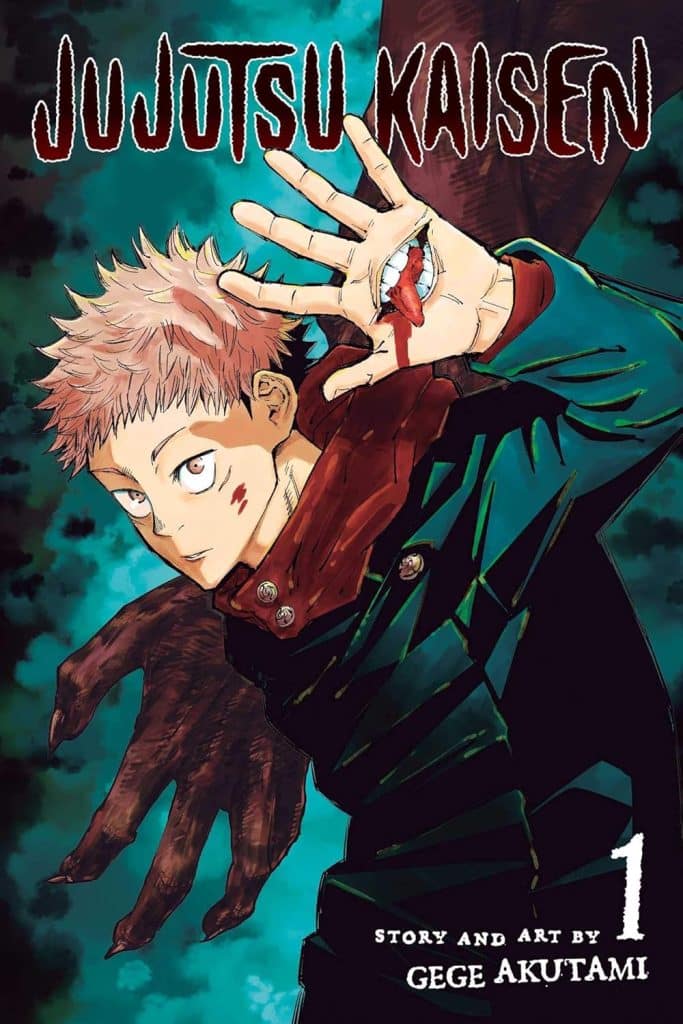
Jujutsu Kaisen is another new gen giant that’s worth a mention. The manga follows Yuji Itadori, who finds himself mixed up in Jujutsu society after consuming a finger from the King of Curses. With its gritty power system and heavily bureaucratic world, Jujutsu Kaisen is as much a social critique as it is a battle-hype mine. Although it’s hard to pinpoint a book counterpart, I’d like to pitch a not-so-contemporary equal.

At first glance, these two works are worlds apart. However, dig a bit deeper and you’ll find that both stories probe themes of friendship, brotherhood, and morality in a messed-up world. Furthermore, the characters’ efforts to reconcile human bonds and lofty ideology will surely remind you of Jujutsu Kaisen‘s famously turbulent relationships.
Dandadan
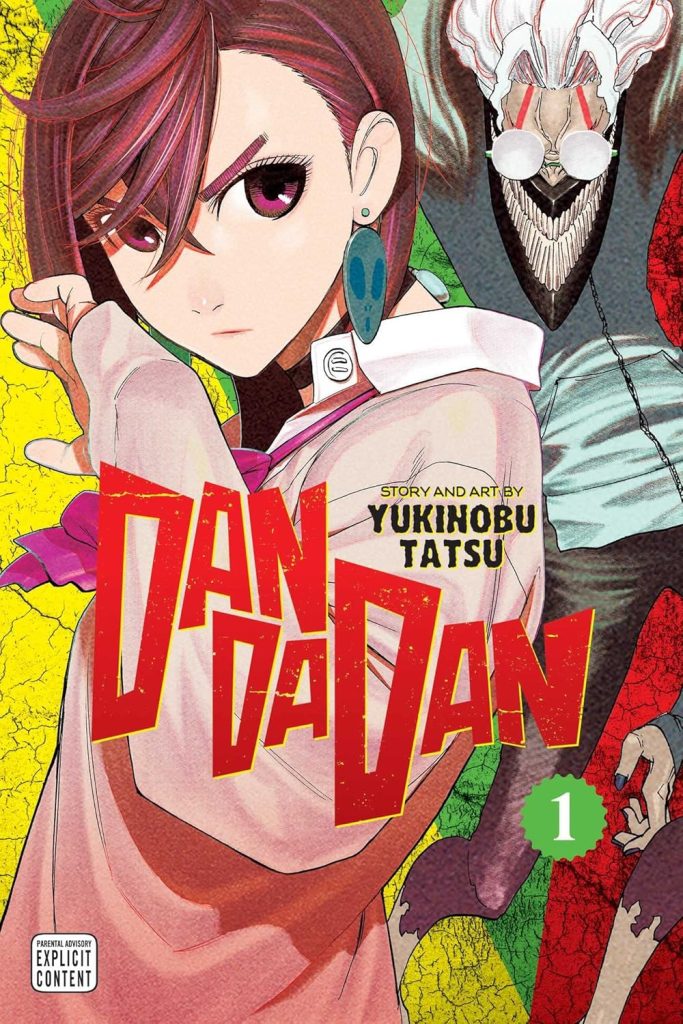
Here’s another manga that seamlessly mixes action and supernatural elements but with less grit and more comic absurdity. Dandadan is yet another a new gen star renowned for its flashy battles and quirky cast of characters. As they plunge into a world of complete chaos, Momo and Okarun not only learn to fight together but also genuinely connect.
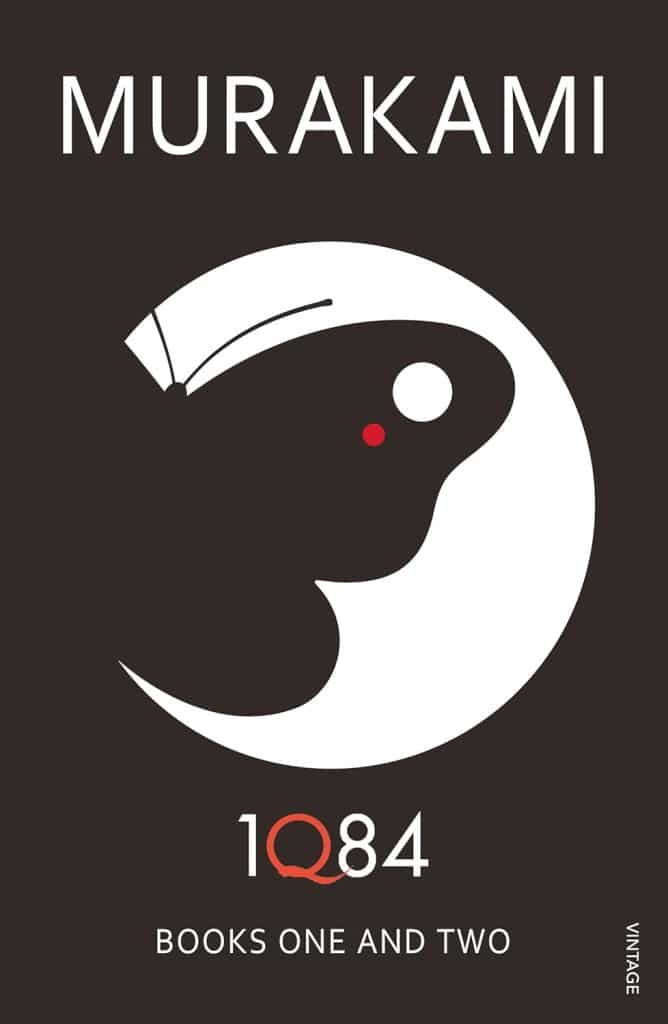
If there’s one work that captures the strange and colorful world of Dandadan, then it’s 1Q84 (2009) by Haruki Murakami. The story centers male-female pair, Tengo and Aomame, and their misadventures in 1Q84, a reality-bending parallel dimension. But be warned―Dandadan is known for tackling sexual subjects, and Murakami’s work is far more intense.
Chainsaw Man
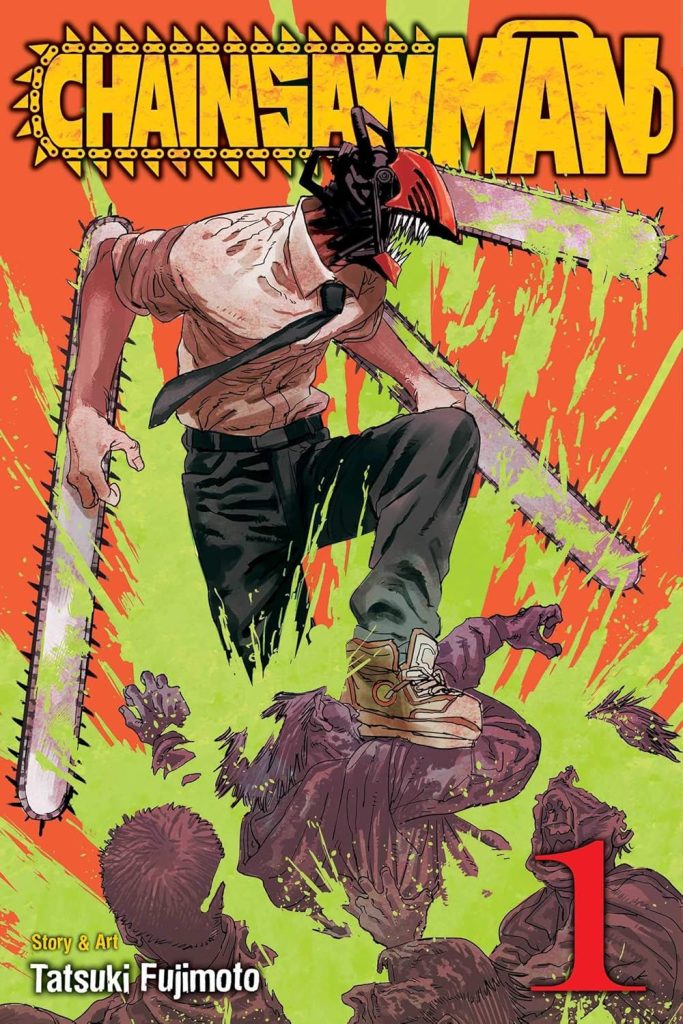
Since we’re on the topic of explicit stories, let’s look at Tatsuki Fujimoto’s Chainsaw Man. Known for its over-the-top action and absurd characters, Chainsaw Man dissects human desires in a completely unique way. Yet beneath the surface-level craziness, Fujimoto also investigates the question of what makes us human with cinematic nuance. If there’s a classic that represents both the manga’s raw chaos and gut-punch moments, it’s this one.
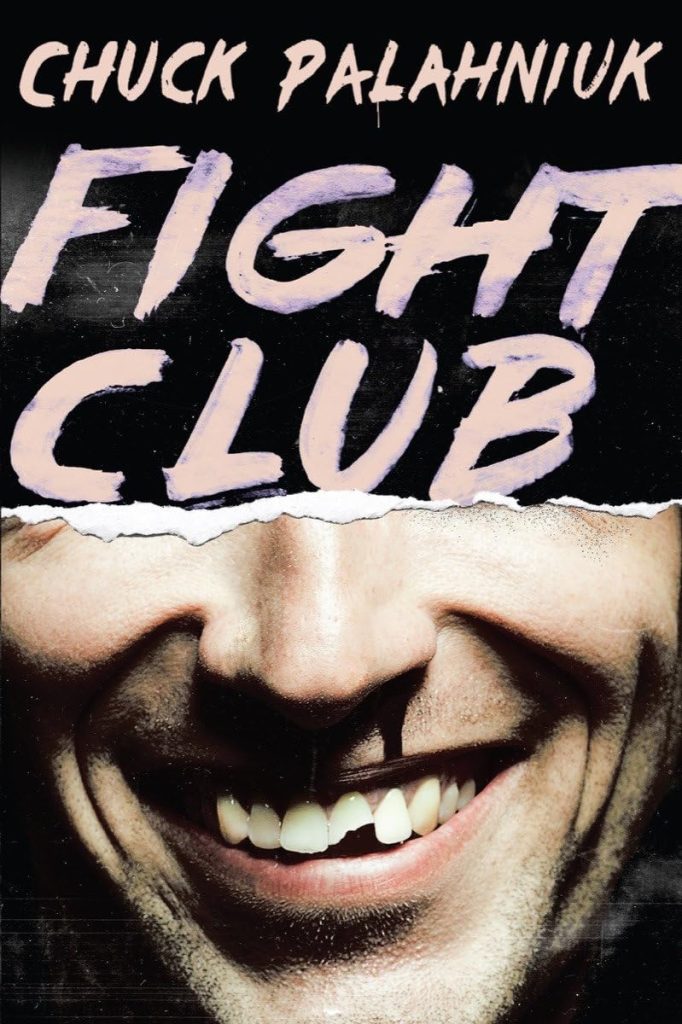
The American classic Fight Club (1996) is a satirical work with no shortage of absurdities. Following the narrator’s entanglements with the mysterious Tyler Durden, the novel examines the paradox of self-destruction as self-renewal. What makes the two works remarkably similar extends beyond dark humor and brutal fights to encompass characters facing the worst parts of themselves and ultimately learning to build meaningful connections in spite of it.
One Piece
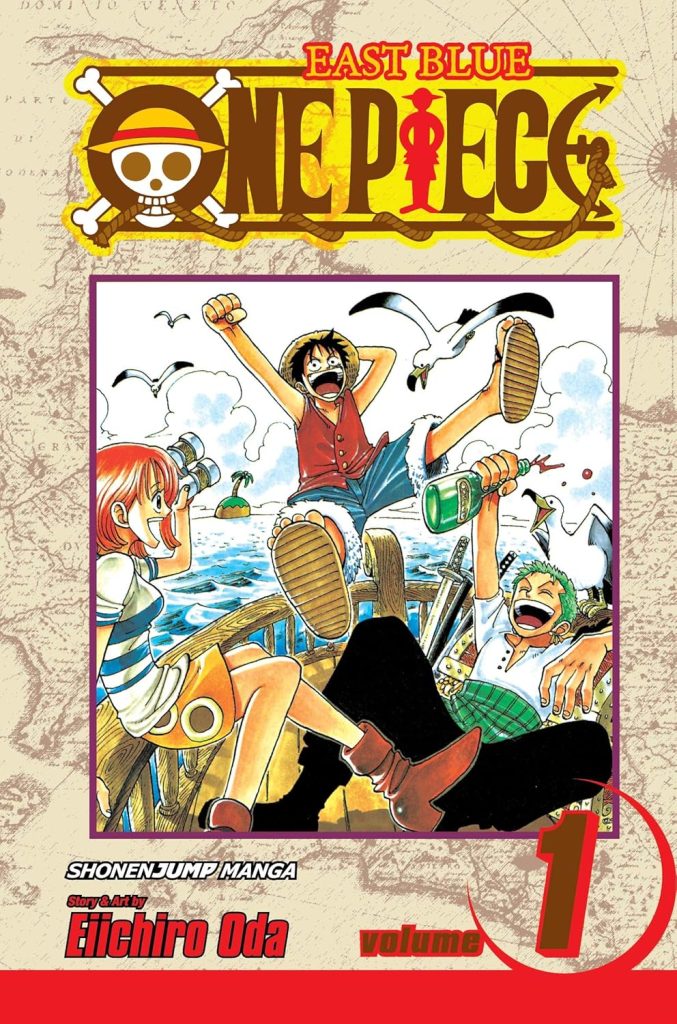
Although One Piece is not a new gen manga, its ongoing serialization continues to captivate modern readers. The One Piece flag, in particular, has become an international symbol of liberation. Look anywhere online, and you’ll find Gen Z protestors worldwide carrying the straw hat sign as they march through the streets. Overall, Luffy and the Straw Hats meet their classical equal in a work of Greek antiquity.
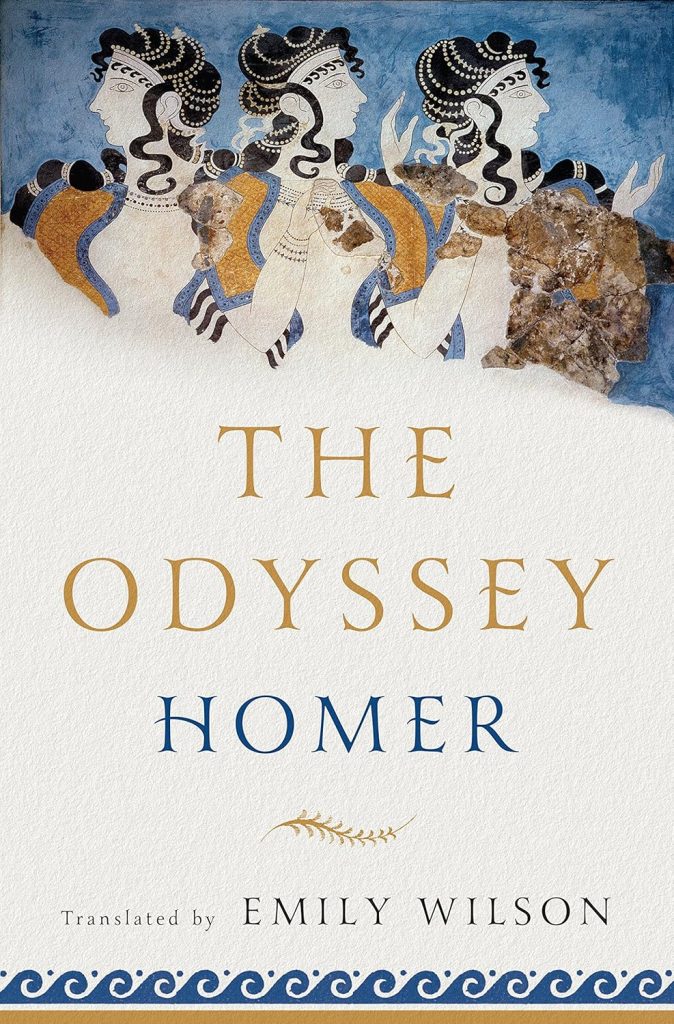
The Odyssey chronicles the turbulent sea journey of Odysseus as he struggles to find his way back home. Meanwhile, Odysseus’s family and kingdom are at risk of a hostile takeover by Penelope’s animalistic suitors. This Homeric epic tells grand tales of adventures, loyalty, and rebellion that mirror One Piece‘s monumental themes.
Attack on Titan
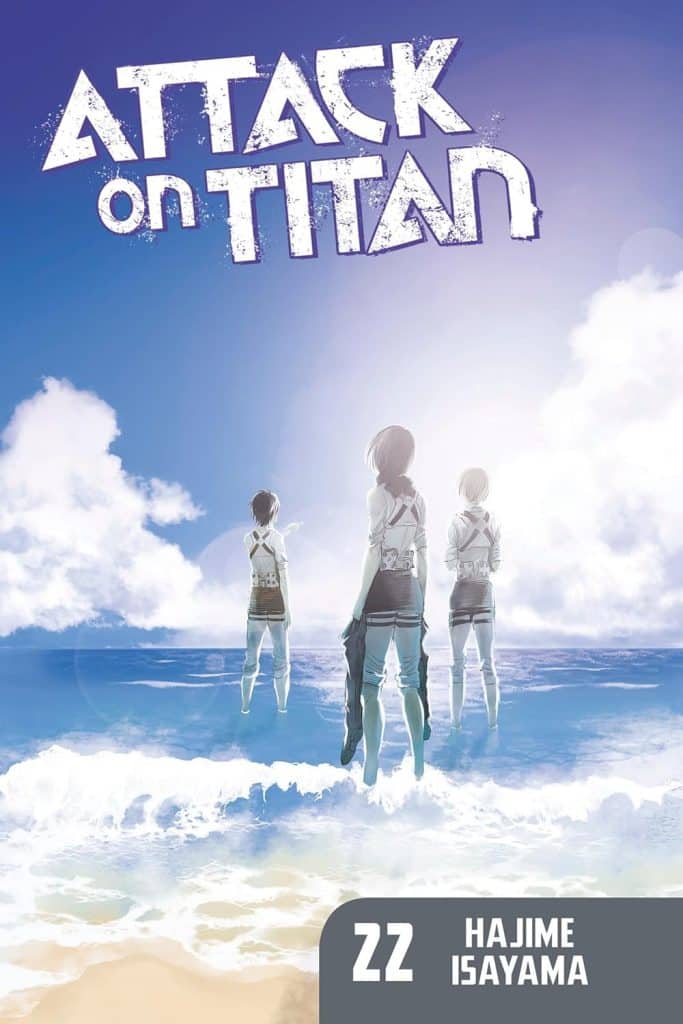
Turning to another generation-defining work, Attack on Titan is one titan of a story (pun intended). Starting with a simple fight-the-titans premise, the manga spirals into an intricate web of political intrigue, ideological conflicts, and crushing betrayals. Likewise, these classics will put you right into that mix of awe and oppressiveness Isayama has expertly crafted.
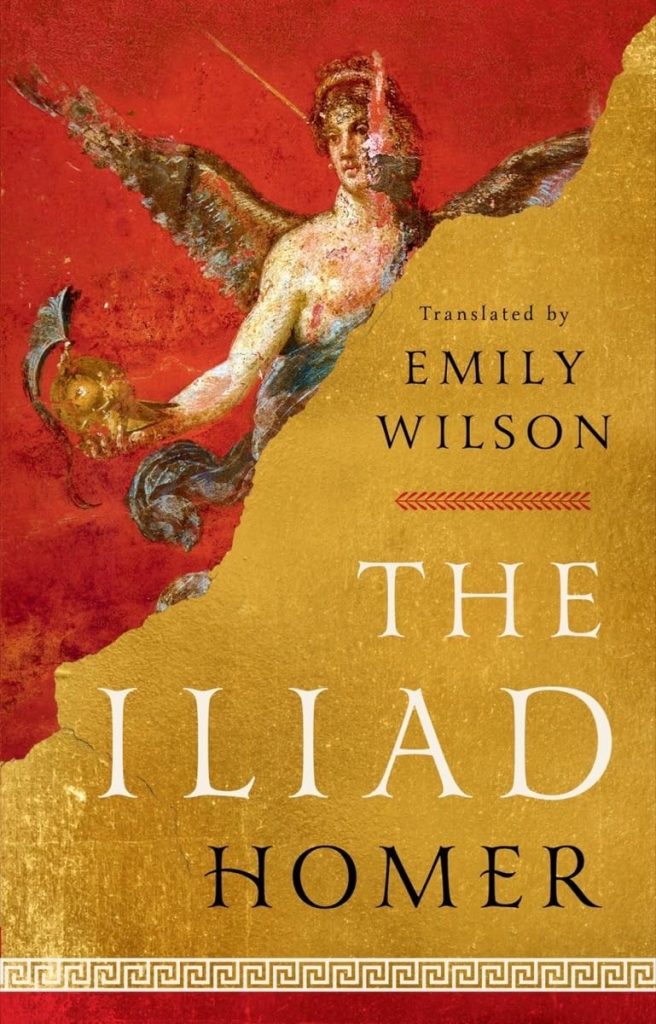
First up is The Iliad for its action-packed and mythology-dense world. Set toward the end of the Trojan War, the epic follows a large cast of heroes, villains, and victims whose roles morph and blur. Additionally, Homer’s incorporation of classical mythology bears a strong resemblance to the mythical layers of Isayama’s world. If you love Attack on Titan for the myth-based action, then add this one to your list.

If you’ve read until the very last arcs, this one is for you. Without spoiling anything, just know that both works leave you, frankly, in misery. Where Attack on Titan‘s ending is somewhat speculative in scope, All Quiet on the Western Front (1928) provides a more grounded conclusion. Ultimately, however, the two works ask you to re-evaluate the cyclical nature of war and human violence.
Ending Note
There are countless other stellar works of manga and literature that have not yet been mentioned. But hopefully this gets you thinking about the similarities between not-so-similar genres and mediums. I’d be here all year if I tried to craft a complete list, so I’ll open the floor for discussion.
Consider other match-ups and why they resonate. You’d be surprised by the sheer number of parallels you can draw.