


From sneaking into London clubs at sixteen to finding comfort in community, Em reflects on how queer spaces and their own identity have transformed over the past 25 years.
Em Conti is a passionate activist and enthusiastic clubgoer within the queer scene. Since the age of sixteen, they have immersed themselves in London’s vibrant nightlife, attending events and supporting spaces that celebrate queer expression and creativity.
Now an established part of the community, Em continues to relish in the sense of belonging, pride, and solidarity found within these spaces, championing inclusivity and visibility for all queer identities.
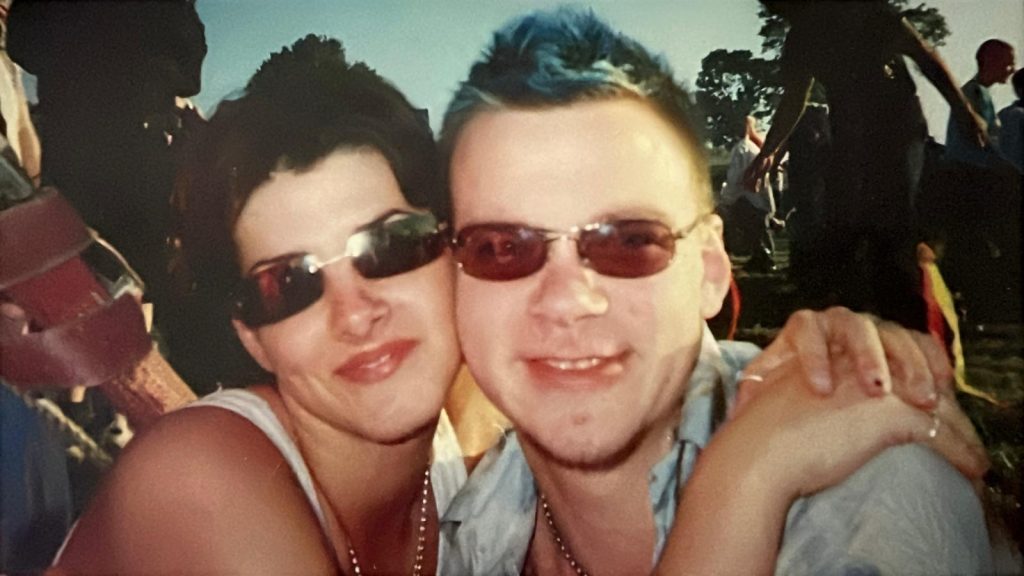
“We both came out at the same time” — teenage rebellion and the first taste of freedom
“I was very lucky to have a friend that was also queer and we both came out at the same time.”
Em was pleased to find that their friend was on the same discovery journey as them. They eagerly embraced the opportunity to experience London’s buzzing and diverse nightlife.
Despite being only sixteen, Em boldly blagged their way into the city’s gay hotspot club. This didn’t disappoint, as Em wasted no time in finding a partner that very night.
However, despite loving the scene at their young age, there were some hostile moments within the lesbian scene. They occasionally encountered judgment and cliques that made it difficult to feel fully accepted.
Moreover, these challenges only deepened Em’s determination to carve out space for authenticity, connection, and inclusivity within the queer community.
“I found that a lot of the lesbian bars, I found it very confronting and a lot of people were confrontational”
Em remembers going to a lesbian club for the first time with their girlfriend. They recall someone wanting to start an argument with them soon after coming into the club.
“It was so gendered back then” — when queer nights had rules
Em reflected on how the scene seemed divided back then, with boys and girls segregated into separate groups.

Em remembers feeling more at ease in the company of gay men. They felt better in these spaces than in the spaces that were meant for them.
“I found hanging out with the boys more comforting.”
Looking back now, that sense of comfort feels like an early clue to who they truly were.
“Now that I identify as non-binary and genderqueer, that probably was the start of that — I just hadn’t quite realised it yet.”
“Now it’s just brilliant” — from club nights to pottery nights
Queer spaces now are a lot more inclusive, welcoming all genders and sexualities. The scene has opened up into more community hobbies such as knitting clubs, yoga mornings, pottery, hiking clubs, and all things queer joy.
“There is now a real acknowledgment in the community for disabilities such as accessible disabilities like neurodiversity.”
Furthermore, it’s a far cry from what they remember of the past:
“Twenty-five years ago it was either take drugs and go clubbing, or don’t hang out in the queer community really.”
“It still felt quite underground” — the shame that kept us apart
Em reflects on the early days of the queer scene.
“I guess it was partly shame still.”
That sense of shame lingered not just outside the community, but within it too.
“There was a lot of internalised homophobia — all the jokes we used to have were just taking the piss out of being gay.”
Slurs and self-deprecating humour became normalised, a way of surviving in a culture that already mocked you.
“On one level we were trying to reclaim it, but part of it was just what was being said all the time. We’d use it without realising the impact it could have.”
Even as people grew more confident in their sexuality, there were still unspoken rules. In the lesbian community, having a partner often meant disappearing from the scene altogether.
“With the lesbian culture, once you found your girlfriend you were off and out of the scene.”
The result was a space that could feel strangely isolating. It was a community divided by its own expectations when it should have been bringing people together.
“Lockdown was the catalyst” — realising who you’ve always been
“I always wanted to be a boy when I was younger, but the narrative on screen, especially around female-to-male transitions was all negative.”
Growing up with limited representation, they carried that uncertainty for years.
“Since lockdown, I feel like I had been hiding a big part of who I was.”
When asked why lockdown had such an impact:
“For me, it gave me time to reflect and ask what I want. The two main things that came up were my own identity and the need for connection — more than just a single relationship.”
That period of stillness became a turning point. It pushed them to explore new parts of themself and the wider queer community.
After lockdown, Em began engaging more with the kink scene. It is a space that, for many, has become another form of queer expression, freedom, and connection.
“It’s easier to blame them than the billionaires” — living queer in a populist world
Queer people today are still taking the hits, but are being louder with the inequality.
“I don’t think the scene is going backwards — I think culturally this populist movement that’s happening globally means queer and trans people are being targeted more, because it’s easier to blame them than the billionaires.”
Across politics, media, and online spaces, queer and trans identities are often used as cultural scapegoats. They are the easiest headlines for a society unwilling to confront deeper systemic issues. Yet, while the backlash grows louder, so do queer voices.
“It’s definitely become more authentic” — from The L Word to TikTok queers
When Em first came out, authentic queer representation was almost impossible to find.
“There would be the odd show like The L Word and Queer as Folk and we loved it — it became a reference point.”
Those shows were lifelines; the characters were messy, glamorous, and sometimes problematic, but they were visible — and that mattered.
Still, the portrayals were often limited to stereotypes or white, cisgender experiences. These didn’t reflect the full reality of queer life.
“It’s definitely become more authentic.”
From TikTok creators documenting their transitions to mainstream series weaving queer storylines naturally into everyday plots. Queer identity is no longer a standalone “theme.”
“It gave me time to reflect” — finding connection beyond the club
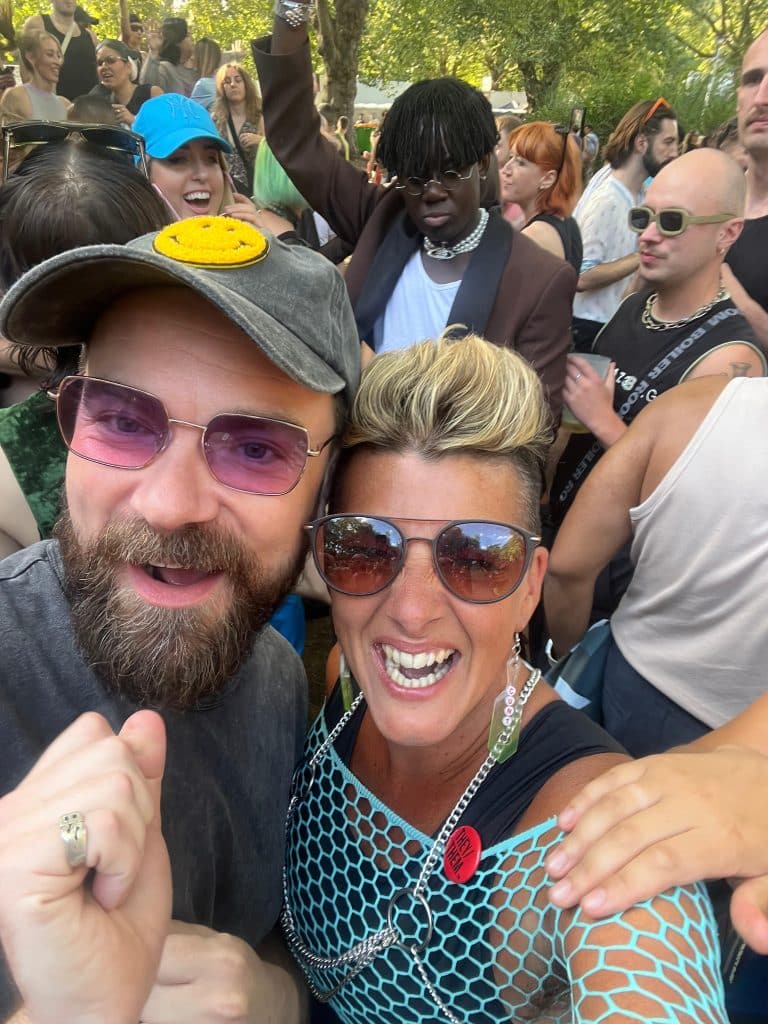
Lockdown forced a pause that Em didn’t know they needed.
“For me, it gave me time to reflect and ask what I want. The two main things that came up were my own identity and the need for connection, more than just a single relationship.”
After years spent moving through clubs and chaos, slowing down made space for something else: genuine connection and self-understanding.
“Community is just as important as a relationship” — a love letter to younger queers
Now, Em sees community differently, not just as somewhere to go out, but as something to hold onto.
“Community is just as important as a relationship and to not lose that when you go into relationships.”
It’s a quiet reminder that queer spaces have always been about more than nightlife. They’re where people find each other and where they keep showing up.












Ness
November 21, 2025 at 12:16 am
Well written Jess. Keep pushing! You have GOT this.