
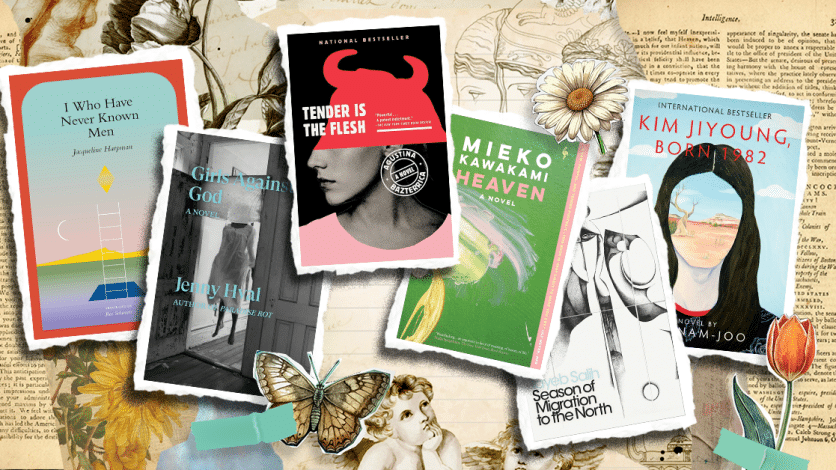
As readers, we want to be absorbed into worlds and characters that offer new and exciting perspectives. What better way to do that than by reading translated books?
Our time on Earth is tumultuous: filled with war, poverty, societal judgement, and more. Translated fiction is a great way to bring a new perspective to an area that you may have never reflected on before.
These 6 books serve as a gateway into the cultures and lifestyles of a variety of foreign countries. Translated books deserve recognition, as they are rarely recommended. In a world that feels increasingly more disconnected, we need to start bringing translated works to the forefront of our attention.
Not all of these books are centered in their respective country. However, through the author’s voice, readers can gain insight into cultural concerns and character perspectives that derive from a certain country. The translated books span from the realistic to the absurd and horrific—meaning that there is bound to be a book in here for you.
Be sure to check trigger warnings before reading, as some books can get pretty dark!
1) I Who Have Never Known Men by Jacqueline Harpman
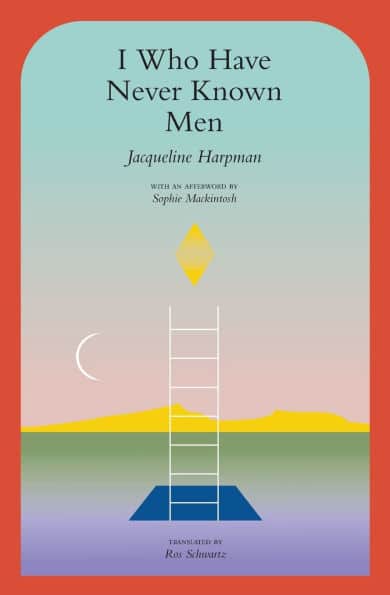
Set in a post-apocalyptic world, I Who Have Never Known Men focuses on a group of women imprisoned by a group of men. The narrator is the youngest among them and is eerily unaware of the world outside of the prison. This unnamed character starts the book as a hauntingly obedient protagonist until she begins to question their isolation—and why it only happens to women.
If you’ve been on BookTok, this might be a familiar title. Although it is arguably the most popular book on the list, most people remain unaware of the author’s background. Harpman was a Jewish girl born in Belgium who fled her own country during the height of WWII. This book subconsciously mirrors the isolation, confusion, and ever-present danger that she experienced.
For readers interested in science fiction that delves into themes of warfare, misogyny, and friendship, this book is a must-read.

2) Girls Against God by Jenny Hval

A culmination of surrealist fiction and experimental horror, Girls Against God bends cultural norms in a Christian society. The story centers on a young female artist living in conservative ’90s Norway as she interacts with witches, heavy metal music, and a time-traveling Edvard Munch. The tale reads more like poetry, blending realistic scenes with moments of high surrealism and horror.
It’s for readers who don’t need a plot; just vibes. Its aura is dark, as artistic characters struggle with their place in a conservative society. Need a break from your typical literary fiction? Try Hval’s latest novel, which screams nonconformity in a world wrought of orthodoxy.
3) Tender is the Flesh by Agustina Bazterrica
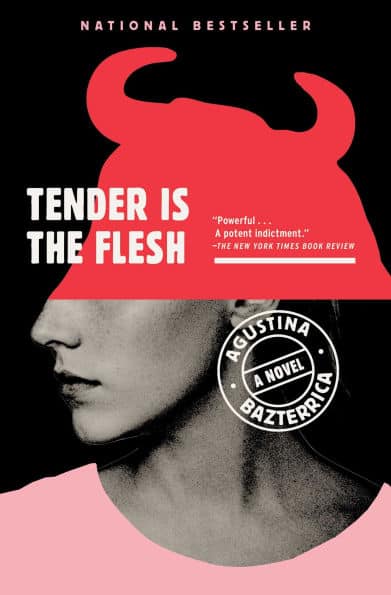
Sticking with the horror vibes, Bazterrica’s Tender is the Flesh follows the main character Marcos, as he navigates a post-apocalyptic world. Humans, having lost all livestock to a disease, have replaced meat with other humans labeled as “special meat.” This book is a grotesque look at capitalism and dehumanization within society.
Bazterrica has a special interest in cooking and the use of meat. Before writing the novel, the now-vegetarian Bazterrica reflected on the lack of care given to livestock within her own country, as well as humanity’s willingness to ignore others who are suffering. As she states in her Irish Times article:
“Despite the fact that I actually am a vegetarian, meat is also part of my identity and I am part of a society that eats meat and unflinchingly accepts animal cruelty with the same brutal indifference shown towards vulnerable groups such as the poor, indigenous populations and women.”
—Agustina Bazterrica
Paralleling Bazterrica’s meditations on violence, Marcos progresses in the story by questioning himself and the business of demeaning fellow humans. The book pushes our boundaries, forcing us to contemplate the meat industry and how quickly people dehumanize others based on their perceived “needs.”
4) Heaven by Mieko Kawakami
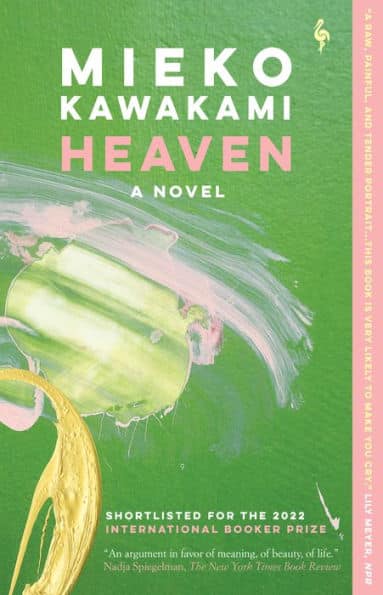
Okay, let’s take a break from the horror. Vastly different from the last few books, Kawakami’s Heaven is a heartbreaking tale of friendship, individuality, and trauma in the face of discrimination. The main character is an unnamed 14-year-old who deals with a lazy eye and bullying. After befriending Kojima, a girl who typically dons oversized, dirty clothing, the protagonist discovers the beauty in “being different.”
The two characters continually argue over the advantages and disadvantages of fitting in or standing out. In this deeply philosophical read, Kawakami urges readers to reconsider the idea of difference in a monocultural society.
5) Season of Migration to the North by Tayeb Salih
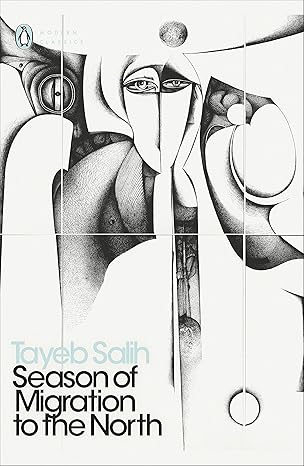
The oldest book of the bunch, Salih’s Season of the Migration to the North, examines life in a postcolonial Sudan. The narrator returns to his village along the Nile after years of studying in Europe. In the process, he notices the differences and similarities across cultures and the slow progress being made in his own village, even as white people strive to maintain power.
He eventually meets another man, Mustafa Sa’eed, who also traveled in Europe. The two discuss the differences in cultures and the changes made in postcolonial Sudan, until his new friend disappears. The narrator struggles with readjusting to his home and the mystery of losing his new friend.
The book investigates Sudanese culture as the narrator makes sense of his relationship to Europe, his village, and Mustafa.
6) Kim Jiyoung, Born 1982 by Cho Nam-Joo
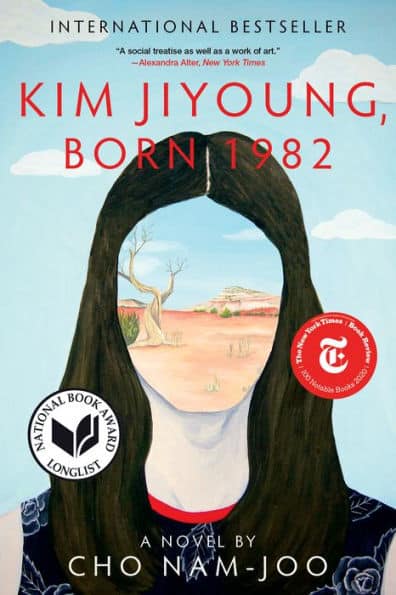
Last but not least is Cho Nam-Joo’s Kim Jiyoung, Born 1982, a quiet, disheartening look at misogyny within South Korea. Jiyoung is a 30-year-old woman who quit her job to take care of her child after giving birth. As she wrestles with a mixture of postpartum psychosis and trauma from the discrimination she’s endured, Jiyoung compares herself to others and her past self.
The book demonstrates how the forces of gender inequality impact every aspect of her life. Jiyoung recounts her story to a psychiatrist, exposing the injustices thrust upon her from her childhood all the way to the present, which have fed her growing psychosis. Looking for a book with bite and realism? This one is a must-read for sure.
The value in translated fiction is insurmountable!
There are valuable echoes of the author’s country of origin and writing style within translated fiction. Whether by rendering the strong backbone of a country’s distinctive society or by expanding into more surrealist and extreme subject matter, these books hold a mirror to the language and country they were originally written in, and they deserve to be read all around the world.