


Sudan’s civil war is the deadliest active conflict on the planet – yet the world is barely watching. What began as a feud between two former allies has spiraled into a spree of mass killings, famine, and displacement on a staggering scale. Tens of thousands are dead, millions more are starving, and entire communities have been erased. But Western media remains largely silent. Why? Between Sudan’s war on journalism and its lack of strategic value, the deadliest humanitarian crisis of our time is unfolding in near-total obscurity.
A nation divided
At the heart of the current crisis in Sudan is a feud between two men who once shared power. After successfully deposing Dictator Omar al-Bashir in 2019, two allies became rivals, igniting a war in pursuit of sole power over the country.
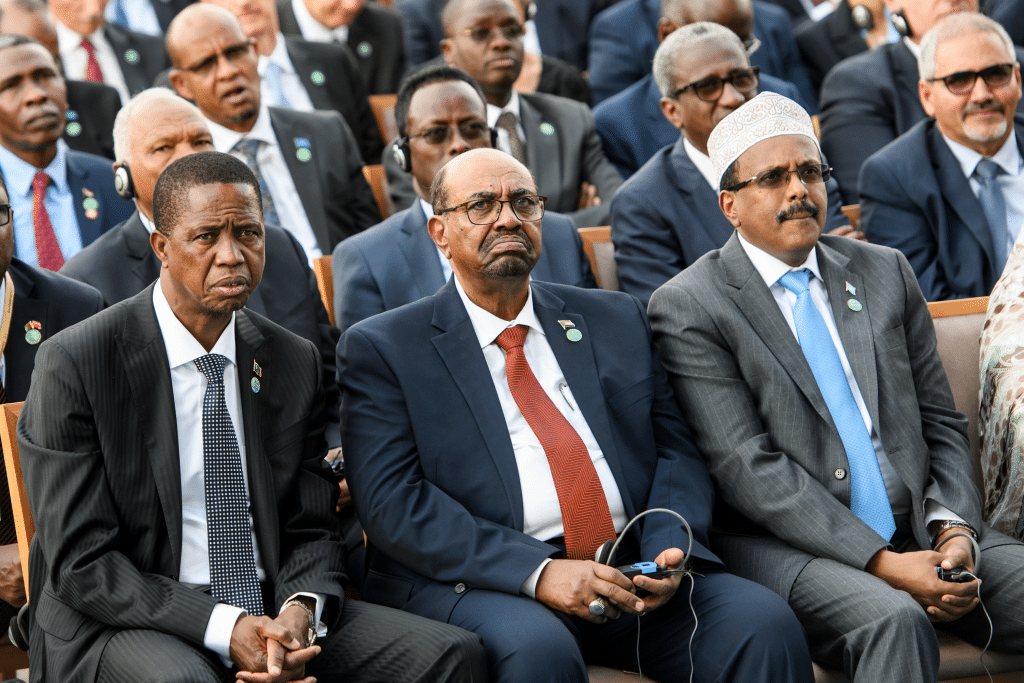
On one side stands General Abdel Fattah al-Burhan. Currently serving as Sudan’s de facto president, al-Burhan is the national military commander of the Sudanese Armed Forces (SAF).
Opposite him is Mohamed Hamden Dagalo, also known as Hemedti, and leader of the Rapid Support Forces (RSF). The RSF is the successor group of the Janjaweed militia, the personal army of al-Bashir, formed in 2003. Comprised of nomadic Arab fighters from outside Khartoum, the RSF is infamous for its repeated genocide of non-Arab minorities in the Darfur, Blue Nile, and Kordofan regions of Sudan during the early 2000s.
In fact, it was those atrocities that paved the way for South Sudan’s eventual secession in 2011. The loss of the oil-rich south plunged Sudan into an economic crisis, leading to nationwide protests against al-Bashir’s regime throughout the 2010s.
In 2019, Hemedti and al-Burhan seized the moment to carry out a military coup against the unpopular dictator. They installed a civilian government initially, but when it faltered two years later, the men staged another coup and claimed power for themselves.
But shared power rarely lasts.
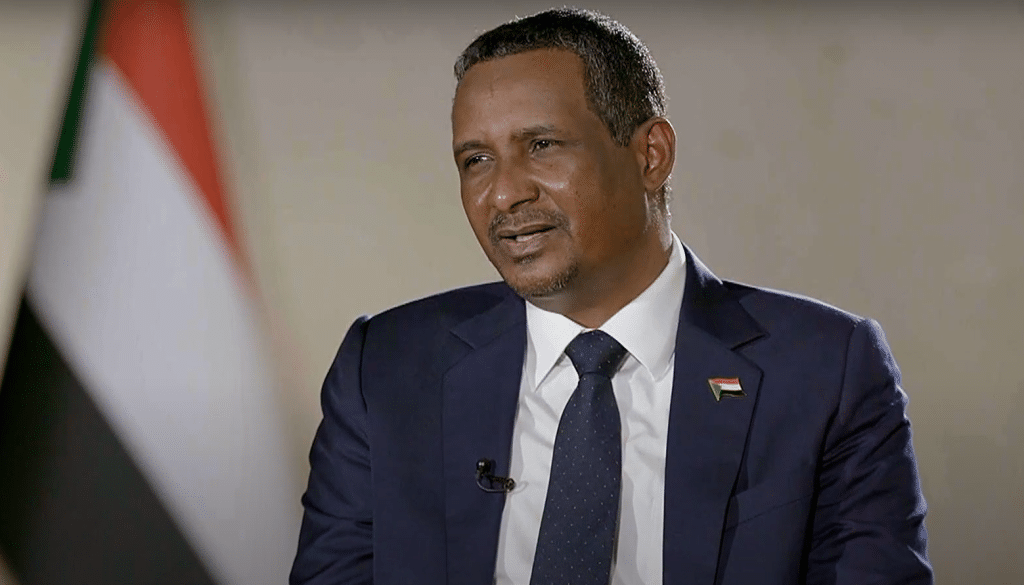
Disputes soon emerged over military organization, state leadership, and control of Sudan’s economic resources. In April 2023, those tensions ignited into war, and the deadliest conflict of the decade was underway.

The decade’s deadliest conflict
Sudan’s war has become a landscape of horror, with both factions committing atrocities against soldiers and civilians alike. With the weaponization of famine, sexual violence, and chemical weapons, Sudan has become the deadliest humanitarian crisis of the decade.
At the war’s break, the RSF immediately embarked on a campaign of ethnic cleansing against non-Arab minorities in the south. The international community has already declared it another genocide. Soldiers sweep through villages, loot and burn homes, and murder anyone left behind, often recording and posting their executions online.
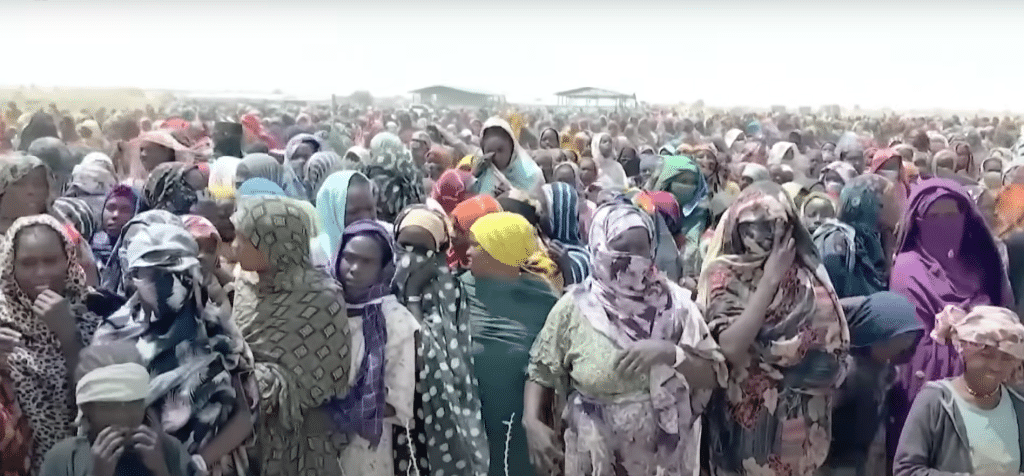
During these raids, women and girls are subjected to gruesome acts of sexual violence. At the same time, Amnesty International’s report on the subject has only produced a rough estimate for each; multiple thousands have likely been abducted and forced into sex slavery, domestic servitude, and child marriage. Thousands more have been raped.
Hunger is equally weaponized.
RSF Fighters are looting multiple thousands of tons of food from UN storage sites, simultaneously laying siege to villages until civilians surrender or starve. Over 24.6 million people now face acute malnourishment and famine.
But the SAF has committed war crimes of its own. In April 2025, the U.S. State Department confirmed that the SAF used the chemical weapon chloropicrin gas on two occasions in RSF-held areas of North Darfur and Khartoum. Survivors were left blind, vomiting, and suffocating.
The numbers to date are staggering: between 20,000 and 150,000 dead from disease or murder, 12 million people displaced, 24.6 million starving, and thousands of cases of sexual violence.
Yet, despite this scale of suffering, the war remains largely absent from Western news cycles.
Sudan’s war on media
At the current moment, the de facto government in Sudan is undertaking a massive war on both domestic and international media. As a result, live reporting and data collection have become a near-impossible task.
In the early months of the war, journalists began experiencing harassment, threats, and intimidation tactics while operating in the country. Some networks, such as Al Arabiya, Al Hadath, and Sky News Arabia, were barred entirely from working in Sudan. The SAF government cited security concerns and “misleading reporting” as the reason behind the ban.
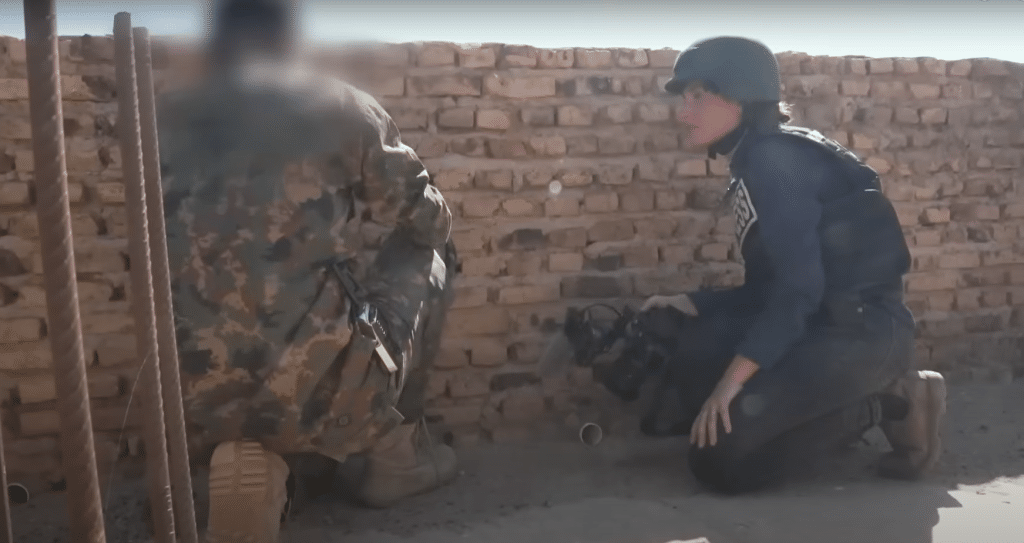
Domestically, local newsrooms have been looted, burned, or seized by both factions. Internet access in RSF-controlled regions has been cut, and journalists live under a constant threat of violence. Many domestic reporters have been forced to flee, continuing their work from neighboring countries under dangerous and uncertain conditions.
International organizations face similar repression.
The Red Cross, UNHCR, and World Food Programme have all evacuated staff or halted operations after repeated attacks on frontline workers. The loss of these on-the-ground observers has left entire communities isolated and further unable to tell their stories.
With reporting nearly impossible, the international public is left largely in the dark. Most coverage now comes from refugee testimonies or Sudanese journalists reporting from exile, creating a fragmented picture of a war whose true scale remains relatively obscured.
Sudan and western indifference
However, the suppression of the media is only part of the story. The underlying truth is that the Sudan crisis is not of particular interest to the West.
Unlike Ukraine or Gaza, Sudan offers no major investments to protect, no alliances to defend, and no groups to apply domestic pressure. Neither the SAF nor the RSF poses a threat to U.S. military bases on the Horn of Africa, trade routes in the Red Sea, or allies in the Middle East.
Economically, Sudan is peripheral. Their primary exports almost entirely flow to the United Arab Emirates – not the West. In 2024, the UAE accounted for 53% of Sudan’s total exports ($1.6 billion). Conversely, the United States’ imports from Sudan amounted to only $13.1 million. Sudan is also not home to any major American or European corporations.
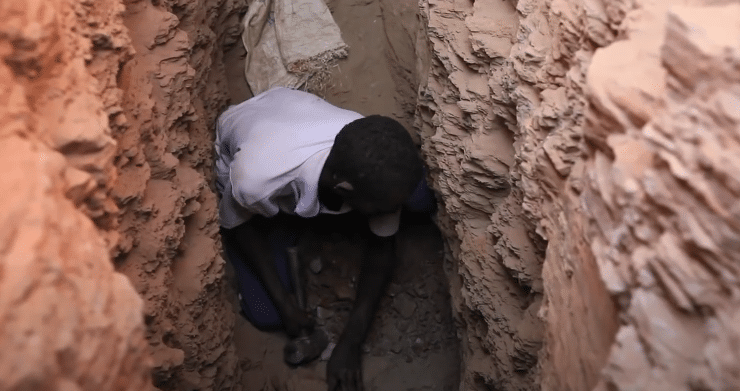
Allies matter, too. While Ukraine borders NATO states and Israel is a cornerstone of U.S. foreign policy, Sudan’s ties to Gulf nations and Russia further limit Western incentive to intervene. The countries absorbing Sudanese refugees, such as Chad, South Sudan, and Kenya, carry little leverage in Washington or Brussels.
Public pressure is minimal as well. Fewer than 50,000 Sudanese immigrants live in the United States, a small community compared to diasporas from Ukraine, Syria, or Palestine. Concentrated in a handful of cities, they lack the lobbying networks to elevate Sudan’s war to the national stage. Without a vocal diaspora or strategic stakes, Sudan is left to suffer in silence.
What’s next?
Since the war began, the international community has done little to stop the violence. Global organizations are now abandoning the country, and foreign governments are refraining from sending aid. Slowly, the world is beginning to give up on Sudan.
But this lack of action is not the fault of ordinary citizens. After all, how can people demand their governments to respond when they are kept ignorant to it all? If we are going to see any change, it will begin with awareness, and awareness begins with reporting. Until our national media treats Sudan with the urgency it deserves, the war will remain unattended, and millions of people will continue to suffer as a result.












CSullivan
August 26, 2025 at 11:19 am
This article was enlightening and horrifying. The statistics are staggering yet the resolve seems near impossible. Awareness is necessary, no matter how difficult it may be to hear.