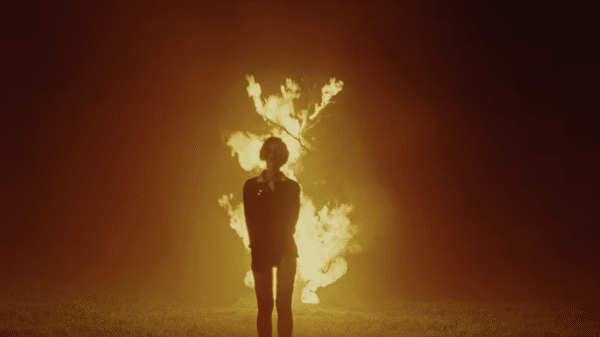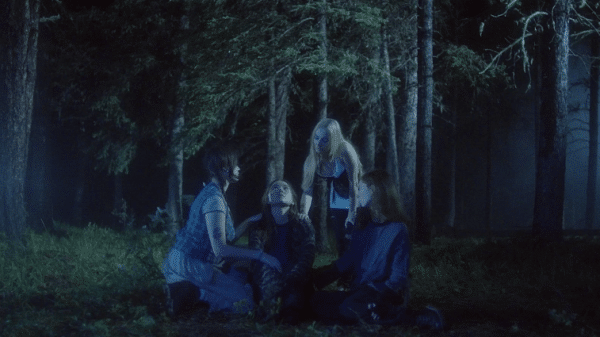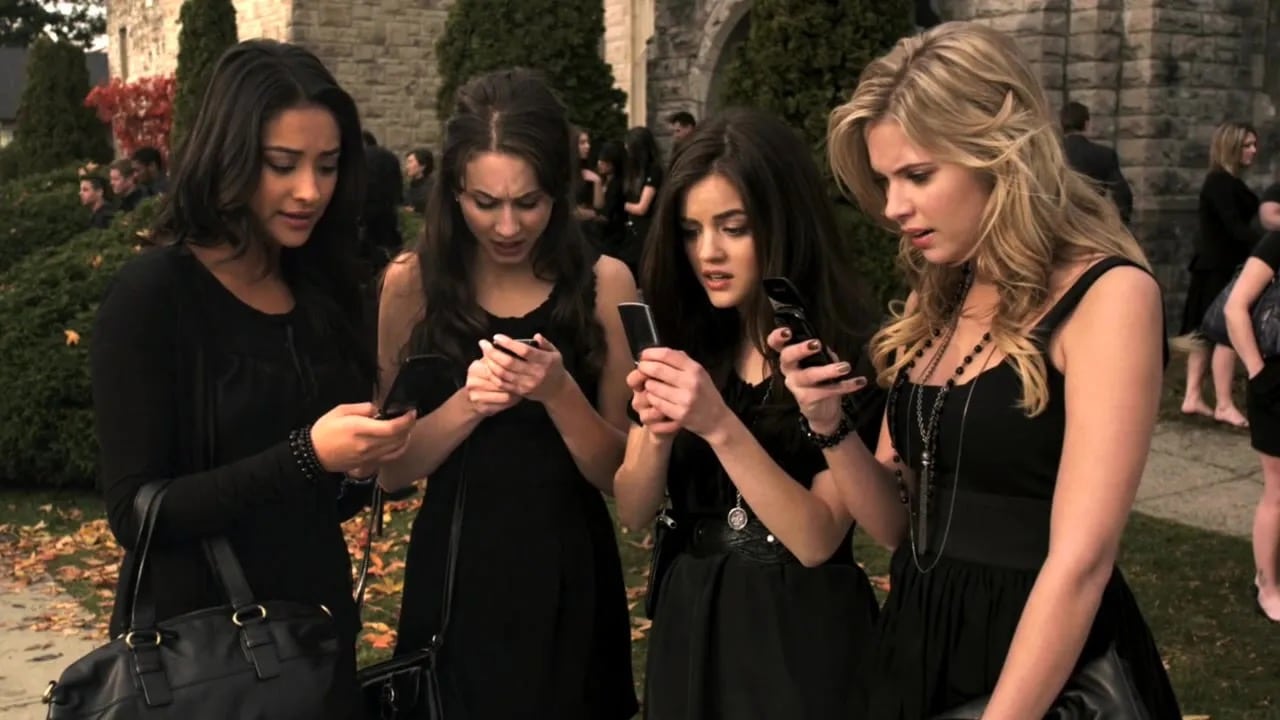
“It’s immortality, my darlings.”
The infamous line from Alison DiLaurentis wasn’t just cryptic flair—it foreshadowed what Pretty Little Liars would become. It became a show that refused to die, in mystery or memory.
In today’s entertainment landscape, the intrigue of a modern TV mystery captivates audiences with its charm, flair, and incitement.
When the teen drama premiered in 2010, it was easy to assume it would follow the usual ABC Family blueprint. This included secrets, love triangles, and dramatic text messages. But as each season layered new twists, masked villains, and shocking reveals, the series evolved into a cultural obsession. One question pulsed through every episode: Who is A? This question lasted nearly 7 years.
What began as a simple whodunit unraveled into a fever dream of anonymous tormentors, identity swaps, and high-stakes mind games. This had fans rewatching, theorizing, and spiraling for years. Even now, nearly a decade since its finale, PLL’s chaotic legacy still haunts TV — and not just through its spin-offs.
Shows like Riverdale, YOU, One of Us Is Lying, and Cruel Summer all walk the fine line between teen drama and psychological thriller. They borrow from the same DNA of secrets, lies, and unreliable narrators. However, none of them would exist without the masked footsteps of “A.”
A is For (Literally Could be) Anybody:
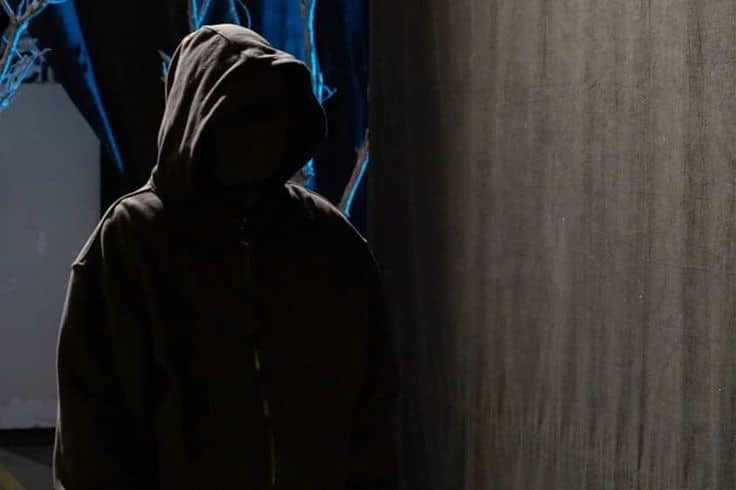
From the pilot episode to its jaw-dropping finale, Pretty Little Liars thrived off one maddening question: Who is A?
What started as anonymous text messages from a mysterious tormentor quickly spiraled into an elaborate game of psychological warfare. It became murder city. The identity of “A” wasn’t just a plotline — it was the show’s heartbeat. It was always shifting, teasing, and lying.

First, it was Mona Vanderwaal — the “original A” whose jealousy and need for control made her the perfect teenage puppet master. Then came CeCe Drake (aka Charlotte and Charles), who unraveled years of trauma into the show’s most complicated villain arc.
By manipulating Mona, who at the time was on numerous medications in Radley Sanitarium Mental Health Hospital, she convinced Mona that she was Alison. This allowed her to steal the game from her.
And finally, the infamous Alex Drake twist — Spencer’s secret British twin — was a reveal that left fans divided, shocked, and admittedly confused.
But what made PLL brilliant — and chaotic — were the endless red herrings. Viewers suspected nearly everyone: Toby with his hoodie and brooding glances, Ian’s shady death, Jenna’s dark sunglasses, Melissa’s eternal bitterness, and Noel’s erratic behavior.
Even love interests like Ezra, Ian, and Paige were cast under the spotlight at some point. Each twist rewired fan theories. Each episode fueled online obsession.
The brilliance (and frustration) of PLL was how it layered mysteries like nesting dolls. For every answer, three more questions emerged: What was the A-Team? Who was on the Halloween Train? Was anyone who they claimed to be? The Liars themselves weren’t innocent either. They each had their own secrets, lying to each other, and often spiraling into paranoia.
In many ways, confusion became the show’s signature. Rather than rely on one villain, PLL created a constantly evolving maze. The audience never found solid ground. In doing so, it redefined mystery storytelling — not just for teen shows, but for an entire generation of TV.
A fandom built on theories
In today’s mystery capital, we have TikTok. Everyone is making videos and sharing clues that weren’t visible. But from the moment Pretty Little Liars premiered? Its fanbase turned into full-time detectives.
Episode by episode, fans dissected backgrounds, props, and dialogue, always looking for clues. Theories exploded across Tumblr, Reddit, YouTube, and Twitter. They analyzed every flash of a black hoodie, cryptic text, and hidden innuendo.
Showrunner I. Marlene King admitted she encouraged that curiosity. She deliberately crafted Easter eggs and hidden clues for eagle-eyed viewers to uncover. She even praised fans who guessed correctly: “It’s only been one time… there was someone who had it completely right…and once that revelation is revealed, I will call that person.”
Tumblr played a massive role too, serving as home to theory blogs like myplltheories, where fans mapped out elaborate scenarios. They explored missed wardrobe hints, repeated symbols, and hidden messages.
One fan even guessed Alex Drake before filming, with motives so detailed, Marlene King acknowledged them as gold.
That culture—fans theorizing, creators reacting, and fans re-updating—led to a storytelling machinery. This blurred fiction with community. The mystery of A extended far beyond the screen; it lived in real time, making confusion not a flaw, but a feature.
The ripple effect: Riverdale, YOU, & modern TV mystery

Pretty Little Liars didn’t just wrap its secrets in a hoodie and vanish. It built the blueprint for a new era of stylized teen thrillers and twisted identity mysteries. Its influence ripples through a generation of shows that embraced (and often collapsed under) similar storytelling chaos.
Take Riverdale. When the show premiered in 2017, critics and fans immediately drew comparisons to PLL. The murder of Jason Blossom, the dark underbelly of a picture-perfect town, and the over-the-top drama all felt eerily familiar. In fact, Riverdale was often accused of being a PLL clone—especially during Season 1.
When Riverdale premiered in 2017, comparisons to PLL were immediate and damning. Critics accused Riverdale of recycling the Pretty Little Liars blueprint. Secret deaths (like Jason Blossom’s), small-town secrets, voiceover narration, and brooding love triangles felt like a direct echo of Rosewood’s formula.
Fans pointed out uncanny similarities—notably, high school murder mysteries storylines and places like Radley Sanitarium. These mirrored the Sisters of Quiet Mercy in Riverdale.
In the end, Riverdale shifted away from its grounded mystery roots after Season 1. It veered into supernatural territory with multiverses and surreal plotlines to set itself apart.
Meanwhile, YOU flipped the script entirely. By placing viewers inside the psyche of a manipulative, unreliable narrator, Joe Goldberg, it modernized PLL’s themes of obsession and deception. This was updated into a chilling, self-aware thriller. The tone matches the psychological intensity of PLL, but from the inside out.
Shows like Cruel Summer and One of Us Is Lying continue the legacy—melding teen drama with serialized mystery and unreliable storytelling. None would exist without PLL’s fearless blend of genres. Pretty Little Liars proved that teenage secrets could sustain serial storytelling across seasons.
While these successors echo PLL, they also diverge. They choose their own aesthetic, pacing, or level of mystery. We can see how PLL taught them to walk and where they chose to run.
The blueprint continues
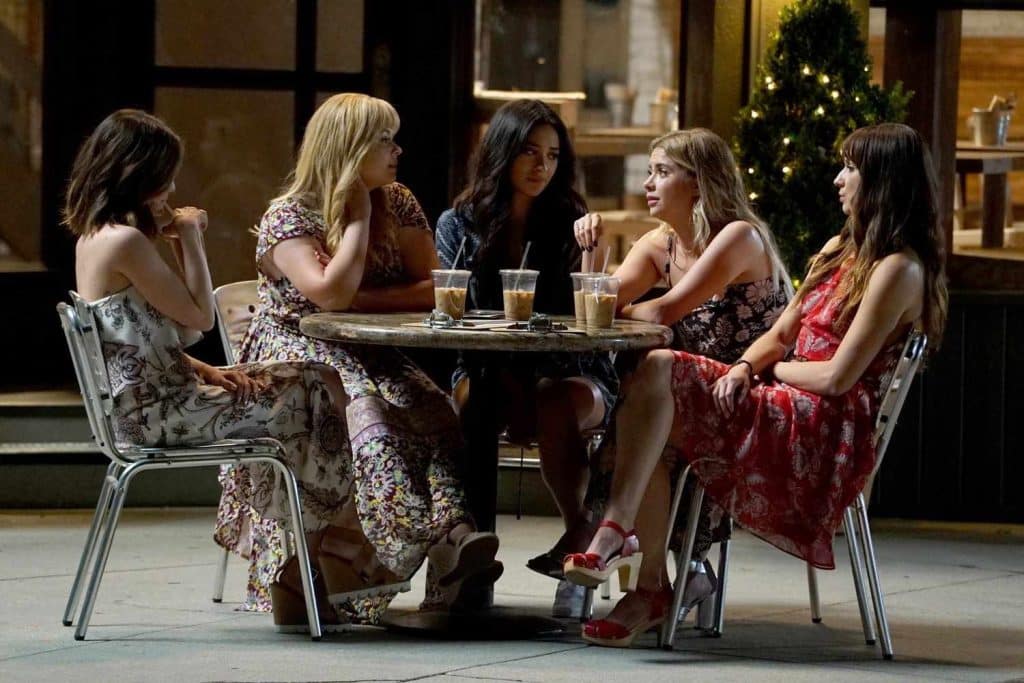
Pretty Little Liars was never just a teen drama — it was a labyrinth. A show that thrived on confusion, demanded rewatching, and trusted its audience to keep up. This was true even when things didn’t add up. Its legacy isn’t just in the twists or cliffhangers, but in how it redefined what it meant to tell a mystery in the digital age.
In today’s TikTok-driven, theory-obsessed culture, PLL’s “confusion as currency” model feels prophetic. Shows don’t just want to entertain — they want to consume you. They want fan theories, Reddit deep dives, YouTube explainers, and spoiler-filled group chats. Pretty Little Liars built that blueprint: every clue was bait, every lie was layered.
And while not every show that followed nailed the formula, they all owe something to the girls from Rosewood.
In the end, Pretty Little Liars didn’t just ask, “Who is A?” It taught us to keep asking, even when the answer made no sense. Because the thrill wasn’t in the reveal.
It was in the chaos that led us there.