The romantic comedy is having a moment—and honestly, it’s about time. With positive buzz surrounding recent releases like Celine Song’s The Materialists, it’s clear that audiences are hungry for smart, sophisticated romantic storytelling that doesn’t insult their intelligence. Gone are the days when rom-coms were dismissed as guilty pleasures; today’s viewers want romantic comedies that blend genuine laughs with emotional depth and contemporary relevance.
As the rom-com finally makes its journey toward cultural respect, now is the perfect time to examine which recent romance novels have the narrative complexity, humor, and modern sensibilities to become the next big-screen breakouts. Instead of focusing on what’s already optioned or in development, here are ten recent romance novels that capture the humor of modern dating culture while delivering the emotional authenticity that could redefine what a rom-com can be in 2025 and beyond. These laugh-out-loud, swoon-worthy books are primed for Hollywood’s rom-com renaissance, offering the perfect blend of humor and heart that today’s audiences crave.
Where STEM meets steam
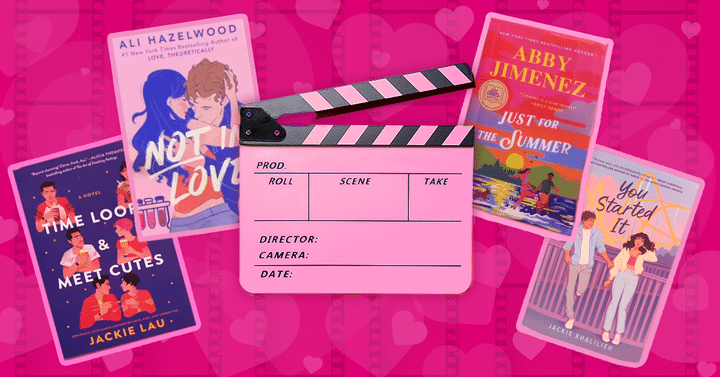
Let’s start with workplace romance. Ali Hazelwood’s Not in Love drops us into the cut-throat world of biotech and venture capital, where enemies-to-lovers gets a serious upgrade through scientific ethics and corporate espionage. This isn’t just about sexual tension in the lab (though there’s plenty of that); it’s about how modern professionals navigate romance when their careers involve literal life-and-death decisions.
Similarly, Nisha J. Tuli’s Not Safe for Work brings engineering into the romantic comedy equation, proving that STEM fields offer rich visual storytelling potential. Picture this: romantic tension building over software, meet-cutes in server rooms, and the kind of workplace dynamics that feel authentically modern.
Today’s audiences want to see themselves reflected in romantic stories—and for many of us, that means workplaces filled with technology, ethical dilemmas, and the kind of professional passion that can be just as compelling as romantic passion. They’re perfect for the rom-com revival because they offer built-in visual elements (laboratories, tech startups, corporate intrigue) while addressing contemporary concerns about work-life balance and career ambition.
Genre-bending romance
Here’s where things get really interesting. Jackie Lau’s Time Loops & Meet Cutes asks a hilariously absurd question: What if you were stuck reliving the same terrible date over and over until you got it right? It’s Groundhog Day meets modern dating apps, and the visual effects possibilities alone should have Hollywood executives reaching for their phones.
“Are you okay?” he asks.
I nod, because I think I’m trapped in a time loop isn’t the sort of thing you can say to a stranger.
This kind of genre-bending represents exactly what the rom-com revival needs: familiar tropes elevated by speculative elements that feel fresh and cinematically exciting. The temporal repetition device allows for both physical comedy and emotional growth, giving audiences the satisfaction of seeing characters literally learn from their mistakes in real-time.
Speculative romance novels like Lau’s prove that romantic comedies don’t have to be confined to realistic settings to deliver authentic emotions. By incorporating fantasy and sci-fi elements, they offer filmmakers the chance to create visually stunning romantic comedies that stand out in a crowded marketplace while still delivering the emotional payoffs audiences crave.

Meet cute? More like meet reunion romance
Neely Tubati Alexander’s Courtroom Drama flips the classic meet-cute on its head by reuniting childhood friends as fellow jurors in the middle of a high-profile legal case. What could have been a simple second-chance love story becomes something far more compelling when their rekindled attraction must navigate the very real threat of mistrial and jail time. The forbidden romance trope finally has teeth—breaking fraternization rules doesn’t just mean awkward workplace conversations, it means destroying a murder trial and facing criminal charges. It’s the kind of concept that makes you wonder why no one thought of it before.
The genius of this setup lies in how the courtroom amplifies every romantic beat. Sydney’s deep investment in defendant Margot Kitsch adds personal stakes that go beyond her feelings for Damon, while their forced proximity during sequestration creates an intimacy that feels both natural and fraught. These aren’t strangers falling in love; they’re people with shared history navigating attraction while dealing with professional obligations and public scrutiny. The courtroom setting provides natural dramatic tension and visual interest, while the legal proceedings create a ticking clock that keeps the romantic stakes high.
This approach to the meet-cute reflects how contemporary romance novels are evolving beyond simple formulas. Instead of relying on coincidence, Alexander grounds their relationship in shared responsibility and genuine consequence, fostering romantic tension that feels urgent and authentic. The result is a story where the external plot and internal character development reinforce each other, proving that the best romance novels understand that love stories are always more powerful when something meaningful is at risk.
The New Fake Dating
Fake dating is having its own renaissance, and these three novels encapsulate why the trope refuses to die: Abby Jimenez’s Just for the Summer, Jackie Khalileh’s You Started It, and Alexis Hall’s 10 Things That Never Happened. Each brings a new take on the “fake dating” formula that would translate beautifully to the big screen—complete with built-in visual gags and commentary on modern love.
Just for the Summer follows Emma and Justin, who are cursed with the same romantic pattern: Everyone they date finds their soulmate immediately after breaking up with them. Their solution? A strategic summer fling designed to break their respective curses. The film adaptation would mine comedy gold from their increasingly elaborate performances while sneaking in sharp observations about how we measure success in ourselves and those around us. Plus, watching actors navigate the delicate balance between “fake” chemistry and actual sparks? Chef’s kiss.
You Started It would make teen rom-com magic by flipping the usual dynamics—here’s our Type A overachiever Jamie striking a fake-dating deal with TikTok dancer Axel after she literally crashes into his life (and his bike). The visual comedy writes itself: Think carefully choreographed TikTok performances, the culture clash between Jamie’s color-coded planners and Axel’s spontaneous dance breaks, and the inevitable moment when their staged relationship starts feeling less staged. The film could brilliantly capture how Gen Z navigates identity through performance.
10 Things That Never Happened brings workplace comedy perfection to the fake dating universe. Sam’s accidental amnesia lie spiraling into an elaborate holiday charade with his surly boss Jonathan? Pure rom-com gold. Imagine Sam frantically maintaining his memory loss while Jonathan—initially suspicious—slowly reveals unexpected vulnerability during their forced proximity. The film adaptation could mine endless humor from Sam’s increasingly complicated deception while delivering swoon-worthy moments when genuine connection breaks through the performance.
“What,” asks Jonathan Forest with a layer of concern hastily dropped over a deep well of contempt, “are you doing?”
“What’s it look like I’m doing?”
“I dread to think.”
Each of these novels understands that modern fake dating requires modern complications—viral TikToks, curated social media personas, and workplace dynamics all become both obstacles and opportunities for authentic connection. They’re tailor-made for the big screen because they offer all the visual comedy and chemistry we crave while smuggling in smart commentary about how we perform relationships in the modern age. Social media performance, viral content, and digital identity all factor into how modern relationships develop—real or fake. And to add to the comedic aspect, these aren’t just fake dating stories; they’re fake dating stories that know they’re fake dating stories—and that self-awareness is exactly what modern rom-coms need.
Destination romance
It’s undeniable that destination romance is having a major moment (hello, Anyone But You‘s Australian beach bonanza), and these three novels are perfectly positioned to ride that wave while serving up something deliciously different.
Steven Salvatore’s When Love Gives You Lemons unfolds against a sun-soaked Mediterranean setting while exploring themes of family dynamics and queer identity. It brings to the table a comedic tale of culture clash meeting coming-out story. The novel’s blend of food porn and family chaos is natural rom-com gold.
Meanwhile, Jennifer Dugan’s Summer Girls screams for the lakeside cottage treatment—think cozy cabin aesthetic meets sapphic summer romance. The small-town setting allows for that intimate, everyone-knows-everyone dynamic that fuels the best romantic comedies, while the social media subplot adds contemporary relevance. With stolen glances across bonfires and the kind of will-they-won’t-they tension, audiences will be collectively holding their breath.
Katherine Center’s The Love Haters serves up Key West chaos with a heroine who can’t swim but pretends she can in order to profile a Coast Guard rescue swimmer—talk about high-stakes rom-com territory. Katie’s web of lies creates the perfect setup for escalating mishaps, while Hutch’s “scientifically good looking” rescue swimmer status offers shirtless beach scenes that the silver screen is dying for.
Each novel supplies what Hollywood’s been missing: destination romance with depth, gorgeous settings with genuine stakes, and the radical idea that diverse love stories aren’t niche—they’re universal. Adapting them would produce entirely new romantic territories worth exploring.
Why these stories matter now
The list is more than just potential movie adaptations—it’s evidence that romantic comedy is evolving to meet the moment. They address contemporary concerns like climate anxiety, social media performance, workplace ethics, and diverse representation while maintaining the comedic timing and romantic payoffs that make great rom-coms.
The rom-com revival isn’t just about nostalgia; it’s about proving that romantic comedies can be sophisticated, relevant, and emotionally authentic. Romance novels offer filmmakers the chance to make movies that elevate the genre rather than continuing to replicate existing formulas.
In an era when audiences crave smart, inclusive storytelling that doesn’t sacrifice entertainment value for social consciousness, the listed books prove that romantic comedies can be both meaningful and fun. They’re ready-made for the big screen, complete with visual storytelling potential, diverse perspectives, and the kind of narrative complexity that could finally give rom-coms the cultural respect they deserve.
The romantic comedy renaissance is here, and these novels are leading the charge. Hollywood, are you paying attention?