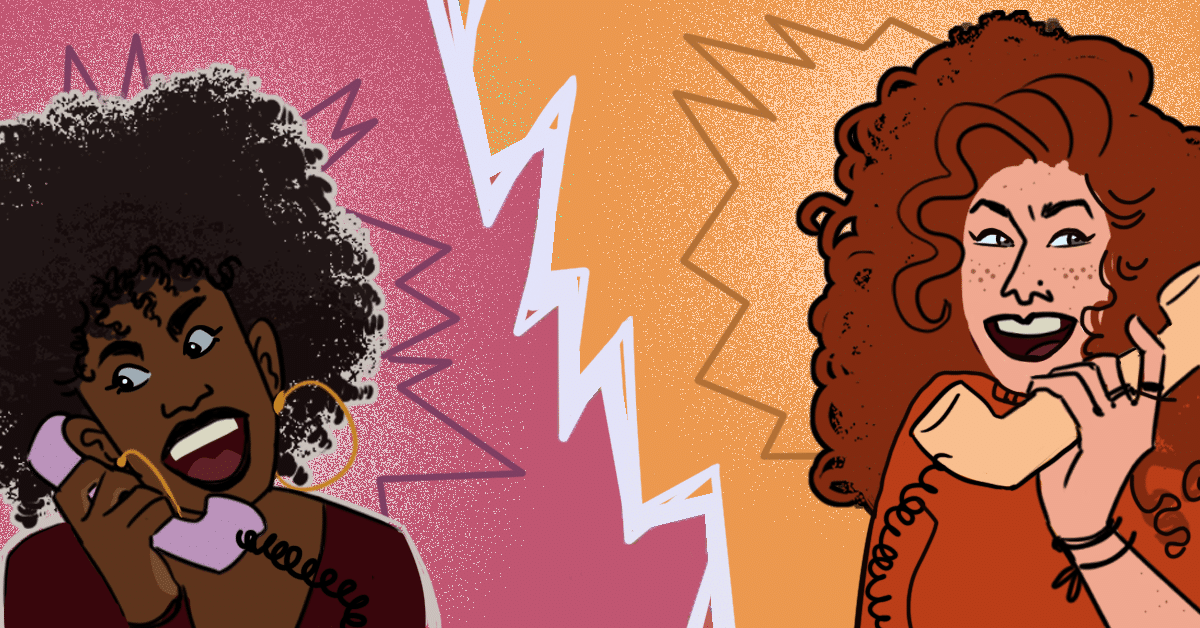
In the strange world of TikTok trends, it’s not unusual for humour and identity politics to collide in unexpected ways. When I first saw “ginger people are the Black people of the white community” trending on TikTok, I wasn’t sure whether to laugh, cringe, or scroll past.
Critics say this comparison makes it hard to tell the difference between shared pain and false equality, an internet-born attempt to connect two very different experiences of otherness. At first glance, it seems like a clumsy comparison that risks trivialising systemic racism. But as I watched more videos, something unexpected emerged: empathy. Redheads and Black people were finding common ground—not in shared histories but in being visibly different. The trend rests on flawed logic, but it sparked real feelings of solidarity.
The algorithm of empathy
The trend gained momentum after a viral TikTok by creator @deiaratherootworker, which now has millions of views. In the video, she claimed that white redheads, “gingers,” are the Black people of the white community. The statement was bold, instantly opening a gateway of conversation. For some, it was an act of unity. For others, a false comparison. But what followed was an explosion of stitched videos, reaction clips, and emotional reviews from both Black and redheaded creators.
Many Black creators took advantage of the trend to express their affection for redheads, praising their beauty, resilience, and often-overlooked cultural significance. Others took it further, pointing out that people have historically bullied, left out, or fetishised gingers—experiences that, while not identical to racism, share a familiar emotional texture. One Black creator who took in the moment was Shamar Dickens, who told Newsweek, “Gingers are definitely the Black people of the white community, especially after hearing of their history and their hardships.” He added that these videos had connected him to redheads sharing stories of childhood isolation—and that as a Black person, the influx of “positivity and love” was refreshing. One creator, @asher, a British TikToker, echoed the sentiment: “Shout out the redheads/gingers 😂😂 Good people.”
Redhead creators responded with stories of schoolyard teasing, adult isolation, and never quite fitting in. For many ginger people, this was the first time they’d seen themselves described with empathy, not mockery. Black users also criticised the trend, questioning whether redheaded marginalisation truly compares to systematic racism. Still, one thing was clear: the conversation had touched something raw.
Ginger myths and medieval scars
Understanding why the trend resonated requires looking at how people have historically viewed redheads. In Europe—particularly in Celtic and Anglo-Saxon regions—ginger hair has long carried a cultural stigma. In medieval times, people associated redheads with witchcraft, betrayal, and even being a vampire. Christian artists often show Judas Iscariot as a redhead. These suspicions hung around for centuries, eventually evolving into modern ridicule. Redheaded children were—and still are—frequently teased for their appearance. Phrases like “ginger menace” or outdated stereotypes became normalised to the point of parody, but the psychological toll was, and remains, real. While some of this ridicule can seem light-hearted, it often isolates children from their peers and makes them hyper-aware of their appearance.
From a sociological perspective, the redhead experience fits more closely into the category of aesthetic deviance than systemic marginalisation. Red hair has historically been coded as unusual, comedic, or exotic. And society often treats redheads as visual anomalies—subject to public commentary, social “othering,” or unwanted attention. But crucially, neither institutional power nor structural inequality reinforces these experiences. The recent wave of solidarity from Black creators, then, speaks less to a shared system of oppression and more to a mutual recognition of what sociologist Erving Goffman called “spoiled identity”—a visibility that deviates from the norm and carries social consequences. This moment draws its cultural significance not just from the empathy people exchange, but from how digital platforms are actively reshaping identity, where visibility becomes both currency and spectacle.
False equivalences, real emotions
The viral comparison between Black people and redheads (“the Black people of the white community”) may have begun as a tongue-in-cheek observation, but its traction on social media exposed deeper questions about how we understand oppression and identity. On the surface, both groups share experiences of being visibly distinct in majority-white societies. Both have endured stereotyping, public commentary, and cultural myths that reduce them to caricatures. But these overlaps are superficial.

Equating aesthetic marginalisation with racial oppression risks erasing the structural dimensions of racism, reducing it to interpersonal discomfort rather than a system of institutionalised power. The trend risks misrepresenting racialisation by collapsing it into aesthetic difference, ignoring the way race functions as a mechanism of social control and historical domination. By drawing parallels between visible difference and systemic oppression, the trend inadvertently recasts racism as a superficial experience, detaching it from its material and historical context.
“Talking about emotional pain is not the same as dismantling the systems that produce it.”
Dr Emma Dabiri
Race does more than mark people visually—it represents a historically constructed system of power. Institutions embed anti-Blackness in housing, education, employment, healthcare, and policing. The marginalisation of redheads, while emotionally impactful and culturally persistent, does not carry these material consequences. Sociologist Kimberlé Crenshaw’s concept of intersectionality reminds us that systems—rather than just individual experiences—shape layered marginalisation. For example, a white redhead may face teasing but still benefits from white privilege. A Black person, redhead or not, navigates both social and structural forms of discrimination.
Even still, the trend opens up a helpful conversation about how people relate to “otherness” and why visible differences can create unlikely bonds. This conversation doesn’t require collapsing categories or ranking oppression. Rather, it asks us to recognise how visibility, vulnerability, and identity intersect in complicated ways. Solidarity can exist without sameness, but only when grounded in awareness, not projection.
Ginger and black: A new kind of allyship?
As the trend gained momentum, what could have been dismissed as another fleeting meme morphed into something more sincere. Black TikTokers began expressing affection for ginger people, not sarcastically but with warmth and admiration. In one widely shared video, therapist Shannon says, “I guess Orange is the New Black,” welcoming redheads. It was playful, yes, but the embrace felt genuine.
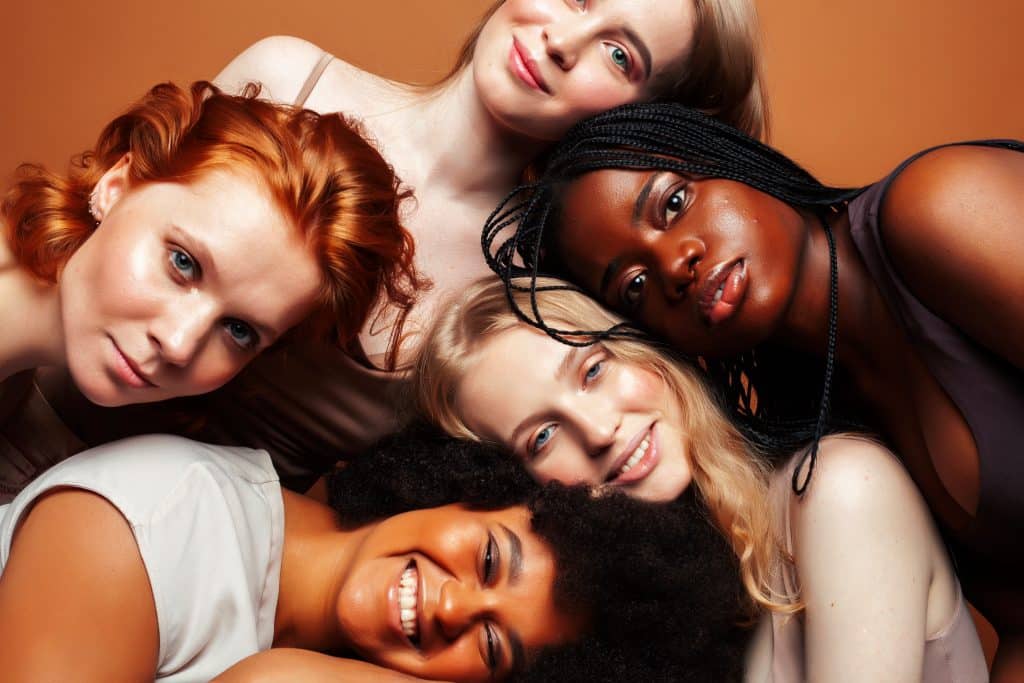
Other Black creators echoed the sentiment. TikToker @.akilha praised redhead aesthetics and exclaimed that she’s been agreeing with the concept in a video that felt like an affirmation. The tone wasn’t one of mockery or irony but of solidarity—a willingness to recognise beauty and difference at once. In return, many ginger TikTokers expressed surprise and gratitude. Several videos featured redheaded users visibly moved by the praise, acknowledging the novelty of receiving compliments for something they had often been teased about as children.
But what made this moment truly interesting was how both sides seemed to understand its complexity. No one seriously argued that being mocked for red hair was equivalent to being racially profiled. Instead, what emerged was something quieter but still powerful: mutual recognition of what it means to be visibly different. In an era when people often politicise or commodify difference, this trend offered a fleeting moment of grace, where people appreciated identity without flattening it and showed solidarity without needing sameness, only sincerity.
More than a trend, less than a movement
This trend never really suggested that ginger and Black people share the same struggles. Instead, it was about drawing a line of empathy between experiences of being visibly different. In comparing two forms of otherness, TikTok users sparked a conversation that, while imperfect, allowed for a surprising amount of nuance and care. At its best, it wasn’t about hierarchy but about recognition. Redheaded creators were reminded that they’re not alone in being marked and misunderstood. Black creators extended that recognition with generosity yet without diluting the realities of racism.
We often assume the Internet can’t handle complexity, that it flattens everything. But sometimes, a flawed meme can lead somewhere real. The solidarity shared in this moment may not rewrite social structures, but it did something else: it made space for humour, for visibility, and for mutual regard.