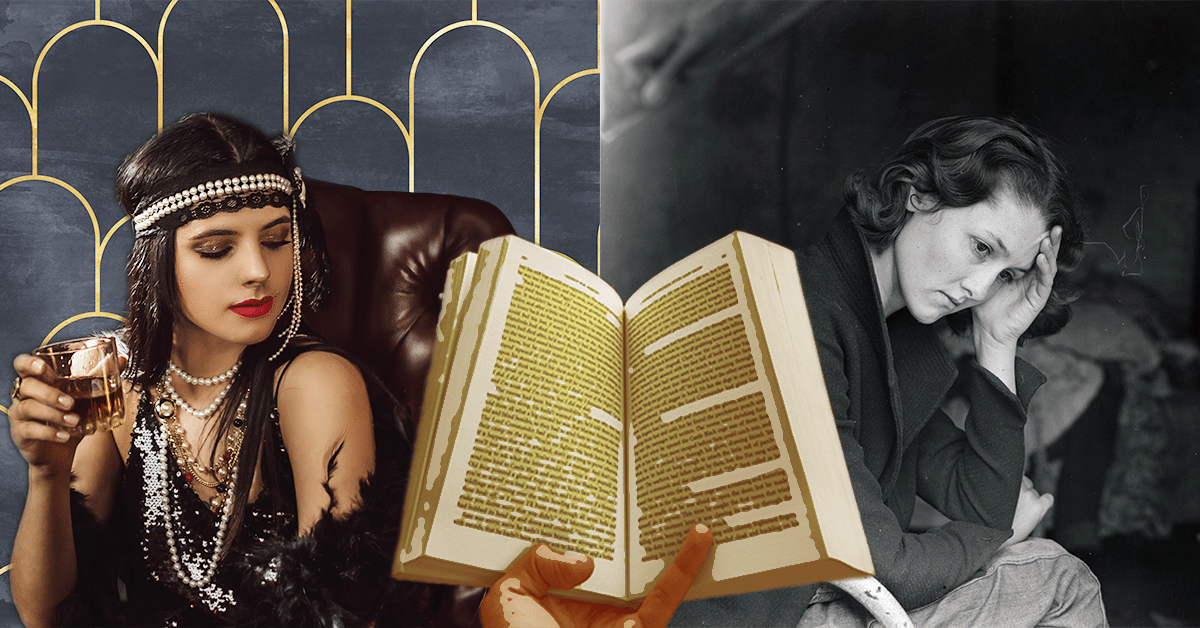
There has always been a unique fascination for specific literary eras. Historical fiction is a special case. It draws readers into a world where history blends with fantasy. Of course, the romanticization of literature like this is nothing new.
The past is compelling, particularly when it captivates us in the pages of a cherished book.
The Power of Nostalgia in Books
Perhaps it’s the candlelit ballrooms in Austen’s works or the sparkling parties and secretive conversations of Regency London. For many, the tales we adore are rich with a nostalgic glow and romantic fantasy.
We romanticize these eras not only for what they were but for what they weren’t: noisy, unpredictable, and overwhelmed by the digital age. At the heart of this article lies the question: What attracts us to romanticized versions of past eras we’ve never experienced, even those marked deeply with inequality?
The Appeal of Escapism
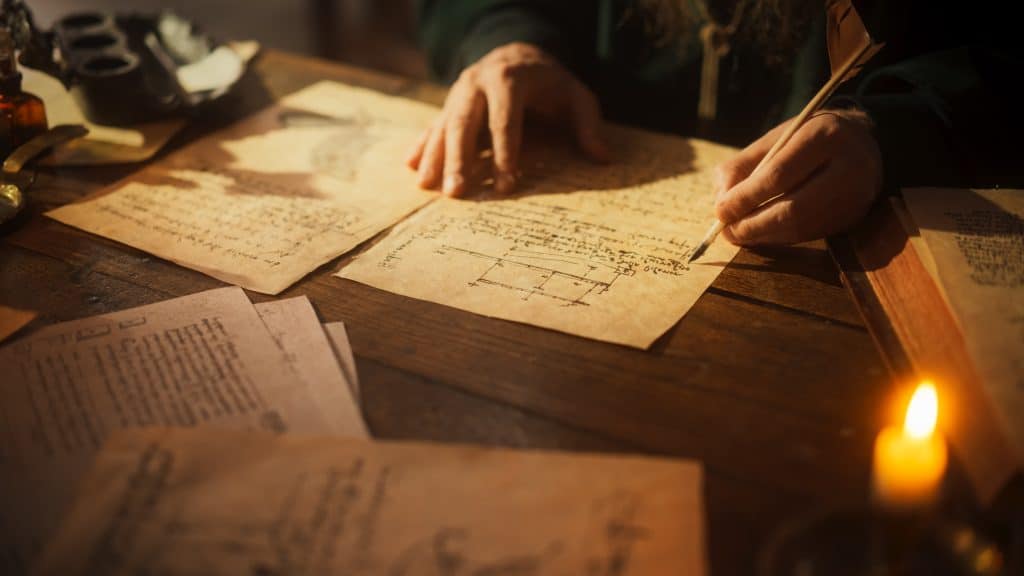
Reading a book has the power to transport you into a world of flickering candles, delicate corsets, and cocktails. Literature pulls us into times where life seemed to move at a different pace and where love seemed so easy to find, offering a gentle contrast to our fast-paced digital reality.
The appeal lies in the way such narratives create a space for reflection, where emotions feel larger, slower, and more intense. In a world dominated by 24/7 phone access and never-ending to-do lists, stepping into imagined eras provides a welcome escape for most readers.
The fantasy is not just about love and costumes. It’s about the way these periods allow us to savor moments and indulge in the pleasure of a world far removed from our own. The romanticization of literature is a world of escapism.
The Allure of Specific Eras
Escaping into the past can be appealing. But not every historical era gets romanticized the same way. From the refined charm of Regency England to the decadence of the Roaring Twenties and the glossy promise of mid-century life, each period offers a different kind of fantasy, shaped as much by aesthetics as by emotion.

The Regency Era
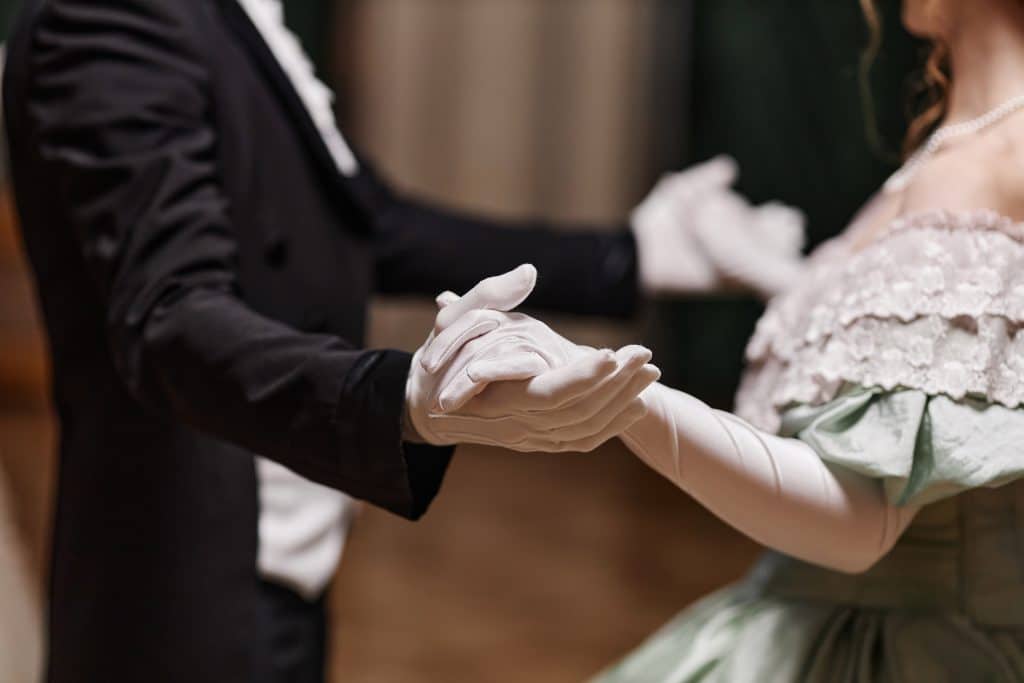
The Regency era, spanning from 1811 to 1820, marked a time of vibrant social and cultural development. It stood out for its elegance, strict etiquette, and romantic atmosphere, as reflected in the fashion, architecture, and art of the period.
It is one of the more popular eras to suffer from romanticization, from TV series to literature. Its society was defined by lavish balls, duels, and the “Ton.” The fashionable elite thrived on gossip and matchmaking.
Today, the hit book and TV series Bridgerton reimagines this world for modern audiences, invoking the era’s charm and drama to generate something fresh and compelling.
The Roaring Twenties
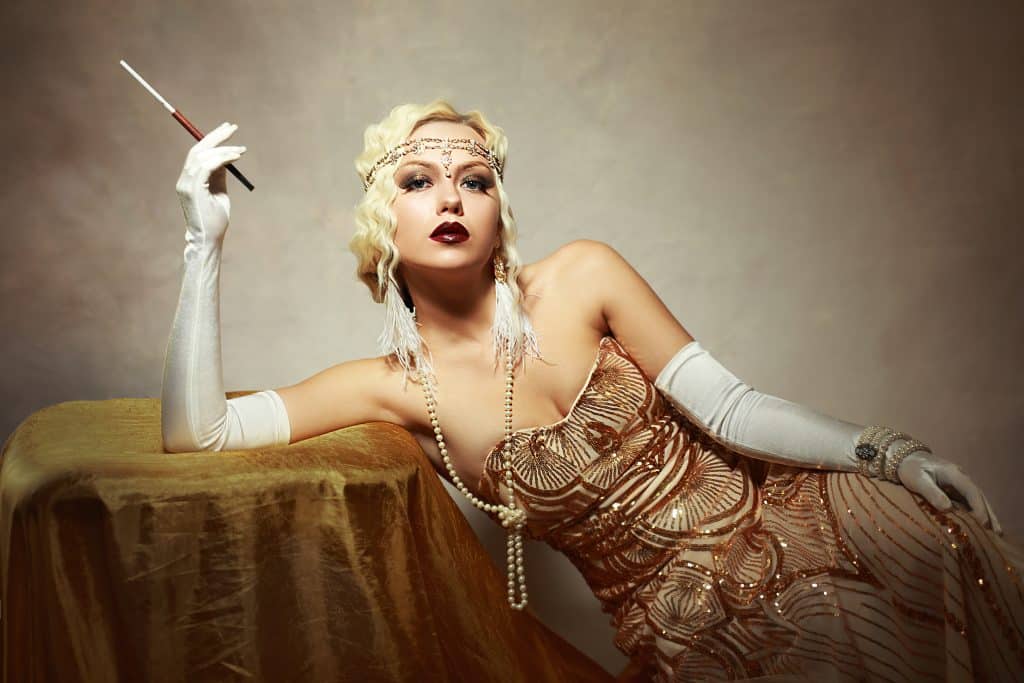
The Roaring Twenties ushered in a wave of economic prosperity, cultural transformation, and exuberant optimism, especially across the United States and other Western nations.
The decade saw a surge in economic growth, fueled by technological advancements and a rise in consumerism. It also witnessed a shift in social norms, including the rise of flappers, jazz music, and a more relaxed attitude toward traditional values.
The 1920s marked significant progress in women’s rights. Women officially gained the right to vote and took on more public and professional roles.
F. Scott Fitzgerald’s The Great Gatsby captures the vibrancy and turbulence of this era, bringing it vividly to life. It delves into both the dazzling allure of the Jazz Age and the hollow pursuit of the American Dream.
The Mid-Century
The mid-century period spanned approximately 1945-1970. Emerging in the aftermath of World War II, it was a time of renewal and rebuilding.
This era often celebrates its polished domestic ideals, timeless fashion, and sense of glamor. However, it was shaped by post-war optimism, the rise of consumer culture, and strict gender roles.
Appearance mattered, especially for women, who were expected to embody either the perfect housewife or the dazzling Hollywood star.
Mid-century America, with its shiny suburban dream and cinematic allure, comes to life in novels like The Seven Husbands of Evelyn Hugo by Taylor Jenkins Reid, which dives into romance, identity, image, and the personal cost of ambition.
The Reality vs The Fiction
Literature invites us to imagine the past through a carefully curated version of history that is designed to entertain and captivate us with love stories, grand adventures, and personal victories.

In these narratives, the struggles of the time, be it class oppression, slavery, or inequality, frequently fade into the background and are replaced by sweeping romances. While it may be easier for some young adults to learn about history through entertainment outlets, whether that be a book or a film, it should be standard that we address the topics that were prevalent in a given era.
Pride and Prejudice and Bridgerton offer us tales of romance and social climbing. Yet they barely acknowledge the very real limitations placed on women, the poor, and other characters from marginalized racial or ethnic backgrounds.
The stories can be captivating; yet they rarely explore the harsh realities of the past. Some authors have made conscious decisions to tackle historical inequalities head-on, providing a contrast to the romanticized portrayals.
The Color Purple by Alice Walker and Outlander by Diana Gabaldon are two examples. The books incorporate romance as a central element, but they engage with the historical struggles of their time.
Why We Keep Romanticizing the Past
We tend to view the past through a nostalgic lens, turning it into something that feels more appealing than it really was. Nostalgia has a powerful emotional appeal. It cultivates a yearning for a simpler, more innocent time, even if that time wasn’t as ideal as it seemed.
Why, then, do we keep returning to it? Is it the appeal of a grand ballroom, the chance to dance with Prince Charming, a large extravagant dinner party, or the allure of idealization that draws us in?
Collective nostalgia, combined with media narratives, dictates the way we see history, encouraging us to idealize eras we’ve never lived through. Bridgerton and The Great Gatsby fuel this cycle by presenting worlds of romance, friendships, and dramatic journeys.
Bridgerton’s Regency-era ballrooms, with their flirtatious and high-society drama, construct an elaborate fantasy of elegance and secrets. The Great Gatsby immerses readers in the glittering excess of the Jazz Age. The romanticization of this literature yields wonderful and exhilarating emotions even as they omit the complexities of the times. Myriad readers seem to want a romance story to fill a void in their lives.
Escaping into the Past or Erasing it?
As we indulge in romanticized portrayals of history, we must ask: Are we escaping into the past for comfort, or are we erasing its darker realities? We’ve seen how the nostalgia and aestheticism of the past paint a seductive fantasy, whether through the worlds of Bridgerton or the excesses of The Great Gatsby.
Perhaps we can revel in the beauty of the story without losing sight of historical complexities. Romanticizing literature is fun, but it is critical to understand the reality beneath the romance. Fiction is meant to transport us. However, it should push us to question the past, not just idealize it.