

In early September, false & unfounded rumors spread online about President Trump’s health, implying that he was extremely ill or even dead. These rumors escalated extremely quickly over just a few days. They even became so widespread that Trump himself spoke out and made a statement, disproving the rumors. How did the rumors start & spread so rapidly? The answer can be found in one of the most popular apps in the world right now: Tiktok.
The rumors
The rumors started with videos posted around August 30th. At this point, the President had allegedly not been seen in public for about two or three days. Suspicions that the president was ill were further fueled by verified reports from a few weeks earlier that he was diagnosed with chronic, but non-life threatening venous deficiency.
Additionally, the White House released a statement that there would be an announcement in the coming days with no other context. The announcement was left open to interpretation, leading users to believe the White House would announce either the death or impending death of the President.
Over the next couple of days, many different rumors appeared about the President’s whereabouts and health. These included alleged pictures of him golfing during the same couple of days he was allegedly ill or dead (which were later proved to be old pictures), and the First Lady, Melania Trump, allegedly being spotted at a hospital near the White House with the Secret Service, which was also later proved to be not factual.
Tik Tok’s algorithm enabled the rumors to spread this fast. The more people that watched, commented on, liked, and shared posts about the situation without verifying if it was true or not made it spread a lot faster than normal.
After waiting days for the White House to confirm or deny the rumors, they were put to rest when the President held a press conference on September 3rd. At the conference, a reporter asked Trump about the rumors and what he thought about his alleged death.
President Trump’s reaction
When an interviewer asked how the President found out about the rumors that he had died, informing him that there were 1.3 million user engagements on the topic, he responded with bewilderment.
Reacting to the news, Trump said; “Really? I didn’t see that. You know, I have heard it’s sort of crazy, but last week I did numerous news conferences, all successful. They went very well, like this is going very well. And then I didn’t do any for two days, and they said, “There must be something wrong with him. Biden wouldn’t do them for months, you wouldn’t see him, and nobody ever said there was anything wrong with him. And we know he wasn’t in the greatest of shape.”

With the press conference over and Trump affirming his health, the rumor that he was dead came to an end.
Gen-Z opinions on the situation
Rumors all have one similarity: almost none of them have evidence from verified sources. The combination of small, unverifiable facts and internet theories were what caused the rumors to be so believable to Tiktok users. Laney Riordan, a 22 year old Tik Tok user that witnessed the situation unfold.
Laney’s first reaction to seeing rumors about Trump’s alleged death was thinking it was another trend.
“I was skeptical from the beginning, and never completely believed it the entire time,” she said.
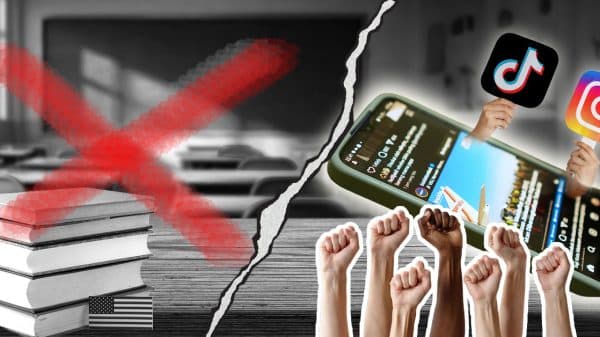
She says she sees rumors on TikTok often, but a lot of the time, it’s people just wanting to start something for likes and views. “TikTok isn’t an entirely reliable place to get information in my opinion. More than not, I end up seeing a TikTok about a situation, and then looking online to see trusted article sources. I prefer reading the content for myself, rather than listening to TikTok and following it wholeheartedly. Gen-Z consumes TikTok more than actual news sources like CNN and Fox because the content is more suited to both our interests and attention spans. I can’t tell you the last time I actually, genuinely watched the news recently. I don’t think that many people my age do nowadays.”
This situation also opens up a conversation on the epidemic of rampant misinformation that plagues Tik Tok. This situation snowballed into a mess of unchecked, untrue claims that made their way into the White House. Misinformation on Tiktok can be extremely harmful, even outside the realm of our devices. Even simple, unserious misinformation, like celebrity dating rumors for example, can be harmful if spread & taken too far.
TikTok and misinformation
Tik Tok does have some methods of slowing the spread of misinformation. On some videos on the platform, a banner comes up warning viewers to check verifiable sources on the topic so they can come up with their own conclusions. However, this warning only comes up on a very small portion of content on Tik Tok.
A majority of the blame could be put on Tik Tok for properly monitoring all of the misinformation on their app, especially with a large amount of their user base being young & vulnerable to misinformation. However, it is also the responsibility of the viewer to ensure that the information they are receiving is true before they decide to believe it or share it. Both the company and users should take into account that even though Tik Tok may be a useful tool to share news quickly, there is great potential for misinformation.
Who’s responsible?
Even if both parties take responsibility, it’s also the job of government officials, lawmakers, and policy makers to help manage situations like this in a swift manner. Allowing rumors like this to be out in the world and up to interpretation is potentially dangerous. Not just for users, but as we all saw in this situation, government officials as well. If the White House had let these rumors keep circulating, the rumors could have escalated even further. This rumor specifically may have been a matter of national security if it potentially spread to other countries or world leaders.
This situation should be a warning to everyone: Tiktok, users, and our government. Unchecked, misinformation can be one of the most harmful things in our society today. This issue will only be fixed if we all come together to try and make the internet a safer place.











Dee Brown
October 8, 2025 at 2:38 am
Very well written and right on point. As a boomer and someone who is not a user of TikTok it’s interesting to learn this is how most of Gen-Z gets their news. Misinformation is in fact incredibly dangerous for all the reasons stated and I agree that we all have a responsibility to verify the source before we share and/or believe what we read. The problem is, it’s sometimes difficult to know what is true and what is misinformation, regardless of the source. This article sheds light on a much needed topic and with any luck it will not fall on deaf ears.