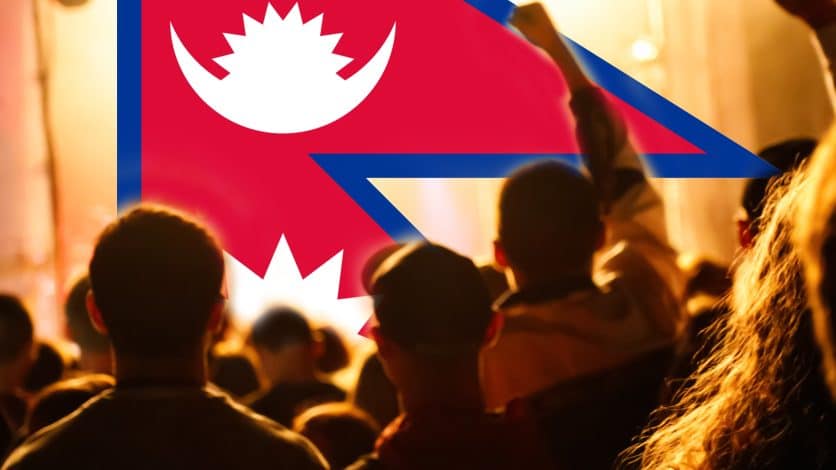
Earlier this month, thousands of young people organized on the streets of Kathmandu, Nepal, demanding not only the resignation of their prime minister, but a complete overhaul of Nepalese politics. And for the most part, they succeeded.
This was the latest example of how Gen-Z has reshaped global politics in the past 8 years. From March for Our Lives to sit-ins for Palestine, this generation has regularly transformed outrage into action. At the center of Gen-Z’s successful activism is the generation’s mastery of one tool: social media. This article will explore the origins of Gen-Z protests, their evolution into revolutionary politics, and the role of social media in making it all possible.
The origin of gen-z protests
While Nepal is the most recent, and perhaps now the most relevant Gen-Z movement, it is by no means the first.
Long before Gen Zers became successful revolutionaries, they were successful protesters. And it was those early movements that laid the groundwork for the bold political action we’re witnessing today.
The first major Gen-Z-led movement came in 2018 with March for Our Lives. Following the Parkland, Florida, school shooting, survivors, including activist David Hogg, organized nationwide school walkouts and rallies for gun control. The movement culminated with hundreds of thousands marching in Washington, D.C.
That same year, 4,000 miles away, a 15-year-old girl began her solitary protest outside the Swedish Parliament, demanding action on climate change.
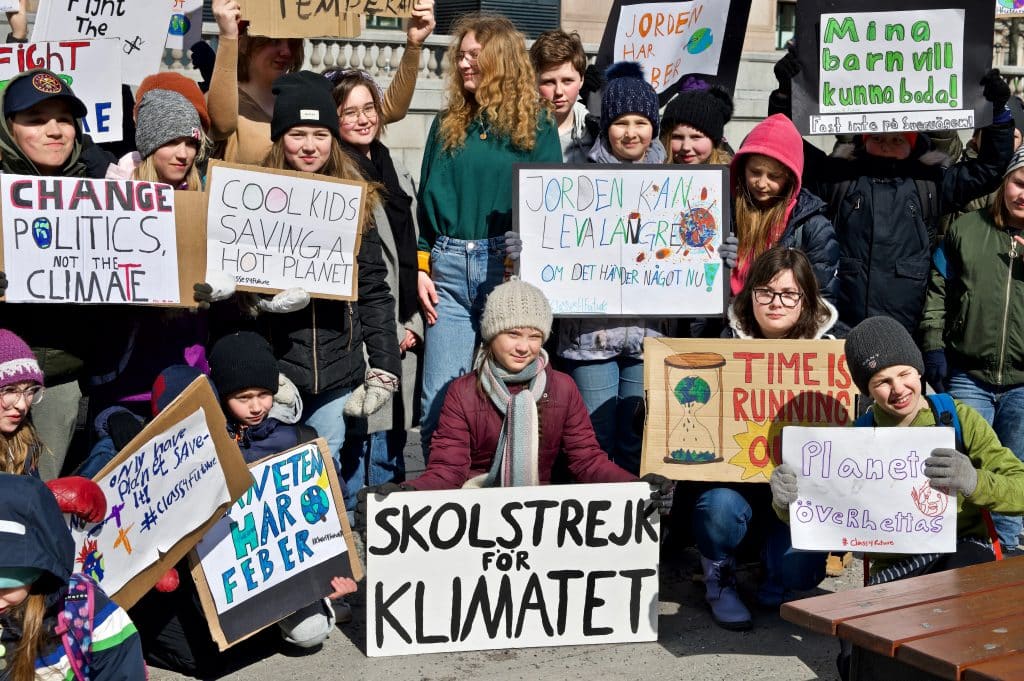
Her name was Greta Thunberg. Her actions inspired an entire generation of environmentalists and ignited a wave of global youth-led climate protests.
Gen-Z movements were among the first to truly achieve an unparalleled reach, influencing regions long resistant to change. In 2022, Iran erupted in protest after 22-year-old Mahsa Amini was arrested and later murdered by the morality police for “improperly” wearing her hijab. At the center of the calls for justice and reform were Iran’s youth.

Since 2018, Gen Z has continued to mobilize for various causes worldwide. From climate change to human rights, our generation has constantly been at the forefront of social and political change.
Gen-z as revolutionaries
Elsewhere, Gen-Zers are rapidly evolving from protestors into revolutionaries.
Across Africa and Asia, young people disillusioned with the status quo are no longer stopping at demonstrations, but are now pushing for complete systemic change. In many cases, these protests are transforming into full-fledged revolutions.
Take the 2022 Sri Lankan Aragalaya movement. Amid a severe economic crisis, young people filled the streets to protest soaring inflation, unemployment, and government inaction. The movement originally aimed to achieve economic reform within the current Sri Lankan system. Instead, the movement led to the president’s resignation and paved the way for the 2024 election of progressive leader Anura Kumara Dissanayake.
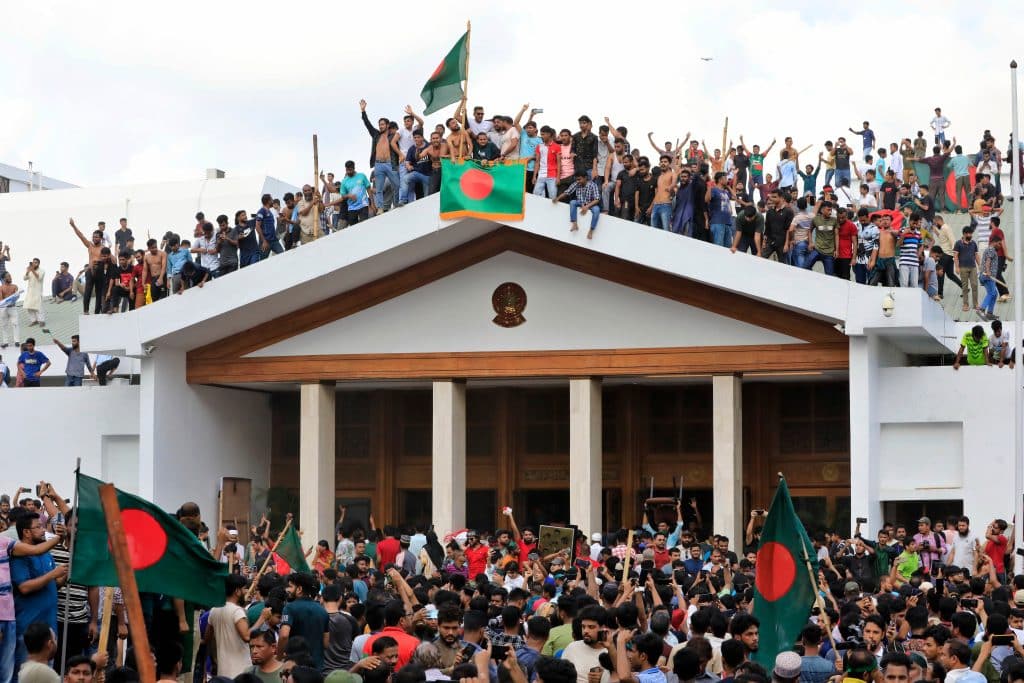
A similar story unfolded in Bangladesh in 2024.
When the government reinstated a job quota system favoring veterans of the 1971 war of liberation, students swarmed the streets in protest. Peaceful demonstrations were met with state violence, including the killing of protestors, which only fueled larger mobilizations. The movement intensified, ultimately leading to the deposition of the prime minister and the initiation of real political reform.
Kenya today finds itself in a similar moment of upheaval. In June 2025, blogger and teacher Albert Ojwang was killed in police custody after criticizing a senior police official online. His death ignited outrage among Kenya’s Gen-Z, a generation already frustrated by rising unemployment, economic stagnation, and persistent state violence.
What began as street demonstrations against police brutality quickly grew into a broader movement demanding accountability, democratic reforms, and relief from the country’s deepening cost-of-living crisis.
These are by no means the only examples, but the point is clear. Youth-led protests around the world are quickly evolving into revolutionary action, and they are achieving real, systemic change.
The key to gen-z success: Social media
The power of Gen-Z movements can be traced to one defining factor: social media. No single tool has been more critical in transforming spontaneous outrage into organized protest and, in many cases, revolution.
Before the digital age, building a social movement required years of painstaking effort. During the 1960s, for example, the Civil Rights Movement relied on rallies, print media, and word-of-mouth to grow. It took Malcolm X and the Nation of Islam nearly a decade to expand from a few hundred members to its peak of one hundred thousand. Mobilization was slow, momentum often slipped, and opportunities for action were often lost.
By contrast, social media enables today’s movements to organize in real-time. Protests that once needed months of planning can now erupt within hours.
The recent uprising in Nepal is a clear example. When the government banned 26 social media platforms after memes mocking corruption went viral, young people used those very platforms — rallying behind hashtags like #NepoBaby and #NepoKids — to flood the streets almost overnight.
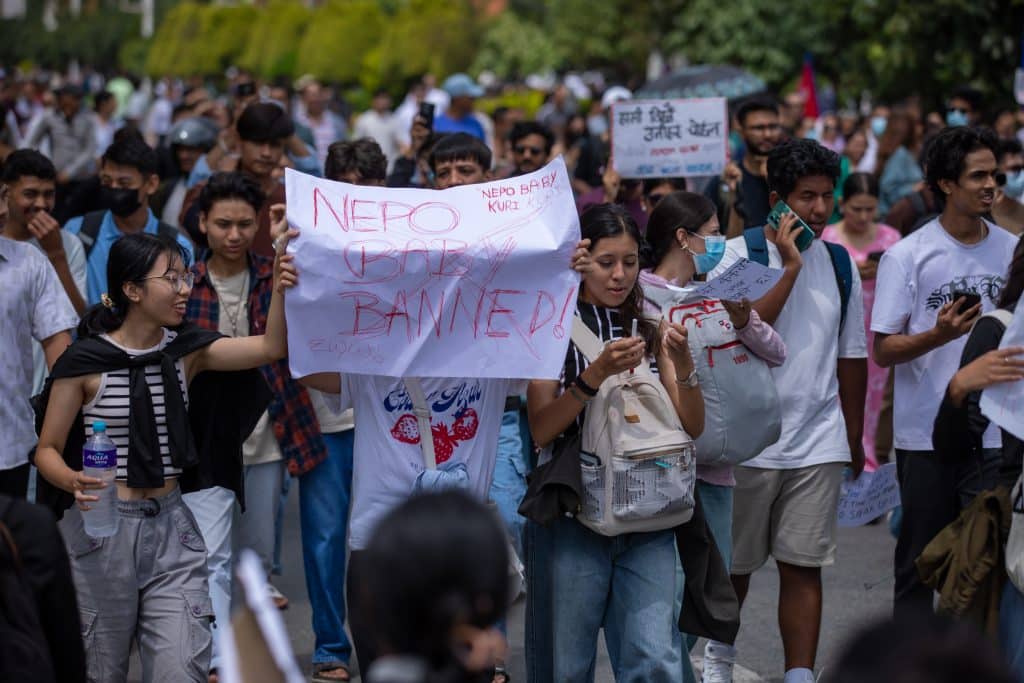
Equally as important, social media has also enabled movements to transcend borders.
The crisis in Palestine offers perhaps the clearest example. In a context where domestic protest is brutally suppressed and often irrelevant to state policy, videos shared online have sparked international outrage. Gen-Z across Europe and North America have organized mass demonstrations in solidarity, proving that digital activism can convert distant struggles into global movements. Before the internet, such a response would have been unimaginable.
This borderless capacity for mobilization is what distinguishes Gen-Z. By combining speed, visibility, and global reach, they have transformed protest into a force capable of reshaping politics and society on a scale no previous generation could achieve.

The new blueprint for activism
Social media has fundamentally changed the landscape of political and social activism.
Gen-Z, as the first generation to grow up fully online, has mastered this tool and used it to achieve real political change. What once took years of grassroots organizing can now be achieved in weeks, sometimes even days.
In harnessing this technology, Gen-Z is not only rewriting the rules of activism but also proving that youth movements can deliver tangible political outcomes. And by doing so, they are not only shaping the politics of today but establishing the blueprint for activism for decades to come.
The revolutions of tomorrow may look different from those of the past, but if current trends hold, they will almost certainly bear the fingerprints of Gen-Z.