
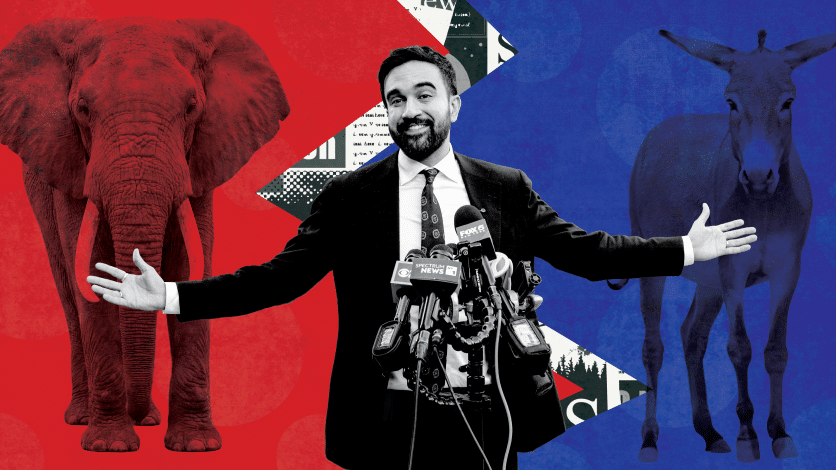
As we approach the sixth month of New York City’s Mayor Mamdani’s administration, it is beginning to raise questions about how his mayoral campaign has actually served the community, and whether his policies have created a partisan divide among both Republican and Democratic lawmakers. For a generation of new voters, is he the influence the people of New York City should listen to?
Time defines culture, and it does not exclude people’s opinions of Zohran Mamdani and his leadership. For many younger voters and working-class residents, he represents a new era of politics centered around affordability, tenant protections, and stronger public investment.
For others, his administration has raised growing concerns about whether his ambitious agenda can realistically function within a city as economically fragile and politically divided as New York.
Rising Taxes
On April 15th, also known as Tax Day, Mayor Zohran Mamdani unveiled one of his most important campaign promises: taxing the rich.
For a city home to many S&P 500 companies and some of the world’s wealthiest corporations and individuals, raising taxes on the rich is a policy many Republican politicians oppose. The proposal drew criticism when Mamdani first announced it in the early stages of his campaign.
The policy called the pied-à-terre would impose a massive tax on the ultra-rich worth over $5 million on luxury homes, which commonly remain vacant throughout the majority of the year.
The tax policy can help close the budget gap and fund public services like childcare, and address a corrupt system that didn’t help New Yorkers struggling with welfare. Others argue that reducing inequality and investing more resources in struggling neighborhoods is necessary.
However, it is simply not that easy.

The Republican perspective views his new tax policy as a way to drive away high-income residents and increase inflationary pressures on small businesses, which were already struggling financially after COVID-19. It could create long-term economic consequences by pushing major corporations, investors, and wealthy residents away from the city.
As a self-proclaimed democratic socialist, Mamdani’s goal is to keep everyone afloat equally, but implementing this policy could send the message that New York City is neither fair nor financially safe for small business owners.
Since taking office in January, Mamdani’s pied-à-terre tax has proven that he is following through on his plan to reduce the influence the ultra-rich have over New York City’s political and economic landscape.
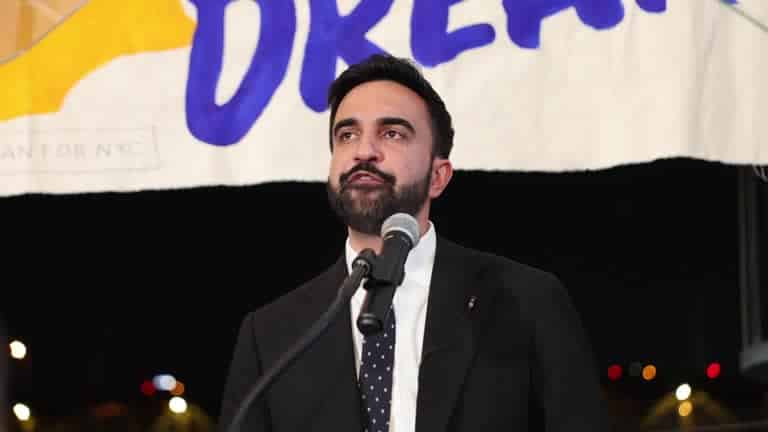
Housing Crisis
Albany and the City Council have had mixed reactions to Mamdani’s agenda to raise property taxes and increase pressure on both corporate and luxury real estate interests.
These policies aim to reduce inequality and invest more resources into struggling communities, but they also raise questions about their long-term impact on economic growth and investment in New York City.
Hedge fund manager Ken Griffin strongly opposed the pied-à-terre tax passed by Mayor Mamdani and Governor Kathy Hochul. The plan would add a yearly tax on luxury second homes, with properties worth over $3 million subject to higher rates.
Griffin is a strategic billionaire who made his money through Citadel Financial Services and has achieved multi-billion-dollar success, while owning his first 24,000 square-foot property at Billionaire’s Row in Midtown Manhattan. Despite primarily living in Miami, the pied-à-terre tax could significantly increase his annual tax bill because of this expensive New York property.
As with many others who own property in the city but do not live there full-time, Griffin and others oppose pied-à-terre but lack the collective authority to influence tax policy.
Mamdani targeted Griffin in a political advertisement on the pied-à-terre tax policy, highlighting Griffin’s Manhattan penthouse as a prime example of the extreme luxury properties targeted by this proposal.
In response, Griffin said, “Mamdani has made it very clear—New York does not welcome success.”
The Snow’s Impact
Mayor Mamdani has been ridiculed for his minimal efforts in helping reduce the snow problem during the winter. For weeks, the city had endured incredibly cold weather and flurries of snow that lay untouched on the sidewalks.
Despite not working on the front lines of the New York City Department of Sanitation, responsibility for the city’s response ultimately rests with the administration. As the mayor, Mamdani is still responsible for how the city responds to and addresses safety concerns stemming from residual snow across the city’s public infrastructure.
As snow turned to ice, residents — including older people, people with disabilities, and caregivers — had to navigate dangerous sidewalks and roadways with caution. The conditions disrupted everyday activities and raised concerns about whether the city was prepared for a storm of this magnitude.
According to The New York Times, a powerful snowstorm hit the Northeast in late January, killing several people from the extreme cold. The snowstorm put Mamdani’s credibility in creating a safer city at risk, especially after the second snowstorm in late February, which officials described as one of the worst to hit New York since 2017.
Chance for Redemption
Since Mayor Mamdani is not limited to addressing everyday issues, such as his key campaign promises on housing affordability and healthcare, New Yorkers have the right to evaluate how his administration responds in moments of crisis — including condemning snow removal and outreach efforts.
When the second snow storm hit the city, Mamdani took a more aggressive approach to the city’s recovery.
While Mamdani’s administration experimented with several policies and struggled to implement them effectively during the first storm, it responded more decisively from the very beginning of the second storm.
The administration called on volunteers from across the city and paid them $20 an hour to help clear snow from neglected neighborhoods. It also expanded outreach efforts to move people living on the streets into shelters and away from dangerous weather conditions. Although the city still experienced some hiccups, unlike during the first storm, officials reported no outdoor deaths in the aftermath of the second storm.
These efforts showed a willingness to learn from mistakes and for Mamdani to adapt his response when faced with criticism. Many viewed these actions as more thoughtful and community-driven than those of previous New York City mayors.
Still, the question remains whether these improvements came too late. While Mamdani demonstrated growth as a leader after the first storm, many argued that the deaths, injuries, and hardships caused by the initial response could simply not be forgotten.
Challenges with the DOE
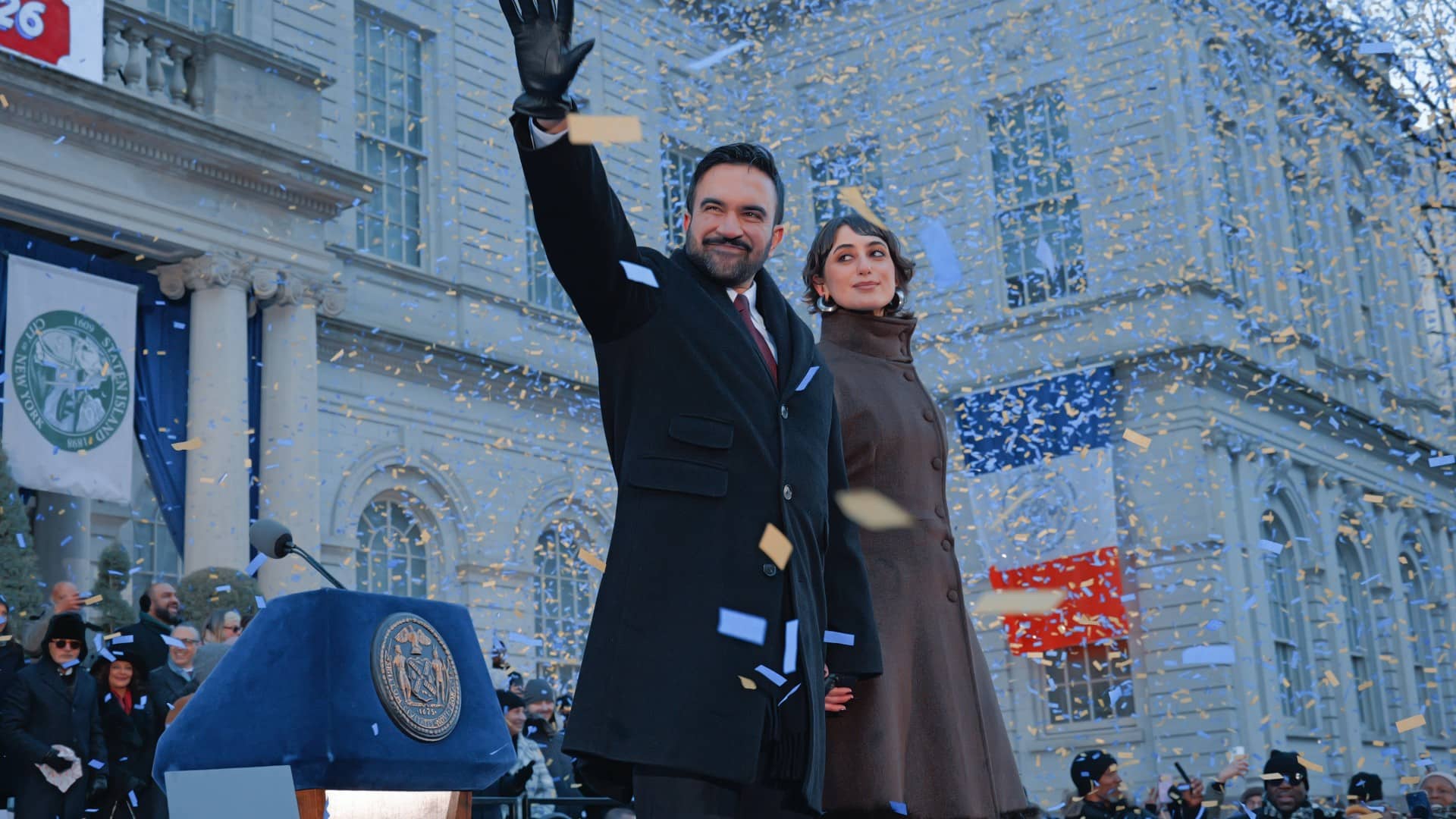
Mayor Mamdani met with Kamar Samuels, the chancellor of New York City Public Schools, and discussed the state mandate for smaller classroom sizes for the class of 2027 and beyond. Mamdani promised to reallocate $1.5 billion in the city’s capital to expand the mandate and provide more resources for smaller classrooms.
Since the proposal, the state legislature has agreed to a two year extension deadline for the smaller classroom mandate, and offered a $5.7 billion budget by deferred payments.
These rapid policy changes alerted the New York State Education Department, questioning whether they are financially sustainable and scalable across such a large system.
This proposal, in action — specifically, rapid restructuring within schools — could disrupt school stability for students, teachers, and administrators alike, who are already facing overcrowding, staffing shortages, and unequal resource distribution across districts.
The Issue at Hand
Teacher retention, especially, remains a pressing issue, as many educators continue leaving the profession due to burnout, safety concerns, and insufficient classroom support.
“New York City needs to question teacher burnout and end its reliance on unpaid labor,” said an anonymous teacher affiliated with the United Federation of Teachers.
According to Recent Trends in Teacher Retention & Hiring in New York City Public Schools, teacher retention has declined and staffing has dropped by 2,500 since COVID-19.
Teachers already deal with so much pressure, serving as role models and leaders of the youth both inside and outside the classroom. Now, having to adjust to changes in curriculum and educational policies under Mayor Mamdani hauls another responsibility for an already burdened workforce.
As partisan opinions on K–12 education become increasingly divided — particularly over government and school board influence, curriculum content, and the role of teachers’ unions — pressure on educators continues to grow, contributing to rising concerns about teacher burnout.
Voices of Concern
The culture and energy surrounding Mamdani’s leadership have undoubtedly inspired many people across the city. However, the central question remains whether that momentum can translate into effective governance.
Supporters see him as a transformative leader capable of reshaping New York for ordinary citizens, while critics fear his policies could increase instability during an already uncertain economic period.
Jessamyn Lee, a member of the Panel for Educational Policy of New York City (PEP), communicated the challenges the DOE has with Mayor Zohran Mamdani.
“Every new mayor comes in with a new set of educational priorities, which is inherently disruptive to our education system,” Lee said.
New reform can create disruption for old structures — especially in the DOE. The change in candidacy can create real difficulty in promoting long-term success within the DOE and can stymie future plans. Mamdani’s reversal on ending mayoral control highlights the difficulty of education reform in the city.
Keeping mayoral control may allow political priorities to shift with each administration, creating continued instability within the DOE, and raising questions about whether true structural reform can occur under the current system.
The Future is Now
Altogether, it is important to recognize that a politician will never be the perfect representative of your policies. What may be ideal for someone may be a flaw for another, making it challenging to craft the perfect candidate.
Some of Mayor Mamdani’s proposals have sparked a mix of reactions; however, he has united a whole new demographic of voters and could be the force behind brighter days in New York City.
It is time to look forward and continue to see the bright spots in the early days of his mayoral campaign.