

The shimmer of a lip gloss once felt like a rite of passage. It was just a small plastic tube tucked away for high school dances or weekend trips to the mall. Today, that rite of passage has moved from the vanity of a teenager to the playroom of a primary schooler.
As digital landscapes like TikTok and Instagram become the primary playgrounds for the modern generation, the definition of girlhood is shifting. Girls are no longer just playing with their mother’s lipstick. Young girls are following multi-step chemical exfoliation routines and curating wardrobes filled with trend-driven skin-flaunting clothing before they even reach middle school. This acceleration of maturity raises a pressing cultural question: how young is too young for the “adultification” of beauty? Where do we draw the line between creative self-expression and the commercialization of innocence?
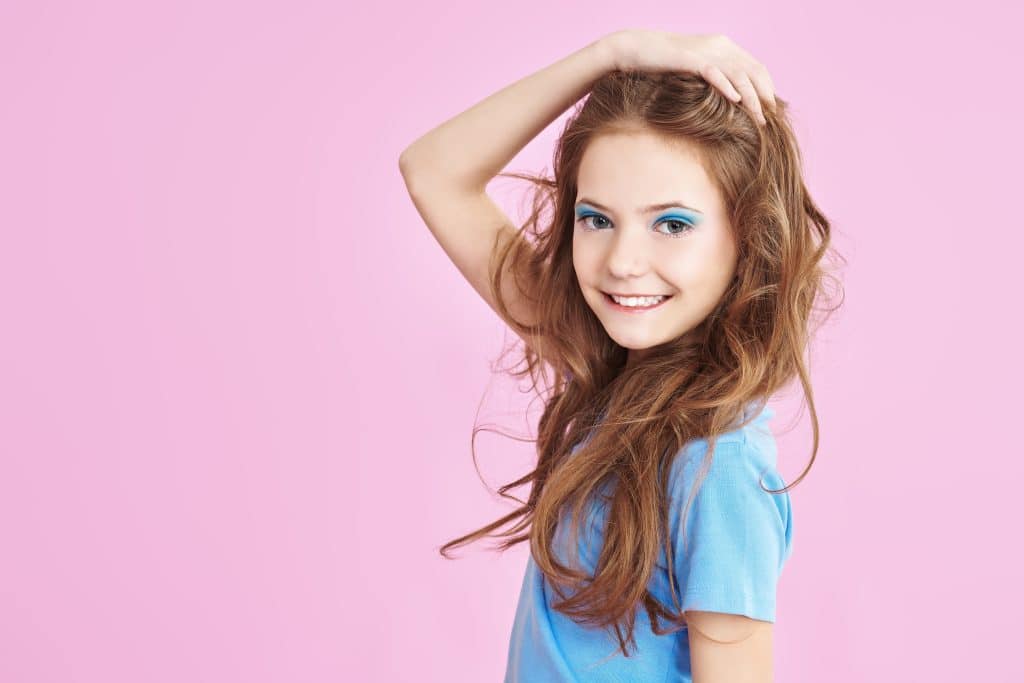
The debate is not merely about aesthetic choices but about the psychological space we allow children to occupy. While fashion and beauty have always been avenues for exploration, the intensity of these interests at such a young age is unprecedented. We are witnessing a collision between the biological pace of childhood and the lightning-fast speed of the digital beauty industry. This is leaving parents to navigate a landscape where the boundaries of “age-appropriate” are being blurred by an endless scroll of filtered perfection.
A history of play
The relationship between girls and the beauty industry didn’t emerge in a vacuum. Historically, the industry leaned into a clear distinction between “play” makeup and “real” makeup. In the 1990s and early 2000s, brands like Caboodles and Claire’s offered sheer, glittery products that were explicitly designed for children and preteens to play with in the comfort of their homes. These items were toys scented with artificial strawberry and packaged in bright, chunky plastic. They signaled to the world that the child was imitating adulthood rather than participating in it. Dressing up meant wearing oversized heels or plastic jewelry, a clear performance of grown-up life that maintained a safe distance from actual beauty standards and stayed in the form of playtime.
Cinema further cemented this narrative. Movies like “The Princess Diaries” or “13 Going on 30” depicted the transition into beauty as clumsy. It was often a comedic journey once you were a teenager officially transitioning into womanhood through puberty. The “makeover” trope was a cinematic staple, but it usually served as a plot point for teenagers searching for identity in an uncomfortable life transition, not children looking to fix perceived flaws.
The Sephora Kid phenomenon
In recent years, a new demographic has taken the retail world by storm: the “Sephora Kids.” These are pre-adolescents, often as young as eight or nine, who frequent high-end beauty boutiques to purchase luxury beauty products. Unlike the glitter-glue era of the past, these children are seeking out active ingredients like retinol and AHAs, products designed for aging skin or severe acne. The shift is largely driven by the democratization of professional beauty advice through social media. The influencer demonstrating a “Get Ready With Me” (GRWM) video no longer just includes fellow adults; it includes children who view these routines as the new normal.
This trend has created a friction point in physical retail spaces. Employees and shoppers have noted the influx of young girls in aisles previously reserved for adults. They often witness children handling expensive testers with little regard for the products’ intended use. Beyond the retail chaos lies a deeper concern regarding the loss of childhood messiness. The Sephora Kid represents a generation that has been convinced that their natural, unprepped skin is not good enough. The transition from play-acting to literal skin maintenance marks a significant shift in how girls perceive their own bodies. Kids have moved from a sense of wonder to a sense of correction before they have even finished growing.
The kidfluencer
Social media platforms are the primary architects of this early entry into beauty culture. Algorithms are designed to push content that garners engagement. Few things on social media are as engaging as the visual transformation of a beauty tutorial. For a young girl, seeing a creator achieve “flawless” skin through a dozen different products creates a powerful psychological blueprint. The influencer becomes a peer, a mentor, and a salesperson all at once. Since these platforms are highly visual, the emphasis is placed on the external, leaving little room for the internal development of the tween years.

In comes the rise of “kidfluencers.” These young creators, some barely out of elementary school, have gained massive followings by filming “Get Ready With Me” videos that blur the line between playtime and professional marketing. While these influencers can foster a sense of community and digital literacy, they often act as a peer-to-peer salesforce. It normalizes a high-consumption lifestyle to a demographic that lacks cognitive maturity.
The algorithm serves as a relentless engine for this peer-to-peer marketing culture. For some, kidfluencing offers a creative outlet, early career skills in editing and branding, and a way to find like-minded friends in a global space. However, beyond the physical risks of using strong products that a child has no expertise or qualifications to dole out or recommend to anyone, there is the digital footprint to consider. Early exposure can lead to burnout, loss of privacy, and a self-worth tied entirely to likes and metrics. Most platforms, like TikTok, have a minimum age requirement of 13, yet kidfluencer content often targets and is created by children much younger. This has raised questions around child labor and the need for parental management on social platforms.
Capitalizing on insecurity
The beauty industry is a business, and businesses require growth. As the adult market becomes saturated, brands have looked toward the kidfluencer to expand their reach. While many brands claim they do not intentionally market to children, their packaging and influencer partnerships suggest otherwise. Brands perfectly calibrate bright colors, youthful branding, and social media strategies to capture the attention of a ten-year-old. By normalizing complex skincare and makeup routines for children, the industry creates a lifetime consumer. If a girl starts a five-step skincare routine at nine, she is likely to remain a beauty consumer for the next sixty years.
This strategy capitalizes on the natural insecurity that comes with growing up. The tween years are a period of immense change, where the desire to fit in is at its peak. By offering products as a solution to this social anxiety, brands position themselves as essential tools for survival. Dermatologists warn that high-potency actives like retinol, designed for adult cell turnover, can cause chemical burns or permanent sensitivity on the thinner skin barrier of a child. The danger lies in the fact that these products are often unnecessary or even harmful for young skin and bodies.
Mental health and the mirror
The psychological impact of early exposure to beauty standards is profound. Psychologists have long warned about the “objectification theory.” This can lead to higher rates of body dissatisfaction, eating disorders, and anxiety. The mirror, which should be a tool for self-discovery, becomes a site of judgment.
Moreover, the filtered reality of the internet exacerbates this. When kids believe they can achieve the perfect look because of an influencer using a beauty filter, they are chasing an impossible standard. This creates a cycle of “not-enoughness” that can follow kids into adulthood. The dopamine hit from a like on a photo of her in a crop top and full glam can become a primary source of validation. It begins overshadowing other achievements like academic success, sports, or creative talents. Maintaining a persona consumes mental energy that a child should instead spend on the experience of simply being a child.
The case for creative expression
To understand the full scope of the debate, we must also acknowledge the pros of beauty and fashion exploration. For many girls, makeup is a form of art. It is a way to experiment with color, texture, and identity in a controlled manner. Dressing in trendy clothes can be a way to feel a part of a community with like-minded girls. When viewed through the lens of creativity, beauty culture can be empowering. It can foster a sense of belonging among friends who share tips and techniques. It can also lead to an interest in a career in fashion and beauty.
The key distinction lies in the motivation. There is a difference between a girl who puts on eyeshadow because she thinks it looks like a mermaid and a girl who applies concealer because she is afraid she’s “aging.” Encouraging the former while cautioning against the latter allows for the benefits of self-expression without the heavy weight of adult expectations.
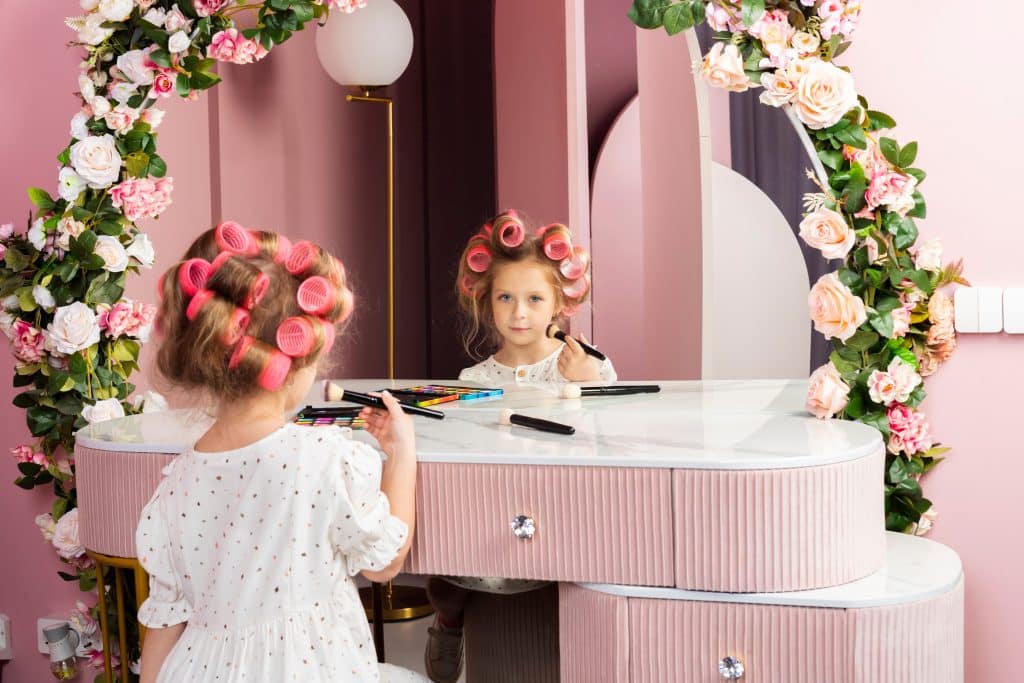
A delicate balance
So, how young is too young? There is no magic number, but the beauty industry and social media platforms will likely continue to evolve, finding new ways to integrate themselves into the lives of the young. The conversation around Sephora Kids and early adultification is just the beginning of a larger cultural reckoning. We must decide as a society whether we value the commercial potential of children more than their psychological well-being.
Childhood is a fleeting period of life. It is the only time we are truly free from the pressures of the external gaze. Beauty exploration goes too far when the activity stops being fun and starts being a requirement for social acceptance. When a child feels they cannot leave the house without a certain product, or when they let the opinions of others dictate their clothing choices, the balance has shifted. The role of the adult is to provide a framework of media literacy.
Talking to girls about why they want these things is more effective than simply saying “no.” Protecting that freedom requires a collective effort from parents, educators, and the brands themselves. Additionally, setting boundaries such as reserving certain styles of dress for specific ages as milestone markers can help preserve the distinction between childhood and adulthood. Championing a version of girlhood that is unpolished and wildly creative allows us to push back against the pressure to spend our lives relying on outer beauty. The goal is to allow girls to enjoy the sparkle of the beauty world without letting it dim their internal light. By protecting the boundaries of childhood, we ensure that when they do finally step into the world of adult beauty, they do so with a solid foundation of self-worth that no amount of makeup could ever provide.