“May the thrift gods be in your favor,” my sister jokes as we push open the doors and step inside. We’re running on iced coffee and a dream, the unofficial fuel of any good thrifting trip. The fluorescent lights buzz overhead, carts rattle against the tile floor, and somewhere across the store, someone gasps loud enough to turn heads. It means they’ve found something good.
The racks are packed so tightly they barely move. Hangers scrape together as people dig through layers of forgotten denim, oversized sweaters, and dresses from decades past. At the far end of the store, a group crowds around a cart of freshly rolled-out clothes, hands moving quickly before someone else claims the best piece. There is no search bar here, no filters, no “recommended just for you.” Just patience, luck, and the possibility that the next hanger might hold the perfect vintage jacket.
For Gen-Z, thrifting has become a kind of modern treasure hunt.
Raised on the rack
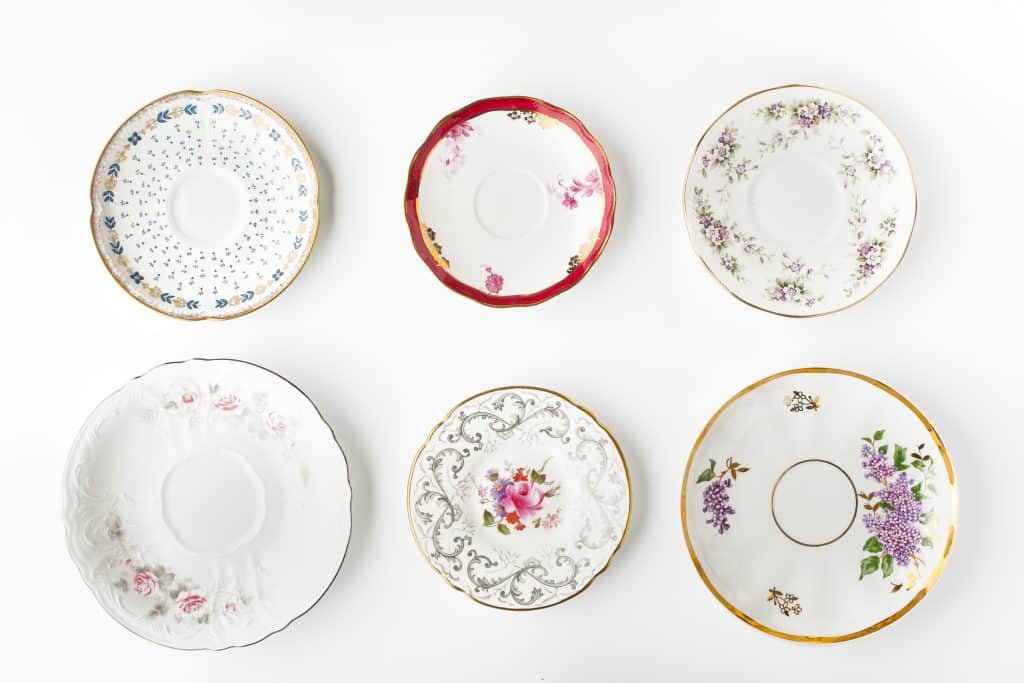
I come from a long line of thrifters. My mom is the biggest one I know. Our house is full of secondhand finds: Glassware, dishes, little decorative pieces, and an entire collection of housewares gathered slowly over years of digging through thrift store shelves. To her, every item has a story, or at least the possibility of one.
Both of my grandmothers love secondhand stores too, the kind where you never know what you might find tucked between the racks. My grandparents even volunteered at one for years, sorting donations and helping run the place. Eventually, I volunteered there too, folding sweaters, hanging jackets, and learning how quickly a good item disappears once it hits the floor. Some of my earliest accessories came from those racks. My first pair of earrings, turquoise blue and shell-shaped, were thrifted.
Back then, thrifting wasn’t trendy. It was practical. But somewhere along the way, a new generation discovered the same thrill my family had known all along.
Today, thrifting has exploded among Gen-Z shoppers, transforming secondhand stores into cultural hotspots. In a world built on overnight shipping and algorithm-curated shopping, the chaos of the thrift store feels like a radical choice. You cannot search for exactly what you want or filter by aesthetic; you have to dig. Sometimes you leave empty-handed. But when you finally earn that perfect piece, it feels earned.
The rise of the resale generation
Thrifting is no longer a quiet hobby tucked away in the small-town thrift stores. It has become a full-blown cultural movement, especially among Gen-Z shoppers.

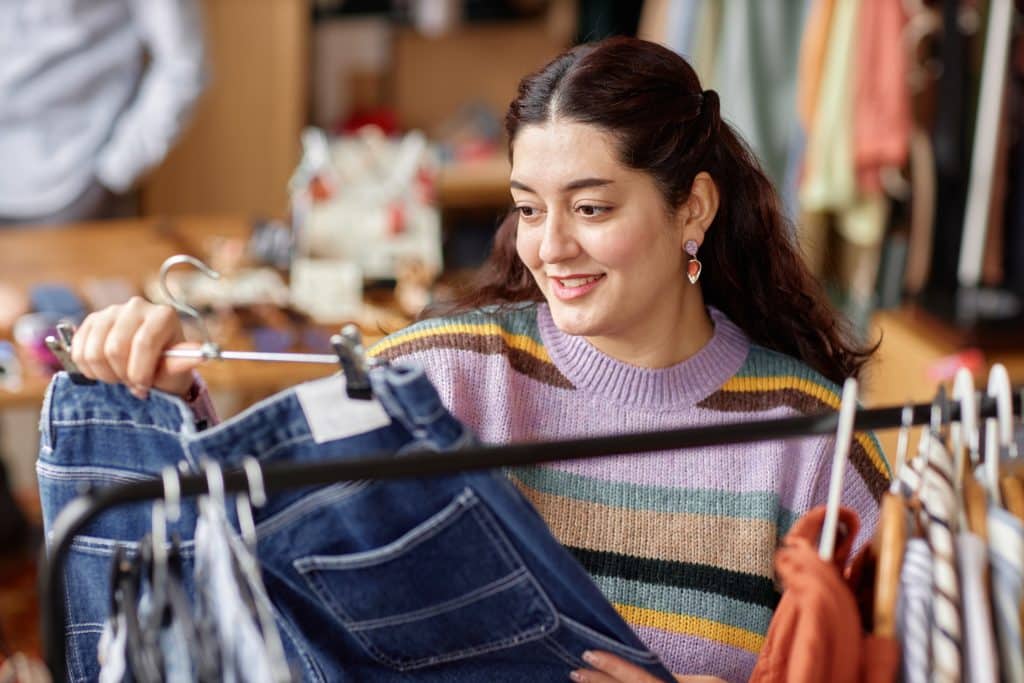
Secondhand fashion has surged in popularity in recent years, fueled by a mix of economic pressure, environmental awareness, and changing attitudes toward consumption. Younger shoppers are increasingly drawn to resale markets, vintage stores, and local thrift shops.
Part of the appeal is financial. For college students and young adults navigating rising costs, thrifting offers a way to experiment with fashion without paying full retail prices. A vintage leather jacket can sometimes be buried on a rack for a fraction of the price.
But affordability is only part of the story. Many Gen-Z shoppers are also pushing back against fast fashion and the massive waste that it produces. According to research highlighted in a recent Forbes article on Gen-Z’s shift toward “postmaterialism,” nearly three out of four Gen-Z consumers say sustainable practices matter more than brand names when deciding what to buy.
This mindset has helped fuel the rapid growth of the resale market. Today, the thrift and secondhand apparel industry generates more than $50 billion annually in the United States, making it one of the fastest-growing sectors in fashion.
Yet, sustainability doesn’t fully explain the obsession.
Digital thrifting
For many Gen-Z shoppers, thrifting isn’t just about buying secondhand. It is about participating in a larger resale culture. Platforms like Depop have turned secondhand fashion into a digital marketplace where users can buy, sell, and curate their own storefronts. When scrolling through the app, you’ll find everything from 90s slip dresses to 2000s digital cameras.
The platform has become especially popular among college students, many of whom treat it as both a side hustle and a way to refresh wardrobes without buying new clothes. A skirt found at a thrift store for a few dollars might reappear online, styled, photographed, and resold to someone hundreds of miles away.
But while resale apps have made secondhand fashion easier to access, they still don’t replicate the thrifting experience. Online, you can search by brand, size, and aesthetic. In a thrift store, you can’t. You dig, you sift, and sometimes you leave without finding anything.
The thrill of the hunt
If online resale makes secondhand shopping easier, thrifting in person keeps it exciting.
If you walk into a busy thrift store on a Saturday morning, the energy is almost competitive. Shoppers move quickly between racks, fingers slide down hangers in a practiced rhythm. Some head straight for the denim section, while others make a beeline for the accessories and bags. Everyone is searching for something, even if they are not exactly sure what it is yet.
At places like Goodwill outlet bins, the experience becomes even more intense. Large rolling carts of unsorted clothing are wheeled onto the floor, and shoppers gather around waiting for the signal to begin. When the carts open, people begin digging through large, unsorted piles of clothes. They scan tags, hold the clothing for an exam, and toss potential finds into carts before someone else can claim them.
The process can feel chaotic, but that is part of the appeal. Unlike scrolling through endless online listings, thrifting rewards patience. It requires time, curiosity, and the willingness to sort through dozens of ordinary items before discovering the one that feels special.
For many Gen-Z shoppers, the moment of discovery is the entire point.
“My favorite part is when you almost give up,” says a friend of mine, a college student who regularly thrifts. “You’ve looked through ten racks and found nothing, and then suddenly there is, like, the coolest sweater you’ve ever seen just hiding in between random stuff.”
That sense of surprise is something traditional retail rarely offers. In most stores, shoppers know exactly what they’re looking for before they even walk in. But in a thrift store, the best finds are the ones no one expects.
“You can’t plan a good thrift trip,” my sister, a recent college graduate and recent thrifter. “You just show up and hope the thrift gods are on your side.”
For many Gen-Z thrifters, the unpredictability is exactly what makes the experience addictive.
Clothes with a past
Part of what makes thrifting special isn’t just the thrill of finding something good; it is the reminder that every piece has lived a life before you.
Unlike brand-new clothing pulled straight from a warehouse, secondhand items carry small traces of the people who owned them first. A faded tag, softened from years of washing. An altered hem stitched by hand, or receipts found in the pockets of old handhangs.
For some thrifters, those details are part of the charm. The clothing feels less like a product and more like a story waiting to continue.
Growing up, I saw that mindset in my own home. My mom has always loved thrifting, especially for housewares. Over the years, she has built an entire collection of secondhand glassware, dishes, and decorative pieces. They are items that gathered slowly from shelves and donation bins that many shoppers might have just passed by.
To her, each object has its own history. A hand-painted plate might have once sat at someone else’s dinner table. A vintage mug might have been someone’s favorite morning cup before it landed on a thrift store shelf.
Clothing works the same way. When you buy something secondhand, you inherit a piece of the past while also giving it a new future. In a fashion industry built on constant newness, that idea becomes intimate.
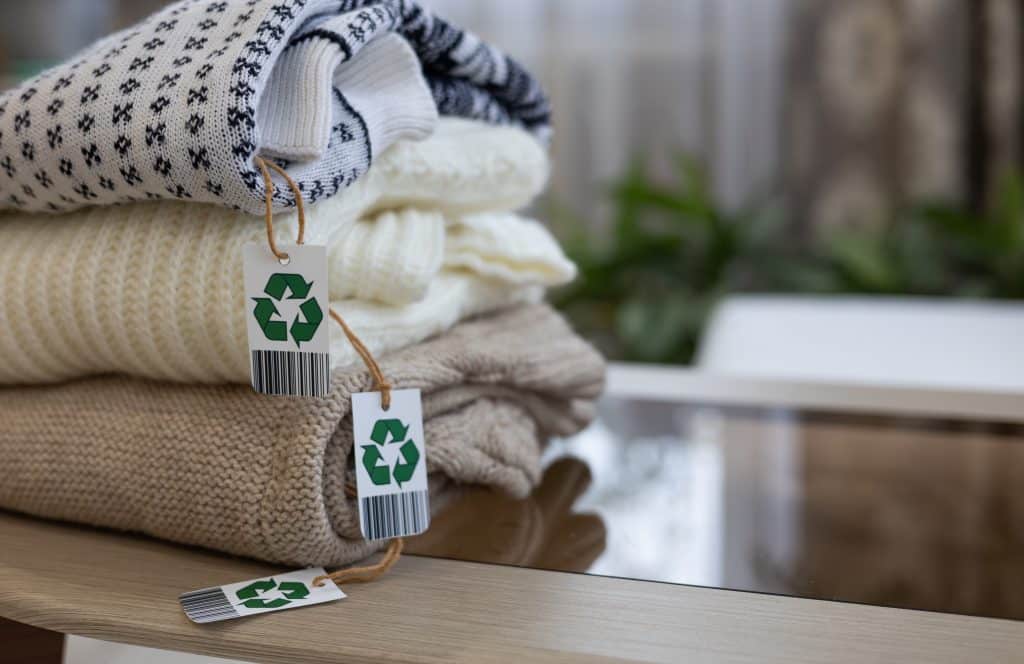
Instead of something disposable, the item becomes a part of an ongoing life, moving from closet to closet, wearer to wearer.
More than just a trend
In a culture built on instant access, thrifting offers something rare: the joy of discovery.
There is no overnight shipping, no carefully curated algorithm suggesting the next purchase. Instead, there are crowded racks, mismatched hangers, and the possibility that something incredible might be hiding in plain sight.
For Gen-Z, that unpredictability is part of the appeal. Thrifting slows shopping down, which turns it into an experience rather than a transaction. It asks for patience and sometimes a little faith in the thrift gods.
Beyond the thrill, thrifting also offers an escape from the cycle of constant sameness. The pieces are older, stranger, and often hard to replicate.
Every vintage jacket, worn in a sweater, or a unique pair of earrings carries a small piece of history. And when someone discovers it on a crowded rack and decides to take it home, that story continues.
One racks’ trash becomes someone else’s treasure.