If you’ve spent more than five minutes on TikTok lately, you’ve probably come across an edit of a character who, realistically, should have everyone running in the opposite direction.

Somehow, the internet has made a habit of falling in love with the worst person in the room.
From Joe Goldberg and Homelander to Daemon Targaryen, Loki, and Lestat de Lioncourt, morally grey characters have become some of the biggest stars in modern television. They’re manipulative, selfish, violent, and sometimes completely unhinged. Yet audiences continue to defend them, analyze them, and obsess over every scene they’re in.
So what makes these characters so hard to look away from?
It’s More Than Just Being the Villain
The easiest explanation is that people simply like bad characters. But if that were true, every villain would have the same devoted fanbase as someone like Lestat, Loki, or Daemon Targaryen, and that’s clearly not the case.
What sets these characters apart is that they aren’t completely good or completely evil. They exist somewhere in the middle. They make terrible decisions, hurt the people around them, and often cross lines that can’t be ignored. At the same time, they’re given depth, believable motivations, moments of vulnerability, and even genuine acts of kindness. They’re messy, emotional, and unpredictable, which makes them feel far more human than characters who always know the right thing to do.
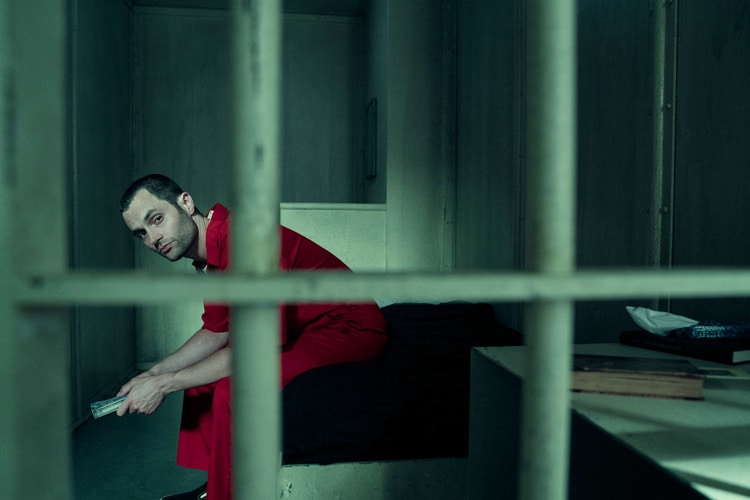
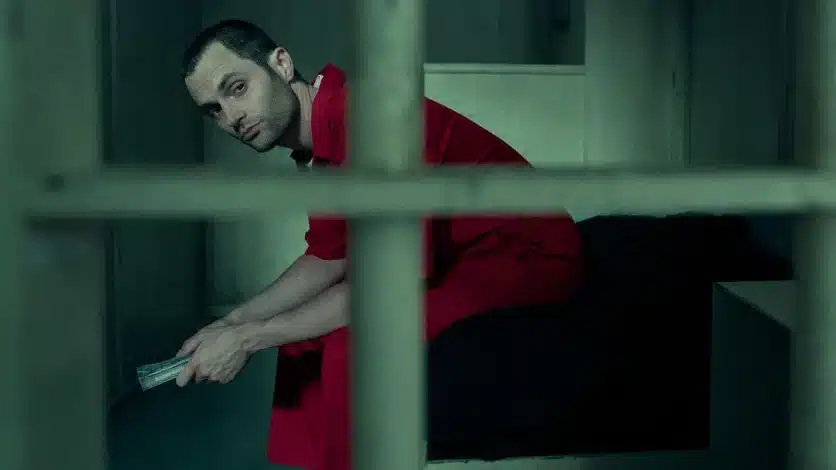
Take Joe Goldberg, for example. He’s a serial killer, yet the audience experiences much of You from his perspective. Viewers hear his inner thoughts, understand how he justifies his actions, and watch him convince himself that everything he does is for love. It doesn’t make his actions acceptable, but it does make him fascinating to watch.
The same goes for Lestat de Lioncourt. He can be manipulative, selfish, and cruel, yet he’s also deeply lonely, passionate, and desperate to be understood. The audience sees every side of him, making it difficult to view him as simply the villain. That fascination with flawed fictional characters isn’t limited to television, either. As Trill explored in “Dark Romance: Romanticizing Abuse or Fun Fiction?” readers have been having similar conversations about morally grey love interests in books, proving this trend extends far beyond the screen.

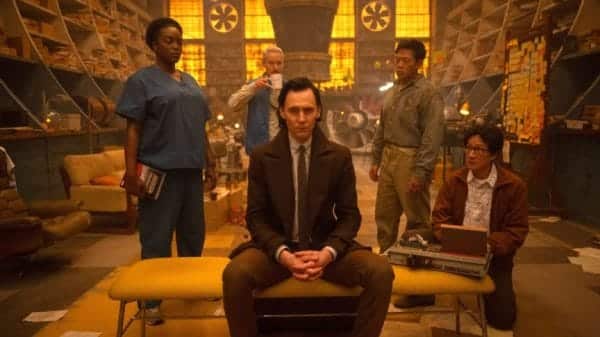
Even Loki, who was introduced as one of Marvel’s biggest antagonists, became a fan favorite because audiences were given the chance to understand his insecurities, his relationship with his family, and his desire to prove himself. Instead of staying one-dimensional, he grew into one of the franchise’s most complex characters.
The same pattern appears with Daemon Targaryen and Homelander. Their actions often make audiences question why they’re still invested in them, yet viewers continue coming back because they’re impossible to predict. Whether people love them, hate them, or fall somewhere in between, they’re rarely boring.
Maybe that’s the real difference. Perfect heroes often tell us what the right choice is. Morally grey characters force us to ask ourselves what we would do in the same situation—and that’s a much more interesting conversation.
The Social Media Effect
It’s hard to imagine talking about television today without talking about social media.
Years ago, you’d watch an episode, maybe text a friend about it, and move on. Now, the second the credits roll, TikTok is already flooded with edits. X is arguing over every scene, Instagram is posting screenshots, and Reddit has somehow already come up with five new theories.
That’s a huge reason why these characters have become so popular.

A lot of people don’t even discover a show through a trailer anymore. They discover it because a thirty-second edit shows up on their For You Page. Maybe it’s Joe Goldberg staring into the camera while a sad song plays, or Lestat delivering one of his dramatic speeches. Maybe it’s Daemon Targaryen walking into a room looking cool for ten seconds. Suddenly, people are asking, “Wait…what show is this?”
It’s happened over and over again. Fans have discovered Interview with the Vampire, House of the Dragon, and even older shows because of edits alone. Sometimes one viral clip does more for a show than an entire marketing campaign.
Of course, fan edits don’t erase everything these characters have done. Nobody is pretending Joe Goldberg isn’t a serial killer or that Homelander is secretly a good guy. But social media has a way of highlighting the parts of these characters that make people want to understand them. Their confidence, their humor, their vulnerability, or even just the fact that they’re entertaining to watch.
Maybe that’s why the conversation around these characters never really ends. Once an episode is over, the fandom keeps it alive. People make edits, share theories, argue in the comments, and somehow find a new reason to talk about the same character all over again.
More Than Just Fan Favorites
Lestat de Lioncourt

Lestat proves that charisma can completely reshape how audiences see a character. Throughout Interview with the Vampire, he lies, manipulates, and hurts the people closest to him, yet he’s also one of the show’s most beloved characters. Much of that comes from how layered he’s written. He’s charming one moment, vulnerable the next, and impossible to predict. Rather than seeing him as simply the villain, audiences are invited to understand his loneliness, his fears, and his complicated relationships, making him one of television’s most fascinating antiheroes.
Joe Goldberg

Joe Goldberg is probably one of the clearest examples of perspective changing everything. Because You is told largely through his point of view, audiences hear every excuse, every justification, and every attempt to convince himself that he’s doing the right thing. Viewers know he’s dangerous, but the narration creates a strange sense of familiarity that keeps people watching season after season.
Daemon Targaryen

Daemon Targaryen has become one of the most talked-about characters in House of the Dragon despite making choices that are often selfish, reckless, and violent. He’s unpredictable, fiercely loyal to the people he loves, and completely ruthless toward everyone else. That contradiction is exactly what keeps audiences invested.
Loki
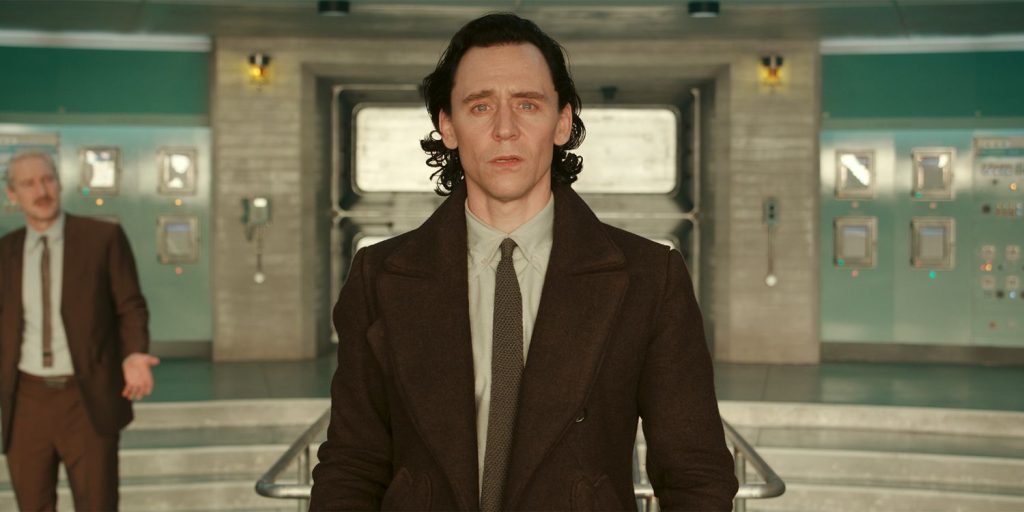
Loki shows that redemption can completely change the way audiences see a character. Introduced as one of Marvel’s biggest villains, he gradually became one of the franchise’s most beloved figures. His journey wasn’t about becoming perfect. It was about becoming more human, and audiences responded to that growth.
Homelander

Unlike the others, Homelander isn’t someone most viewers want to defend. Instead, people can’t stop watching because he’s terrifying. Every scene feels unpredictable, and that uncertainty has turned him into one of television’s most memorable villains. Even without redemption, he’s proof that complicated characters leave a lasting impression.
Why We Keep Coming Back
Maybe our fascination with these characters has never really been about whether they’re good or bad.
Instead, it’s about the fact that they feel human. They’re messy, unpredictable, and constantly making choices that leave audiences debating what they’ll do next. They make mistakes, they cross lines, and sometimes they do things that are impossible to defend. Yet they’re also the characters people can’t stop talking about once the episode is over.
Social media has only made that connection stronger. Fan edits, online discussions, and endless debates have turned these characters into more than just fictional people on a screen. They’ve become cultural conversations, with every new episode giving fans another reason to analyze, argue, or joke about what happened.
At a time when audiences have more television to choose from than ever before, the characters who stick with us usually aren’t the perfect heroes. They’re the ones who challenge us, surprise us, and leave us wondering what they’ll do next. Whether it’s Joe Goldberg, Lestat, Daemon Targaryen, Loki, or Homelander, one thing is clear: we may not always agree with them, but we definitely can’t stop watching them.