

In the recent Netflix release of The Stringer: The Man Who Took the Photo, the film calls into question the ownership of the iconic Napalm Girl photo from the Vietnam War. For a long time, credit had been given to Nick Ut, but now, as details come to light, can we conclusively say who clicked the shutter on history?
Photojournalist Gary Knight was called upon by former Associated Press Photo editor Carl Robinson. His task was to let Robinson unburden himself and reveal a truth that had been weighing on him for the past 50 years. The historic photo of Kim Phuc, a young Vietnamese girl running down a road after being severely burned by a napalm strike in Trang Bang, Vietnam, during the Vietnam War, could not possibly be accredited to its current owner Nick Ut.
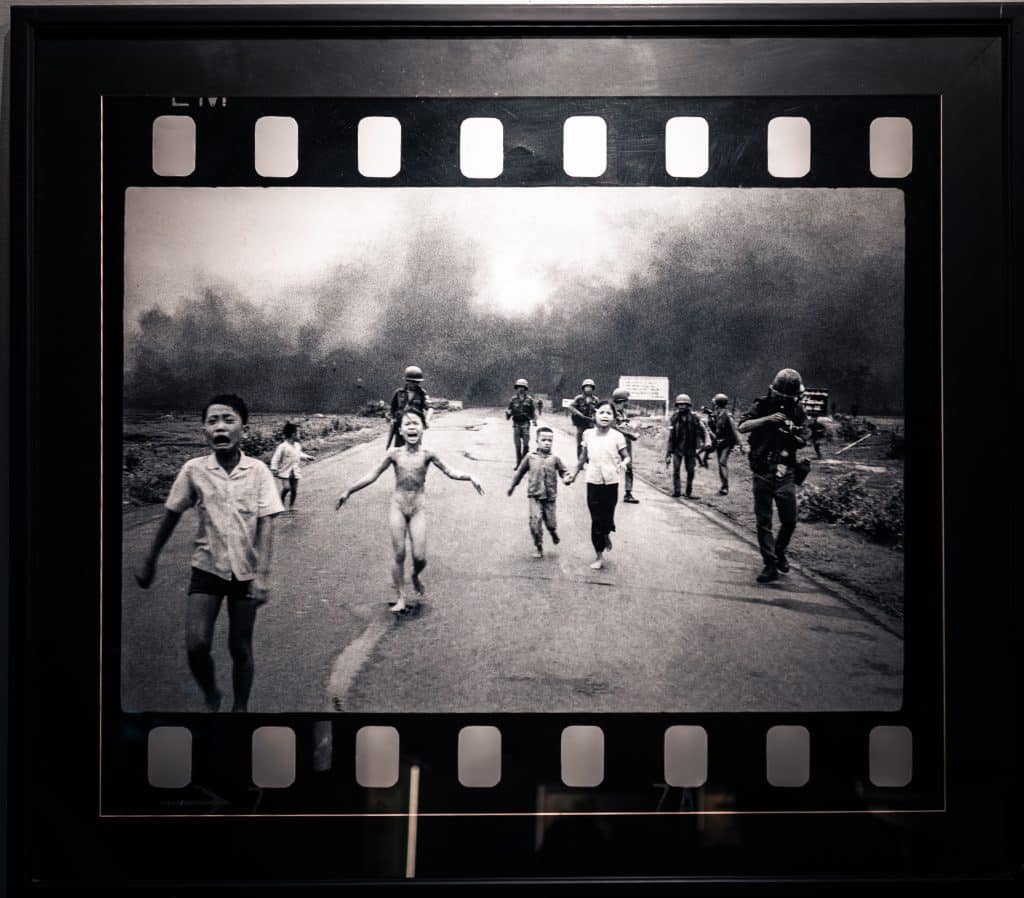
Carl Long suspected that a stringer, or a freelance photographer, may have taken the photo. The film it was taken on had then been tagged as Nick Ut’s in the darkroom. The person who insisted that this be done was none other than renowned photo editor Horst Faas, Robinson’s boss.
Something that I found to be particularly effective in this documentary is how thorough it is. It gathers all the facts about what occurred that day and treats the subject matter with the sensitivity that it deserves.
What does this mean for creative work as a whole?
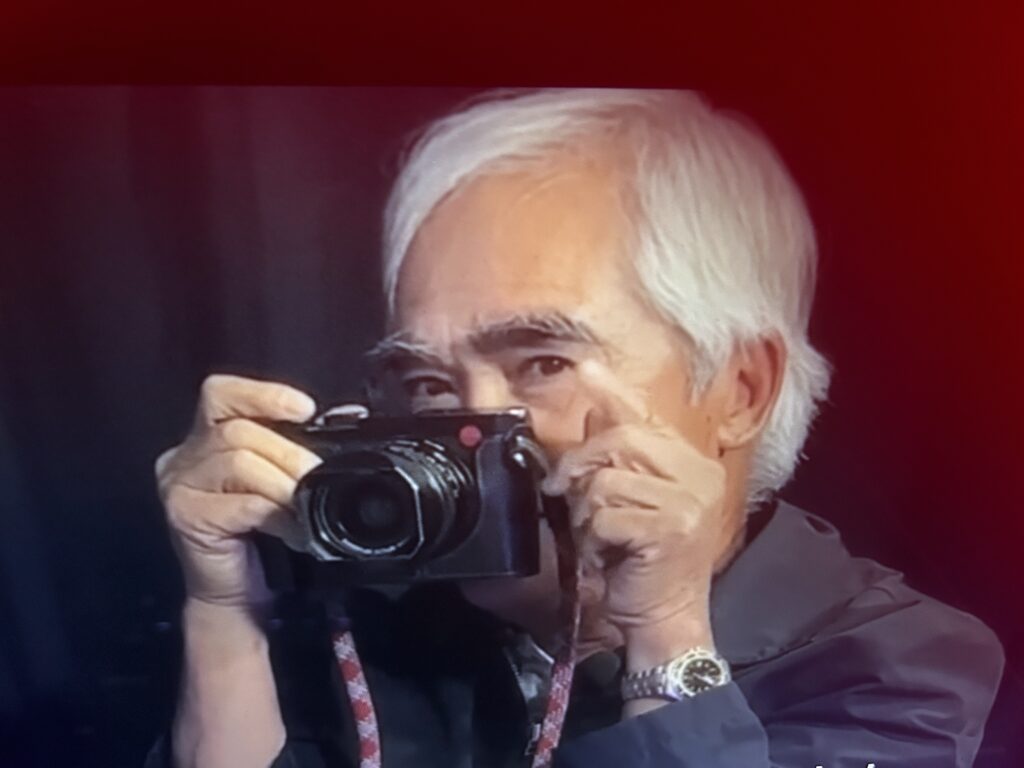
Nick Ut was presumed to have been wrongfully assigned the Napalm Girl photo by Horst Fass. Fass thought that the photo would do better if it was attributed to AP staff, who have more pronounceable American names. This tidbit of information is portrayed as an offhand comment in the documentary. It is meant to allude to the larger pattern of xenophobia that exists within the United States, particularly during the era in which the photo was originally taken.
Stringers from Vietnam were typically given a small sum, about $20 in American money, for their photos. They rarely got more. Some may argue that Nghê was paid the standard rate at the time. But why was the photo accredited to another person entirely? There is no room for questioning whether or not this constitutes the theft of a creative work.
Nghê even tried to have the photo credited to him on his own. He was given a large copy of the photo with his $20 payment. This was an unusual practice at the time and was seemingly done to mock him. Nghê tried to use the larger copy of the photo as proof of his claim. He discovered that his wife, who was frustrated with the graphic photo and meager payments of the past, had torn up the copy and disposed of it.
Who does it hurt when creative work is stolen?
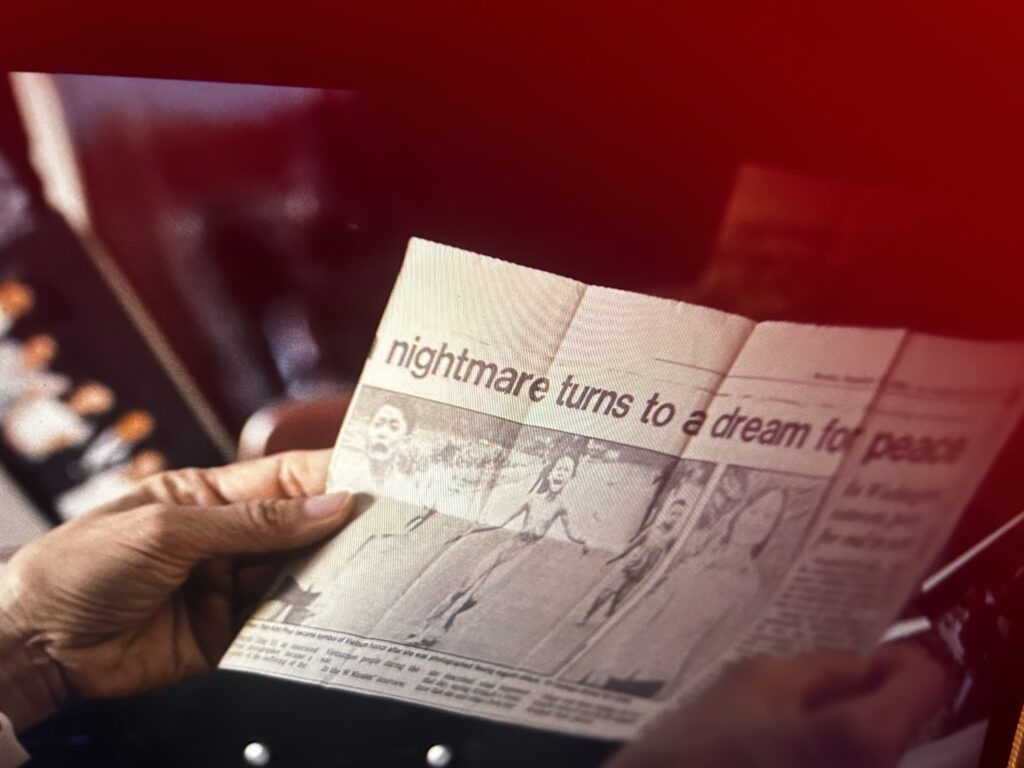
So, who suffers when art is stolen or faked? We come to find out later in the documentary that Nghê’s wife kept a copy of the newspaper clipping that commemorated the success of the photo. It remained among her belongings until her death, and the clipping was not uncovered until long after Nghê’s wife—the mother of his daughter—had passed away. This is a powerful representation of the grief and anguish endured by victims of copyright infringement, plagiarism, and any other creative crime.

Nghê’s wife watched as the world praised her husband’s work without affording him the proper recognition. Nick Út went on to continue his career as a photographer long after the photo was made public, only retiring in 2017. Nghe’s wife, fortunately or unfortunately, did not live to see her husband suffer a stroke in his old age, as investigators working with Knight attempted to contact Nghê after waiting fifty years to make their calls.
On top of everything else, Nghê endured a difficult life. He was born out of wedlock and was swiftly ushered away from his family, who didn’t want anything to do with him. He worked very hard to become as certified as he possibly could be in the field of photography. Something as significant as the success of the Napalm Girl photo could have truly launched his career. Through it all, Nghê has expressed that he simply wants to be the voice for his own work.
Knight pulls out all the stops on Napalm Girl investigation
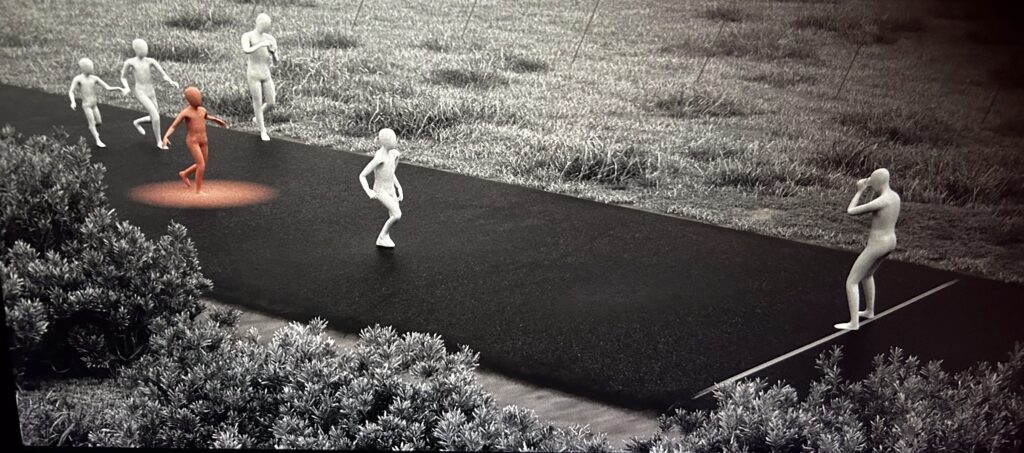
Knight, in his investigation of the Napalm Girl incident, goes as far as to involve the nonprofit Index Investigations in Paris. They are known for reconstructing scenes using 3D modeling to get to the truth of numerous matters. Above, you can see part of their investigation into Napalm Girl. In essence, it stipulates that Nick Ut could not have been the one to take the iconic photo because he was too far away.
The stringer suspected of taking the photo, one Nguyễn Thành Nghệ, would have to have been the person at the white line in the road to have taken the photo. With the reach of Nghê’s camera, a 50-millimeter lens on a Pentax camera, he would have indeed been the person indicated by the image.
This moment in the documentary captures how much attention and care was given to the investigation. Rightfully so, as it is a very important event in history and a very delicate matter of art.
How it all shakes out
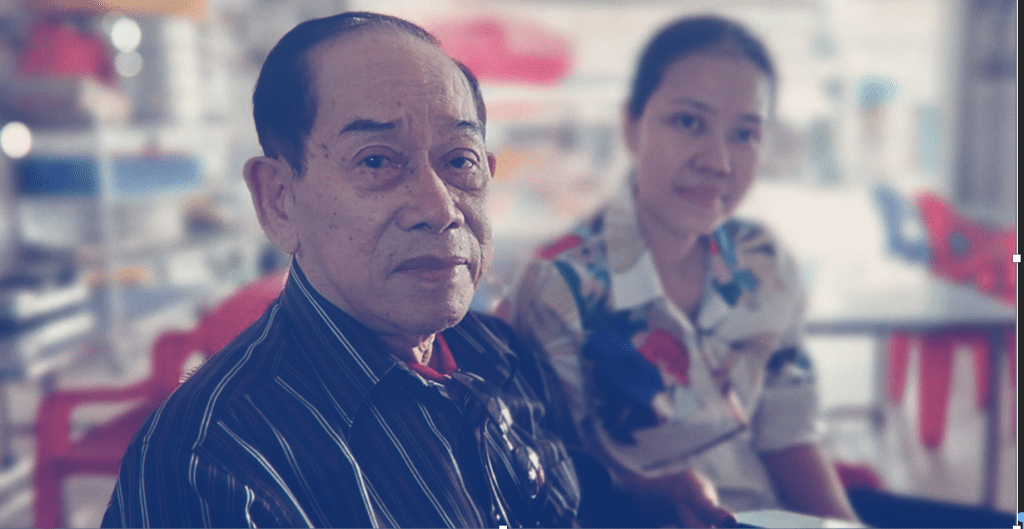
In the end, Nghê, seen above, was unofficially credited with taking the photo. AP, otherwise known as the Associated Press, determined from its own investigation that it is unlikely that the photo was taken with a Leica camera. This is the kind of camera that Nick Út claimed to have used. AP concurs that it is more likely that the image was taken on a Pentax, Nghê’s camera.
However, AP questions the reliability of Carl Robinson’s statement and maintains only that it is open to the possibility that Út did not take the photo. It will not release an official decision. This, I think, is somewhat lax on their part. They fail to consider that the Index investigation is a quality one, calling the use of its 3D rendering “flawed” even though it reached the same conclusion as their investigation.
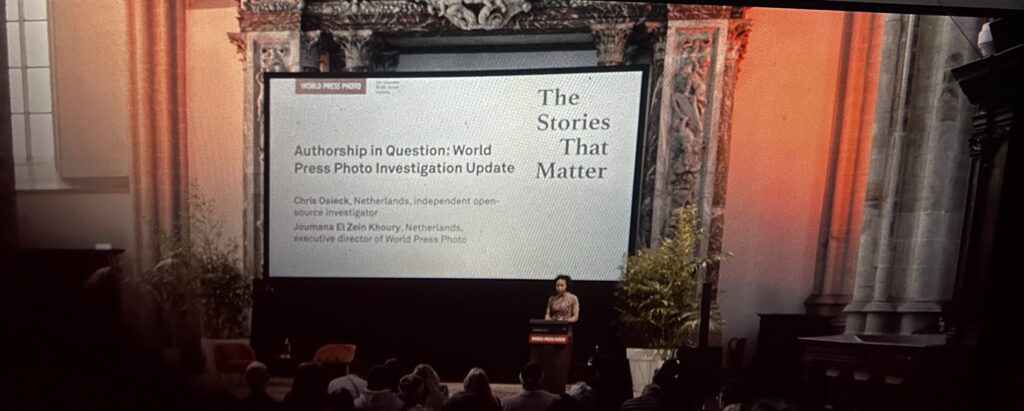
Meanwhile, the World Press Photo Foundation has managed to do more than AP by suspending the authorship of the Napalm Girl photo. This has not been done in the 70-year history of the foundation. It begs the question: What more must these organizations find after 50 years that would be definitive proof of authorship? The photo is so old that the means of investigation are inherently limited. All things considered, I would think that the index investigation would have more sway.
In the end, it is a step in the right direction. Knight and his team should be applauded for their work. Nghê is even quoted at the end of the film: “I have held on to this truth for 50 years. I am the one who took the photograph, and now I have a voice.” At this point, I suppose all we can really hope for is that the people with lingering grievances feel as seen and heard as Nghê does now.
The film closes an important chapter in the history of photography with a dedication to the Vietnamese stringers who documented the American war in Vietnam, many of whom never received full recognition. It serves to remind us of the people behind the camera and the risks they took to capture history.














Ann Ruggiero
April 14, 2026 at 12:03 am
This is great ! a very comprehensive article. Best wishes
Susan Derbacher
April 14, 2026 at 12:44 am
Diamanté sheds light and a keen eye on this spectacular photograph. She not only shares the history and struggles within the authorship of Napalm girl but the risks taken to capture those history making moments that make photojournalism essential.
V
April 14, 2026 at 1:14 am
Very interesting