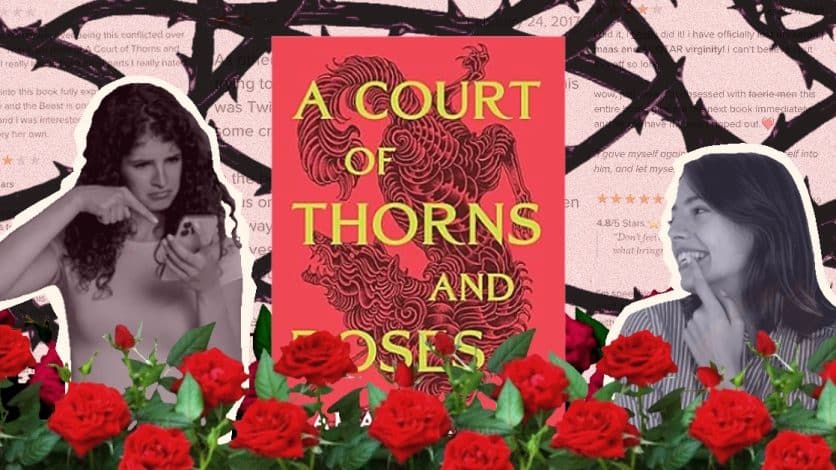
It is undeniable that Booktok has swayed the trends of literature. Bookstores nowadays have entire displays dedicated to popular books pushed by readers on social media. And often, the most popular books to burst from these spaces are of the classic fusion but newly titled genre of romantasy.
The concept of combining darker fantastical elements with a passionate, romantic plotline is not unheard of by any means. Princess Bride, The Night Circus, and even Harry Potter are classic examples of this blend.
However, the genre has received unprecedented recognition as of late. Readers have no shortage of romantasy recommendations, which are usually accompanied by measures of “spice'” and romance levels.
As an avid reader, I used to roll my eyes at the genre, and sometimes I still do. I try not to be a pretentious reader, but when Booktubers solely recommend romantasy books, I couldn’t help but judge. Where were the classics? The plots with darker, intense, and realistic themes? Where were the diverse authors and relationships?
It was even more frustrating when book spaces like Goodreads or Barnes and Noble began to center romantasy. It’s clear that the genre is trending, so to see publishers take advantage feels like a lackluster cash grab.
There’s no doubt that romantasy is encouraging more and more people to read. The genre has become a gateway for non-readers to discover their love for books. If someone wants to give a spicy fae book 5 stars, so what? It’s fun! A cheesy action-packed romance with ideal male leads and relatable female characters can be the perfect break from heavier plots.
I was content to ignore the genre and brush off recommendations, but as more and more people around me are picking up books from the genre, I have begun to feel left out. And I don’t mind a romance book. Why not give the genre a shot?
So I dove into the beast that arguably started it all: A Court of Thorns and Roses A (or, ACOTAR, for short).

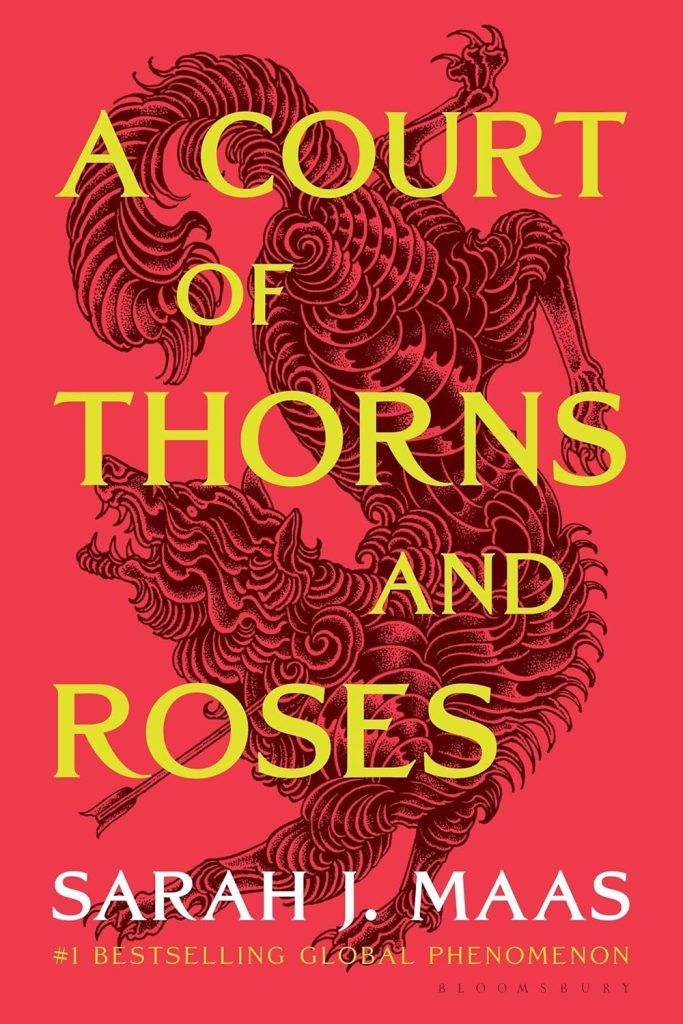
There were certainly issues with the plot and characters, but I couldn’t lie to myself; I was having fun! So I grabbed the next book. And the next. And now I’ve entered my own enemies-to-lovers arc with an entire genre.
The just and unjust with hating romance
Let’s break this into halves, beginning with what I find to be the most important half: the romance. Without the fantasy, romance is already a heavily scrutinized genre. “Chick lit,” as it’s sometimes called, is often viewed as lesser because of its low-stakes plots and unrealistic happy endings. I’m willing to admit that the plots are not for everyone. It’s okay not to like romance books, but to deem an entire genre to be “made for women” and then denounce it as a lesser form of literature is problematic.
But if we eliminate the misogynistic reasons why one would hate the genre, there are valid points to be addressed. Booktuber The Book Leo shared her personal list of reasons why romances don’t work for her.
Romances have a reputation for being stereotypical and cliché. The male main character (MMC) is always tall and masculine, with a great sense of humor and a substantial amount of money. Meanwhile, the female main character (FMC) is at least two feet shorter, odds-defyingly thin and curvy, with a quirky personality and anxiety that only a man can cure. They meet, they yearn, and finally, a happy ending ensues.
I’m writing this as an aforementioned romance enjoyer. And yes, I’d argue that about half the romance books I’ve read uphold these cliches.
The books can be fun to read once in a while, but they become old quickly. I dislike the fixation on gender stereotypes, and on top of that, there is a definite lack of diversity. The most popular romances center on white, heterosexual characters. If any diverse characters are present, they become obstacles to the perfect love embodied by the main couple.
But as readers, it is important not to just read the bestseller’s list. Sifting through the most popular romances will land you with unique and diverse books that just might change your view on the genre.
There are huge issues with the genre. I wouldn’t argue against that. But the reader can do one of two things when reading romance. The first option is to read critically. It’s important to recognize the lack of realism and diversity. The second option is to find a romance book that meets your needs. If you can’t stand the strong, tall man and short woman stereotype, don’t force yourself to read Ali Hazelwood books. Some romances aren’t for everyone, and it’s okay to admit that.
A lack of plot and magic
Okay, I’m generalizing here. Of course romantasy books have both plot and magic, but what works for fans of classic fantasies is typically what falls short in popular romantasies.
ACOTAR is a great example. The plot takes a complete back seat to the romance. There is world-building that, in turn, fleshes out the characters, but ultimately, the driving force of the plot is the romance. Feyre, the FMC, is kidnapped and brought into a faerie mansion where she meets a variety of handsome faerie men. Even the action at the end is set in motion by the romance between Feyre and the MMC.
I’d argue that a huge reason why people dislike romantasy is that the plot is largely supported by the romance. Characters feel like cardboard cutouts of humans (or, in this instance, faeries). Male stereotypes are enforced, with the men universally depicted as hypermasculine and unrealistically strong. The women toe the line between being damsels in distress and learning independence (with a man’s help, of course).
Romance in fantasy is not new (see: any plot with a princess), but there is a ratio between fantasy and romance that the modern fantasy reader tends to enjoy. Romantic subplot? Sure. A plot that revolves around cliche romance? Not everyone’s cup of tea. Especially if the magic system is not fleshed out well.
However, I argue that a lot of romantasy readers understand this. It’s not like I read ACOTAR for the complex magic or the character development. We know what we’re signing up for!
What romantasy gives us
With any book, there is a benefit to critical reading. That’s not to say we should all break out Post-its and begin annotating, but it’s important to reflect on the stories we read and understand how they serve us.
Politically, times are tumultuous. Not only does a fun genre like romantasy provide a quick dose of healthy escapism, but it also offers women a form of empowerment. Author Christine Larson expands on this idea in an article dissecting the popularity of romantasy.
“Women, especially, are often feeling powerless, and the heroines in these books have power. They gain power, and they find love interests who are their equals. That’s important to women right now—to imagine a different world.”
—Christine Larson, “What is ‘romantasy,’ and why can’t readers get enough?”
It’s an interesting point to make. As readers—men and women alike—feel increasingly helpless in our society, we look to fantasy for a new kind of magical power. After struggling in our day-to-day, it feels nice to walk into a new setting entirely, one that lets us imagine a society where we would have power.
Beyond the deeper genre analysis, it is okay for books to simply be fun. It doesn’t have to be more complicated than that.
omantasy and similar genres like dystopian romances have helped a myriad of people discover a lifelong love for reading. If you read frequently a teenager, you might remember classics like Twilight, Harry Potter, and The Hunger Games. The marriage of action, supernatural elements, and romance is the blueprint for modern romantasy. So, adults wanting to kickstart their reading might feel more comfortable with books that are similar to the books that defined their youth.
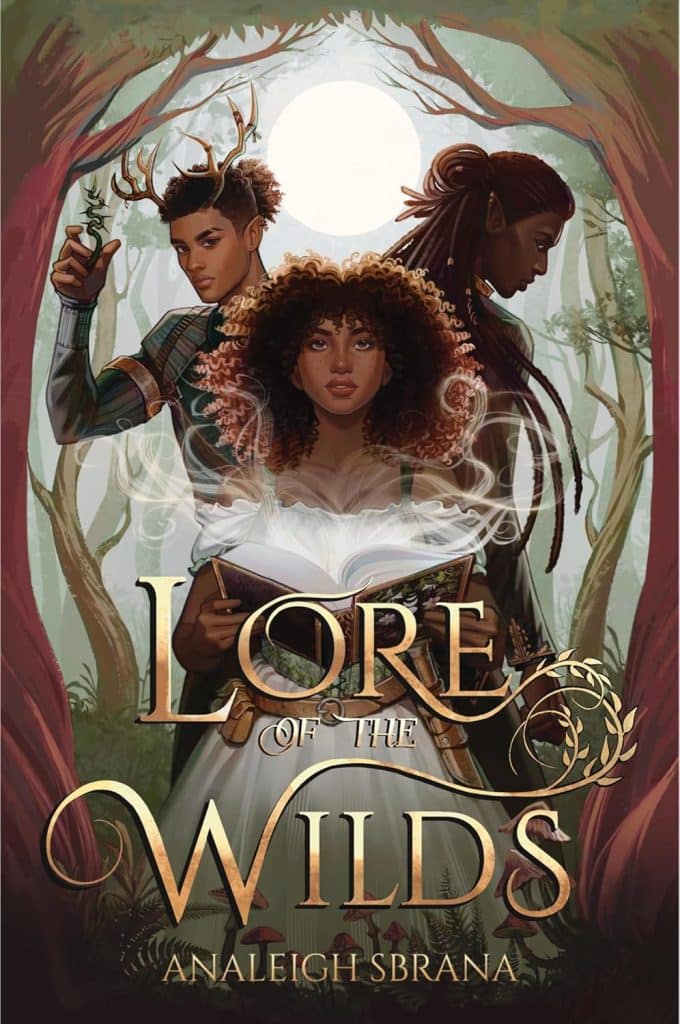
The critiques on the lack of diversity are extremely justifiable when considering popular romantasy, but that isn’t to say there aren’t diverse romantasy books. Lore of the Wilds by Analeigh Sbrana and Faebound by Saara El-Arifi offer examples of less popular but incredibly impactful books in the genre.
Ultimately, we can all agree that it is important for people to read more. But what people are actually reading matters less and less to me as I get older. Everyone has different tastes, and that’s normal and okay! It’s acceptable to both critique and praise a genre. Perhaps we should collectively revisit our judgment of romantasy readers. And for those of you who are already on the bandwagon, be sure to read the characters and stereotypes with a critical eye. Just like the balance between romance and fantasy, there is a balance to be struck between critiquing and enjoying a popular genre.