Everyone loves a good romance. We love hearing about the messy conflicts and gooey PDA. Whether we admit to it or not, romance is something nearly everyone can agree is hopeful and entertaining. So, as the so-called “breakup season” in March, when we start our spring cleaning, is upon us, we ask ourselves if a relationship is something to put in the donation bin with the rest of our old clothes, or something to cherish.
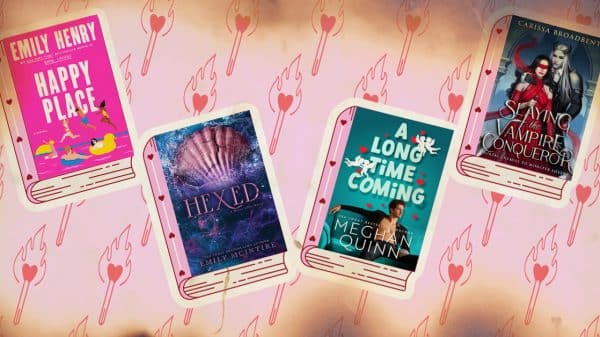
Romance novels are consistently the most popular fiction genre and the highest-grossing. There is a growing popularity with romance literature among young adults, especially females. As young women start venturing into the world of romance in their daily lives, they resort to previously known examples of love in order to navigate their own love lives. This can also be said for adult women. We read this beautiful love story and think, “I want that.” But are these novels really something to dream about? Does reading a romance novel really alter how we view love? Do these books change how we go about our own romantic relationships? Let’s give it a look!
Romance books
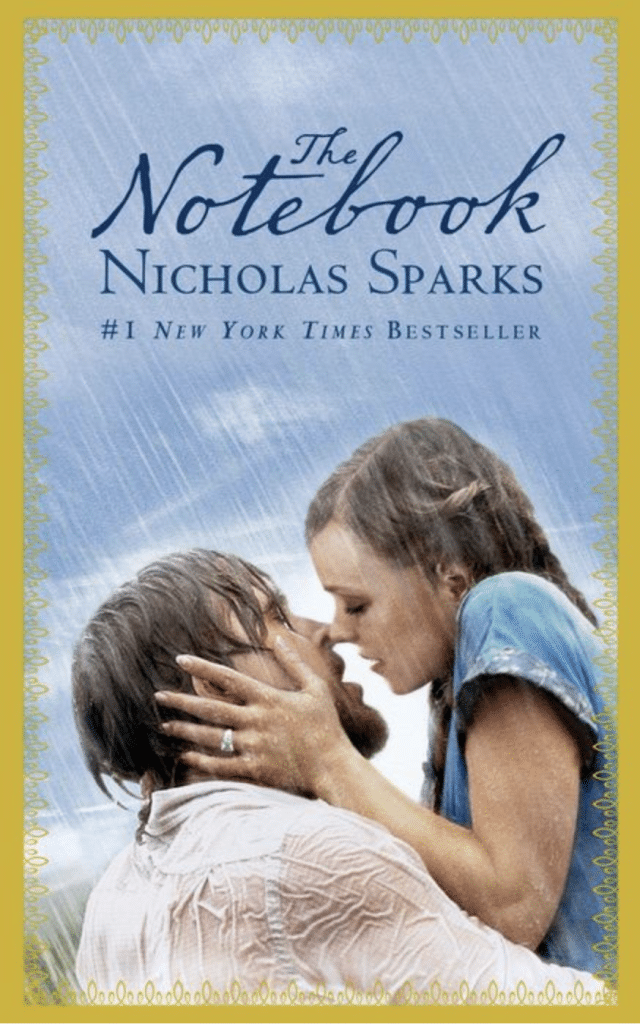
We are all familiar with romance books. The greatest romance movies are based on them: The Notebook, Pride and Prejudice, and The Fault in Our Stars. Don’t get me wrong, I am an all-time lover of all things romance, especially romance novels. But look at the most popular tropes: enemies to lovers, forbidden love, and second-chance. Are these even realistic? Character archetypes establish these types of tropes. Familiar personalities, such as the villain, create the idea of enemies-to-lovers, the trope we all gawk over. Should young girls be basing their judgments of love on them? Will their expectations of love change after reading some of these classics?
How realistic are the character archetypes?
A character archetype is a universally recognized model of a particular person. This can be a wide range of traits: hero, mentor, or shadow. In terms of romance novels, this means the recurring personalities we see in couples. We often see the bad-boy, the boy-next-door, the nerd. But how often do we see these stereotypes in everyday life? How many “bad boys” do you know? Can you recall how many romantic relationships have come from “the nerd” and the “cheerleader”?
The “bad boy”
We all know the generic story: the bad boy with the dark past comes into the nice girl’s life. It’s on and off with lots of tension (obviously), but they continue to fall in love. She changes him. He’s a better person because of her. This archetype can be seen with popular books like After by Anna Todd and Beautiful Disaster by Jamie McGuire. We, the readers, fall in love with the idea of changing somebody for the better, of having someone to protect us from evil. Plus, the fact that these boys are always tall, muscular, and brooding adds to the fantasy.
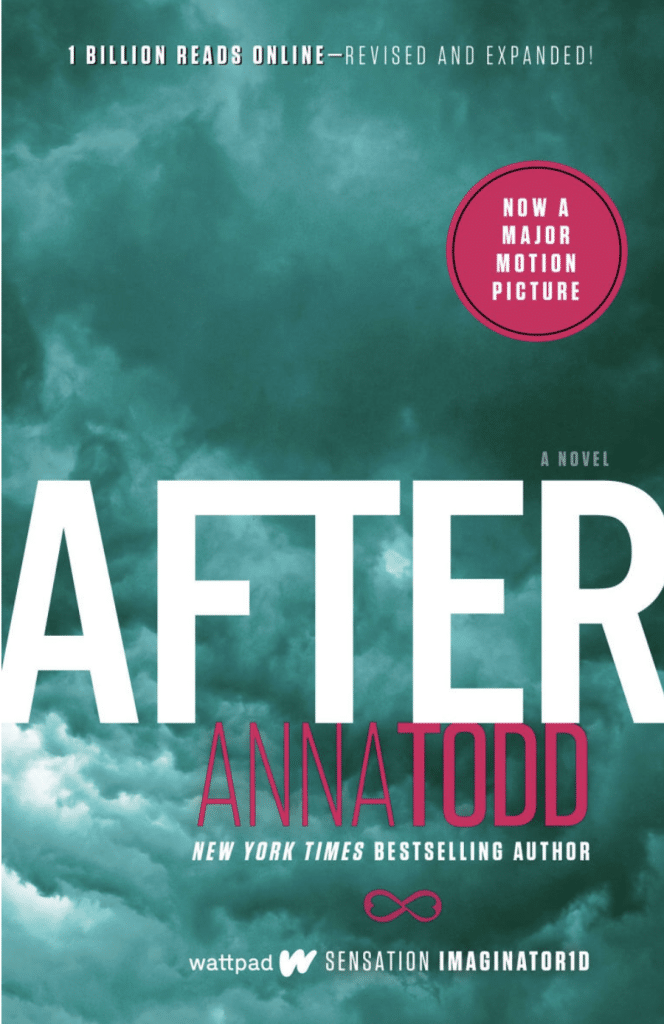
The common themes that come with a bad boy romance, such as “enemies to lovers” or “who did this to you,” may seem fun and dramatic, but if you were put in this situation, would you fall in love as the protagonists do? Would you fall in love with the bad boy and all that comes with it?
The “bad boy” trope may possess qualities such as shy and mysterious or mean and dangerous. They tend to put the main character through the wringer, miscommunication running the relationship up until the happy ending. The “bad boy” is a bully to everyone but the protagonist, having an unseemly reputation. Readers develop a soft spot for these characters because of the depressing baggage they drag along with them.
The “boy-next-door”
The “boy-next-door” is the best friend type. He is kind and supportive, major golden retriever vibes, and more often than not has a massive secret crush on the protagonist. Well, either this, or the protagonist has a massive crush on him. Either way, this archetype comes with quirky awkwardness and cute banter. Popular books with this “friends-to-lovers” vibe are Every Summer After by Carley Fortune and People We Meet on Vacation by Emily Henry. Readers love the idea of somebody knowing us better than we know ourselves.

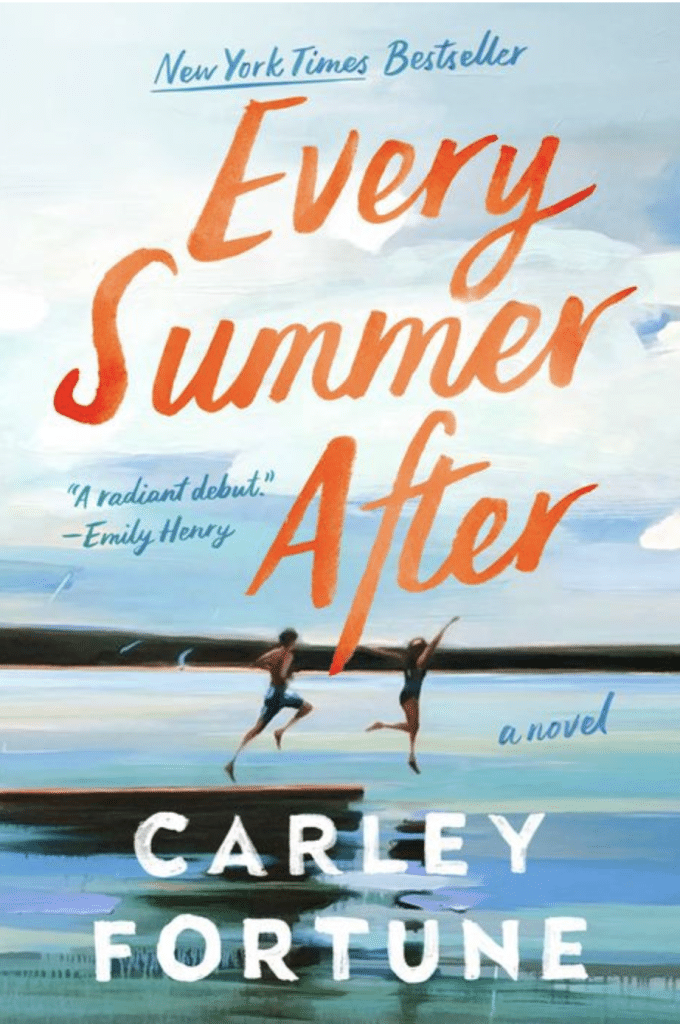
“Friends-to-lovers” is probably the most common trope, with “boy-next-door” and “unrequited love” as close seconds. These particular tropes come with big secrets and bigger reveals. The character’s best friend, kind and supportive, suddenly turns into someone they view romantically. Tensions rise, and small touches feel like something more. Then a big conflict tears them apart- maybe it’s the scary thought of losing their best friend, or maybe an ex comes back into the picture. The event nearly ruins their romantic relationship, with the initial friendship at stake. In the end, the couple comes back better than ever.
The “nerd”
We’ve all read a book that revolves around a nerdy protagonist. It can be a nerdy girl and a popular boy or vice versa, but this archetype always has a shy, anxiety-driven, isolated character. The “nerd” loves school or is simply just a loner, while the love interest is jockey, confident, and always hot. The hottest person in school most of the time. We often see “transformation” or “opposites attract” when reading about this archetype. This trope is seen in books like The Deal by Elle Kennedy and To All the Boys I’ve Loved Before by Jenny Han.
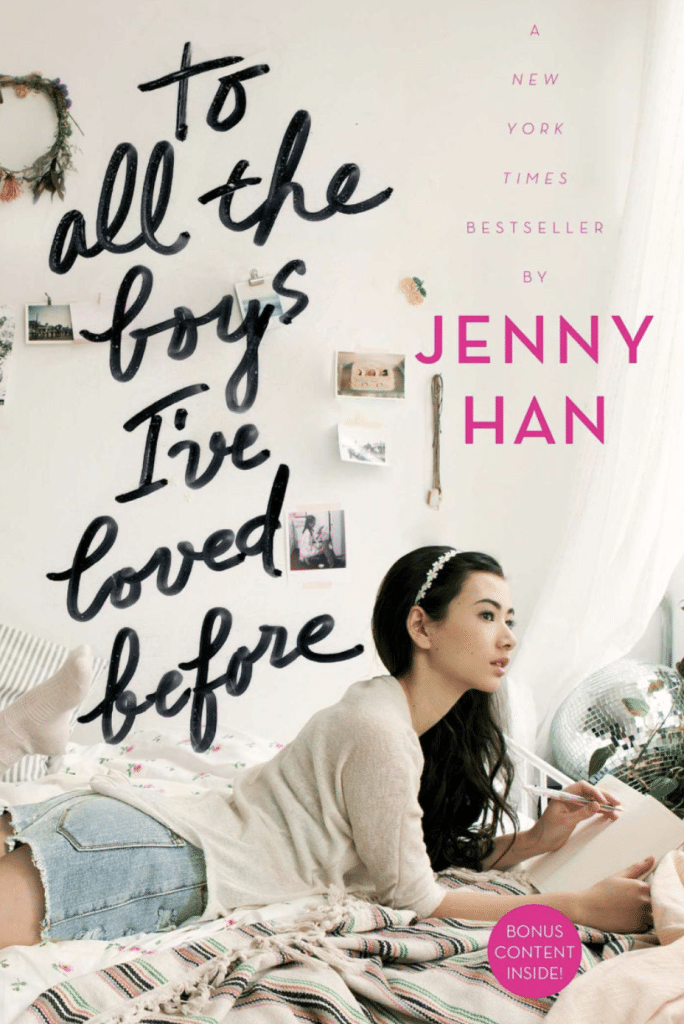
There is a character dynamic that is so unlikely and yet works so perfectly. We have the popular character who may be a little nicer than the rest of their crew, and the loner who somehow feels seen by no one else but the love interest. The “nerd” comes with the conflict of being “too different,” and so the relationship must not work. In the end, the characters stop caring what everyone else thinks and decide they love each other once again.
Verdict: Is our perception of love really being ruined?
Ultimately, these archetypes are unrealistic. These romance books glamorize qualities that no person should want in a relationship. Relationships are meant to come with respect, care, kindness, wit, and understanding. These archetypes bring confusion, unnecessary conflict, miscommunication, and dishonesty.
The “bad boy” in real life doesn’t come with a soft spot or a kind interior. Instead, they come with hurt feelings. These books make this archetype seem normal, as if every “bad” person is capable of changing with something as simple as love. The “boy-next-door” doesn’t come with all sunshine and rainbows. This “golden” boy may not be as “golden” as he is portrayed. The “nerd” doesn’t come with a transformation. This dynamic between “popular” and “loner” is not as common as the books picture.
Are there cases in which these archetypes do work in real life? Of course. Do these instances happen as often as the books make it seem? No. Romance books create a fantastical image of a love interest. If the “bad boy” were just a bad boy, readers wouldn’t continue to read. We need a backstory to make the bad qualities seem okay. We need an extravagant gesture in order to overlook the miscommunication and unnecessary conflicts when it comes to the “boy-next-door” and “the nerd”. In real life, we don’t always get that backstory or grand gesture. So, our perception of love is altered by the amount of unrealistic information we read in these romance books. This does not necessarily mean our perception is being “ruined” because there are exceptions. It is truly up to the reader to determine the line between what is real and what is fake because internalizing these expectations can lead to a false sense of perception.
What are these exceptions?
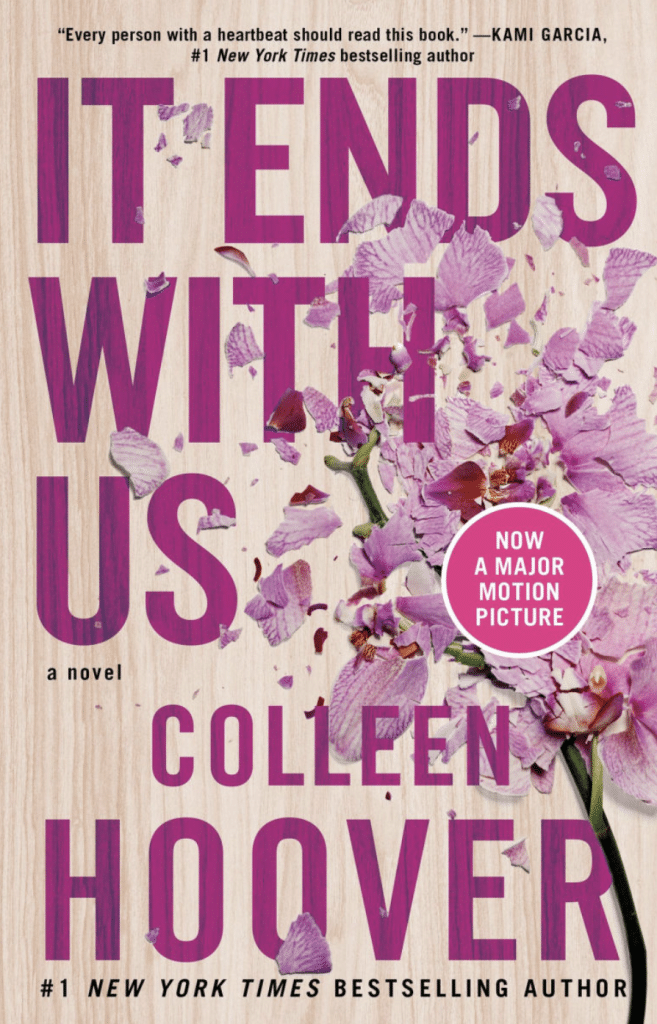
I’m not saying it’s necessary to stop reading romance books. Books of any genre ultimately enhance your vocabulary and challenge your mind. Though romance novels may lead to unrealistic expectations, they can also do a good job of setting standards and providing awareness. Countless romance novels deal with serious issues in relationships, such as sexual assault and domestic violence. It Ends With Us by Colleen Hoover does a great job of retelling these experiences and possibly helping readers get out of similar cycles. These types of topics aid the reader in realizing that destructive and toxic behavior is not okay and should not be entertained. As readers, we find ourselves setting standards with how we want our partners to treat us and exploring where we should draw the line.
To be clear, I’m not saying reading romance books is bad. I am, however, saying that we cannot look into the story so much that we forget the fact that it is a story. Books paint a very black-and-white portrait. Characters are often one thing. Real people are not. Stories are made up. They are not meant to feel real. All in all, romance books do ruin our perception of love if we give them the power to.