Everyone knows what they like and likes what they know. Expanding beyond your favorite book genre is no easy task, especially when your entire bookshelf is stuffed with your favorite books. Readers often cling to a handful of genres because they are comfortable with them.
Why would you veer off of this path of beloved characters and storylines? Well, diving into different genres has countless benefits.
If you are thinking of trying a novel that goes against your entire bookshelf aesthetic, a so-called beginner book, these recommendations are for you!
So What? The importance of expanding your palette
Don’t get me wrong, I am the first person to turn to my favorite comfort genre, but it is essential, as a reader, to dip your toe into as many worlds as possible. Reading a book that takes you into a different realm broadens your perspective. This allows you to peek into the mind of a new character with unique circumstances. Diversifying your reading list with different genres also prevents creative burnout. Your brain is absorbing new situations with new characters and new problems, acting as a palette cleanser.
Furthermore, reading a new genre enhances cognitive flexibility, which encompasses the way we think, learn, and understand things. You have cognitive flexibility because new ideas and situations can challenge your existing beliefs. So really, branching out into different genres boosts your brain power! Last but not least, it’s fun. Who wouldn’t want to read something new and exciting every once in a while to keep the brain engaged and curious?
Fantasy
Fantasy can be a polarizing genre. After all, vampires and werewolves are not everyone’s cup of tea. According to the dictionary, fantasy is “a branch of speculative fiction defined by the presence of magic, supernatural elements, or entirely imaginary worlds.” What this means is that when reading, you are immersed in an unknown world with unrealistic elements. Magic is the most common, but mythical creatures and monsters are also often present. Fantasy books may seem highly specific, but really, they contain elements of countless other genres: romance, action, history, etc. The beautiful thing about fantasy is that every book takes you into a unique world while also teaching real-life lessons.
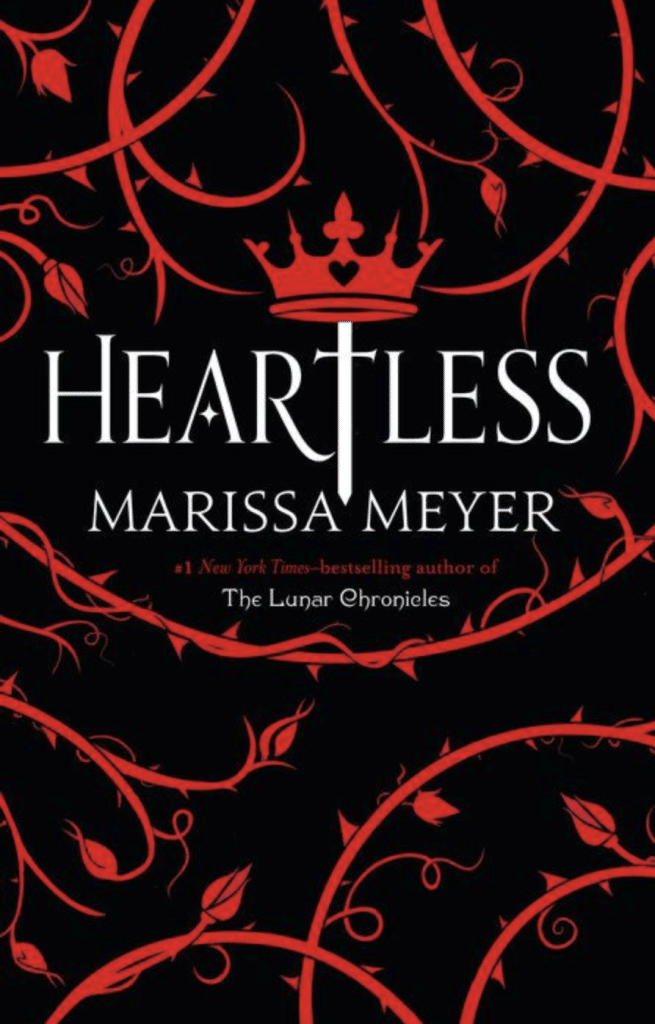
A beginner-friendly recommendation for the fantasy realm is Heartless by Marissa Meyer. This 450-page novel reimagines Alice’s Adventures in Wonderland by exploring the origin of the Queen of Hearts. It follows Catherine, who is set to marry the King of Hearts but instead falls in love with a court jester. Though the ending may devastate you, this engaging book uses romance, magic, and monsters, to question how fate works. Ranked at an astounding 4.08/5 stars, the book is clearly well-loved, making it the perfect start to your fantasy journey. It is written with an approachable style while still packing a number of twists, turns, and emotion. I personally would recommend this story because the world-building is strikingly detailed and the characters are uniquely relatable.
Science Fiction
Science fiction has long had to contend with the stigma of being boring or even dorky. But this is anything but true. The sci-fi genre explores the impact of actual or imagined science and technology on human beings and society. Frankenstein and Star Wars are among the most famous stories in the world, and they are classified as science fiction. These books call out ethical issues and help us understand the complexities that come with technology and “progress,” all through imaginative, entertaining storylines. Sci-fi novels always have readers on their toes and bring a newfound curiosity about the future of society.

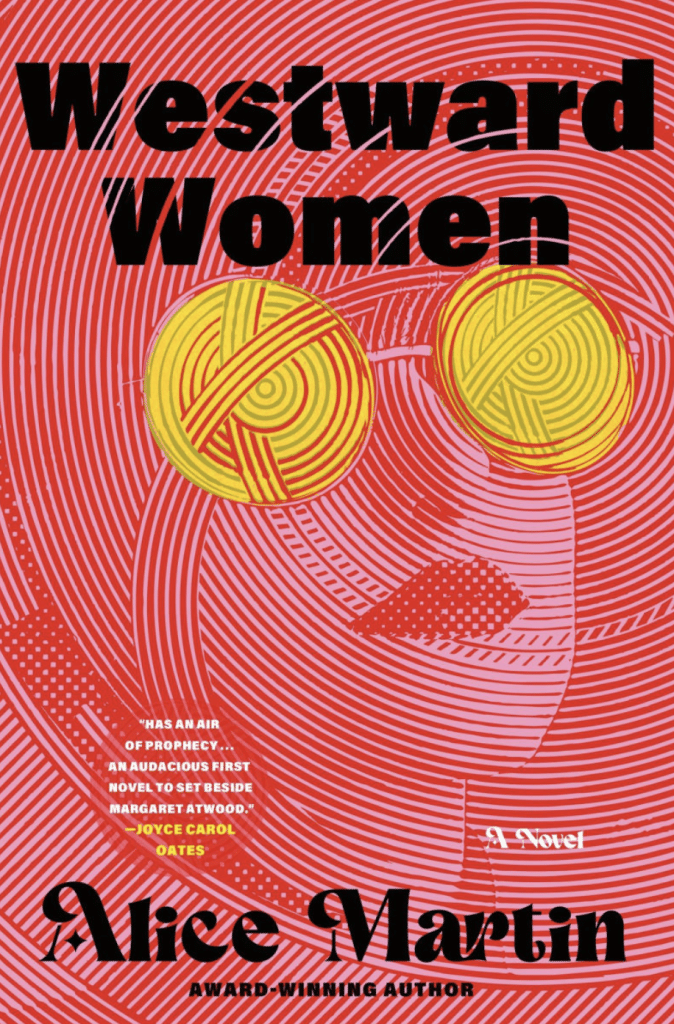
Westward Women is a standalone, beginner-friendly sci-fi novel written by Alice Martin. It follows main character, Aimee, who is on a road trip in 1973. While on this road trip, a mysterious infection causes all women to abandon their lives and head westward. The book includes two other women’s perspectives, Teenie and Eve, on their journeys, with each woman navigating her own longing for self-discovery. The story works to explore the feminist movement at the time, incorporating some history!
Dystopian Fiction
Similar to science fiction, dystopian novels dive into politics, technology, and social issues through a fictional story. This encourages readers to keep societal issues in mind and remain attentive in everyday life. Characters in dystopian genres tend to be young adults breaking away from norms in times of high government surveillance, natural disasters, and other oppressive systems.
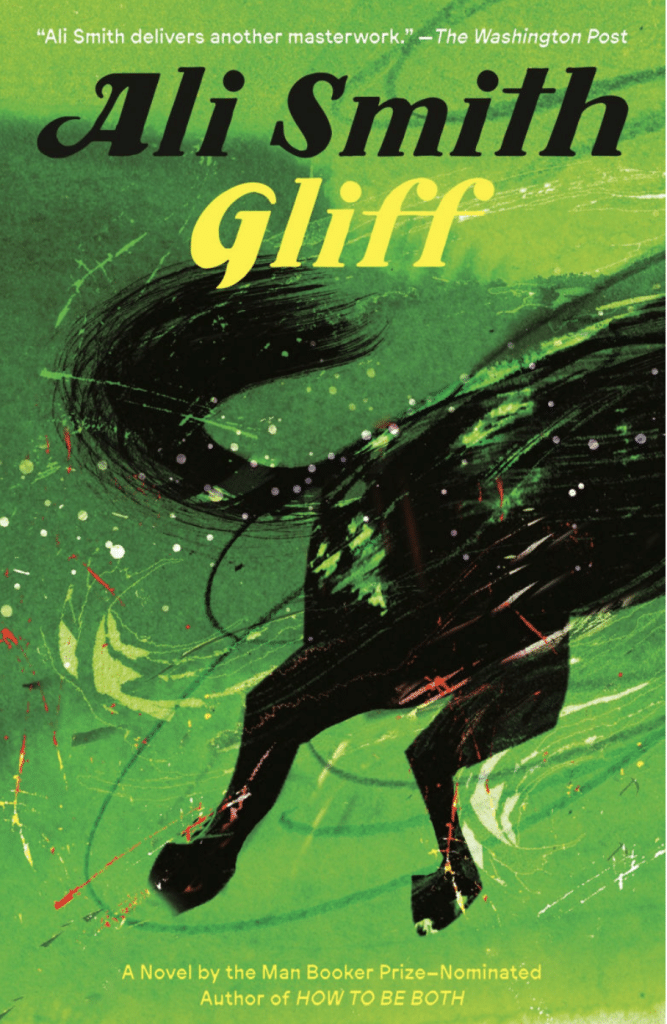
Ali Smith’s novel Gliff is a shorter dystopian book, totaling less than 300 pages. Following siblings Brie and Rose, who were abandoned by their mother, the novel is set in a highly monitored society. The two protagonists are viewed as outsiders, marking them for destruction. They soon meet a horse, Gliff, who becomes not only a guide in this environment, but also a sign of hope. The story unpacks themes of hope, resistance, and survival.
Mystery
Mysteries involve a series of chaotic events, creating an intellectual game for readers. They’re made for readers who are curious and crave challenges. We are asked to track patterns throughout the story and decode the mystery ourselves, which aids our critical thinking skills. In a world where problems are never guaranteed to be solved, and justice is uncertain, mysteries provide satisfying outcomes. Solving the mystery and finally determining “whodunit” is a thrilling experience.
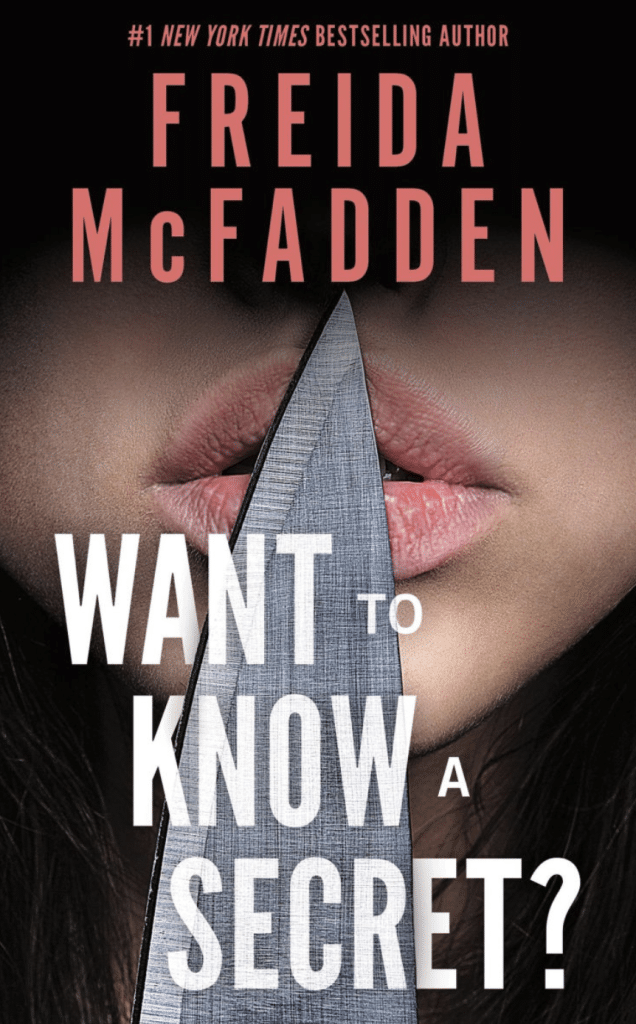
Want to Know a Secret?, a mystery thriller by Frieda McFadden, was released a few months ago. It centers influencer, April Masterson, who posts baking content. She leads a seemingly perfect life, but in reality, she has many secrets of her own, and an anonymous person is threatening to expose those secrets. The mystery of the person’s identity occupies your mind throughout the entire story. What’s more, McFadden is known for her twisty plots, offering a thrilling read.
Romance
Romance books are filled with distinctive characters, silly events, and relatable problems. They’re quick, fun reads, especially if you find yourself caught in a reading slump. They feature diverse relationships with different forms of communication, different problems to solve, and different character personalities, pushing readers to consider a range of perspectives.
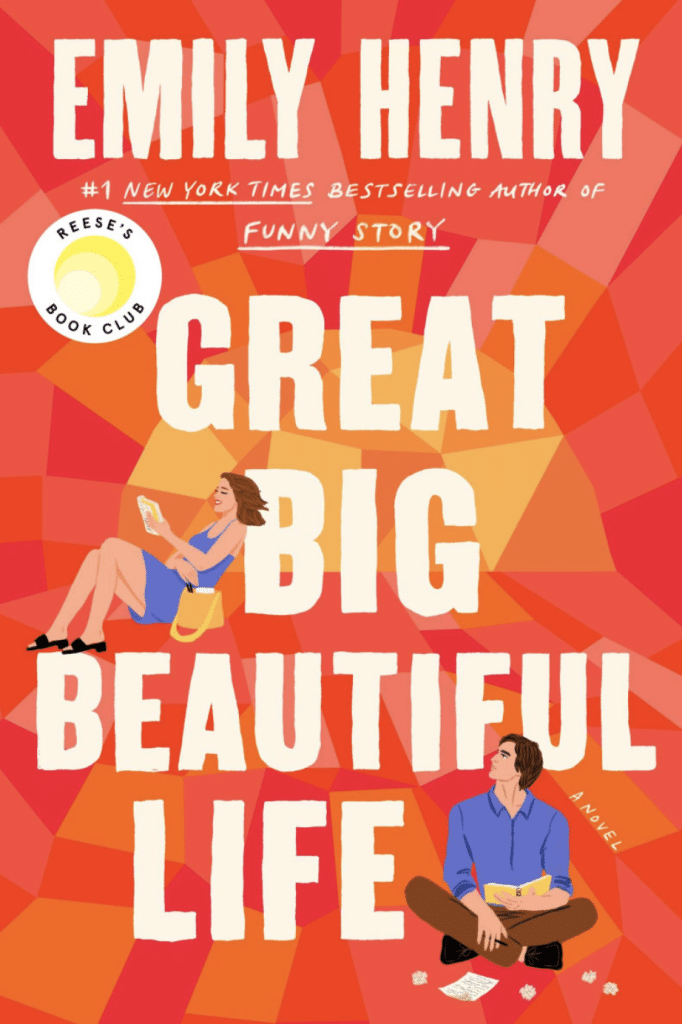
Emily Henry is famous for her quirky romances. Great Big Beautiful Life is just over 400 pages with a forced proximity trope. It tells the story of journalist Alice Scott and her rival Hayden Anderson, who are competing to write a biography. As they research the subject of the biography,1960s heiress Margaret Ives, they also learn more about each other. They gradually overcome their rivalry as they fall in love. Henry is also known for her witty characters and relatable conflicts, making for a fast read!
Nonfiction
There are many genres within the nonfiction domain: memoirs, true crime, biographies, etc. Nonfiction serves to drastically expand readers’ knowledge. And nonfiction does not always involve boring school textbooks or massive infographics, either; it includes personal stories and anecdotes as well.
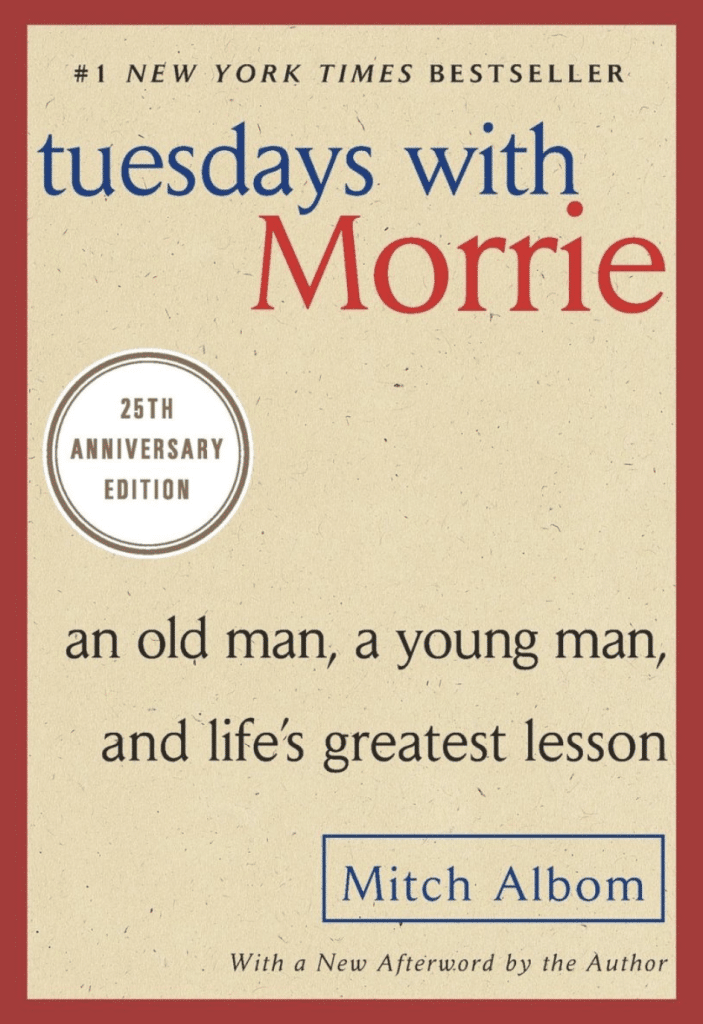
Mitch Albom’s memoir, Tuesdays with Morrie, is a timeless classic. It details the months that Albom spent with his mentor and sociology professor, Morrie Schwartz, before Schwartz’s death. Throughout the memoir, Schwartz teaches Albom life lessons by relaying the story of his life. This beautiful book explores themes of love, regret, and mortality. While it’s slightly older (it was first released in 1997), its relevance endures today.
Conclusion
Some genres may not ever resonate. For example, I have tried reading mystery books, and they just don’t speak to me the way a fantasy book might. Others may not enjoy nonfiction. Needless to say, reading different literary genres is an adventure! Conversely, confining yourself to a narrow set of genres will likely feel boring after awhile. Our minds crave new ideas, conflicts, and challenges.
You may pick up a sci-fi book, expecting to be put off by the scientific elements, but end up falling in love with the characters! Trying new things is essential for personal growth and overall happiness. So experiment with a fantasy book or dystopian novel, or any other genre that may seem out of your comfort zone, for a fresh read!