Nearly three decades after Harry Potter first stepped onto Platform 9¾ in readers’ imaginations, the wizarding world continues to captivate audiences across generations. J.K. Rowling’s seven-book series has sold over 500 million copies worldwide, spawned a successful film franchise, inspired theme parks, and created a cultural phenomenon that shows no signs of slowing down. The magic of Harry Potter lies not just in its spells and potions, but in its rich tapestry of characters, relationships, and moments that have touched millions of hearts.
Now, with HBO’s highly anticipated Harry Potter television series officially entering production, fans are buzzing with excitement about the possibilities ahead. Unlike the Warner Bros. films, which faced the challenge of condensing seven lengthy novels into eight movies, the HBO series promises something different: the time and space to truly honor the source material. This expanded format is an opportunity to bring beloved scenes that were previously cut, condensed, or completely omitted back to life for both longtime fans and newcomers to the wizarding world.
Here are seven scenes—one from each book in the series—that could transform how audiences experience Harry Potter’s journey.
The Philosopher’s Stone: Norbert’s Dramatic Exit
While the films only briefly touched on Hagrid’s attachment to the baby dragon Norbert, they completely skipped one of the most thrilling sequences from the first book: Norbert’s actual escape from Hogwarts. In the first novel, Harry, Hermione, and Ron’s discovery of Norbert leads to a desperate plan to contact Ron’s dragon-trainer brother, Charlie, for help smuggling Norbert out of the country. This perilous mission is complicated by Malfoy’s spying, his subsequent theft of Charlie’s letter detailing the plan, and Ron’s incapacitating dragon bite. Despite these setbacks, Harry and Hermione proceed with the dangerous midnight mission, lugging the increasingly heavy dragon in a crate under the Invisibility Cloak.
Their journey to the highest tower is filled with tension, culminating in a tense encounter where Professor McGonagall scolds Malfoy, mistakenly believing he’s lying about a dragon. After successfully handing Norbert over to Charlie’s friends, a moment of relief quickly turns to panic when they realize they’ve left the Invisibility Cloak behind, setting the stage for further repercussions.
This scene encapsulates the themes of adventure and friendship that define the early books. It showcases the trio’s willingness to assist Hagrid despite the risk, builds tension through near-discoveries by other students and faculty, and provides genuine stakes that feel appropriate for first-year students. For the HBO series, this represents an opportunity to show rather than tell how deep the bonds between Harry, Ron, Hermione, and Hagrid truly run.
The Chamber of Secrets: Nearly Headless Nick’s Deathday Party
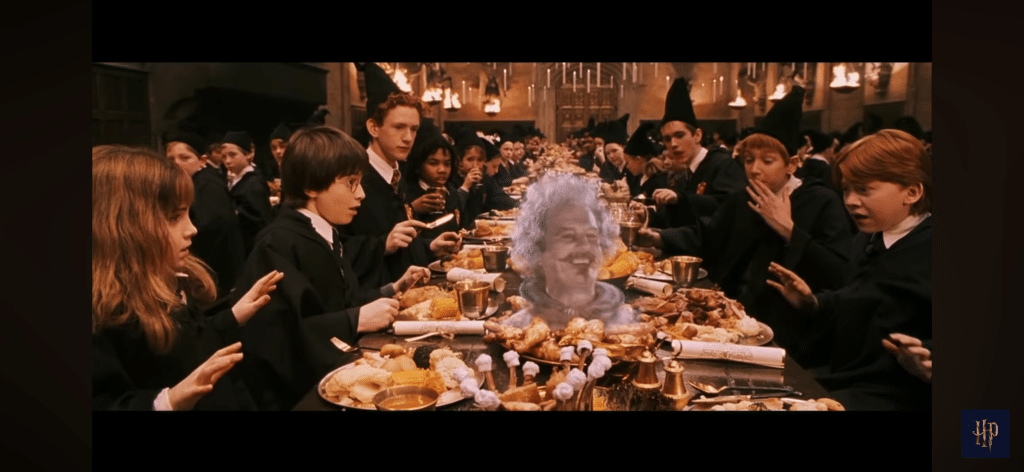
One of the most atmospheric and world-building rich scenes cut from the films was Nearly Headless Nick’s 500th Deathday Party. This ghostly celebration offered readers a glimpse into the social dynamics of Hogwarts’ supernatural residents and provided crucial context for understanding the school’s community beyond just the living inhabitants.
The party scene serves multiple narrative purposes that would translate beautifully to television. It establishes the complex relationships between different types of magical beings, introduces the concept that even ghosts have their own social hierarchies and politics, and creates an eerie, otherworldly atmosphere that contrasts sharply with the typical warmth of Hogwarts feasts. The visual spectacle alone—hundreds of translucent figures gliding through underground chambers, rotten food that living people can’t actually eat, and the comedy of Harry, Ron, and Hermione trying to navigate ghost etiquette—would create a memorable sequence that deepens viewers’ understanding of the wizarding world’s complexity.

More importantly, this scene reinforces themes about belonging and acceptance that run throughout the series, as we see Harry choosing to attend Nick’s party instead of the Halloween feast, demonstrating his loyalty to those who are often overlooked or marginalized.
The Prisoner of Azkaban: The Firebolt Mystery Unfolds
The third book’s treatment of Harry’s anonymously gifted Firebolt created weeks of tension and character development that the film compressed into mere minutes. In the book, the mystery broomstick arrives at Christmas, leading to a prolonged conflict between Hermione and her two best friends that tests their friendship and reveals important aspects of each character’s personality.
This extended subplot showcases Hermione’s logical thinking and willingness to make unpopular decisions when she believes her friends are in danger, while also exploring Harry’s complicated relationship with receiving gifts and Ron’s struggle with feeling overshadowed by his friends’ dramatic lives. The gradual revelation that Sirius Black was the anonymous gift-giver adds layers of emotional complexity to Harry’s relationship with his godfather and provides a concrete symbol of their developing bond.
For the HBO series, this storyline offers material for character development across multiple episodes. The tension between the trio feels genuine and earned, making their eventual reconciliation more impactful. It also provides opportunities to explore themes about trust, protection, and the different ways people show love—all central elements that deserve more than the brief treatment they received in the films.
The Goblet of Fire: Hermione’s S.P.E.W. Campaign
Hermione’s passionate crusade for house-elf rights through the Society for the Promotion of Elfish Welfare (S.P.E.W.) encapsulates one of the series’ most important social justice themes, yet it was completely absent from the fourth film. This ongoing subplot reveals Hermione’s evolution from a rule-following student to an activist willing to challenge systemic injustices, even when her efforts are met with resistance or ridicule.
The S.P.E.W. storyline illuminates the wizarding world’s moral complexities and poses questions about institutionalized oppression that resonate strongly with contemporary audiences. Hermione’s efforts to knit hats and socks for the house-elves, her arguments with Ron about the ethics of magical slavery, and her growing frustration with the magical community’s acceptance of the status quo all contribute to deeper character development and world-building.
“Are you planning to follow a career in Magical Law, Miss Granger?” asked Scrimgeour.
“No, I’m not,” retorted Hermione. “I’m hoping to do some good in the world!”
This subplot also sets up important elements for later books, particularly Kreacher’s role in the final installations. For the HBO series, the S.P.E.W. plotline presents an opportunity to explore social justice themes in age-appropriate ways while showcasing Hermione’s intellectual courage and moral conviction.
The Order of the Phoenix: Christmas at St. Mungo’s
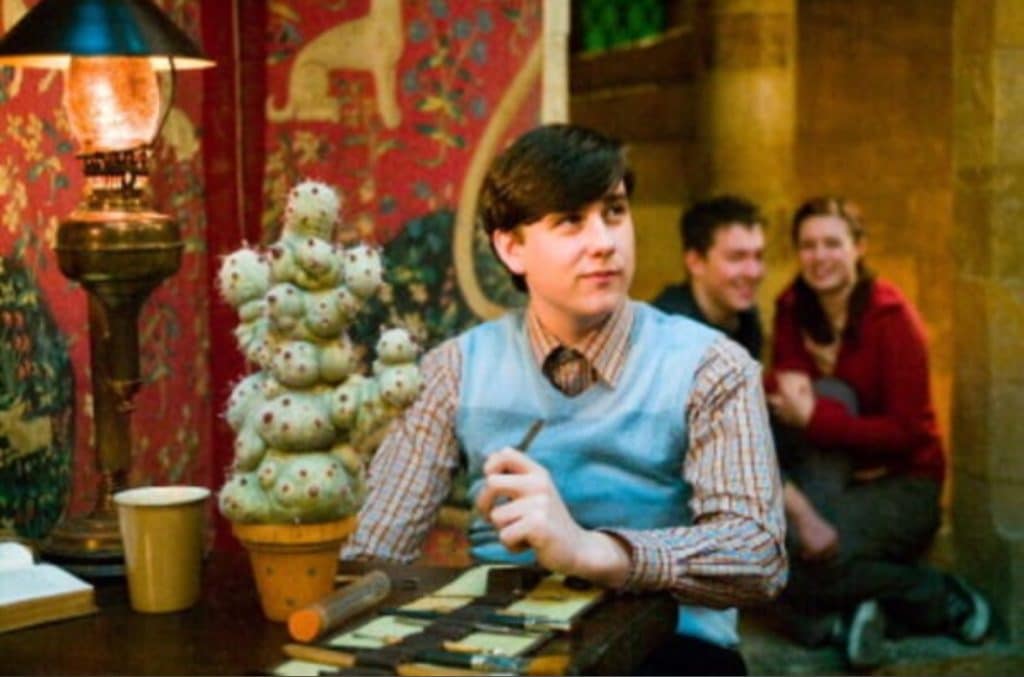
The visit to St. Mungo’s Hospital for Magical Maladies and Injuries during Christmas break is one of the most emotionally powerful sequences in the entire series, despite its omission from the fifth film. This scene fulfils multiple critical narrative functions while supplying some of the series’ most poignant character moments.
The hospital visit allows readers to see Neville’s vulnerability as he visits his parents, Frank and Alice Longbottom, who were tortured into insanity by Death Eaters. This revelation recontextualizes Neville’s character entirely, explaining his fear of disappointing others and his grandmother’s strict expectations while foreshadowing his crucial role in the series’ conclusion. The scene also gives important exposition about the first war against Voldemort and its lasting casualties.
This sequence addresses themes of trauma, family legacy, and the hidden costs of heroism. It’s an opportunity to further develop Neville’s character, making his later transformation into a resistance leader feel earned and meaningful.
The Half-Blood Prince: The Battle of the Astronomy Tower
While the sixth film showed us the climactic events atop the Astronomy Tower, it passed over the larger battle that occurred simultaneously throughout the castle. In the book, Death Eaters infiltrate the school while Harry and Dumbledore are away, leading to a chaotic fight involving members of both the Order of the Phoenix and Dumbledore’s Army.
This battle conveys the scope of Voldemort’s growing power and the real danger facing the wizarding world. It fleshes out secondary characters like Neville, Luna, and Ginny, who prove their courage by fighting alongside the adults. The sequence showcases the effectiveness of the Dumbledore’s Army training and confirms that the students are ready to take active roles in the war against darkness.
The aftermath of the battle, including Bill Weasley’s injury from Greyback and Dumbledore’s funeral, add emotional weight to the story while suggesting that love perseveres through adversity. The HBO series could extended this action sequence to create a spectacle while advancing character development and raising the stakes for the final installment.
The Deathly Hallows: The Elder Wand’s True Resolution
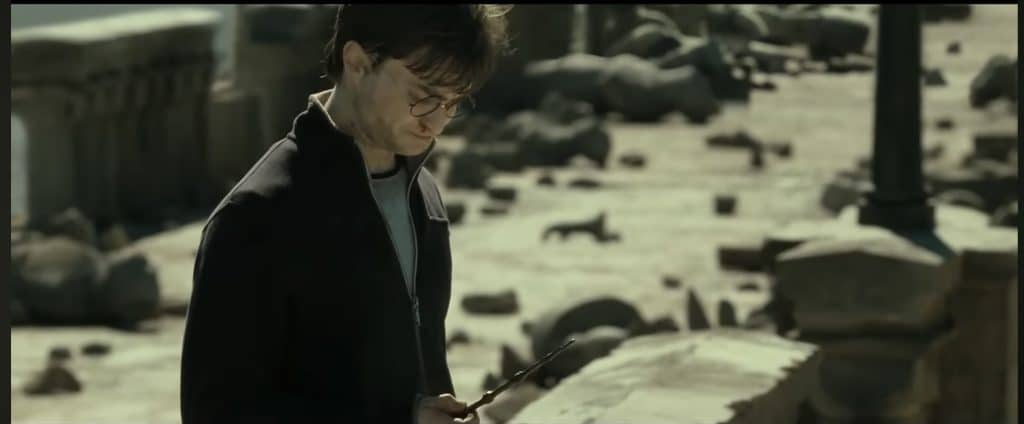
The films’ handling of the Elder Wand’s fate felt rushed, missing the deeper significance of Harry’s choice in the book’s resolution. The novel crafts a more thoughtful conclusion that reflects Harry’s growth and wisdom, as he chooses to return the wand to Dumbledore’s tomb.
This decision signifies the culmination of Harry’s character arc, demonstrating that he has learned the difference between power and strength, between taking and earning. The book’s version prompts quiet reflection on the nature of power and the wisdom of restraint, themes that resonate throughout the entire series. Harry’s reasoning—that the wand’s power should die with him when he eventually passes away naturally—shows a level of maturity and moral clarity that deserves proper screen time rather than the blink-and-miss-it moment where Harry destroys the wand in the final film.
The HBO series has the opportunity to give this moment the weight it deserves, allowing viewers to fully understand the significance of Harry’s choice and its implications for the wizarding world’s future. This quieter, more contemplative ending would provide a fitting contrast to the epic battle that precedes it.
Honorable Mention: The Sorting Hat’s Songs
Throughout the series, the Sorting Hat’s songs at the welcoming feast serve as more than just entertainment—they comment on the wizarding world’s current state and intersperse wisdom about unity and cooperation. These songs, completely absent from the films, warrant recognition for their role in establishing each book’s themes and tone.
From the traditional house descriptions in early books to the increasingly urgent warnings about division and the need for unity in later volumes, the Sorting Hat’s songs constitute a Greek chorus-like commentary on unfolding events. If incorporated into the new series, the songs could form structural elements that set out each season’s themes while leaving room for creative musical and visual interpretation.
Looking Forward to Magic
As HBO’s Harry Potter series moves from development into production, fans have every reason to feel optimistic about the future. The television format has potential that the films, despite their many merits, couldn’t match: the time and space to fully honor the series’ intricate world-building and character development.
As casting announcements trickle in and production updates fuel speculation across social media platforms, fans are actively discussing which overlooked book moments will finally make their way to screen. The television format confers countless possibilities: the luxury of deep dives into character development, world-building details, and the quieter moments that make the wizarding world feel truly lived-in. This is our moment to speculate and anticipate what we might finally get to see.
The seven scenes listed represent just a fraction of the rich material waiting to be adapted. Each would equip us to deepen our understanding of beloved characters, dissect important themes, and experience moments of wonder that have lived only in readers’ imaginations for decades. The magic of Harry Potter has always been about more than spells and potions—it’s about the relationships, growth, and humanity at the story’s heart.
With the right creative vision and the freedom of the television format, the HBO series could become the definitive visual adaptation of Harry Potter‘s journey. For both longtime fans who’ve been waiting years to see these moments brought to life and newcomers who will ecounter the magical world for the first time, the future of Harry Potter on screen has never looked brighter.