The back-to-school season has arrived with its familiar cocktail of emotions: the electric anticipation of fresh notebooks, the stomach-dropping anxiety about new teachers, and the peculiar blend of dread and excitement that comes from academic beginnings.
This isn’t your typical “classics every student should read” list. Instead, these six novels portray the real emotional architecture of student life—the pressure to optimize everything, the constant navigation of social hierarchies, and the exhausting work of figuring out who you want to become while everyone’s watching. These books don’t just happen to be set in schools; they authentically capture the specific anxieties, hopes, and revelations that define the academic experience.
Whether you’re facing your first semester of college, returning to high school hallways, or processing your own educational journey from a distance, these stories map directly onto the psychological states that make the back-to-school season so universally intense. They acknowledge that education isn’t just about academics—it’s about identity formation, social survival, and the complicated dance between who you are and who you’re becoming.
For the Fresh Start Fantasy: The Perks of Being a Wallflower by Stephen Chbosky
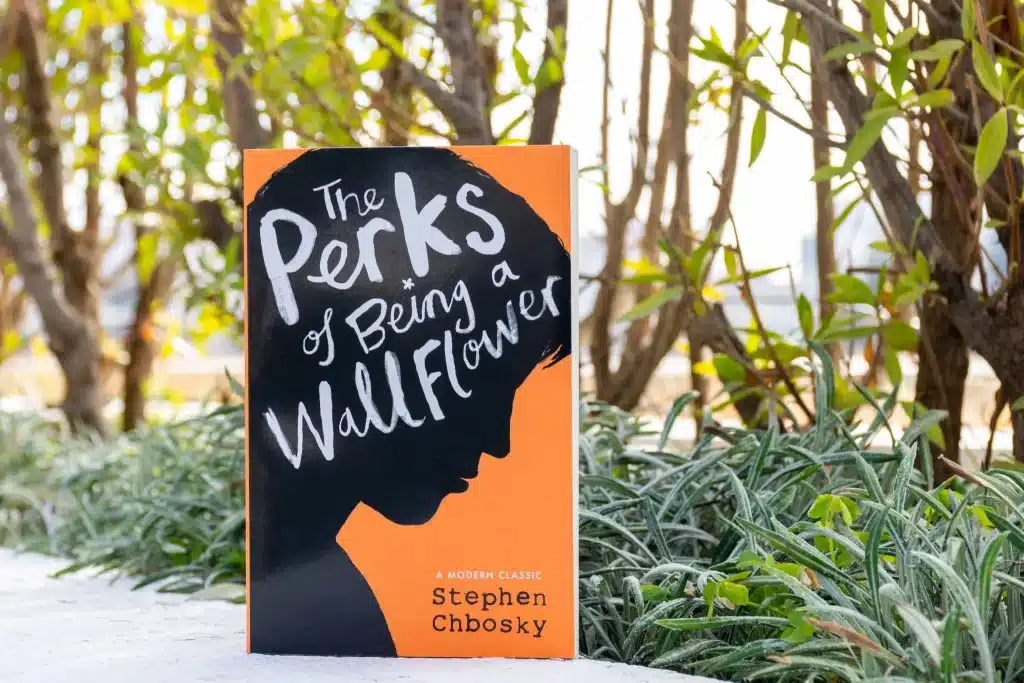
Stephen Chbosky’s The Perks of Being a Wallflower captures the intoxicating possibility that this year could be different—that somehow, with enough hope and determination, you might finally become the person you’ve always wanted to be. Charlie’s freshman year unfolds as a series of discoveries about friendship, love, and belonging that feel both universally relatable and deeply personal.
The novel’s epistolary format creates an intimate portrait of someone processing their world—academic and social—in real time. Charlie’s letters reveal an internal monologue that accompanies every back-to-school season: the careful observation of social dynamics, the desperate hope for acceptance, and the gradual realization that growth often comes through unexpected connections rather than perfect planning.
What makes this book essential for the back-to-school mindset is its honest portrayal of how school serves as both sanctuary and battleground. Charlie finds mentors in his English teacher and refuge in extracurricular activities while simultaneously navigating the minefield of teenage social politics. The tunnel scene, where Charlie declares that he feels “infinite,” encapsulates the fleeting but powerful feeling of possibility that arrives with each new semester.
Read if: You’re someone who genuinely believes that this academic year might be the one where everything finally clicks into place.
Buy on Amazon and Barnes and Noble

For the Academic Overachiever: Fangirl by Rainbow Rowell
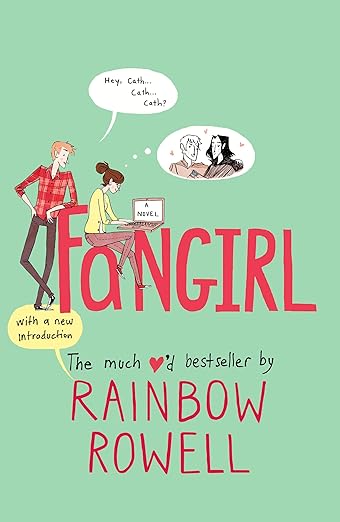
Rainbow Rowell’s Fangirl foregrounds the anxiety of students who have built their identity around academic success—and what happens when that foundation suddenly feels unstable. Cath’s transition to college becomes a masterclass in imposter syndrome, perfectionism, and the crushing weight of expectations that high achievers carry into higher education.
“In new situations, all the trickiest rules are the ones nobody bothers to explain to you. (And the ones you can’t Google.)”
— Rainbow Rowell, Fangirl
The novel brilliantly explores how academic pressure intersects with social anxiety and creative passion. Cath’s struggle to complete a simple writing assignment while simultaneously crafting elaborate fan-fiction reveals the difficulties many students have with formal versus personal expression. Her panic about group projects, office hours, and basic social interactions will resonate deeply with anyone who has ever felt like they’re performing competence while internally falling apart.
Rowell doesn’t shy away from the darker aspects of academic perfectionism—the way it can become a prison rather than a pathway to success. Cath’s journey toward balance, including her eventual acceptance that she doesn’t need to have everything figured out immediately, offers hope for students caught in similar cycles of self-imposed pressure.
Read if: You color-code your calendar and still feel like you’re somehow not doing enough.
Buy on Amazon and Barnes and Noble
For the Social Navigation Stress: Simon vs. the Homo Sapiens Agenda by Becky Albertalli
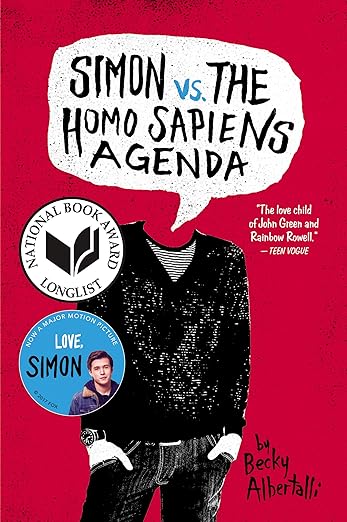
Becky Albertalli’s Simon vs. the Homo Sapiens Agenda transforms the high school social landscape into a complex ecosystem where every interaction carries weight and every secret feels potentially explosive. Simon’s story captures the exhausting mental gymnastics required to maintain multiple versions of yourself while desperately hoping that your authentic self will ultimately be accepted.
The novel’s exploration of identity revelation in the context of rigidly structured high school social dynamics is particularly relevant for the back-to-school experience. Simon’s navigation of friendships, romantic feelings, and family relationships while protecting his privacy creates a tension that many students recognize—that feeling of constantly calculating how much of yourself you can safely reveal in any given moment.
What makes this book particularly powerful is its understanding that coming out isn’t just about sexuality; it’s about the broader challenge of allowing people to see who you really are after years of managing your image. The way Simon’s fears about changing group dynamics mirror the anxiety many students feel about authentic self-expression makes this essential reading for anyone facing a new academic environment.
Read if: You’ve ever spent way too much mental energy trying to figure out exactly how much of your real personality you can safely show at school.
Buy on Amazon and Barnes and Noble
For the Identity Crisis Moment: The Absolutely True Diary of a Part-Time Indian by Sherman Alexie

Sherman Alexie’s The Absolutely True Diary of a Part-Time Indian delves into the psychological whiplash of existing between worlds—a experience that extends far beyond cultural identity to include the academic code-switching many students navigate daily. Arnold’s decision to transfer from his reservation school to the predominantly white Reardan High School sets the stage for an exploration of the costs and benefits of educational ambition.
The novel excels at illustrating how academic environments can simultaneously offer opportunity and demand assimilation. Arnold’s struggle to maintain connections to his home community while adapting to Reardan’s expectations reflects the broader challenge that countless students face when their educational pursuits seem to distance them from their origins. His internal conflict about “betraying” his community by pursuing academic success will resonate with first-generation college students and anyone who has felt torn between different versions of themselves.
Alexie’s frank discussion of how educational inequality shapes individual choices adds depth to the typical back-to-school narrative. The book acknowledges that for many students, academic success isn’t just about personal growth—it’s about grappling with complex family dynamics, economic pressures, and cultural expectations that make every semester feel like high stakes.
Read if: You’ve ever felt like pursuing your education meant choosing between different parts of your identity.
Buy on Amazon and Barnes and Noble
For the Mental Health Spiral: Dear Evan Hansen by Val Emmich with Steven Levensen, Benj Pasek and Justin Paul
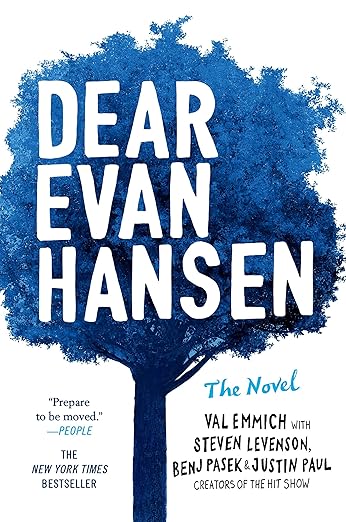
Based on the Tony-award-winning Broadway play, Val Emmick’s novel Dear Evan Hansen confronts the darker undercurrents of academic pressure and social media culture that define student life in the digital age. Through Evan’s anxiety disorder and the lies that spiral out of control, the story paints a bleak picture of how mental health struggles intersect with the performance of student success.
“The me I am is not the me I was.”
— Val Emmich, Dear Evan Hansen
The novel’s exploration of social media amplification—how a single lie can explode into a movement—feels particularly relevant for students in an educational landscape where everything is documented, shared, and potentially scrutinized. Evan’s desperation for connection and belonging, which he channels through increasingly elaborate deception, illuminates how academic environments can exacerbate mental health challenges rather than address them.
What makes this book crucial for the back-to-school conversation is its refusal to offer simple solutions to complex problems. Evan’s story acknowledges that sometimes the systems designed to help students—guidance counselors, peer support groups, family check-ins—can feel inadequate when facing the true intensity of mental health struggles. The novel’s portrayal of how anxiety can both motivate and paralyze academic performance serves to validate students dealing with similar challenges.
Read if: You’ve ever felt like the version of yourself that shows up at school is an elaborate performance that you’re not sure you can maintain.
Buy on Amazon and Barnes and Noble
For the Nostalgic Senior: Looking for Alaska by John Green
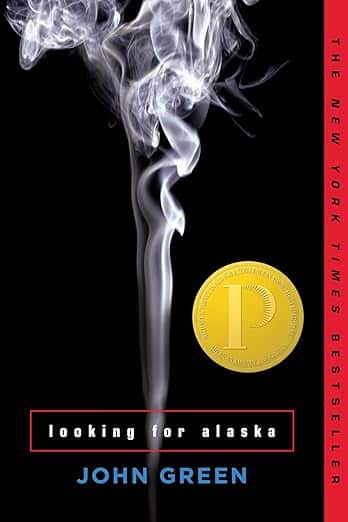
John Green’s Looking for Alaska probes the melancholy of academic endings—a bittersweet awareness that your current educational chapter is temporary and transformative in ways you can’t yet fully understand. Miles’s experience at Culver Creek Preparatory School embodies the intensity of academic communities where every friendship feels profound and every experience carries the weight of limited time.
The novel’s boarding school setting amplifies the intimacy of academic life, where personal and intellectual growth happen in compressed, intense bursts. Miles’s philosophical questioning, driven by his fascination with famous last words, reflects the way educational environments encourage students to grapple with big questions about meaning, purpose, and mortality—often before they have the life experience to process the answers.
Green’s portrayal of tragedy and how it reshapes academic communities speaks to the way that school experiences become foundational memories and are carried forward long after graduation. The novel’s exploration of grief, guilt, and the search for meaning within an academic framework offers a mature perspective on how educational experiences mold identity in ways that transcend grades or achievements.
Read if: You’re acutely aware that your current academic experience is temporary, and you’re trying to figure out how to make it meaningful while it lasts.
Buy on Amazon and Barnes and Noble
Finding your story in theirs
These six novels resist the temptation to romanticize or oversimplify the student experience. Instead, they craft honest portraits of academic life that acknowledge its complexity—the way schools can simultaneously nurture and constrain, the way educational ambition can both liberate and isolate, and the way academic communities shape identity in profound and sometimes contradictory ways.
The back-to-school season will always hold emotional weight because it represents transition, possibility, and becoming yourself. These books understand that weight and supply the kind of representation that helps students feel less alone in their academic journeys. They remind us that real education happens not just in classrooms but in the spaces between—in midnight conversations, in moments of doubt, and in the gradual realization that growing up is far more complicated and interesting than any syllabus could capture.
Whether you’re packing for your first semester away from home or settling into your another year of high school, these stories offer companionship for the emotional complexity that makes academic life both challenging and transformative. They remind us that the back-to-school experience is ultimately about more than education—it’s about the ongoing work of figuring out who you are and who you want to become.