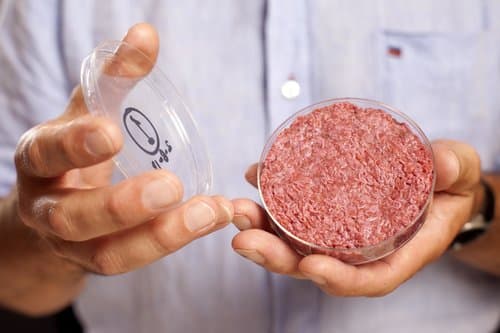
You’re probably thinking you misread the title. Spoiler alert: You didn’t. A Dutch company really is growing beef burgers in labs, and they’ve just been given a massive $55 million to keep doing it.
Mosa Meat reached headlines seven years ago for growing the first ever beef burger in a lab. Now, they’ve secured multi-million dollar funding to maintain production and bring laboratory-made meat to the forefront of the consumer market.
There is already a large and fast-growing range of meat-alternative foods, from shroom dogs (sausages made from mushrooms) to a meat-like steak made from peas and seaweed. Despite growing demand and interest in vegetarian cuisine, the meat industry remains superior. To accommodate this demand for meat products, animals are farmed and slaughtered on an extreme scale (around 72 billion annually), which is having a detrimental effect on our environment.
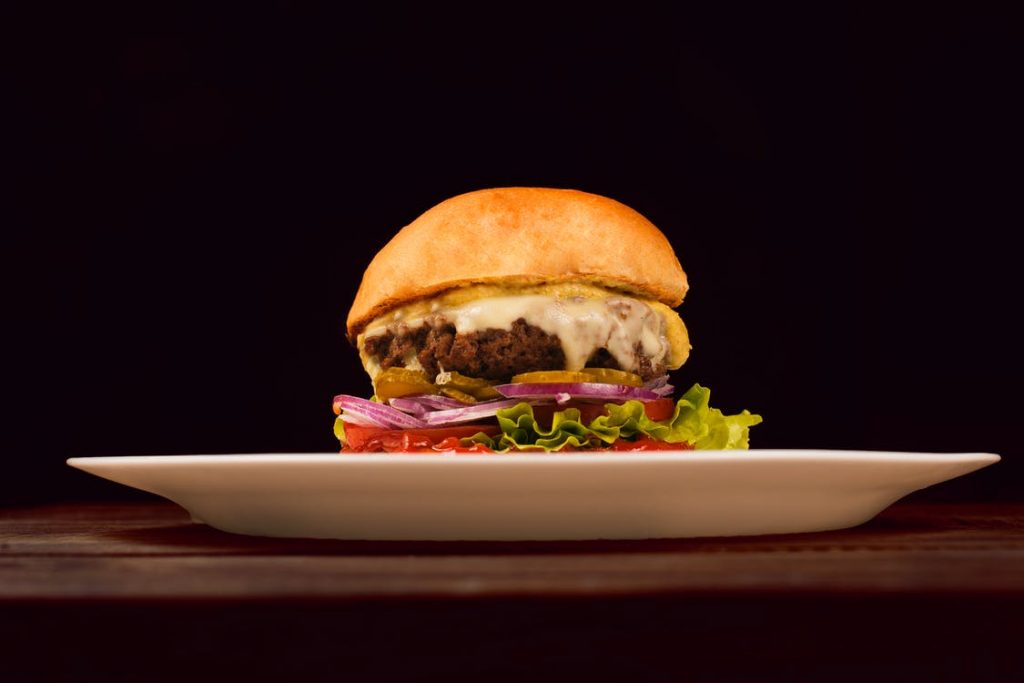
So, Mosa Meat have honed in on this by producing a meat product that eliminates the traditional rearing of cattle.
They have big plans for their technology and have been awarded the funding by Luxembourg’s Blue Horizon Ventures to expand their factory and provide meat alternatives for the entirety of Europe, and also obtain licenses to sell in other countries.
But what exactly are lab-grown burgers?
Despite skipping the rearing of animals, the burgers Mosa produces are in fact meat-based, and not artificial like veggie alternatives.
‘In the next 3 years, we aim to scale up to one industrial-sized production line, work with regulators to demonstrate the safety of cultivated meat, and introduce the first cultivated beef to consumers,’ says Sarah Lucas, who is head of production.
Following the backing from Blue Horizon, there are now 50 scientists on board and they have already managed to reduce the production cost for each individual burger by 88 times since the company began in 2013. The progress they have already undertaken will continue to advance not only the research, but the production of the burger too.

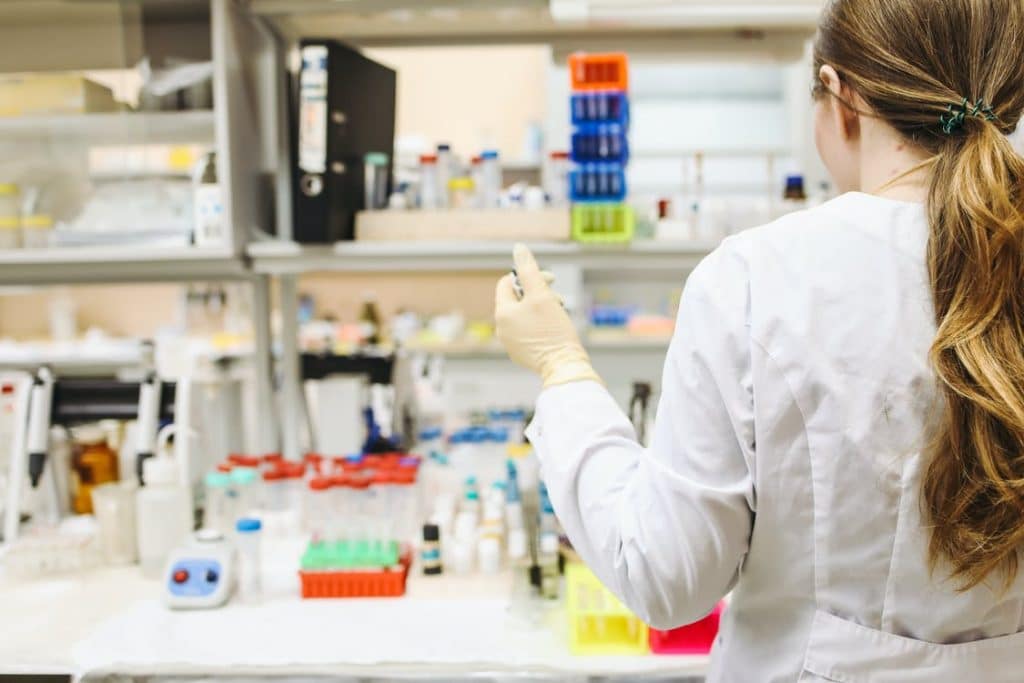
Initially, the cost to produce just one burger was a whopping €250,000. Now, they predict it was cost around €9 to produce each burger.
Originally, it was so expensive because of the serum the cells were grown in – fetal bovine serum (FBS). The serum was found in a cow’s uterus, but one litre cost between £300-£700 and 50 litres were needed to produce just one burger.
But according to Lucas, Mosa has been able to remove FBS by ‘ensuring that the essential elements of FBS are in the growth medium, but sourced animal-free.’ They are using a pharma-grade equivalent which is proving more cost-effective.