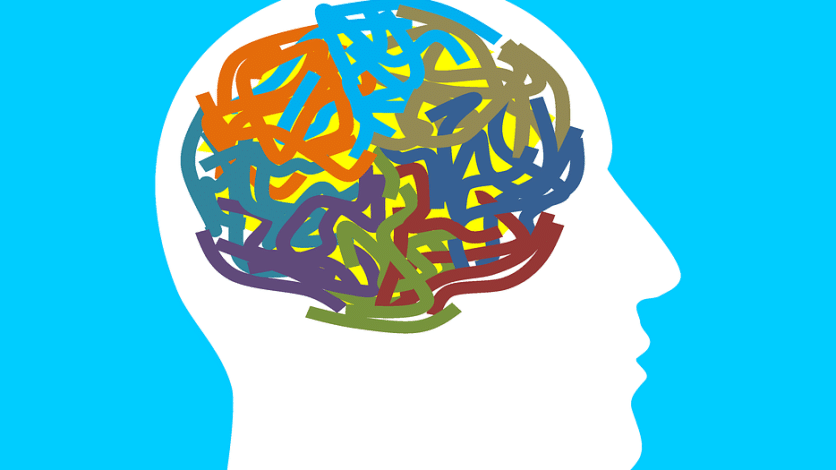
Anxiety according to the NHS, ‘is a feeling of unease, such as worry or fear, that can be mild or severe. It is something we’ve all experienced at some level, especially at the moment with COVID-19 in our presence, and is indeed part of our very human nature.
Fight, Flight, or Freeze response
This term constitutes the primitive brain’s response to a sense of danger. Animals launch into this response when trying to protect themselves from a predator, in the same way, when we feel under threat, our brain and body react to protect us.
Physical and Psychological Symptoms
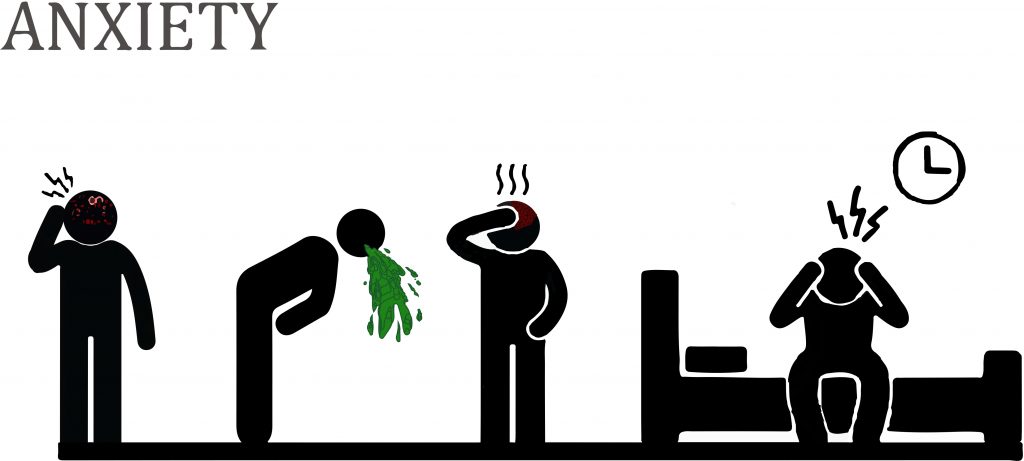
Some of the most common physical symptoms include the following:
- Feeling sick/loss of appetite
- Heart racing
- Breathing difficulties
- Restlessness
Some of the most common psychological symptoms include the following:
- Feeling removed from your environment and the people in it
- Avoiding certain situations that are worrying/anxiety-inducing
- The feeling of losing control
- The feeling of alertness/hyper-aware
Anxiety UK discusses the above in greater detail.
What to do?
If your anxiety is long-lasting and affects your daily life and the tasks you carry out, this is something you should try to tackle.
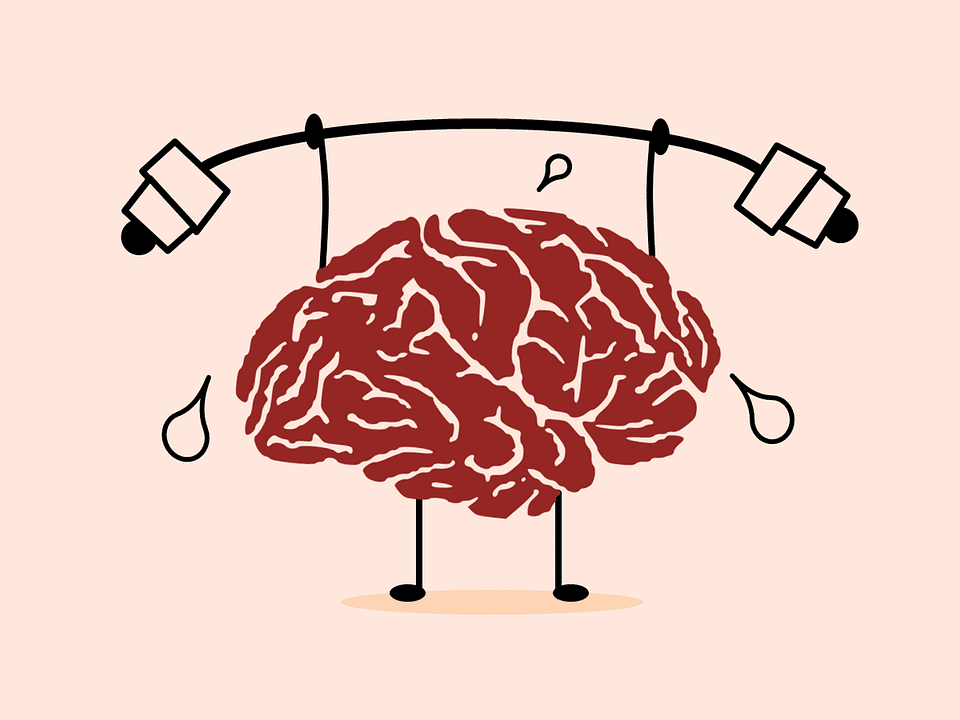
This can be done in some of the following ways:

- Speaking to people, an adult or friend, somebody you can trust
- Exercise; through releasing endorphins exercise can help improve your Mental Health
- Mindfulness and Meditation
- Deep breathing techniques
- Using online resources, such as those provided by Mental Health charities provides information, advice, and chat lines.
- Information about the support that can be received from these organizations can be reached here.
Anxiety and the Coronavirus outbreak
Anxiety is something that affects many of us and does not discriminate by age; people of all ages are likely to experience some level of anxiety at one point in their lives. This is usually in response to stressful events or changes.
The recent pandemic has accentuated the effects of anxiety for some due to the unprecedented times we are facing. After such a long period of social distancing, many face challenges of returning to work/university/school, socializing with friends, and even carrying out simple errands.
Despite the negative impacts of the pandemic on those suffering from anxiety, it has opened up a conversation about anxiety, as more people have experienced its effects. Even the Duke and Duchess of Cambridge have spoken out, shedding light on anxiety by supporting a campaign to protect Mental Health during the pandemic, according to the BBC.
https://www.youtube.com/watch?v=NbRnHkHnnkQ
If you found this eye-opening, check out ‘How Anxiety and Depression Must Be Better Understood’.