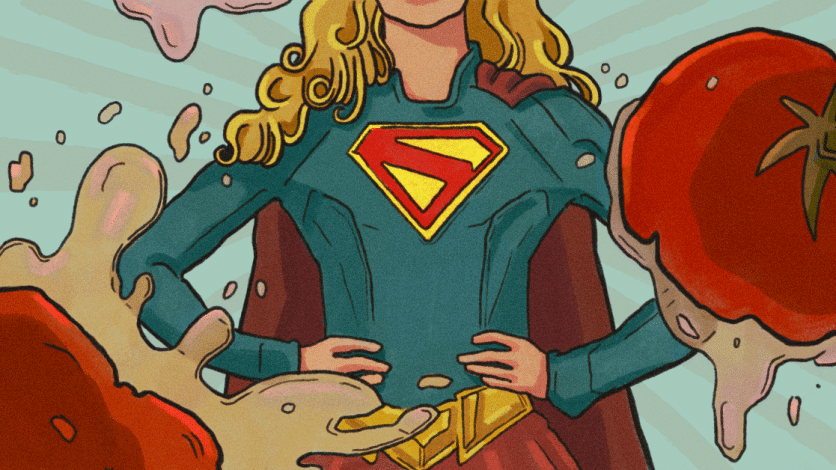
Supergirl, starring Milly Alcock, is the newest female-led superhero movie to receive an underwhelming reaction from its audience. Following in the footsteps of The Marvels, Madame Web, She-Hulk, and many more, audiences seem to struggle with Supergirl as a character, along with the overall quality of the film.
Supergirl is a DCU film that follows Kara Zor-El (Alcock) as she journeys across planets in search of an antidote to save her dog, Crypto. Kara is a complex, deeply human, unapologetic character. She runs from her responsibilities, drinks to feel something other than her grief, and is determined not to be a hero like her cousin: the infamous Superman. The quality of a film is subjective; everybody likes different things. But if we look at the film from an objective perspective, is it perfect? No. Does it entertain and provide a well-told story? Yes. Is it worse than an average male-led superhero film? Absolutely not.
It will come as a surprise to no one that there is a double standard–a different metric system, be that internalized or externalized–in which a female-led and/or directed superhero movie is held. Let’s take a look at a couple of the exceptions.
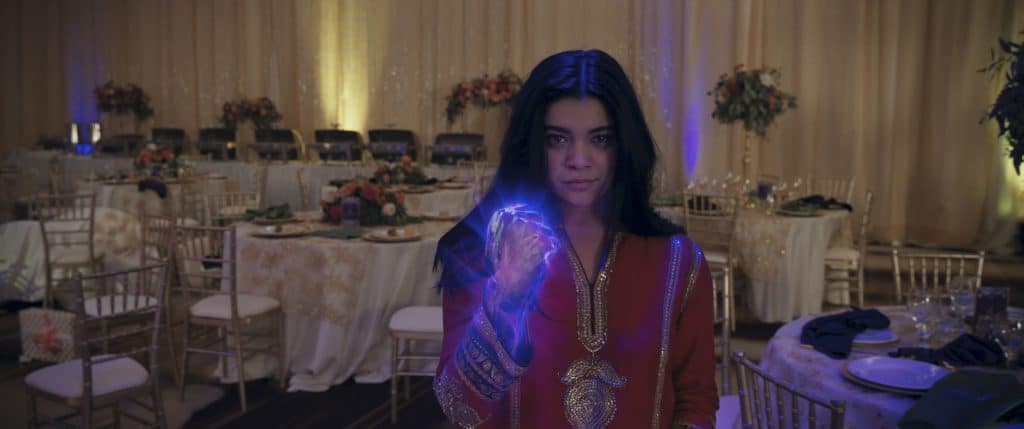
Ms. Marvel and Wonder Woman (The Exceptions)
In the five and a half years since Disney+ started producing Marvel Television, Ms. Marvel remains one of the MCU’s highest-ranked television shows. The show follows Kamala Khan (Iman Vellani), a 16-year-old girl and Captain Marvel fanatic from Jersey City who unlocks her superpowers via a family heirloom. Far from a reluctant hero, she is eager to embrace her new reality. In learning to control her light-based powers, she uncovers the history of her great-grandmother’s bangle and reconnects with her family. The struggle and learning curve of controlling her powers align with the journey of self-discovery that she goes on during the series.
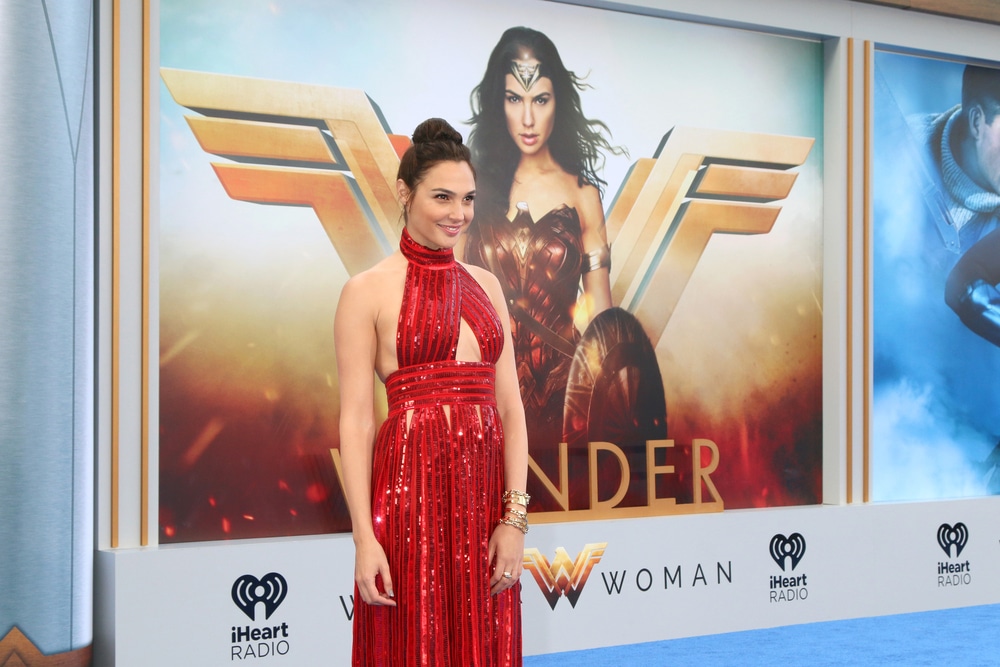
Another one of the highest-ranked female-led superhero movies is DC’s Wonder Woman (2017). The film is about Diana (Gal Gadot), the daughter of Amazonian queen Hippolyta. Diana grew up on the island of Themyscira, which is hidden from the human world. When a World War I spy, Steve (Chris Pine), crashes on the island, the Amazons learn of the war that is raging in the outside world. Diana firmly believes that Ares is responsible for the war and that she must travel with Steve to kill Ares and protect the innocent people. Throughout the journey, Diana discovers that Ares is not entirely responsible for the war. The humans are, in fact, responsible for their own actions. However, Diana still comes to realize throughout her own experience in the world that people are capable of good, even the ones who have caused the most pain.
The Common Denominator
What do this television show and movie have in common? An “innocent” female lead who goes on what is essentially a coming-of-age story in the sense that they are learning certain truths about the world around them. I put “innocent” in quotes because that word becomes twisted into different definitions when applied to women. Kamala and Diana are “innocent” in the same way Captain America or Superman are innocent, but of course, no one would use that word to describe the latter two. There is nothing wrong with having this archetype for a female character. It is not weak or anti-feminist or childish to have a character who is hopeful and wants to see the good in people.
The problem is not just that this is the only female superhero archetype accepted by audiences; the problem is also why that is the case. When you look at the similarities between Kamala and Diana, you realize that they are both having the world explained to them while figuring out their own place in it. Kamala is having the world explained to her by her parents and teachers because she’s a teenager. Diana is having the world explained to her because this is her first time in the outside world; she doesn’t know how it works. It seems that audiences prefer a female lead, especially a superhero, whom they can infantilize.
Characters like Captain Marvel, She-Hulk, or Supergirl are considered to be too much for audiences. These are characters who are confident, authoritative, experienced, and annoyed at the unfairness of the world, but they aren’t described this way. They are described as arrogant, obnoxious, or abrasive, and their movies/television shows will often be called “too woke.”

The Marvels
The Marvels features Carol Danvers (Brie Larson), aka Captain Marvel, and Monica Rambeau (Teyonah Paris), who would fall into this category of character. But the supposed only bright spot in an otherwise lacking film was Kamala Khan. The thing about The Marvels is that they had everything working against them. Before Captain Marvel even premiered in 2019, Brie Larson was already facing backlash regarding the character; this meant that when it came time for the sequel, people had made up their minds about the film before they even saw it.
When you weigh the previously mentioned double standard for a female-led or directed superhero movie with The Marvels’ three female leads, female villain, and female director, you realize that it doesn’t matter what the quality of the film was because it never stood a chance with the audience.
Supergirl and Actress Milly Alcock Backlash
Some of the backlash Supergirl is facing is based on her refusal to fit into a category demanded of female superheroes by audiences. She doesn’t have a love interest or wear tight clothes or excessive makeup–not that there’s anything wrong with those things, but some versatility should be allowed. In fact, one major source of backlash against Alcock involved a comment that she made about how great it is that Kara doesn’t have a love interest, and more specifically, how her story doesn’t revolve around a man.
Many male audience members didn’t appreciate the comment. They felt that Supergirl not having a love interest, along with Alcocks’ comment, was a political statement that didn’t belong in a superhero film. It’s no more a political statement than James Gunn’s Superman being a statement on world peace, Captain America: Civil War being a statement on government control. In fact, one could argue that Supergirl makes even less of a supposed statement because her lack of love interest is not mentioned in the film or even the point of the film.
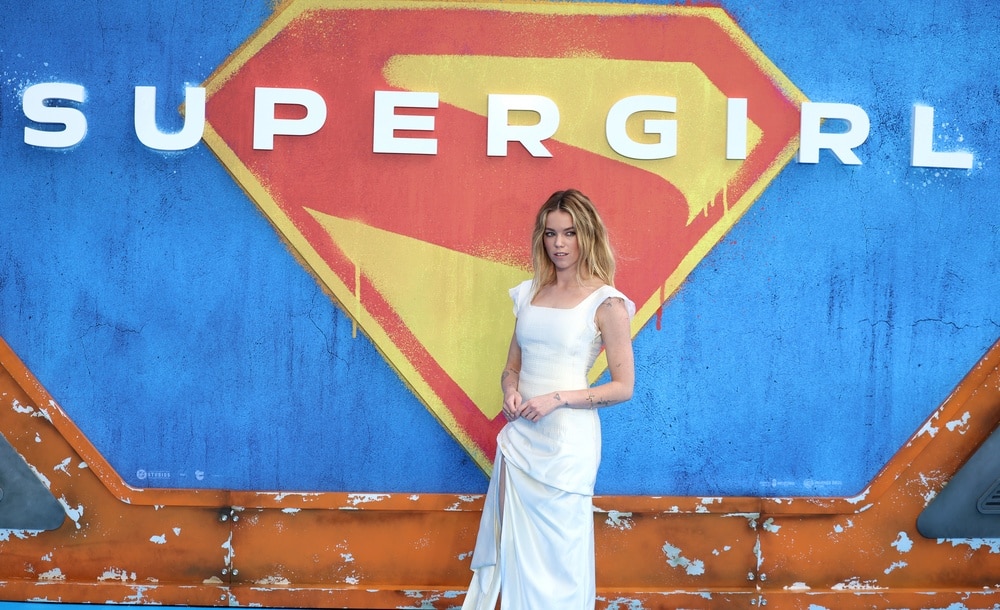
Aside from saving her dog, one of Kara’s motivations is learning that the film’s antagonist, Krem (Matthias Schoenaerts), is stealing young girls to carry his and his crew’s children. But this is not seen as a way to call attention to sex trafficking and the sexualization of young girls; it is seen as insensitively handled and tonally out of place. The people who feel this way are upset about the fact that the movie didn’t use its platform to put a bigger spotlight on these issues. This backlash has created a fascinating paradox. Some audiences are claiming that the movie is “not woke enough”, as opposed to the prevailing opinion that the movie is “too woke”. It’s a classic case of double standards. We all remember America Ferrera’s iconic speech from the Barbie movie: women are damned if they do and damned if they don’t, penalized for everything they are and everything they aren’t.
What We’ve Learned
Superhero fatigue has become quite real in the post-Avengers: Endgame era. People are simultaneously wanting something different and missing all the familiar superhero films from pre-2019. It’s already hard to impress audiences when they think there’s nothing new you can show them. However, since James Gunn’s takeover of the DCU, he has been rolling out masterpiece after masterpiece. It seemed like the DCU could do no wrong until their first female-led project. Now, what’s being talked about most regarding this movie is the crystal-clear misogyny it has unveiled amongst viewers. Despite not wanting their film or the character of Supergirl to make any kind of statement, the film has nevertheless sparked a lively conversation that needs to be had.