
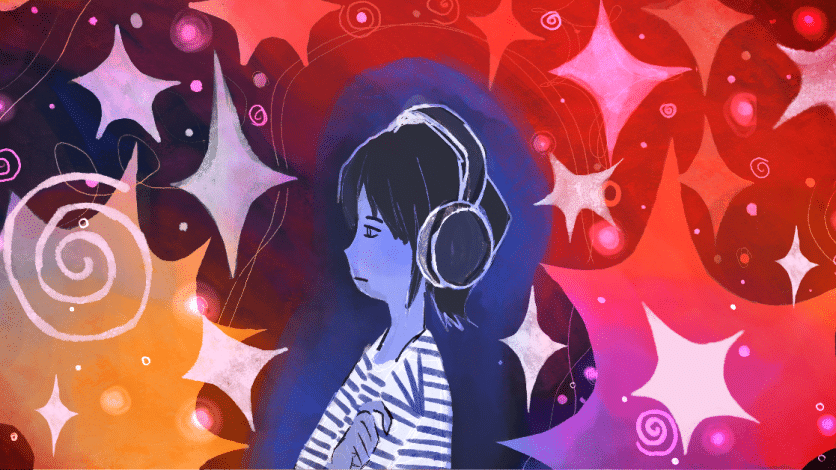
I once stared at a text message for ten full minutes before responding. Not because I was busy, but because I was trying to figure out how to sound like I cared not too much, not too little, but just enough to be nonchalant. Let me explain.
I wanted to sound interested, but not too interested. Casual, but not cold. I wanted to seem emotionally intelligent, detached, and confident, anything except eager or “chalant”. So instead of just replying intuitively, I sat there editing my tone in the iMessage chat.
Somewhere along the way in this digital world we now live in, I can see and feel that openly caring and showing care has become somewhat socially frowned upon. Now, it seems that emotional distance is often treated like social intelligence online, while the opposite is treated as embarrassing or excessive.
The person who takes hours to text back wins. The person who acts the least invested appears the most desirable. I see constant online jokes about being “nonchalant,” as if emotional unavailability were some kind of aspirational personality trait rather than what it often is: fear.
It can look like waiting ten minutes to text back because replying too fast feels desperate, or your friends calling you “down bad” for expressing too much interest and sending you TikTok videos calling out “simp” behavior, or nonchalance culture.
When did caring become embarrassing and, more importantly, why?

The Internet’s Aspirational Nonchalance Culture
I have noticed this trend over the past few years: internet users seem to make memes about emotional distance and this nonchalant cultural behavior. I wondered why this was, why does detachment read as power online? You can see it everywhere.
“Crash out” culture turns emotional reactions into humiliation.

Seeing people romanticize being emotionally unavailable as if detachment itself is maturity.
Entire TikTok comment sections praise people for “standing on business” by cutting someone off instead of communicating honestly.
There is the “I don’t chase, I attract” mantra that has been around, calling someone “nonchalant” becoming a compliment, as well as just the simple demonization of being emotionally available. It seems being unaffected has become performative social currency.
It feels to me that we, as a generation, gain social capital by thinking that others like us more than we like them.
Although what strikes me as compelling is that Gen Z is not uniquely emotionless. We all care just as much, if not more than, generations before us. I found that the reason behind what compelled the confusion was this: We are watched.
Every emotion is now public-facing. Read receipts, close friends’ stories, mutual followers seeing everything.
Fear of screenshots, fear of becoming someone’s funny content on their page. Emotions used to disappear after they happened. Now they linger online permanently.
Due to being watched, the death of earnest posting online has been imminent. Being chill is more important than showing someone you care, and avoiding being called a “simp” matters more than how the counterpart feels about your actions. In my opinion, this is what causes the emotional detachment.
Relationship expert and emotional safety specialist Ramiro Castano believes the answer is much simpler than internet culture alone: fear.
“The simple answer is fear,” Castano told Trill. “Fear of getting hurt, of being taken advantage of, of rejection, of looking weak or needy, of losing themselves in a relationship.”
According to Castano, much of modern dating is driven by the “principle of least interest”. It’s the idea that the person who appears to care less often holds the most power in a relationship dynamic.
“Performing detachment is one way people try to protect themselves while quietly hoping the other person closes the gap first,” he explained.
That idea feels unfortunately familiar online. Showing interest first can feel like surrendering leverage. Admitting you miss someone, want reassurance, or openly express interest can suddenly feel more vulnerable than silence itself. So instead of expressing how we feel, many of us perform indifference and call it confidence.
The Performance of Emotional Detachment
Eventually, pretending not to care stops being performance and starts becoming our new normal. If emotional suppression is disguised as empowerment, I believe vulnerability will become extinct.
I think that if this nonchalance culture habit keeps trending, we will perpetuate harmful social behaviors such as ghosting, avoiding difficult conversations, refusing to communicate directly, romanticizing emotional unavailability, calling everything cringe, self-protection turning into isolation, and people now fearing appearing needy more than they fear emotional disconnection itself.
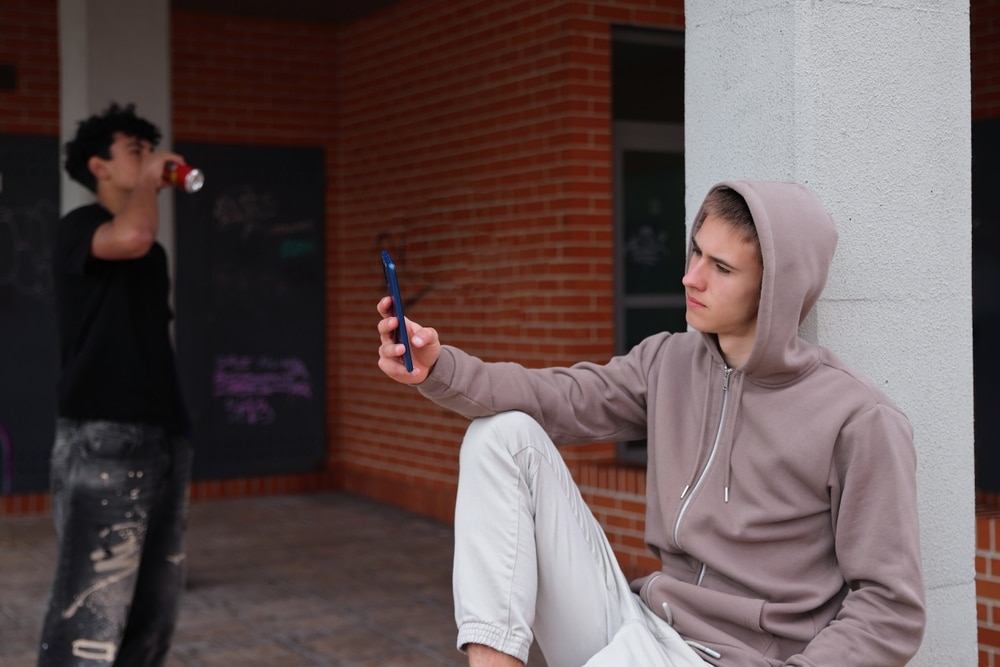
What Happens When Everyone Is Trying Not To Care?
I believe there are many consequences of this era of nonchalance that we will see in our own lives, whether immediate or gradual. We could constantly be in limbo, waiting for the other person to care first, or simply for emotional honesty to become rare in its entirety, maybe even living falsehoods, as everyone wants intimacy while performing indifference. These could become extremely detrimental to our social lives.
I think one of the saddest parts of all this is that people like myself genuinely crave deeper connection while simultaneously participating in behaviors like this that prevent it.
We say we want honesty, reassurance, intimacy, consistency, vulnerability, yet we don’t want the vulnerable risk of getting hurt or teased to affect us.
There is now a social risk attached to emotional transparency.
It feels safer not to text first.
Safer to act detached.
Safer to ghost before being rejected.
But eventually, I believe that self-protection starts morphing into isolation.
You stop saying what you actually feel.
And over time, I think people begin confusing emotional avoidance with chillness.
Mental health counselor Jason Fierstein, MA, LPC, owner of Phoenix Men’s Counseling, sees this pattern often.
According to Fierstein, he sees many people perform emotional detachment not because they genuinely care less, but because they are afraid of rejection and judgment.
“People are scared of showing who they really are for fear of lack of acceptance from peers or people in the social media community,” Fierstein told Trill. “Especially with men, they try to play it cool and seem untouchable.”
He argues that social media exacerbates this fear by constantly encouraging comparison and reinforcing the idea that there is a “right” way to present yourself.
“People are afraid of getting rejected by being themselves,” he explained.
The consequences can extend far beyond dating. Fierstein warns that constantly keeping people at arm’s length can contribute to loneliness, anxiety, and a false sense of self. “They don’t let people in, so they don’t get to connect with others on a deeper level,” he said.
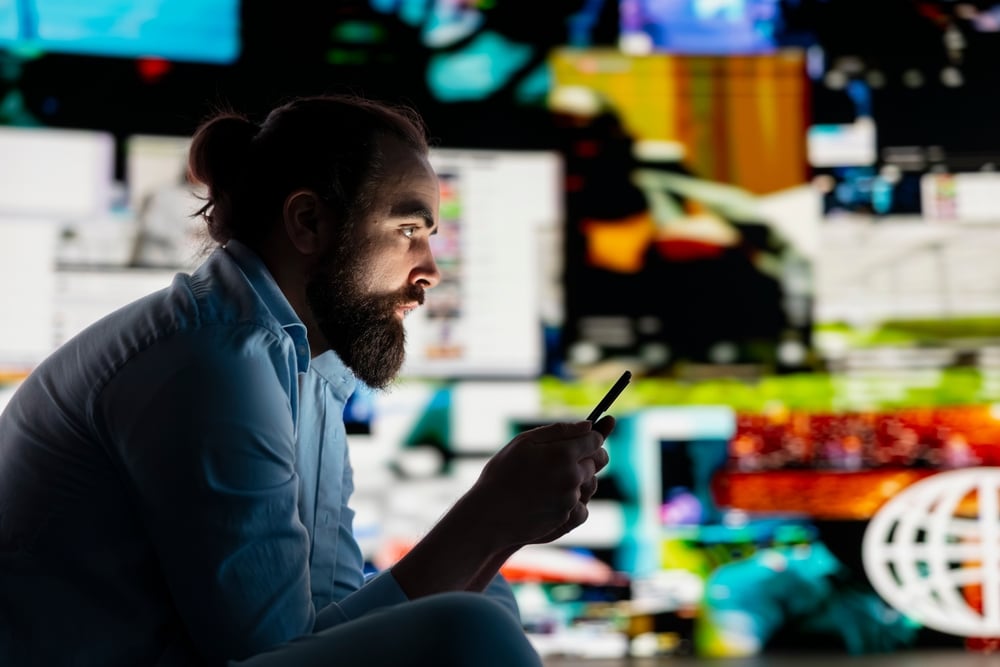
Vulnerability As A Superpower
Maybe sincerity is embarrassing now because it requires risk, and caring openly means surrendering control.
And all in all, maybe this generation does not care less.
Maybe we’ve just simply become terrified of being seen caring at all. In an era when looking unbothered is prized, sincerity can become a superpower.
Because at some point, pretending not to care stops protecting us and starts isolating us.
Stay honest, vulnerable, and connected. Nonchalance culture is overrated.