
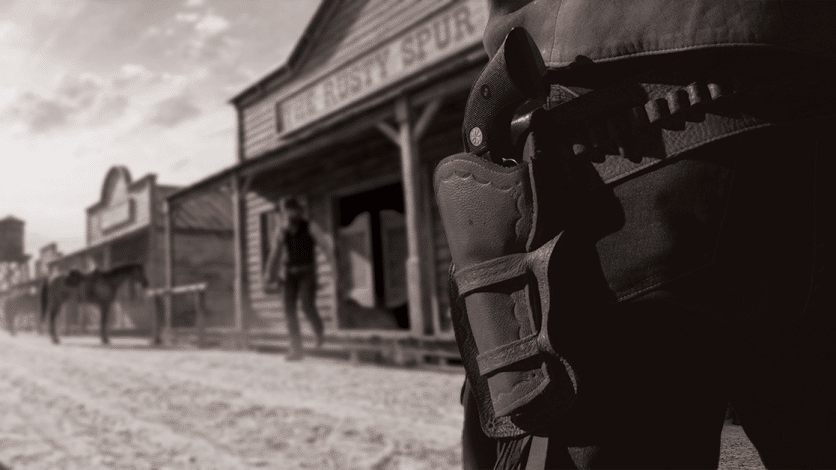
When it comes to genre films, perhaps none are more iconic than the Western. Any viewer can imagine the endless tales of good vs evil, taming nature, and making their own destiny. Despite its recognizability, the American Old West now receives little attention.
In the modern era of blockbusters, the Western, Hollywood’s original claim to fame, has significantly reduced in production planning. Aside from macho action films, it seems fantasy and science fiction films have completely taken the spotlight. Has the world moved on from what happened, relegating Westerns to only the occasional nostalgia trip? Or has the genre lived on to ride again, just not in the form most associate it with?
What happened to the classic Western
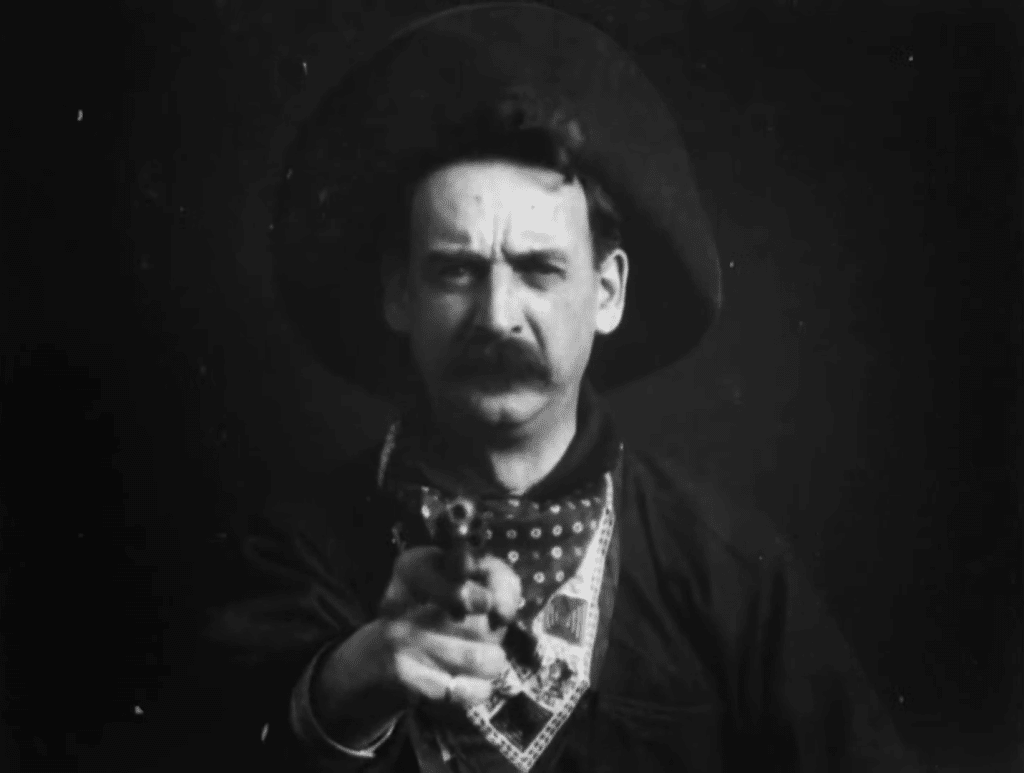
The Western is among the oldest of the film genres, starting not long after the time period it often recreates. Started by 1909’s The Great Train Robbery and cemented by 1939’s Stagecoach, it has evolved alongside America itself. In an ever-expanding nation feeling the effects of two World Wars and the Great Depression, audiences ate up the gritty yet hopeful tales Westerns provided. Settings were stark, yet themes were simple: good triumphs over evil, civilization over lawlessness, and will over destiny. This beautiful simplicity could not last forever, though, and thus neither could these classic Westerns.
More than any other genre, Westerns embodied the best and worst parts of early twentieth-century America. Foraging your path in a chaotic world is a timeless message, as is the triumph of good over evil. However, most agree that the execution of these themes has not aged well. All-White casts, barbaric Native Americans, and damsels in distress permeate and thus date the majority of these films. Some may be charitable and see this as period accuracy, but that fact is often just a coincidence. Regrettably, historical value is the only real reason to revisit these films.
Starting in the 1970s, audiences began to grow tired of the black-and-white worlds full of caricaturized deputies, cowboys, and Natives. This came to a head with 1980’s Heaven’s Gate, a Western whose disastrous release encouraged studios to abandon director-driven productions. With the subsequent rise of Fantasy, Science Fiction, and Superhero Blockbusters, it seemed that Westerns had met their end. Current attempts at Blockbuster Westerns, such as 2013’s The Lone Ranger, have mostly failed, cementing in most people’s minds the death of a genre that once defined America.
The subtle rise of the modern Western
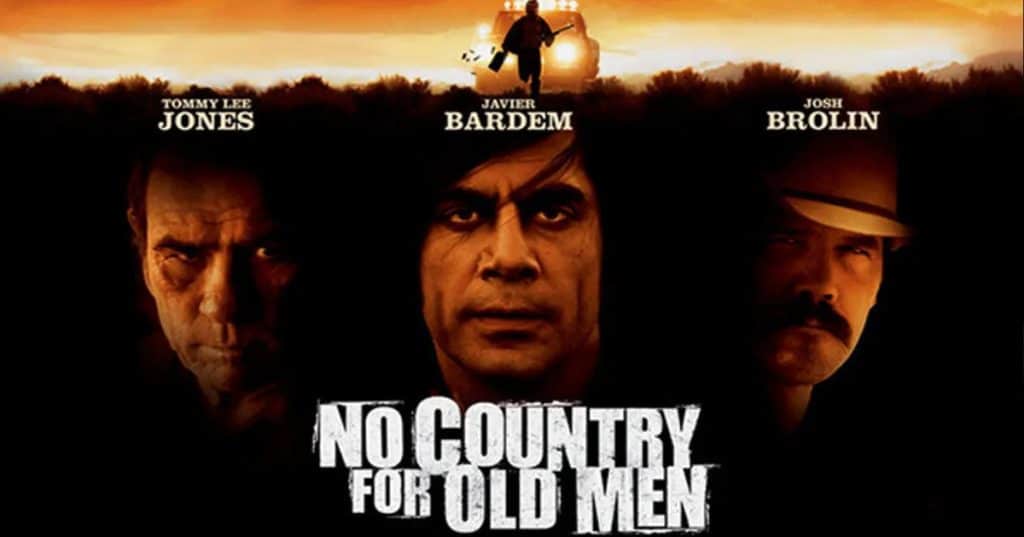
As dated as the classic Westerns of yesteryear are, they can still be modernized for current audiences. Many films have done so already, such as 2007’s No Country For Old Men, questioning its hero’s morality, or 2021’s The Harder They Fall, using a mostly Black cast. Like with any long-lasting genre, the Western tropes are malleable and able to fit within more stories than classic Westerns. After all, genres should be ways to classify films, not strict checklists for writing them. As stated previously, their basic themes of morality, destiny, and perseverance are truly timeless.
However, you need not search long to see that cowboys and outlaws have barely any presence in the theaters of today. If any part of the Western has died, it may just be its traditional iconography. Stories of deputies catching outlaws or fending off Natives are childishly simple by modern storytelling standards, so filmmakers have gotten creative. Screenwriters know that a film’s themes, not characters, are its core, so cowboys and deserts happen to be a Western’s least important aspect.
Thanks to modern genre blending, Western-style themes often creep into films with another genre’s aesthetics. Instead of a bandit, Star Wars’ The Mandalorian (2021-present) has a bounty hunter, Logan (2017) a superhero, and Breaking Bad (2008-2013) a chemistry teacher turned drug dealer. There may not be any horses, leather boots, or cowboy hats, but there is self-determination, corruption, and masculine violence. If those do not characterize the American Old West, I do not know what would.

The true spirit of the Western
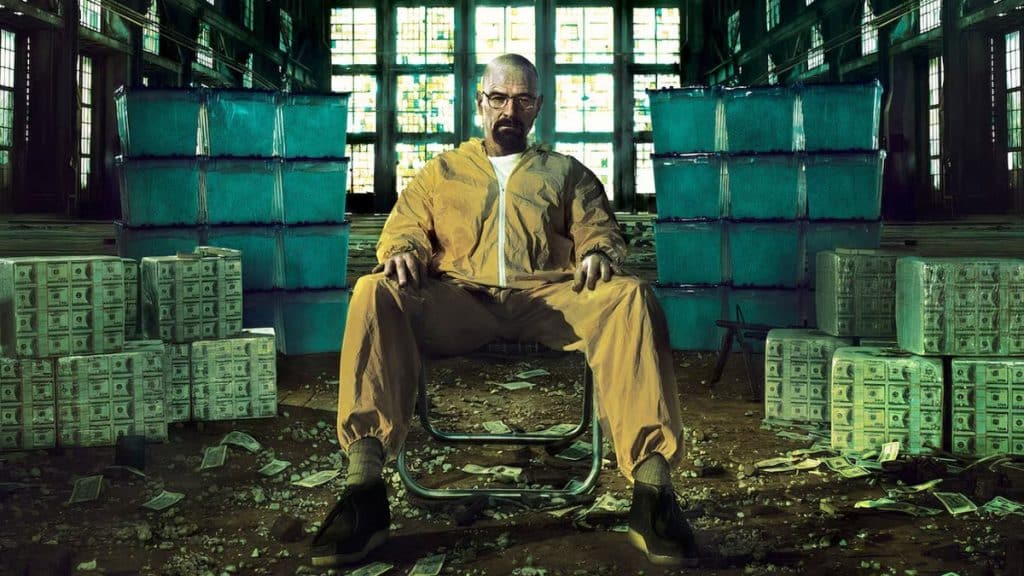
Thanks to its rich American history, the Western is associated with America likely more than any other genre is with a place. Non-American Westerns, such as Italian Spaghetti Westerns or Indian Bollywood productions, all try to mimic Western America. Such a setting thus has worldwide appeal, but the novelty has long worn off in America itself. But maybe the iconography is not necessarily what these productions are trying to capture. Americans’ sense of freedom, individualism, diversity, and opportunity also have attracted worldwide attention.
These key aspects of American culture apply to much more than rounding up outlaws. Opposing government overreach, like censorship, surveillance, land seizure, or personal rights violations, is a modern form of individualism. America also has a well-known culture around guns and self-defense, traits also common to Westerns. Even basic ideas like freedom of expression can be American or Western-coded, especially in the face of corrupt authority. Granted, these ideas are not exclusive to Westerns, but their voicing of larger themes of individual freedom is very Western-coded.
One last aspect about Westerns is their association with old-school masculinity. The gunslinging vigilante cowboy may be an outdated, even harmful, character type today, but still has story potential. Modern Westerns often deconstruct their heroes, showing them learning to compromise or accepting the consequences of their lifestyle. Portraying a character’s methodology and worldview does wonders for audience engagement.
What will happen to Westerns?
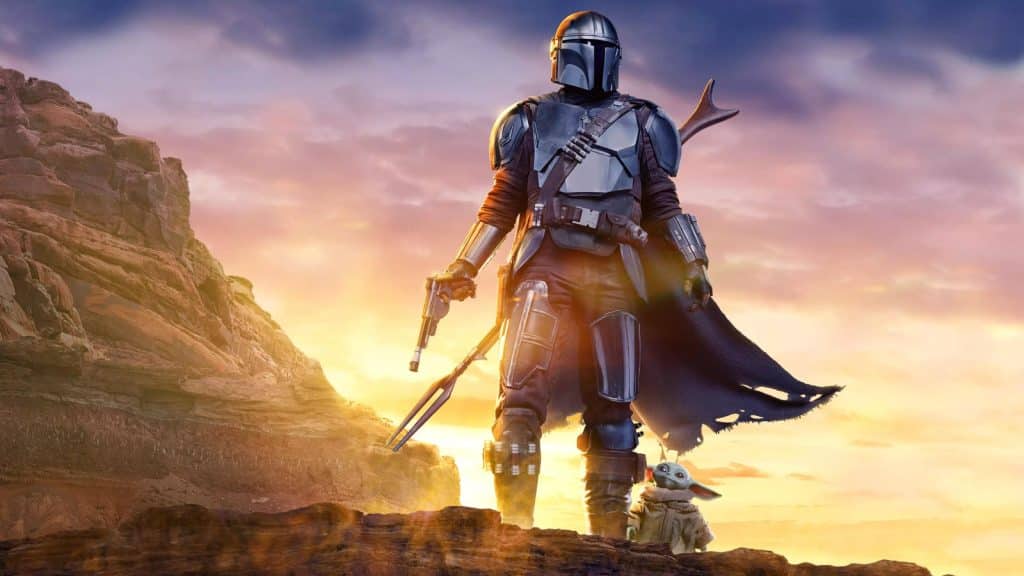
By now, it should be clear that surprisingly little has happened to Westerns. Genre-mixing permeates the entire film industry, so straight-played classic Westerns dying off is not unique. More unique is how often underplayed Western traits are in modern films, as Western influences on iconography like costuming and setting are often rather subtle. Going back to earlier examples, The Mandalorian is more associated with Science Fiction and Breaking Bad with Crime Drama.
I also would be remiss to not mention the niche modern appeal of classic Westerns. The increasing popularity of conservative political beliefs among Gen Z has led to Rightist outlets producing content catering to these ideals. This can include more classical Westerns like The Daily Wire’s Terror on the Prairie (2022) that actively avoid modern messaging in favor of traditional American beliefs. Other viewers may be wary of how sensitive the modern world has become and enjoy seeing an outlaw living their best life. The thriving indie and streaming spaces enable smaller-scale productions that revive the old American West for those who like it.
Personal rights and individual freedom are universal concepts, but Westerns portray them in an unmistakable manner. The heroes of Westerns make themselves known, never back down, and are not above dirty work. In the American sense, they are, or at least see themselves as, bringers of justice whose land, tools, and weapons are part of their identity. While not everyone agrees with the American worldview, such unapologetic characters are nonetheless captivating worldwide. Cowboys may be long past their peak popularity, but many Science Fiction and Drama productions carry their legacy. So long as the spirit of freedom burns bright, so too will Westerns.