The dramedy of relationships in cinema is alive and well with the overwhelmingly positive audience reception to Zendaya and Robert Pattinson going back and forth as a hilariously dysfunctional couple in The Drama, but there are many more films that encapsulate romance at its most soul-stirring moments.
After watching the before, during, and after events of the wedding of the year in Kristoffer Borgli’s The Drama, audiences may be questioning what is the worst thing that their own partners have done.
These same audiences may even be craving a little bit more of a glimpse into others’ relationships to see on the television screen.
From splashes of comedy mixed with subtle tragedy to love’s saccharine moments swirled with a slice of thrill and tiny details from other movie genres, here are five films that explore the romance genre from an alternative lens.
With these pictures, some viewers may even want to begin again with their own past lovers.
Silver Linings Playbook (2012)
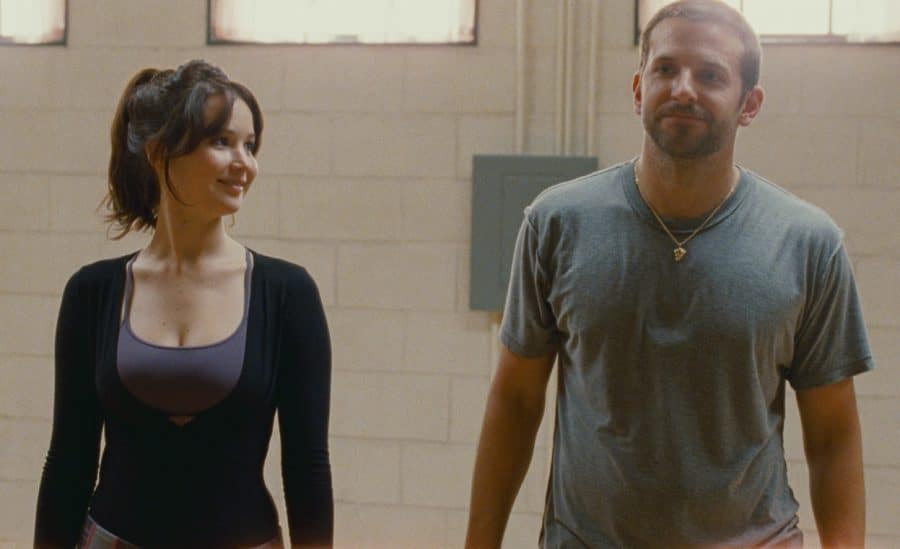
Starring Jennifer Lawrence and Bradley Cooper, David O. Russell’s Silver Linings Playbook follows Pat (played by Cooper) after a months-long stay in a mental health facility to treat his bipolar disorder.
Once he is released, Pat wishes to reconcile with his ex-wife, but is prevented from contacting her due to a restraining order. After meeting Tiffany (Lawrence) at a friend’s house for dinner, the two form a friendship that starts out as an agreement: Pat will help Tiffany in a dance competition as long as she delivers a letter to his ex-wife.
As they practice together, their bond grows deeper than either of them expected. They share mental health experiences, relationship trauma, and a mutual desire that pushes them towards more than what either of them originally expected of their relationship. Their connection challenged what both of them thought was possible in life.

In this film, the main characters act erratically as well as spontaneously, which offers a slice of comedy amidst its serious mental health depictions. In doing so, audiences can find amusement in the characters’ tragedies, making the viewing experience more relatable and human.
As Pat and Tiffany attempt to find the silver linings in life as well as each other, their relationship peels back layers of experiences that the viewers themselves need to reconcile with.
Little Fish (2020)
Instead of questions of fully knowing one’s partner being the heart of the drama, Chad Hartigan’s Little Fish conceptualizes forgetting about one’s partner as the ultimate devastation to a pairing.
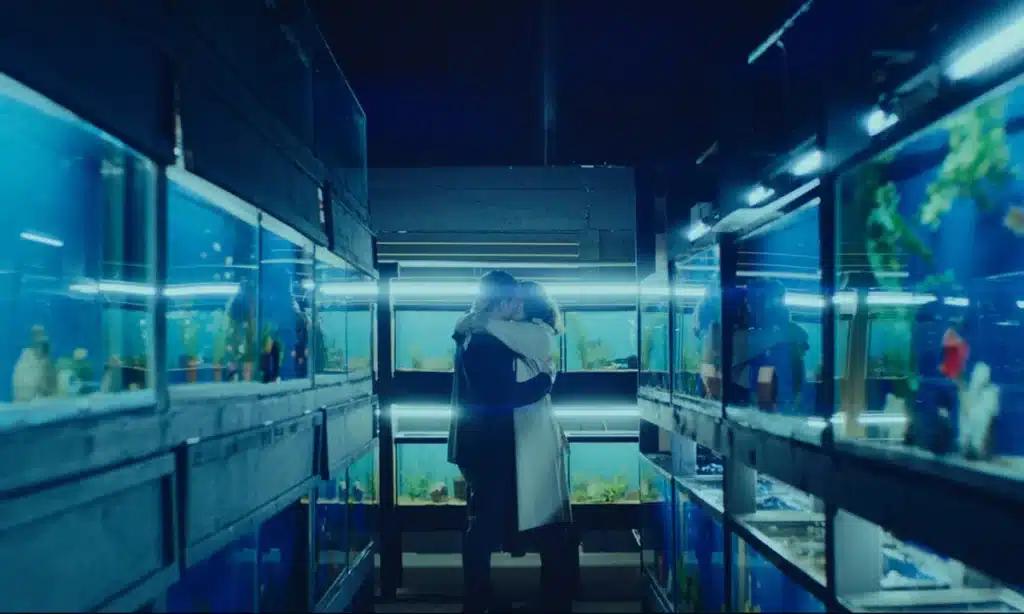
With Olivia Cooke as (the coincidentally-named) Emma, and Jack O’Connell as Jude, the film follows the couple through their memories with each other as a memory loss virus sweeps the nation.
Without trying to give too much away about this indie film, it begins backwards (unbeknownst to the audience at first) as Emma narrates how the two first met.
Her narration serves a purpose: Emma herself is trying not to forget Jude and their relationship entirely, but it also works in helping Jude not forget as well, because he contracts the illness first.
The movie utilizes close-up shots, nonchronological storytelling, and inconsistent plot devices to tell this story of dramatized memory.
Emma and Jude’s scenes are both as romantic as they are heartbreaking, and viewers will question if it is possible to meet someone over and over again if the universe wills it.
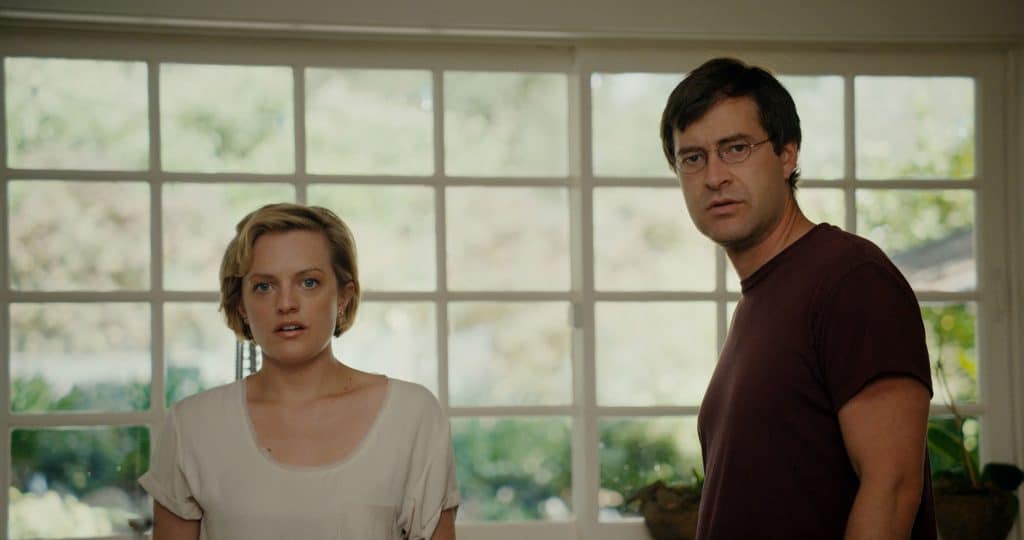
The One I Love (2014)
In the search for “the one,” lovers tend to force their partners to fit into boxes that are not true to who they actually are.
In Charlie McDowell’s The One I Love, the idealized version of one’s partner takes a physical form, although it proves more sinister than the viewer is led to believe.
Elisabeth Moss as Sophie and Mark Duplass as Ethan portray a married pair in couple’s therapy, trying to get back in sync with each other as they once were.
However, when they go on a getaway trip to a more in-the-woods cottage setting, they find that the property’s guest house hides something chilling: doppelgängers of each other that embody exactly what they desire from the other.
Provided that the film’s plot leans more toward horrifying rather than drama-filled, it is easy to understand how partners seeking solace in “fake” people can also stir up as much drama as a wedding would.
The movie begs the question: Is it better to love your partner for who they are, or to love them for who they are not?
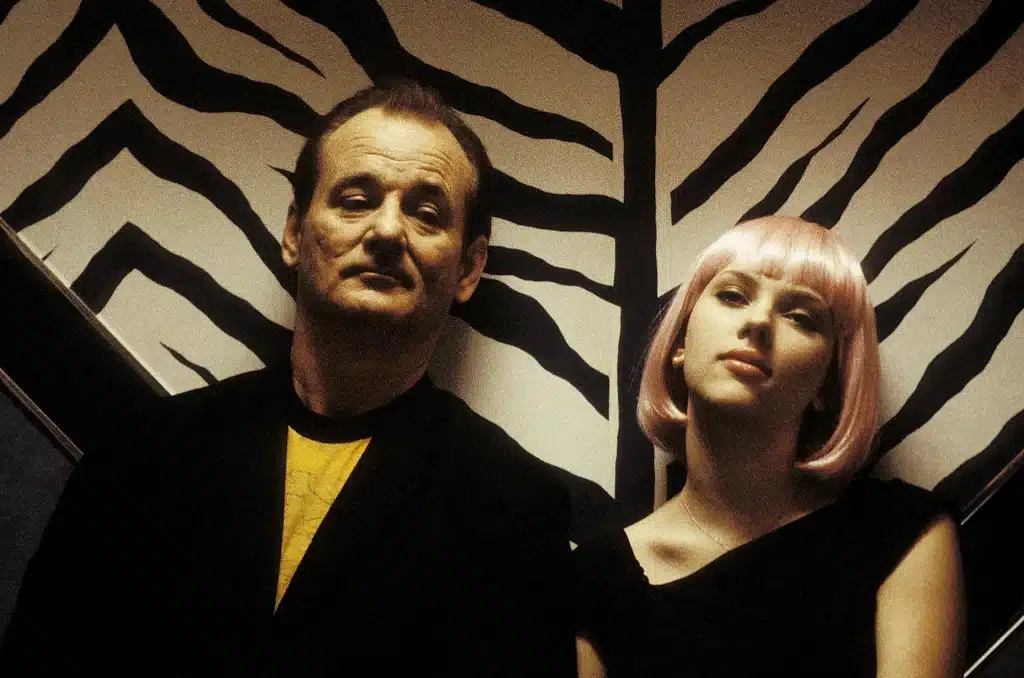
Lost in Translation (2003)
Sofia Coppola always aims to capture the most mundane yet niche human experiences through realistic dialogue and everyday, life-capturing frames in shots.
With Lost in Translation, she does exactly that as she tries to show the innate, human search for connection in an unfamiliar setting.
Coppola’s film follows Bill Murray as almost-washed-up American film star Bob Harris, and Scarlet Johansson as Yale-graduate Charlotte while they navigate the temporality of their lives in Tokyo.
The two feel displaced not only physically but within their place in the grand scheme of life in this film rife with existentialism.
While they are in Tokyo for conflicting reasons, both of which reflect their life stages and discontent with where their lives are headed, the pair’s meeting suggests an idea of how some people were meant to meet all along.
Even though this idea is fruitful in theory, the film does not provide the romantic implication that the two should remain in each other’s lives.
Instead, they are just a blip on each other’s life radar, meaning to leave a lasting impact on the years to come in the form of memory rather than physical presence.
It means taking drama away from the heart of a story and replacing it with questions of who they are, why they are here, and where the two of them will go when it is all over.
Despite drama itself being sidelined, the theme of the impact large and small relationships have on us still stands strong in holding the story together.
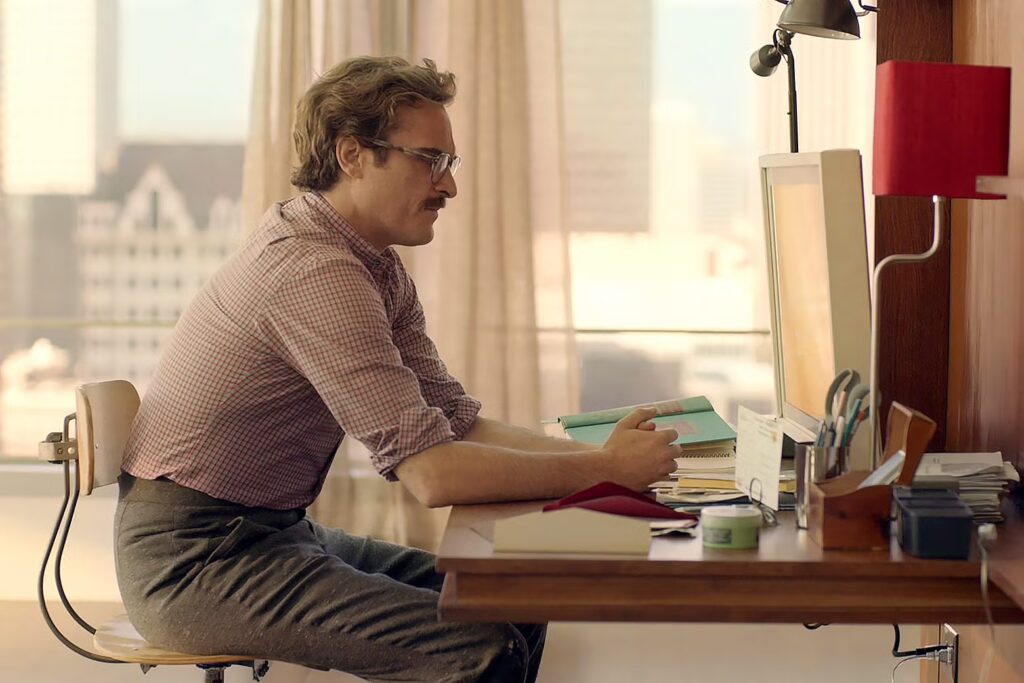
Her (2013)
It would not be a comprehensive list of romantic dramas if it did not bring up Spike Jonze’s Her as a recommendation, especially considering the rumors and real-life drama that surround the film.
Jonze is Sofia Coppola’s ex-husband, and after the release of Lost in Translation, people speculated that the female main character’s husband was based off of him. Coppola herself denied that as an exact claim. 10 years later, Jonze released Her.
Critics of the two films even consider them to be a sort of dialogue between each other because of their overall themes and the directors’ ties to one another.
This makes it even more fitting for Her to act as a suggestive second part to a double-feature showing of the films.
Onto the premise of Jonze’s 2013 movie, it follows Joaquin Phoenix as Theodore Twombly, a soon-to-be-divorcee that is reeling from his ending marriage’s heartbreak and the loneliness it left in its aftermath.
Thoedore then makes the fittingly-modern decision to purchase an artificial intelligence operating system that is meant to change as it sees fit based on the buyer’s interests and behavior.
Similar to the previously mentioned Coppola film, the film tackles how a person’s desperation in search of an emotional connection that will meet their human needs can lead them to unexpected connections (for better or for worse).
However, the twist is that this connection isn’t really emotional at all.
Emotions are what most people deem to be the one of the most human things to ever exist, but what happens when technology can replicate it so well that it comes off as authentic?
This question, as it relates to the film, is even more relevant today as more and more internet users turn to ChatGPT for therapist-like advice and any-and-all questions for life in general.
The drama of this film not only occurs within as it tussles with the concepts of divorce and reconciliation, but it also projects the theme outside of it as its sci-fi characteristics come closer and closer to actual existence in our advancing technological.
In a broader sense, this film, and the other films on this list, measure what humanity is and what individuals value within their humanity as it relates to what is drama and what is real. And, of course, it helps to have a little humor thrown in as well.