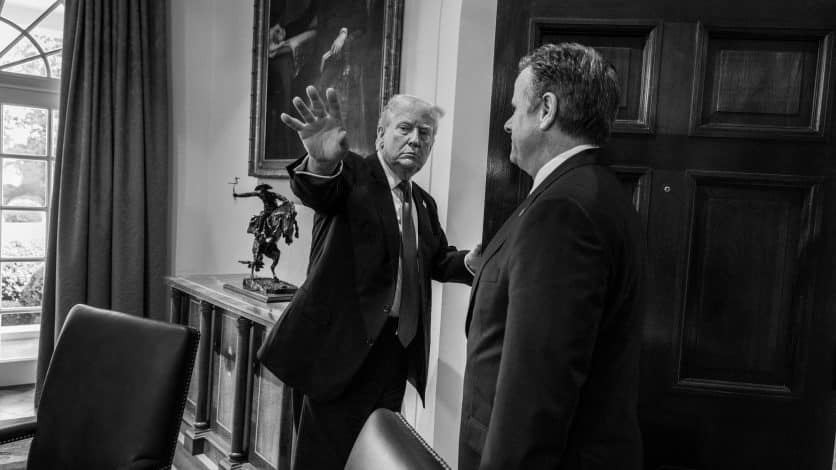
The current administration’s response reflects Roy Cohn’s philosophy, Trump’s mentor, always attack, counterattack, and never admit defeat. This mindset goes beyond the battlefield, raising questions about the war and who benefits from it.
Instead of giving a clear military winner, the war creates opportunities for other countries to rise, changing global positioning through economic and diplomatic gains without firing a single bullet.
Is the cost of victory actually the Price of Defeat?
The conflict has increased political pressure in the United States to reallocate federal spending, including cuts to social programs like healthcare and education, as military spending rises significantly.
Cutting social programs and financing the war is increasing social discontent among citizens, while also creating fractures within the Republican Party. This is dangerous for Trump with the midterms coming up in November.
A key element in the conflict is Iran’s strategic use of the Strait of Hormuz, through which around 20% of the world’s oil passes. By controlling the Strait, Iran can influence global oil prices, making it harder for the United States to sustain the cost of the conflict.
According to former MI6 chief Sir Alex Younger, Iran has gained the upper hand and the United States has lost the initiative, due to Iran’s unexpected tactical resilience in the conflict.
Russia Benefits from Energy Markets
Russia is emerging as one of the key economic winners of the Israel/United States vs Iran war, but the question is why. Estimates from the Kyiv School of Economics suggest Russia is earning around $760 million per day in oil and gas sales, with monthly earnings rising from $12 billion to $24 billion due to the 38% increase in global oil prices. That’s almost double their monthly earnings, despite the restrictions from the Russia/Ukraine war.
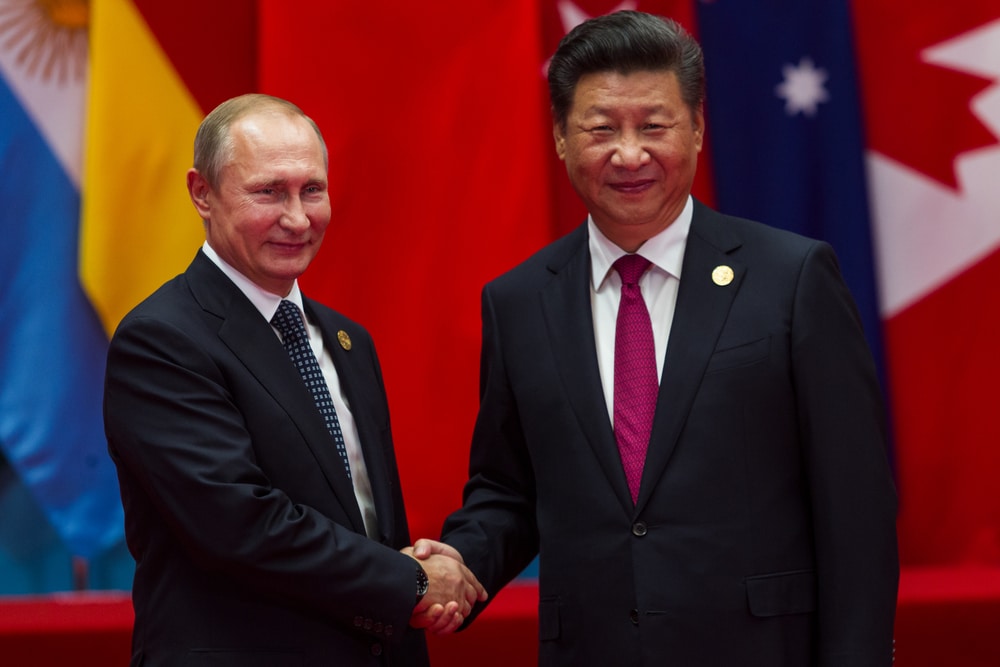
Now, Russia’s financing of the war is no longer an issue, weakening Ukraine’s tactic of surviving until they no longer have resources to fight the war. The same sanctions the American government imposed on Russia are becoming less effective.

It’s a huge win for Russia, emerging as an energy powerhouse, emphasizing the idea of a Eurasian commercial plan, and solving the problem of economic blockades.
Petroyuan challenges the petrodollar
We have known the dominance of the petrodollar for decades, and now it faces a growing rivalry from the petroyuan. However, the gradual shift is linked to China’s ability to consume almost 15 to 16 million barrels of oil per day. This has increased its influence over global energy flows due to its consumption and its pursuit of diplomatic engagement.
This has encouraged certain energy producers, including Iran and Russia, to explore the petroyuan as a trade mechanism outside the United States currency system. Currency swaps between China and Russia are part of this diversification away from the dollar.
It is not replacing the petrodollar; however, it is contributing to a more multipolar system, challenging the petrodollar’s exclusivity. Rising political tensions and the use of economic blockades have pushed countries to reduce exposure to the United States financial system.
Examples like the strategic importance of the Strait of Hormuz show the influence of global oil pricing, while the increasing use of the yuan represents a gain for China, reflecting shifts in global power and China’s growing ability to engage in diplomacy, as well as its Eurasian commercial strategy with Russia, as discussed earlier.
Iran: a regional powerhouse
Iran’s technological advancement is no secret in the region. With a population of around 92 million people, it produces one PhD student for every 356 students nearly five times the per capita of the United States ,however, United States produces more PhD’s overall. In conclusion, Iran is doing more with less, reflecting efficient allocation of scarce resources.
Additionally, 58% of those PhD are women. Around 938 Iranian researchers are ranked among the top 1% most cited globally, making Iran not only a regional scientific powerhouse but one of the fastest-growing in scientific output worldwide. This demonstrates that Iran’s influence extends beyond military and geopolitical development.
Its asymmetric warfare strategy is one of the cheapest, smartest, and most effective in the Middle East. Combined with its tactical diplomacy with Russia and China, Iran has strengthened its global position. It has joined the Shanghai Cooperation Organization and restored relations with Saudi Arabia through Chinese mediation.
Iran is becoming central in the emerging multipolar world, as discussed before, not only because of its influence over nearly 20% of global oil flows, but also as a supplier of low-cost, high-impact military technology.
Multipolar direction
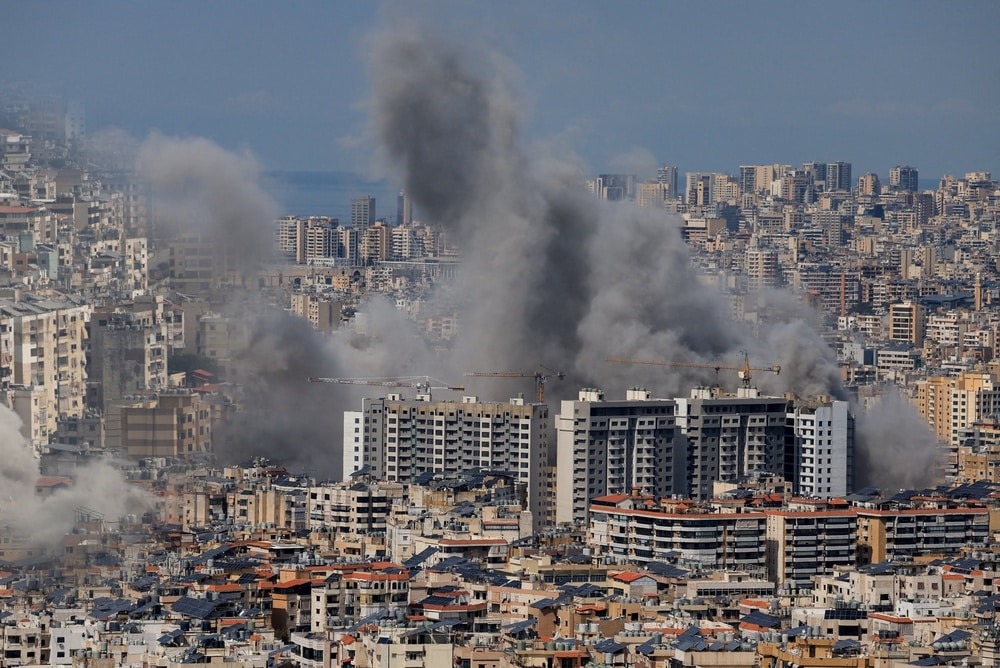
In the end, there is no military winner in the Israel/US and Iran war. The conflict shows how modern warfare is changing; it is not only about the battlefield, but also about relations, diplomacy, economics, energy, and global positioning.
The United States faces fractures in its politics and rising costs of living, while countries like China, Russia, and Iran are finding ways to benefit from the structure of the war. Russia is doubling its monthly income through energy markets, China is expanding its currency against the petrodollar through diplomatic relations, and Iran is using its strategic advantages and resilience to maintain its position.
The real result of the war is a shift in global power, not a clear victory or defeat. What we are seeing is an acceleration in the transition toward a multipolar world, where influence is no longer controlled by a single country.