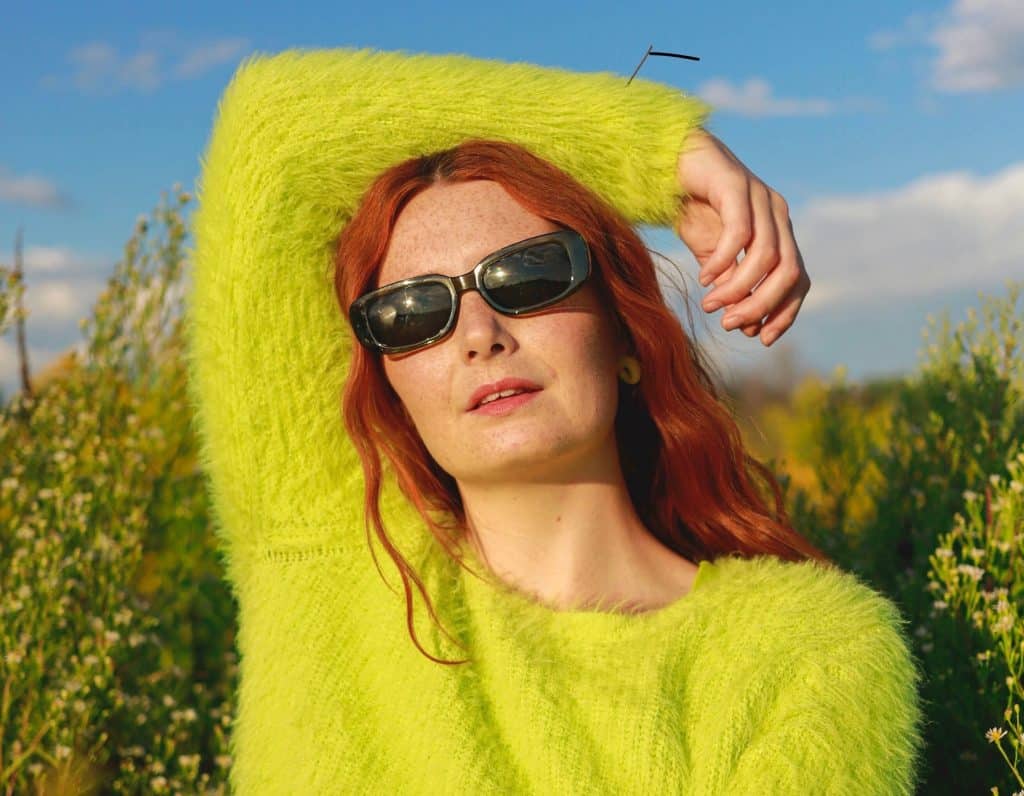
The closet is louder than it should be. Hangers scrape against each other, a screeching song of fabric and color. I stand there longer than necessary, one hand on a neon green sweater, dubbed my Grinch sweater, and the other brushing a sleeve of something far more muted. There is a version of me in each option. One who wants to be seen, and one who worries about dressing too brightly. I pick the sweater.
It is too bright for a regular Tuesday, almost embarrassingly so, the kind of color that makes people look twice. But the second I pull it over my head, something shifts. It is small, but there.
This is the idea behind Dopamine Dressing: the act of wearing clothes, colors, and textures that intentionally boost your mood.
Introducing dopamine dressing
For Gen-Z, in a culture that is built on quick fixes, this one is deceptively simple. Open your closet, pick something that sparks a reaction. Maybe a color that feels like energy, a texture that feels like comfort, or an outfit that feels like a version of you that you actually want to be.
What we wear has never been about appearance; it is about perception. Both of these are how others see us, and most importantly, how we see ourselves. Psychologists have long pointed to the connection between clothing and mood. The confidence of a structured piece, to the comfort of soft fabrics. Color plays a major part as well; brighter tones can stimulate energy, while softer tones can create a sense of calm. These choices do not just reflect emotion; they can shape it.
A wardrobe that feels like you
Dopamine, often called the brain’s “feel-good” chemical, is tied to reward, pleasure, and motivation. While an outfit cannot manufacture happiness out of nothing, it can nudge the brain in that direction. Creating a small shift in how a day begins.
What makes dopamine dressing different from traditional fashion trends is its lack of rules.
There is no single aesthetic to follow, and no algorithm to mimic. It is less about looking put together and more about feeling put together.

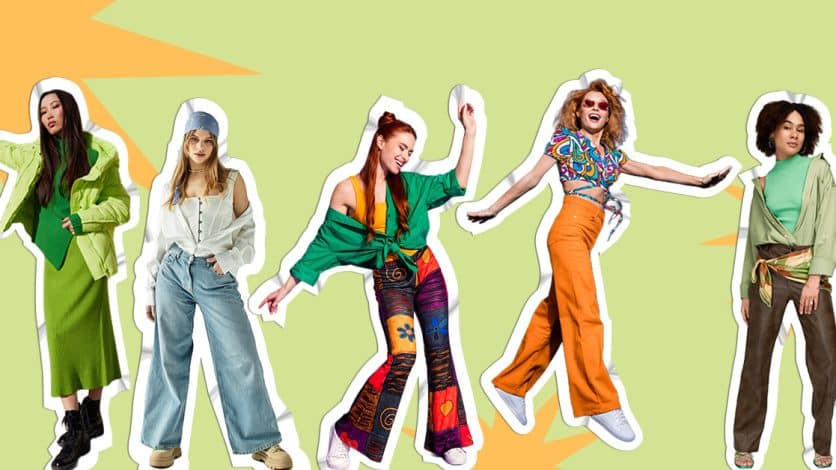
For some, that means bold colors and maximalist layering. For others, it is a worn-in hoodie that feels like a safe choice. The point is not the outfit, it is the intention behind it.
And maybe that is why it resonates so deeply right now.
In a digital world, where everything feels curated, filtered, and the same, dopamine dressing offers something personal. It is something you cannot quite replicate through a screen. It’s about dressing for the version of you that you need that day.
The science of feeling good
Ok, it sounds a little too easy, right?
That what you wear, something as simple as a color or a fabric, could actually change how you feel.
But there’s science behind it.
Dopamine is a neurotransmitter in the brain that helps regulate feelings of reward, enjoyment, and drive. It’s often associated with the anticipation and satisfaction we feel when we’re motivated to pursue something.
It’s the spark that makes something feel worth it, the reason you reach for the outfit that excites you instead of the one that just exists.
And color plays a far bigger role in that than we think.
Research shows that color is one of the most powerful stimuli our brains process, accounting for a large part of how we experience the world. According to Psychology Today, colors can influence everything from our energy levels to our mood, even affecting things like concentration and memory. Warm tones like red, orange, and pink tend to energize and stimulate, while cool tones like blue and green are more calming.
Our brains respond to color before we are fully aware of it. Certain shades can increase emotional arousal or create a sense of comfort. Clearly, it shapes how we feel, even if we are not consciously deciding it.
That’s part of what makes dopamine dressing work; it is not entirely logical. It is a sensory thing.
Texture matters too. A soft sweater, worn-in and familiar, can feel comfortable and safe. Something that is structured or fitted can create a sense of control and confidence. These are not random reactions; they are tied to how we associate physical sensations with emotions.
There’s also perception.
What we wear does not just change how others see us; it changes how we see ourselves. Psychologists have long argued that clothing can influence self-perception, which in turn shapes our confidence, behavior, and even mood.
This idea is captured in the theory of enclothed cognition, which suggests that the symbolic meaning of what we wear, combined with the physical experience of wearing it, can influence cognitive processes such as attention, confidence, and performance.
So no, an outfit cannot fix everything.
But it can make your morning brighter.
Gen-Z is dressing for dopamine
For Gen-Z, getting dressed has started to shift into something more deliberate, even if it does not always look that way on the surface. It is less about assembling an “outfit” in the traditional sense and more about responding to the feeling in real time. Some mornings call for brightness, and others lean towards a softness, where texture matters more than style.
This approach shows up in the way people talk about clothes online, too. There is a kind of playfulness that feels important. An outfit can be a test of confidence, mood, and identity. It gives space to experiment without permanence. If it works, it shifts how the day feels. If it does not, then it is just clothes. The low level of risk makes it easy to be honest in the process.
It also reflects a broader shift in how Gen-Z approaches identity. There is less interest in committing to one fixed version of self and more comfort in change. Clothing becomes part of that flexibility. You can have different moods, different needs, and different selves, all of which make up the same person across different days.
There is also an element of resistance. Growing up in a digital space where identity is constantly documented and compared creates a kind of fatigue around presentation. Dopamine dressing offers a small reset from that pressure. It creates space to choose without overthinking how others will read it.
Dopamine dressing can be as simple as reaching for something bright on a rainy day and choosing comfort without attaching meaning to it beyond the physical feeling. What matters is the intention behind the decision, even if it’s only half-conscious.
Over time, those choices begin to shape something larger than just a wardrobe. They begin to influence how someone moves through the day, whether they feel slightly more grounded, slightly more open, or slightly more like themselves.
Instead of treating clothing as a fixed extension of identity, this mindset makes it more flexible.
Back to the closet
In the end, it starts where it began.
Standing in front of a closet, the decision still feels small, but it has a noticeable impact. A sweater, a dress, something soft, or something bright. Each choice carries a different emotional weight, even before the day really begins.
Dopamine dressing doesn’t solve bigger problems, but it can meaningfully shift how a day starts. That first decision of getting dressed sets a tone. Choosing something that feels good can create momentum in your life. It is a small adjustment, but it often changes how someone moves through the hours that follow.
There is something real about how quickly the mood can respond to that type of input. Color, texture, and familiarity all register before we fully think about them. Putting on something that brings a smile to our faces can energize us and carry us forward. Even if it does not last forever, it is still nothing.

What makes it useful is that it is immediate. Before a phone is checked, before the day fully starts, there is a moment of control that belongs entirely to the person getting dressed. That choice can push away hesitation and replace it with something more active and intentional.
It also adds a sense of enjoyment to a routine that often feels automatic. Getting dressed stops being preparation and becomes a small form of participation in the day. Even on the most difficult mornings, choosing an outfit that feels good can soften the start of the day, making life feel more manageable.
There is not a single version that works for everyone. Some days it is all color and confidence, and others it’s pure comfort. But in each case, the point is still the same: the act of choosing.
Dopamine dressing does not fix everything, but it does influence how things begin. The start of something always matters.