


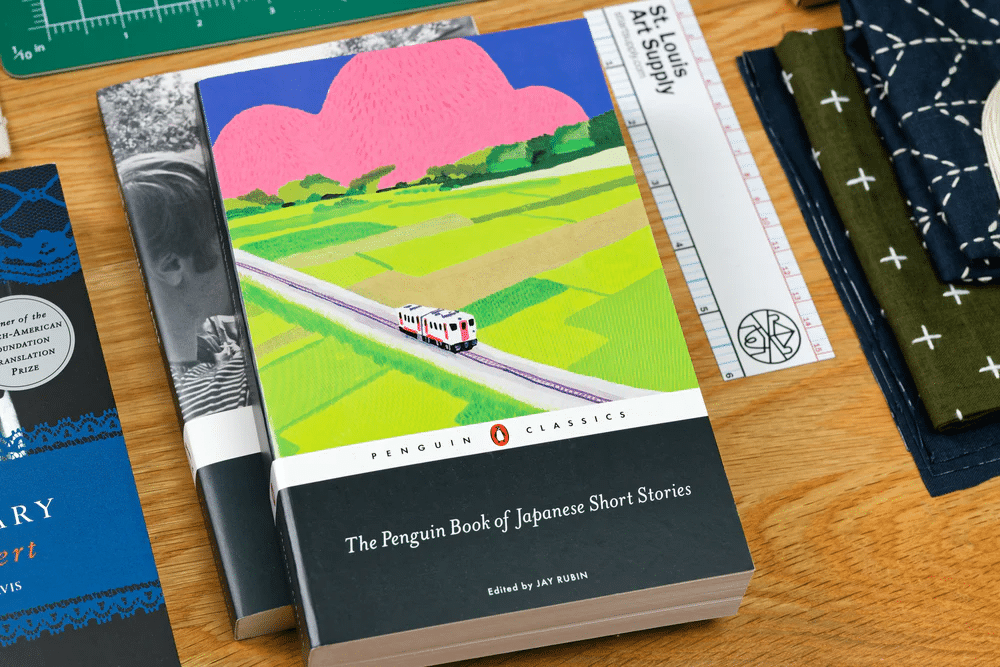
The Penguin Book of Japanese Short Stories anthology, introduced by Haruki Murakami and edited by Jay Rubin, was chosen for the first part of this content series for its readability and flexibility, since it can be read in any order. It’s perfect for our readers who want to get a taste of what literature is like abroad. So, join us on our translation carousel of book titles!
Why we brought this book to you
One of the reasons that I brought this particular anthology to your attention is for its reader-friendly structure, which makes it easy for newcomers to both short stories and Japanese literature to enjoy. Haruki Murakami himself, who introduces the book and is known for his novel Norwegian Wood, admits to not having read much Japanese fiction himself growing up. Despite his station, nothing really stuck with him. He found this anthology to be rather good, making it the perfect starting place for our Books Abroad Content Series.
The book’s readability is sustained throughout. It incorporates a range of Japanese writers, both those who are new to having their work translated and those who are more commonly translated. This is important for the average reader, who may not be familiar with the “classics” of the Japanese short story form. As editor Jay Rubin explains, although Kunikida Doppo is considered the father of the Japanese short story, he is included here because he is memorable. This also ensures that the anthology has a more balanced perspective.
The content is broken up thematically, which eases readers in and gives them insight into the author’s intent. Marukami does a fantastic job of assisting with the introduction. And as a side note, there is a helpful tip after the editor’s note about the way that Japanese names are written and pronounced.
What it reminds me of
This book is something you should pick up because it captures the “psychological adjustments” required to go abroad, and in some cases, returning to the land from whence one came. It merges the concepts of difference, stigmatism, and diaspora with the dream of going abroad, which I find to be quite common amongst international short story collections in particular. However, the collection addresses these matters with a cynical tone, especially toward Japan itself, which was common amongst Japanese literature at the time when several of the stories were first published.
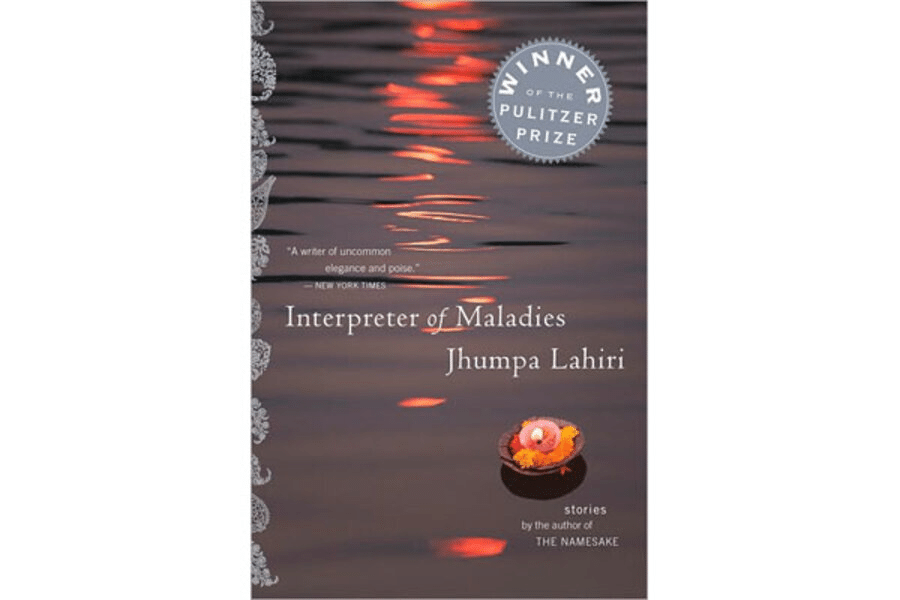
Here I will introduce a book by another one of our content series authors, Jhumpa Lahiri, called The Interpreter of Maladies. In this Pulitzer Prize-winning anthology, Lahiri embarks upon a nuanced exploration of relationships that are not just person to person but also country to country, and what it means to live here versus in India.
This reminds me of the story “Insects” by Seirai Yuichi in the anthology, which is set during the period after the atomic bomb was dropped on Hiroshima and Nagasaki. There is tension between those directly affected by the bomb and those who were not, and this divide is reflected in the story’s central love triangle. The triangle consists of a young girl who was severely injured by the bomb, a former kamikaze pilot whose mission failed, and a young woman who was not affected by the bombing. This juxtaposes the macrocosmic tension of the bomb with the more microscopic day-to-day lives of the victims, and the complex relationships reminded me of Jhumpa Lahiri.
What was done well
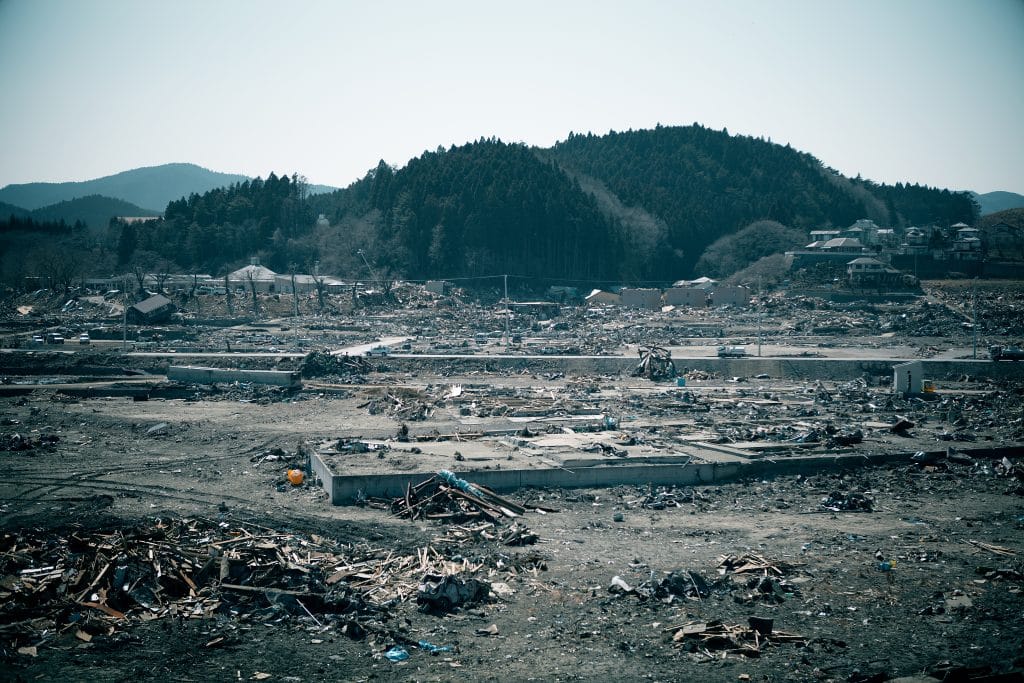
This idea that international anthologies give you a zoomed-in lens on a country’s problems in a given moment, almost like a literary snapshot, is quite common, like that of the story written by Lahiri that I had mentioned. This anthology is no different, going so far as to give one incident its own section: the Tohoku triple disaster that occurred in Japan in 2011.

One of the stories thrusts us straight into the tsunami happening in Japan as we follow a character named Beppu and his friends. What I found most interesting about this story was its structure. It continually returns to the incident, such as the moment when an area is flooded or when Beppu is almost overtaken by the water. The repeated encounters with floodwater come from aftershocks, an entirely explainable rationale; yet it extends the duration of the event, giving us a better sense of what the characters were feeling.
While in the evacuation shelter, Beppu’s son asks his dad what world we are in, wondering: “Are we in a world between?” He raises this question on an unusually starry night, on the same day that one of the schools-turned-evacuation area flooded. The tall tree lines that had acted as barriers against tsunamis were also all gone, leaving the waste and whatever remained clearly visible and naked.
What could have been better
One thing that I didn’t jive with in the collection was the inclusion of nonsensical plot lines and twists in stories like “Peaches.” It wasn’t so much the memory-centric plot that I didn’t like. It was the fact that the story ended on a line about how the memory may as well have been the speaker pushing along an infant version of himself, which just felt like a random, cheap way to get a buzz out of the audience.
Furthermore, the collection could have improved its discussion of the overall differences between the East and the West. I understand that the more cynical approach reflects the time period during which the stories were written, but it didn’t suit my taste. If you like that kind of collection, then I would try some of the books listed in other Trill articles. However, if you are craving a more upbeat tone, I would steer clear.
Instead, the optimistic reader should return to Interpreter of Maladies. We’ll likely see more of this theme in another Lahiri collection we’ll be featuring in the content series, so we can look forward to that.

The content series has provided a new avenue into reading for me, and I hope that all of you enjoy it as well. I will keep all future series to just two or three books to avoid overwhelm.
Up next we have Jhumpa Lahiri and The Unaccustomed Earth. I can’t wait to dive into this one with you all!











Mariluz Maldonado
May 1, 2026 at 6:14 am
Well written keep it up.