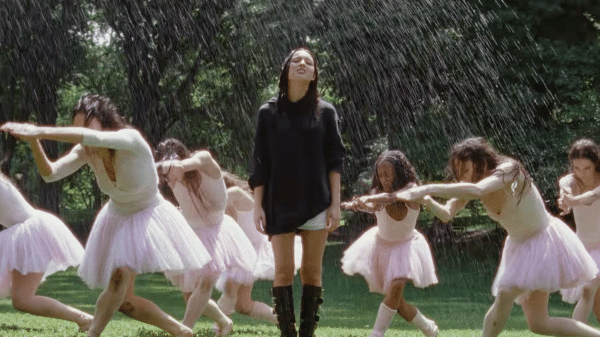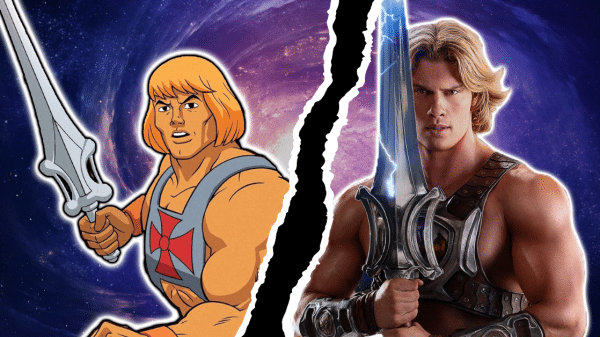


Nostalgia, as we know it today, has a profound effect on how we perceive media. Numerous studies have proven that our interpretation of music differs depending on the experiences we’ve had while listening. The collective, Illusion Hills, has gained popularity in recent years, directly driven by their resemblance to the retired boyband Brockhampton. A majority of conversations about Illusion Hills tie them back to their inspiration, giving fans a nostalgic incentive to listen, without holding them back from innovation.
Nostalgia
What is nostalgia? The definition has shifted over the years, as the internet introduces us to culture at a much younger age. Generation Z is labeled the first “digital natives,” having access to the internet and digital media throughout our upbringing. Trends move fast, allowing us to reminisce about eras stemming from only a few years back. While Brockhampton broke up only 4 years ago, their peak dates back to around 2018. This was a time of good vibes and the popularity of indie pop/rap (I made a playlist). There was a largely progressive political climate, driven by millennial optimism and the whimsy of VSCO girls and TikTok trends. Many teenagers describe this time as nostalgic, when, to an adult, it wasn’t that long ago. While nostalgia lacks specific time stamps, it normally pertains to experiences around 20 years prior, according to conversations online.
But for much of Gen Z, specifically Brockhampton fans, the bridge from being 13 years old at the release of the Saturation Trilogy in 2017, and 22 now, is very apparent, inflicting a nostalgia-like reflection on that period. “When we look at each generation’s top genre of music, they generally prefer the music of the decade they grew up in,” according to statistics in the article, How are Gen Z and millennials driving nostalgia? The phenomenon has shifted toward being more trigger-based, inflicted from remembered experience rather than reflection on tightly organized eras, such as popular retro aesthetics may have been for older generations.
The science
I recently had a conversation with a friend regarding Tyler, the Creator’s most recent drops. When I mentioned not really liking Chromakopia (2024) or revisiting it, he replied that it was his favorite. He illustrated his first listen being a beautiful bike ride through the city, relating to lyrics about his father. I didn’t really remember my first listen, but I loved Don’t Tap The Glass (2025) because I listened to it on a warm summer day in the pool with my best friend. He didn’t remember that first listen, noting that the EP never really stuck with him. This sparked a follow-up conversation debating whether the music we like is more attached to our memories than its sound.
Our hypothesis turned out to be true. Studies show that when the brain processes sound, our auditory cortex is activated. This stimulates the amygdala and the hippocampus, tying emotions to memories and giving sound the power to make our brains recall how we felt in the past. Our past experiences with music have a direct effect on how we perceive it now. This explains why we like artists more after seeing them live, and associate our favorite songs with positive experiences. Genres have a massive impact on our psyche, allowing specific sounds to take us back. A 2021 study links the reminiscence bump —how our brain prioritizes emotional memories from formative years— to our music taste, proving the significance of our past preferences on our current.
Brockhampton’s cultural significance
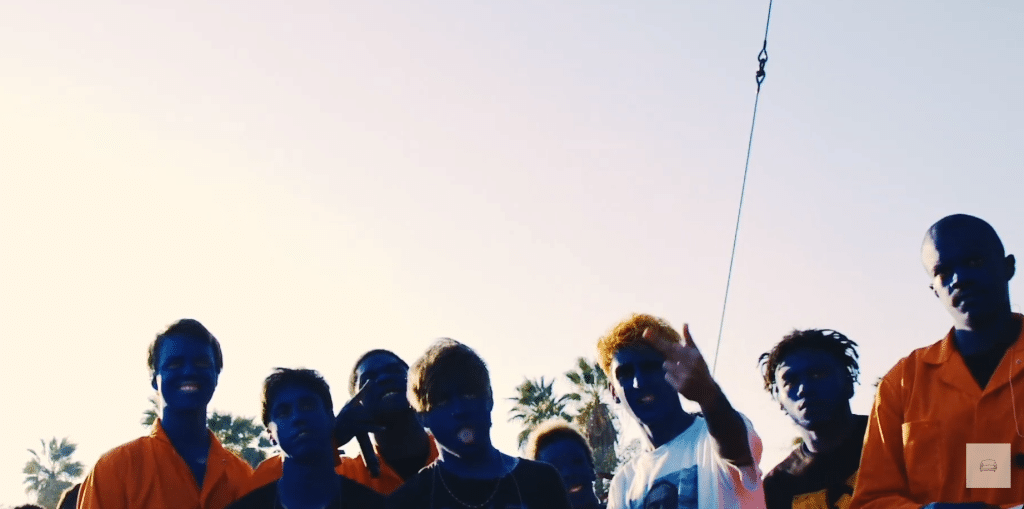
Brockhampton took over the indie rap scene for much of the 2010s due to their unconventional sound and diversity. The group was founded in 2014 by Kevin Abstract, gaining popularity through their 2018 album, Iridescence. Their single, Sugar, went viral on TikTok in 2019, transitioning them into the mainstream. This virality invited them into these bigger, cultural conversations of the time’s music scene and its influence.
Nostalgia connects us through shared experiences, and BH was especially popular among marginalized communities. Cara Michelle Smith wrote for Flood Magazine, “They weren’t perfect, but they were a sanctuary for many.” They discussed political and social topics, humanizing their audience in their lyrics and opposing popular, degrading rap. The band’s lyrics were important, their sound stimulating, and their friendship addictive, providing a safe space in hip-hop.
On the Reddit forum R/Brockhampton, fans discuss the nostalgic importance of the group. User BigLadLuke wrote, “Just listened to ginger for the first time in a while and I’m feeling so much nostalgia for 2019. 2019 summer was such a weird time for me, I feel so nostalgic for the film’s I watched, the ways I spent my days and nights, the relationship I had, the games I played, the music I listened to. Ginger pretty much balls all of that nostalgia into one album for me.”
As a fan myself, I see content reminiscing Brockhampton’s cultural significance every day. Can mimicking a familiar sound be as effective? Because nostalgia is a very powerful tool, artists often use pathos to evoke streams, replicating older sounds to attract listeners. Atlas Records teaches artists how to take advantage of this by suggesting familiar production techniques and chord progressions that mimic sounds people are already emotionally attached to.

Illusion Hills

Illusion Hills’ popularity is directly related to the conversation of nostalgia. Fans flock to social media claiming that the group “filled their Brockhampton void” since the breakup. As someone who never got over Brockhampton myself, I have found myself captivated by the up-and-coming group.
Illusion Hills, based in California, consists of numerous artists and is constantly evolving. The group was founded in April 2020, when they began making music together. User @animatedchobanije on TikTok posted, “finding illusion hills gave me flashbacks of watching Brockhampton for the first time on my Chromebook in middle school.” With these comparisons, their success is explicitly credited to their inspiration. How does this affect a group attempting to create their own sound?
In late 2025, both 2Hollis and Mkgee, two artists credited for pioneering new genre-blending sounds, played the group’s tracks in their DJ sets. IH mixes the soulful hip-hop of Brockhampton with a trendy hyper-pop tone, even incorporating UG and lo-fi similarities. User @gazellelungstan, an Illusion Hills fan page on TikTok, posted a video saying, “Illusion Hills is just Brockampton for Tumblr kids fused with 2000s electronica and shoegaze, and I’m so here for it.” They blend the power of nostalgia with what’s trending. The perfect recipe for success in the 2026 music landscape.
Illusion Hills interview
I had the privilege of discussing the group with its founder, MJ, @warpmj on Instagram. He provided insight into the group’s influence and the desired upcoming directional pivot. Nostalgia may infiltrate creativity, but it shouldn’t restrain it. He said that they originally tapped into the nostalgic, dreamy rap of 2018 as a starting point. Now, they have their own unique ideas to express as well, which they are really excited to share.
I mentioned IH being described as BH’s successor, to which he said, “At the beginning, yes. We were all huge fans growing up and definitely credit them for inspiration, but we want to pivot towards something more personal.”
Because of that, I asked if he felt the comparisons were limiting them to something they are not, but he denied. “Not at all. Like I said, we’re huge fans, so the comparisons are very flattering.” He described their music as reflective of what they personally listen to and enjoy. To take advantage of this, he says that he has been trying to listen to a new album every day. Finding new music, mainly older, to inspire new sounds and directions for their work.
In contrast, he says, “now we’re more so inventing a new genre, or trying to.” While he admits to reviving something, he is working to implement new sounds and put them together in experimentation. “Zero [being] (EP) and One [dyer’s] (album) represent what the group was into, but the next record has less of that. I want a project that’s completely new.”
One of BH’s main appeals was their friendship, with clips of them hanging out in music videos and vlogs on YouTube, eventually making their way into compiled self-made documentaries. When asked about the dynamic of the IH, MJ stated that they had almost all been friends beforehand, giving them an upper hand in collaboration. The members are constantly shifting, adding new perspectives and ideas. He notes that they are all comfortable “sacrificing” ideas when they don’t work. Due to their companionship, ideas mesh well with one another. This aspect of friendship is important when it comes to collectives, making fans feel as if they’re a part of that bond. While this concept may feel par-asocial, in an era of intense individuality, selling unity is crucial to building a fanbase.
I asked, “Do you feel pressure to lean into that sound, fearing that breaking away from familiarity will deter your nostalgia-led audience? He replied, “No, its not for them. While we are very grateful for where these fans have brought us, we want fans who appreciate our individuality as a group as well. While we hope they’ll remain fans of our older stuff, that resembles them [BH] more strongly, we also want to build a fanbase for us.”
Their future
While they are grateful for the BH fans that contributed to their internet success today, IH is working to diverge from that sound and curate a unique brand for themselves. In a time of constant regurgitation through AI and mass trend following, the collective’s desired experimental redirection is respectable.
If you have not heard of Illusion Hills today, I strongly encourage you to tap in, Brockhampton reminiscer or not. Creative minds such as theirs pioneer the future of music. “Economic pressure has long been a catalyst for artistic innovation,” argues Maddox Gallery London. “There’s a reason why art has endured wars, revolutions, and global financial crises.”
The power of art, in this case music, transcends time. Because our emotions attach to memories, we are nostalgic for music representative of a better time, but our current horrifying political climate and the parasitic invasion of AI in art and media breed creative innovation.
Their significance
Illusion Hills’ current and proposed success in pioneering new genres and experimentalism reflects the excitement brewing in the current music scene. As they join the conversation, their identity may persevere as their inspiration did. I encourage you to reconnect with your musical roots and reflect on the past, while also staying current with where music is going. The current innovative scene in music is extremely exciting. While the power of nostalgia is largely exemplified through Illusion Hills, so is a new creative renaissance. Never-before-heard genres are growing representative of our current era. That excitement will transcend generations due not only to its influence but also to its emotional appeal and encroachment in our brains.