Why are colleges requiring gen ed classes that we don’t need and we have to pay for? Are colleges not preparing students for the real world, with degrees that aren’t as necessary?
The annoyance about gen-eds has been a major topic for college students, who feel it’s a waste of time and money.
College is extremely expensive and has caused $1.8 trillion in debt as of early 2026. What if gen-eds were no longer required in college? Could students graduate earlier?
Furthermore, there are some majors that colleges push for that do not have the best locations to help students. Like a musical theatre degree in Boise, Idaho.
So, could removing or restructuring gen-ed requirements be beneficial for students by preventing them from wasting time? Would the costs drive up tuition?
How are they useful?
What is the real value of general education requirements (gen-eds) in college? Many students question whether these courses provide any meaningful benefit, often seeing them merely as financial and time burdens rather than contributors to their academic or professional growth. However, the original intention of gen-eds was different.
Gen eds are supposed to help build critical thinking skills within subjects such as English, Math, Science, History, and Art. However, this doesn’t reflect how students approach gen ed classes. Students tend to be less engaged in these classes due to boredom and a “checking the box mentality” to find the easiest course to fill in the gen ed requirement.

What was meant to help foster independent thinking has slowly deteriorated for college students, as they believe it doesn’t help them with their major.
Internships have been crucial for students, especially after graduation. Yet employers have that colleges have not been preparing students for the job. Many students state that internships have taught them more than anything they learned in college.
Recently, this has resulted in employers avoiding hiring recent graduates due to the need to train them longer. They are looking for experience rather than the usual postgrad leading to a massive issue of under- and unemployment post-graduation.
These issues of finding a job after college have become a problem, and many parents are done pushing their kids to a 4–year university in today’s world, instead recommending the increasingly popular trade school.
Effects of change: good and bad
The pros seem optimistic. Fewer classes to take would mean fewer student loans and tuition costs, and would remove 1–2 years from mandatory courses. This would likely significantly reduce tuition costs, easing the financial burden of earning a degree. It can also focus more time on finding experience, such as internships.
But there could be unforeseen outcomes that would create a vacuum effect.
It would be harder for undecided majors to find what would interest them. Eliminating these requirements could lead to the downsizing or elimination of whole departments, which would include firing dozens of professors.
With reduced revenue, many universities rely on general education as “cash cows” to subsidize other parts of the university. Removing them could threaten the financial stability of the institution and cut many programs and smaller institutions like community colleges. Universities may increase tuition to fix this balance.
Furthermore, skill gaps for graduates would become an issue. While it reduces “fluff,” removing courses like writing, ethics, and critical thinking would lead to graduates lacking the foundational skills needed for long-term success and career engagement, which many employers prioritize.
So, is there an in-between, for cutting some classes or better yet, restructuring the entire gen ed curriculum?
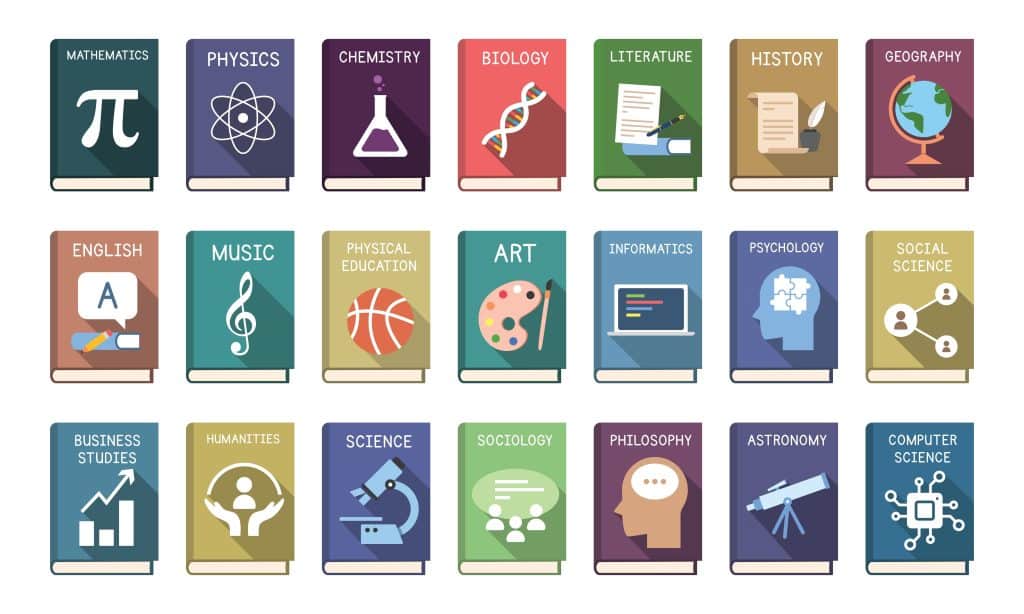
Unnecessary Majors
Colleges have been pushing students to either take unrealistic courses or pursue majors and minors they don’t need. That’s not to say that these programs aren’t important, but they do lack the education and skills required for students to find a job in their field .
Most commonly criticized degrees:
- Arts & Humanities: Philosophy, History, English, and Creative Writing often have limited job opportunities.
- Social Sciences: Anthropology, Sociology, Psychology, and Liberal Arts lack a c
lear career pipelines. - Communications & Media: Often criticized for a lack of technical skill development.
- “Studies” Fields: Gender, ethnic, or specialized cultural studies lack employment ROI.
- Creative Arts: Theater, Fine Arts, and Fashion Design often result in high debt and low pay.
- General Business: Degrees like “entrepreneurship” and “business” are criticized for offering theory over practical experience.
These degrees lack skills that are needed in a modern, technical workplace. The “Pipeline” problem of these fields often leads to low-paying jobs, or requires a graduate degree to become valuable.
Yet colleges still push these degrees to prioritize enrollment numbers over long-term career outcomes.
Accessibility and location
Pushing more humanities majors away from rural areas, and restructuring those more saturated majors to locations where they’re more easily used, like a theatre degree in NYC or a music degree in LA, would be far more tangible and realistic.
However, reducing and moving these programs could hurt incoming students and have an impact on their learning experiences. They also may not have the financial means to attend a faraway college.
Another alternative is focusing on skills that are increasingly valued over a traditional four-year degree.
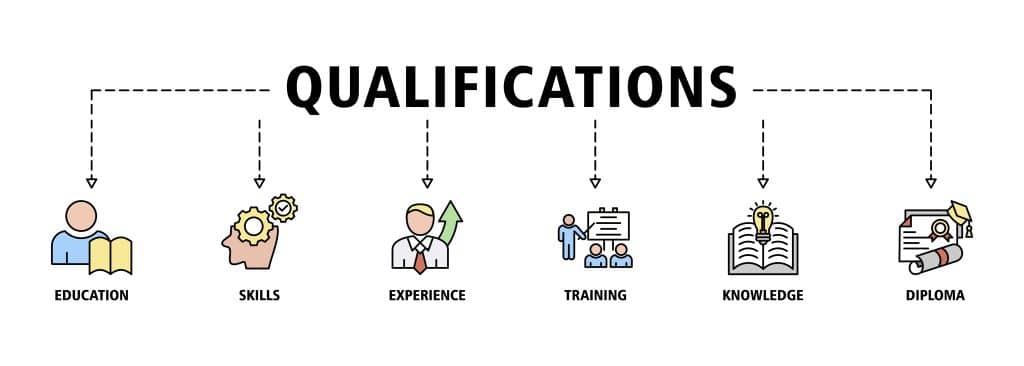
Career Counseling For The Realistic Job Market
Colleges have been known to create a false world for students and fail at preparing them for the job market.
While most offer career counseling on how to create a resume and cover letter. Most employers have different methods for whom they’re looking. Career centers, meanwhile, don’t have the experience to help with in-depth specifics. Especially if your major is more obscure in the job market.
Part of how universities can help students include fitting their resume and cover letter to the new standards with AI, and how to emphasize key phrases. With AI tools on the rise, the hiring process has been stalled with the AI Application Tracking System (ATS), hindering applicants and marking their resumes as wrong, when it is just a tiny error. The ATS machine may dismiss your application, even though you may have been perfect for the role.
That’s why I strongly believe universities should emphasize professors helping with resumes and cover letters. They have experience and know what employers seek.
Gen-eds have become profoundly disliked and feel like a waste of time and money. But is it actually possible for it to no longer be required?
Although they may have once been useful, they now seem to be an obstacle for many college students pursuing their core majors, which is more important in the long run.