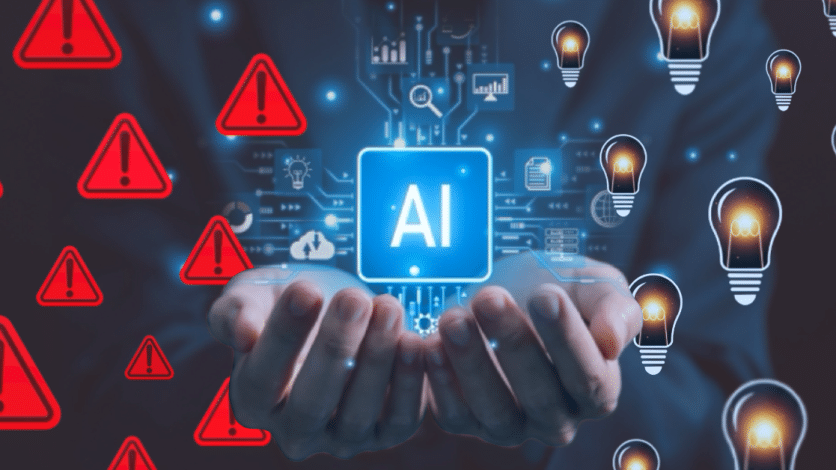
Artificial intelligence isn’t coming for university—it’s already here. Tools like ChatGPT have quickly become part of everyday student life, from last-minute essay planning to simplifying lecture notes. But while some students have fully embraced AI, others avoid it entirely. The result is a new kind of academic divide that isn’t being talked about—but is quietly reshaping how students learn, work, and succeed.
What does AI use at university actually look like right now?
Forget the stereotype of students using AI to write essays (although that does happen). For most, AI use is far more subtle—and far more common. Students are using AI to: summarize complex readings;, generate essay and study plans; rephrase sentences to sound more academic; create revision materials; and brainstorm ideas.
In many ways, AI has become an “always available study partner.” It’s quick, responsive, and doesn’t judge you for asking basic questions. What’s important is that its use often sits in a grey area. It’s not always cheating, but it’s not always clearly allowed either. Universities across the UK are still deciding where the line is, which means students are largely left to decide for themselves.
Who is benefiting the most from AI—and why?
Not all students are using AI in the same way—and that’s where the divide starts to show. Students who benefit most tend to understand how to “prompt” AI effectively, using it as a support tool rather than a shortcut, combining AI help with their own knowledge, and experimenting with different ways of using it. For these students, AI can significantly reduce workload. Tasks that might take hours can be sped up dramatically.
But it’s not just about saving time. AI can also boost confidence: if you’re unsure where to start, having a tool that gives you clear direction can make a huge difference. Over time, this creates an advantage. Students using AI strategically may be producing more polished work, more efficiently, than those who aren’t using it at all.
Why are some students choosing not to use AI?
While it might seem like “everyone” is using AI, a significant number of students are deliberately opting out. The reasons vary. Many fear getting punished, as universities warn against AI use without clearly defining what counts as misconduct, creating anxiety that even basic use could be penalised. Others lack guidance and simply don’t feel confident using AI. Some have ethical concerns, fearing that AI undermines their learning or gives an unfair advantage. There are also differences in awareness—while tools like ChatGPT are widely available, not all students fully understand how beneficial they can be.
The result is a clear split: some students are integrating AI into their daily workflow, while others rely on traditional methods, putting in significantly more time and effort.
Is this creating a new kind of academic inequality?
This is where things become complicated. University has always had inequalities—whether in access to resources, prior education, or financial stability—but AI is introducing a new layer of imbalance. Students who know how to use AI well are not inherently working less, just differently. They can complete tasks faster, produce more structured work, and feel less overwhelmed. Meanwhile, students who avoid AI may spend longer on the same tasks, struggle to start assignments, and experience increased pressure and burnout.

This raises difficult questions about fairness. If two students submit similar-quality work, but one had AI assistance, and the other did not, are they being assessed equally? Right now, there is no clear answer. University policies are still evolving, with universities in the UK, such as the Russell Group, still not knowing how to differentiate. Enforcement is inconsistent. The divide is largely invisible—but very real.
What happens next?
AI isn’t going away. If anything, it’ll become more embedded in education as time goes on. The question is how its use in education will be handled. Some universities are already adapting by changing assessments and moving towards in-person coursework that requires personal reflection. Others are beginning to accept AI as part of the learning process.
At the same time, AI literacy could become an essential academic skill, similar to referencing or research. However, if no clear guidance is introduced, the gap between AI-savvy students and those who avoid it will continue to grow, affecting grades, confidence, and future opportunities.
The bottom line
Right now, AI in university sits in an awkward middle ground. It is widely used, poorly regulated, and unevenly understood. For some students, it is a powerful tool that makes academic life more manageable. For others, it is a risk they are not willing to take, or a system they do not fully understand. Either way, the impact is already being felt. The question is not whether AI will change the university—it already has. The real question is whether everyone will be given an equal chance to keep up.