

Every March, America turns a vivid shade of green. And it’s not just because spring is beginning to arrive. The Chicago River glows an impossible emerald, sidewalks in Boston and New York City overflow with parade-goers, and friend groups coordinate outfits that lean heavily on shamrocks and sparkle. Inside packed pubs, pints flow from open to close, laughter spills into the streets, and the line between day and night blurs.
It’s festive, chaotic, and undeniably fun. But Saint Patrick’s Day in the United States is more than just a sea of green beer and crowded bar crawls. Beneath the spectacle lies a deeper cultural story, one shaped by immigration, identity, and the enduring power of shared spaces.
In 2026, as younger generations rethink how they socialize, the holiday is evolving. What emerges is a version of Saint Patrick’s Day that feels like a return to community, to storytelling, and to the pub as a place that means something.
From Feast Day to Public Parade
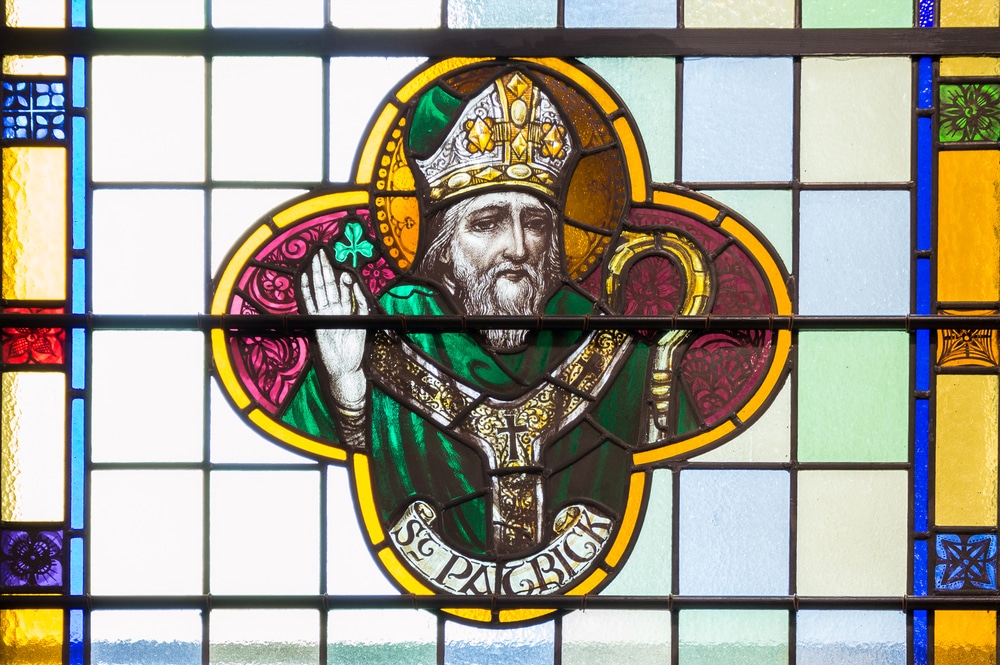
Saint Patrick’s Day began as a religious feast day honoring Ireland’s patron saint, Saint Patrick. For centuries, March 17 was marked in Ireland with church services and modest family gatherings. In fact, pubs were historically closed on the holiday.
The transformation into a large-scale public celebration happened largely in the United States. As Irish immigrants arrived in waves throughout the 18th and 19th centuries, during and after the Great Famine, they faced discrimination, poverty, and social exclusion. Public celebrations became a way to assert visibility and pride.
Parades emerged as both cultural expression and political statement. Marching through city streets, Irish Americans demonstrated their presence, their numbers, and their growing influence. Over time, these parades became annual traditions, especially in cities with large Irish populations like Boston and New York.
Pubs naturally became extensions of these celebrations. After the parades ended, people gathered indoors to continue the day. Sharing food, music, and conversation cemented pubs’ place in the holiday celebration.
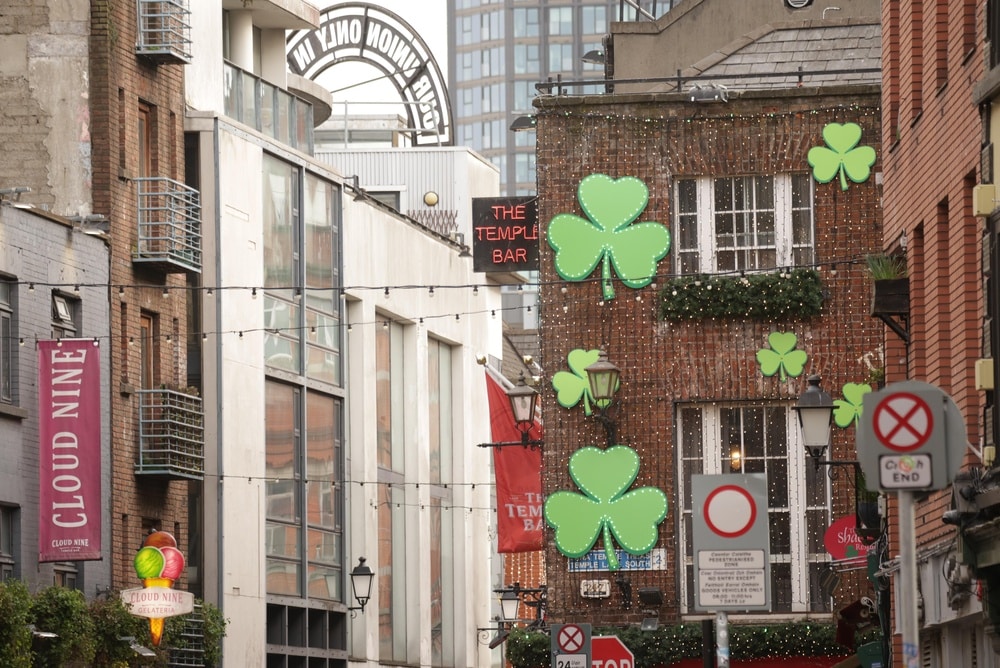
What started as a religious observance evolved into a unique blend of festivity, heritage, and identity that now resonates around the world.

The Irish Pub as Cultural Institution
To understand Saint Patrick’s Day, you have to understand the Irish pub.
Irish pubs have become fixtures in major cities in a way few other cultural institutions have. Walk through neighborhoods in Boston, Chicago, New York City, or even Istanbul, London, or Tokyo, and there is often at least one neighborhood Irish pub woven into daily life.
In 19th-century America, Irish immigrant saloons functioned as informal community centers.
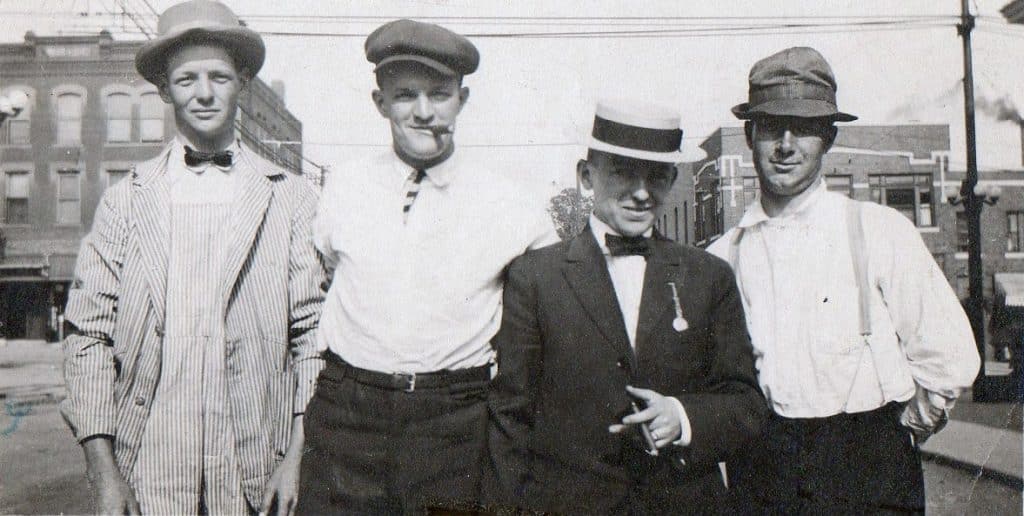
They were places to find work, exchange news from home, organize politically, and build social networks. Long before group chats and LinkedIn, the pub was where connections happened.
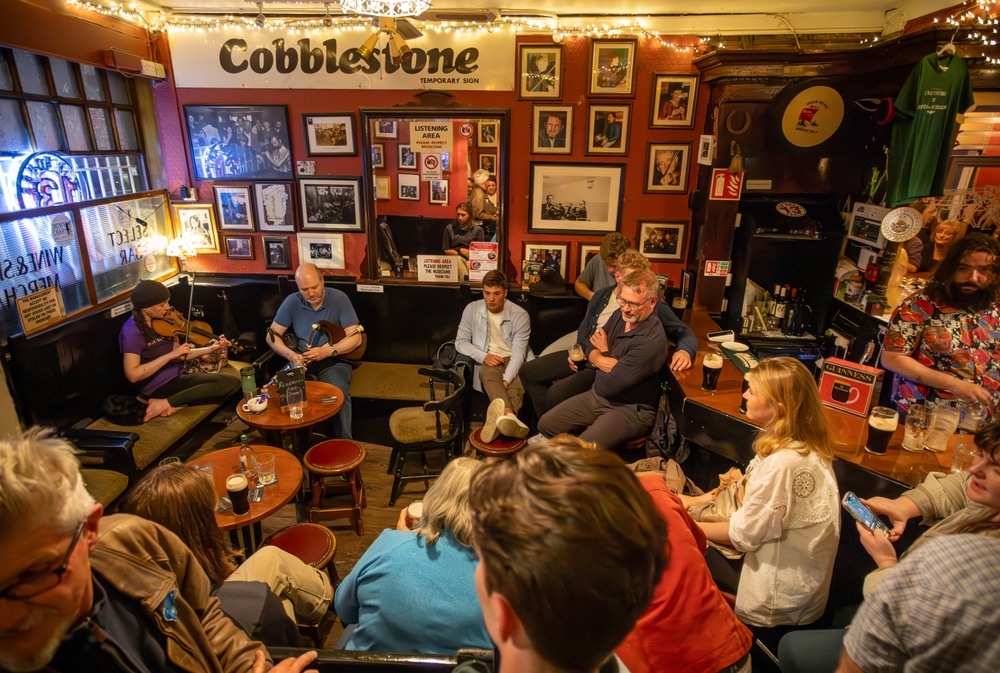
Music played a central role. Traditional sessions, known as seisiúns, brought musicians together to play folk tunes on fiddles, tin whistles, and bodhráns. Storytelling and poetry flowed just as freely as the drinks. Conversations stretched across generations, and communal tables made it easy for strangers to become regulars.
At their best, Irish pubs act as “third spaces”. They’re places outside of home and work where people gather to simply be together and share a drink. In an increasingly digital world, that role feels more valuable than ever.
The Rise and Recalibration of Bar Crawl Culture
Of course, not every Saint Patrick’s Day celebration has honored that spirit.
By the early 2000s and 2010s, commercialization had reshaped the holiday. Ticketed bar crawls promised access to multiple venues, neon-green cocktails became staples, and novelty accessories (like oversized hats and blinking necklaces) dominated the scene. Social media amplified the spectacle, rewarding the most over-the-top celebrations with likes and shares.
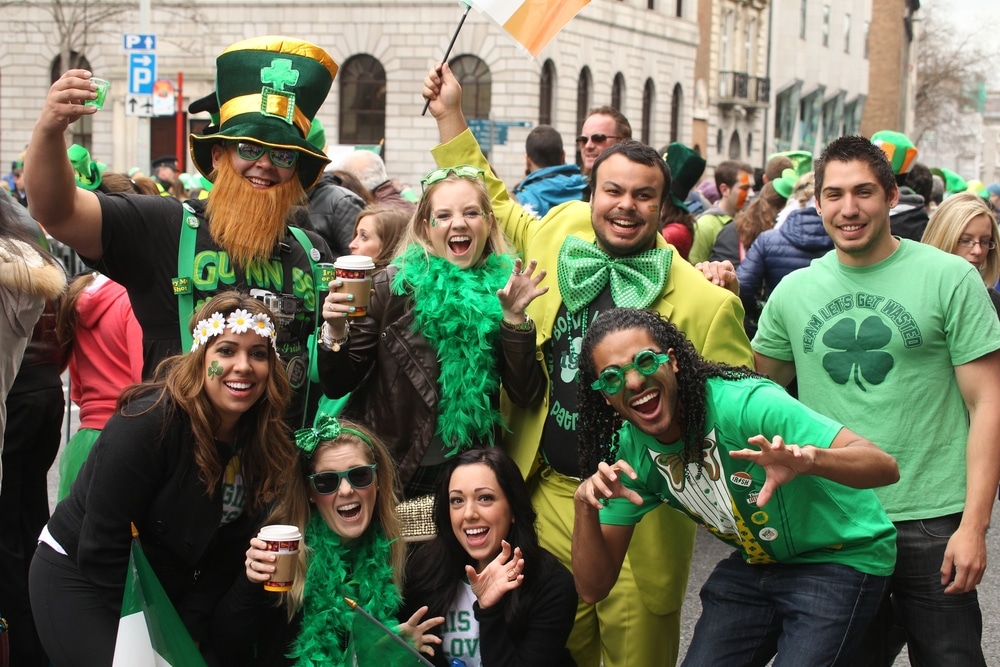
In many cities, celebrations became synonymous with excess: quick stops, crowded spaces, and a focus on volume over experience. The pub, once a place to linger, turned into a checkpoint.
But in 2026, that model is starting to shift.
Gen Z and younger millennials are drinking less than previous generations, and they’re more interested in experiences than extremes. Economic realities also play a role. Rising costs make all-day bar crawls less appealing. At the same time, there’s a growing interest in cultural authenticity and meaningful social connection.
The result isn’t the disappearance of Saint Patrick’s Day celebrations; it’s a recalibration. The energy is still there, but it’s being channeled differently: into live music, curated menus, and spaces that encourage people to stay awhile.
How to Celebrate in 2026
So what does celebrating Saint Patrick’s Day in 2026 actually look like?
It starts with choosing the right setting. Seek out Irish pubs where the focus extends beyond just the drink menu. These spaces are more likely to host live music and foster the kind of atmosphere that defines true pub culture.
If you can, time your visit around a live session. Let yourself be grounded in listening to traditional Irish music in a crowded room, especially when the audience is just as engaged as the performers.
Food is another entry point into tradition. Dishes like Irish stew, soda bread, and colcannon (a comforting mix of potatoes and cabbage) connect the celebration back to its roots. Even American adaptations, like corned beef and cabbage, tell a story about how Irish immigrants adapted their cuisine using available ingredients.
As for what to wear, subtlety goes a long way. A small green accessory, a nod to Celtic patterns, or even vintage-inspired pieces can feel more thoughtful than head-to-toe novelty outfits.
And yes, you can still participate in some of the more playful traditions. Green beer, an American invention, has become part of the cultural fabric, even if it’s not historically Irish. The tradition of “drowning the shamrock,” where a shamrock is placed in the final sip of whiskey or beer, adds a bit of whimsy to the celebration.

The key difference is intention. Instead of hopping from place to place, stay longer. Talk more. Let the pub be a gathering space, not just a stop on an itinerary.
Drinking: With or Without Alcohol
No conversation about Saint Patrick’s Day is complete without acknowledging its association with drinking. Irish beverages like Guinness and Irish whiskey have long been central to the celebration, both in Ireland and abroad.
But in 2026, the definition of participation is expanding.
Zero-proof beers and thoughtfully crafted mocktails are now widely available, and many pubs are embracing inclusive menus that cater to sober and sober-curious guests. You might find a non-alcoholic stout that mirrors the richness of Guinness, or a whiskey-inspired mocktail that captures the warmth and complexity of the original without the alcohol.
This shift isn’t about removing alcohol from the equation, it’s about removing pressure. It allows more people to participate fully in the social experience, regardless of their relationship with drinking.
@mocktailgirlie Kiwi Refresher! ✨🥝 The first green recipe for this week and it’s a refreshing must make! Perfect for St. Patrick’s Day, too! It’s hydrating, refreshing and simple! An easy one you can make by grabbing the ingredients at the grocery store. Ingredients • 1 kiwi cut up • 1/2 oz of honey • 4-5 mint leaves • 1/2 lime – juiced • club soda #mocktails #mocktailrecipe #drinkrecipe #mocktailgirlie ♬ original sound – Ms.Kly – Klyracapinig✿🍒𐙚
In this context, celebration becomes less about consumption volume and more about communal presence. The pint in your hand matters less than the people around you.
What Saint Patrick’s Day Reveals About American Pub Culture
Ultimately, Saint Patrick’s Day offers a window into how Americans use pubs and how that relationship is changing.
There’s always been a tension between heritage and commercialization. On one hand, the holiday can drift into caricature, reducing Irish culture to a handful of stereotypes. On the other, it provides an opportunity to engage with traditions in a meaningful way.
In 2026, that balance is being renegotiated. Pubs that prioritize atmosphere, music, and hospitality are resonating more than those that rely on gimmicks.
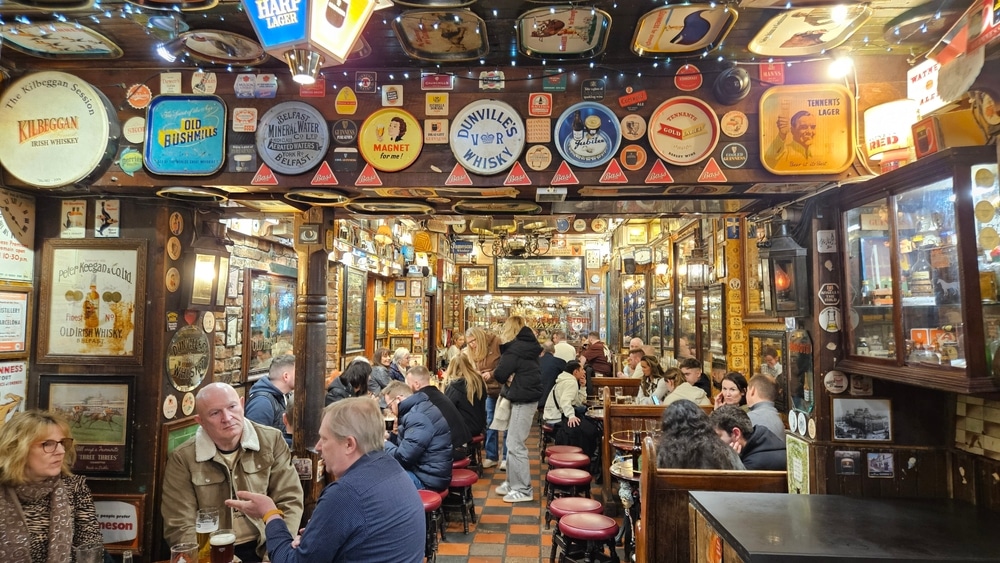
This doesn’t mean abandoning fun. A great Saint Patrick’s Day might still include a crowded room, a lively band, and a perfectly poured pint. But it also includes conversation, connection, and a sense that you’re participating in something with history and depth.
In that way, the Irish pub remains what it has always been: a living room for the neighborhood, a stage for music and storytelling, and a space where people come together not just to celebrate, but to belong.