Scrolling on TikTok used to mean dance trends, funny lip syncs, and the occasional cooking tutorial. Now, it often means something else: shopping.
In just a few years, TikTok Shop has transformed the app from a pure entertainment platform into a hybrid marketplace where creators review products, livestream sales events, and link directly to in-app checkout. A user might open the app to watch a makeup tutorial and close it with a new concealer on the way to their doorstep.
This phenomenon has been widely dubbed “shoppertainment”—a blend of entertainment and commerce that merges browsing with buying. And it’s working. Social commerce in the United States reached $87 billion in 2025, with TikTok Shop accounting for $15.8 billion of that total.
But the platform’s explosive growth raises complicated questions. Behind the viral hauls and oddly satisfying product demos lies a marketplace shaped by algorithmic persuasion, creator commissions, and ultra-low prices that sometimes seem too good to be true.
TikTok Shop has undeniably opened doors for small businesses and independent creators. Yet the same system that fuels opportunity also introduces ethical gray areas around consumer transparency, labor practices, and the psychological impact of turning entertainment into a stream of nonstop advertisements.
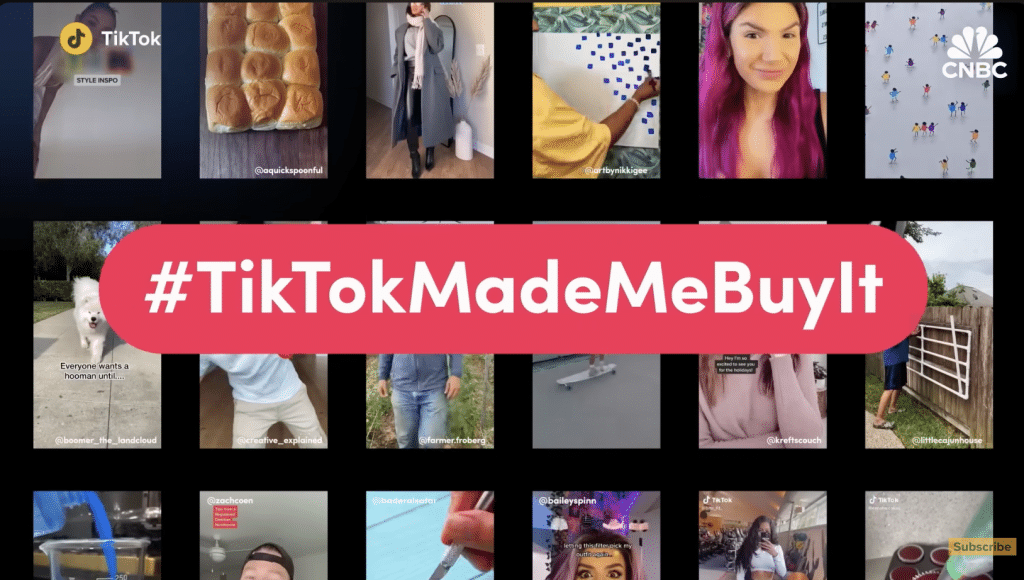
The Rise of Shoppertainment
Traditional online shopping is deliberate. You search for an item, compare prices, and add it to your cart.
TikTok Shop has flipped that process entirely; products find you, tailored to your interests through the platform’s algorithm.
Instead of seeking out products, users discover them mid-scroll—often through short videos where creators demonstrate a gadget, review skincare, or show how a dress fits in real life. Within seconds, viewers can purchase the item directly inside the app without ever opening another website.

The platform’s design makes this frictionless, and the result is a seamless feedback loop: content drives curiosity, curiosity drives clicks, and clicks drive sales.
Unlike traditional e-commerce platforms like Amazon or eBay, TikTok Shop doesn’t separate entertainment from commerce. Instead, the two coexist in the same infinite scroll. A makeup routine might appear immediately after a meme, followed by a sponsored product demonstration.
This blurring of lines is exactly what makes shoppertainment so effective.
E-commerce analyst Shampaigne Graves explains that the format speaks directly to modern consumer behavior, particularly among young women who dominate the platform’s user base.
“Women love behind-the-scenes looks into how a brand is made, and TikTok’s shoppertainment model has spoken directly to the modern young American woman in ways that traditional e-commerce simply hasn’t. TikTok Shop is a dual brand story, elevation, and e-commerce platform all in one. It marries every ingredient a bootstrapped startup needs to thrive: authenticity, community, real-time engagement, and a direct line to the founder’s kitchen table. Out of a total $87 billion social commerce business in the U.S. in 2025, a segment that grew year-over-year by 21.5%, TikTok Shop alone claimed $15.8 billion of that sum (Forbes/Catherine Erdly). Women are more values-driven in their consumption practices than most marketers give them credit for, and that number proves it.”
For many brands, especially small startups, the system offers something traditional retail rarely does: a direct connection with customers. Founders can explain how a product is made, often through livestreaming, showing behind-the-scenes footage, and answering questions in real time.
This low barrier of entry allows companies to become personable right off the bat, quickly creating a parasocial bond with potential customers. That same intimacy can also make sales feel less like marketing—and more like personal recommendations from a trusted friend.
The Creator Commission Economy
A major engine behind TikTok Shop’s success is the creator economy.
Content creators can sign up for TikTok Shop’s affiliate program and earn commissions when viewers purchase products through their links. For influencers with large audiences, this can become a significant income stream.
The model positions creators as reviewers rather than traditional advertisers. A creator might film a “get ready with me” video while casually recommending a skincare product, or post a quick clip showing how a kitchen gadget works.
However, the financial incentive introduces an obvious tension: authenticity versus profit.
Are creators reviewing products honestly—or promoting whichever item offers the highest commission?
Disclosure rules exist, but the lines can still blur. Sponsored posts and affiliate links may be labeled, yet they often appear within regular content formats that viewers are used to trusting.
This dynamic raises a broader ethical question: If a product recommendation looks like organic content but functions as an advertisement, do viewers recognize the difference?
Algorithms complicate the issue further. TikTok’s recommendation system favors videos that generate engagement and conversions. That means content that successfully sells products is more likely to appear on users’ For You Page.
In other words, the algorithm doesn’t just distribute content—it can amplify the most profitable content, potentially skewing the platform away from entertainment-based analytics and toward profit-driven promotion.
Why Are Prices So Low?
Anyone who has browsed TikTok Shop has likely noticed the same thing: prices can be shockingly low—sometimes questionably low.
A trending gadget might cost only a few dollars. Clothing hauls sometimes feature entire outfits priced lower than a single item at a traditional retailer.
There are several reasons behind this pricing model.
First, many products ship directly from manufacturers, often located in China. By bypassing wholesalers and distributors, sellers reduce the number of intermediaries between factory and consumer. Fewer middlemen can translate to lower prices.
Second, TikTok appears to be investing heavily in growth. Like many tech platforms in their early stages, it may be subsidizing shipping or promotions to attract buyers and sellers.
This “loss-leader” strategy, where companies temporarily accept lower margins, has been used by platforms from Amazon to Uber to dominate markets before raising prices later.
Still, the ultra-cheap pricing has sparked skepticism among consumers.
While there have been many privacy concerns and conflicts with the China-owned app, the model bears similarities to other ultra-low-cost online marketplaces known for rapid manufacturing and global supply chains.
Without transparency into factories or production conditions, shoppers may wonder whether fair wages, environmental standards, and proper safety testing are in place.
None of these concerns are unique to TikTok Shop; we have seen the same problems arise with online stores like Shein and Temu, and they have existed in fast fashion and global e-commerce for decades.
TikTok’s rapid growth and viral purchasing trends dominate the market, amplifying these issues to a new level. However, there is also growing speculation that these products may not remain this cheap for long.
A product can sell tens of thousands of units overnight after going viral, creating sudden demand that supply chains must scramble to meet.
The Algorithm as a Salesperson
On traditional shopping websites, users control what they browse. They type search terms, compare options, and decide what to explore next.
TikTok reverses that dynamic.
The platform’s For You Page decides what appears in front of users, based on data from past interactions, watch time, and engagement patterns.
This algorithmic curation transforms product discovery into a passive experience. Instead of searching for something to buy, users encounter products while they’re already engaged with content.
That design introduces powerful psychological effects.
Graves describes how shoppertainment reduces the distance between seeing a product and purchasing it.
“What makes shoppertainment so psychologically potent, especially for women, is that it collapses the emotional distance between discovery and decision. This is exactly what the Emotions and Gender Socialization pillars of my WCR4™ Method map: the emotional trigger comes before the transaction, not after, and authenticity is not a brand value for women consumers. It is a prerequisite. Research found that “a very high proportion of the customer base used the platform to be entertained” (Neil Saunders, RetailWire), and “for 60% of TikTok users, the platform is their go-to source when thinking about how to shop” (amzscout). The algorithm doesn’t just meet demand. It creates it. And where it creates demand, it also creates Purchase Panic at checkout when brands fail to show up in a way that honors the trust women have extended.”
In other words, TikTok doesn’t simply respond to consumer interests—it actively shapes them.
That raises a deeper ethical question about algorithmic persuasion. When an app knows exactly what captures your attention and uses that knowledge to promote products, how much of the buying decision is truly your own?
More Ads, Less Memes
Frequent TikTok users have noticed another shift: there are more ads than ever.
Scrolling the app today often means encountering product demonstrations, sponsored reviews, or TikTok Shop listings every few videos. What once felt like an endless stream of organic content increasingly resembles a digital marketplace.
This change reflects TikTok’s broader strategy to monetize its massive user base. Social platforms across the internet eventually face the same pressure—turn attention into revenue.
But TikTok’s ad integration feels different because it blends so seamlessly with creator content.
A skincare review might be genuine, sponsored, or affiliate-linked—and viewers may not immediately know which.
If TikTok continues prioritizing commerce within its algorithm, the platform may gradually evolve from a social network into something closer to an interactive shopping channel.
The question then becomes: when does entertainment become advertising?
Why It’s Working Anyway
Despite the ethical questions, TikTok Shop’s growth shows no signs of slowing.
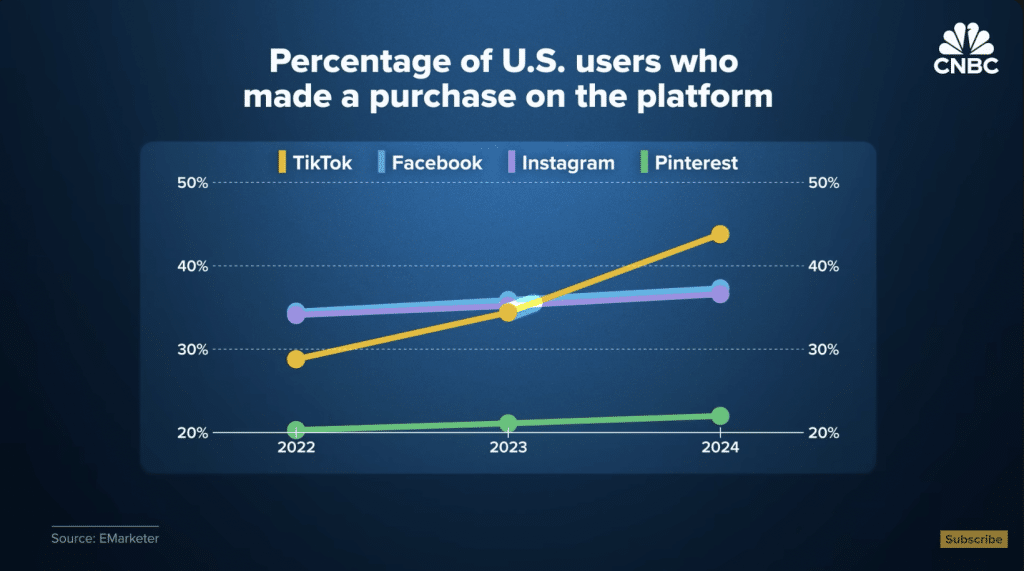
One main reason is simple: it works extremely well for sellers.
Small businesses that once struggled to gain visibility on crowded platforms can suddenly reach millions of viewers through a single viral video. Entrepreneurs regularly share stories of selling out entire inventories overnight after trending on TikTok.
The platform also expands beyond cheap impulse purchases. In the United Kingdom, data shows that higher-priced items are increasingly common on TikTok Shop.
Products costing over £100 accounted for 41% of the platform’s revenue in January 2025, far above the global average.
These numbers challenge the stereotype that TikTok shoppers only buy novelty items or “TikTok trinkets.”
Graves argues that the industry has underestimated the sophistication of social commerce consumers.
“The industry has been condescending about social commerce, framing it as the domain of cheap impulse purchases made by young women who don’t know better. The numbers are dismantling that story. “Items priced over £100 accounted for 41% of UK TikTok Shop revenue” in January 2025, “15 times higher than the global average of 2.8%” (Rithum, via FashionNetwork), with women making up “66.25% of TikTok’s user base” (Sprout Social) and driving a 120% year-over-year U.S. sales surge in 2025 (TikTok Newsroom). Philip Hall of Rithum Europe stated it plainly: “The era of the ‘TikTok trinket’ is over” (FashionNetwork). TikTok Shop isn’t just a new channel. It’s a new emotional contract between brands and women consumers, and the brands that understand the Legacy Consumerism being built inside every live session are the ones eMarketer is projecting toward “$23.41 billion in U.S. e-commerce sales in 2026 alone” (RetailWire).”
For sellers who understand TikTok’s content style, the platform offers something traditional retail rarely provides: discovery.
Consumers aren’t just searching for products—they’re discovering them organically through storytelling, tutorials, and personality-driven videos.
What This Means for Shoppers
TikTok Shop is unlikely to disappear anytime soon. If anything, social commerce will likely expand as platforms compete to merge entertainment and shopping.
That doesn’t mean consumers should avoid the platform entirely. But it does mean approaching it thoughtfully.
A few strategies can help users shop more ethically and intentionally:
Look for small businesses and creators.
Many independent brands rely on TikTok Shop to reach customers without traditional retail markups. Supporting these sellers can help sustain the positive side of the platform.
Research products before purchasing.
Viral clips often highlight the best features of a product. Checking reviews outside TikTok can reveal additional perspectives.
Pay attention to pricing patterns.
Extremely low prices may indicate fast-fashion supply chains or limited product transparency.
Watch for clear sponsorship disclosures.
Creators who openly state affiliate relationships often maintain more transparent relationships with their audiences.
Most importantly, remember that TikTok’s algorithm is designed to keep you watching—and sometimes buying.
Scrolling may feel casual, but the platform is carefully engineered to turn attention into transactions.
The ethicality of TikTok Shop ultimately depends on how it’s used: by creators, by brands, and by consumers themselves. Being aware of how the platform works can help users make more intentional choices while navigating the world of shoppertainment.