

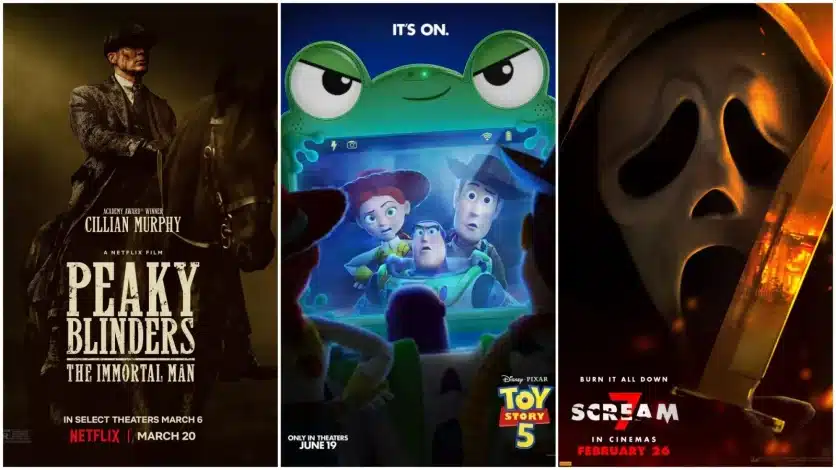
Nowadays, there seem to be four kinds of movies that Hollywood likes to make: spin-offs, reboots, remakes, and, of course, sequels. Whenever a new sequel is announced, audiences generally have the same response to it. They respond with non-excitement and say it’s unnecessary. This has been a recurring thing for the past couple of years now.
With lots of sequels set to premiere this year, let’s dive in and see if a sequel is necessary.
If the original movie’s premise warrants it
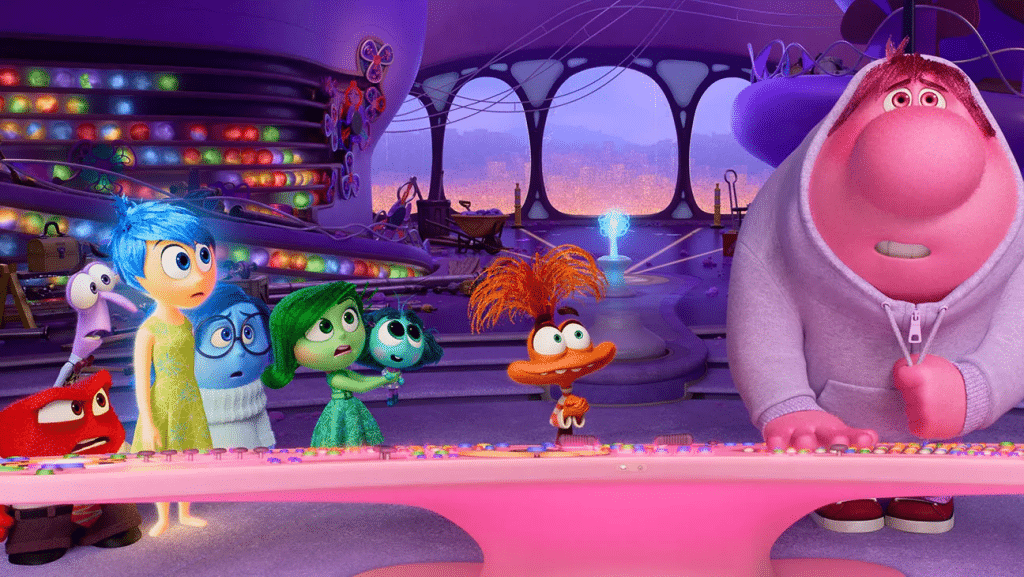
To start things off, a sequel is necessary if the premise of its predecessor warrants it. If a movie has a strong premise that you could tell more stories with, then a sequel is possible.
A great example of this is Pixar’s “Inside Out 2.” The premise of “Inside Out” was one full of imagination and relatable insight into our emotions. It was a story with unlimited possibilities to explore new ideas. With “Inside Out 2,” they managed to do everything that they could do with it. For starters, aging Riley up from a kid to a teenager was a natural direction to take the character. It just seemed like the next step to take in terms of continuing the story in an organic way. Adding to it, introducing new emotions gave Riley a new challenge to face and made for colorful new characters. They showed how getting new emotions has a huge effect on teenagers and can be difficult to deal with. All of this proved that there was more to do with a premise like this.
Not only was the sequel a success, but there are already people interested in an “Inside Out 3.” This just goes to show that if your movie has a great premise, not only is there more to do, but audiences will crave more.
More to do with the characters and world
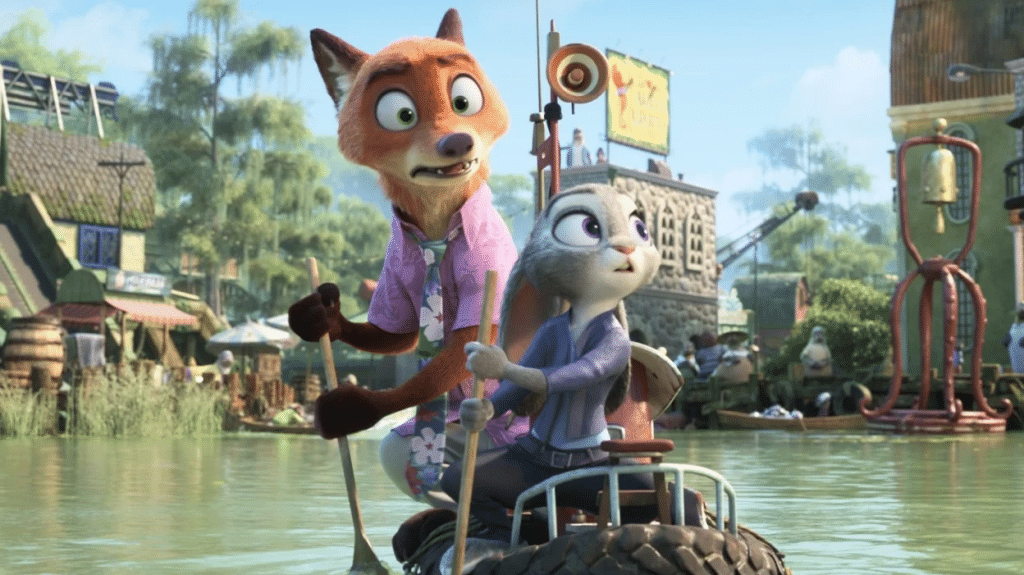
The next factor for when a sequel is necessary is if there’s more to do with the characters and world. Just because the movie ends in a way that doesn’t set up a sequel, that doesn’t mean that the characters and world are no more.
A recent example of this is Disney’s “Zootopia 2.” While the original never ended in a way that previews the next story, it leaves our character open for another possible adventure. Plus, the world is so big that there’s more that can be shown. With last year’s sequel, it did both of those. The sequel did well in world-building and its main leads. It showed us more parts of the world that we hadn’t seen before, while giving us another fun, worthwhile adventure, and challenged the relationship between its protagonists. Instead of figuring out who’s making predators go savage and why, our main leads are on the run after being framed for something they didn’t do. Add to it, they get help from new characters, such as a friendly snake named Gary and a plucky beaver named Nibbles Maplestick.
Much like “Inside Out 2,” the results turned out to be successful. It garnered positive reviews and is currently the highest-grossing movie from Walt Disney Animation Studios. Movies like this show that a sequel can be made without its predecessor setting it up at the end.

Telling a new story, rather than copying what came before
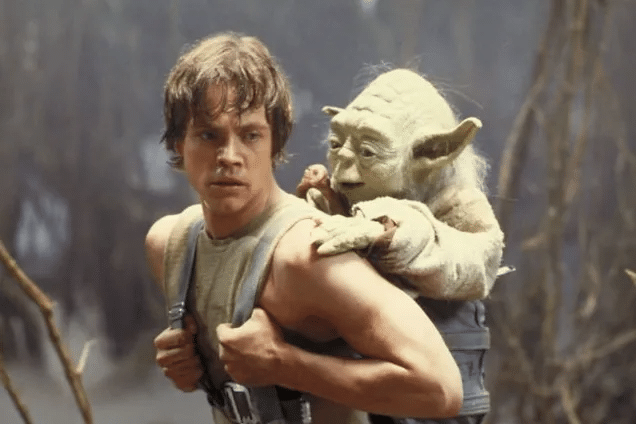
What’s arguably the most important factor in discussing this is that a sequel should tell a new story rather than copy what came before. A common problem with sequels is that they just tell the same story that was told in their predecessor. For instance, “The Hangover Part II” was guilty of doing this. The story was pretty much the same, and its structure wasn’t that much different. As a result, people criticized it for that exact reason. You can see this just by looking at the Rotten Tomatoes scores, with 35% for critics and 52% for audiences. Rather than rehashing what came before, a sequel should offer something new.
There are plenty of examples to mention for this factor, but for now, we’ll go with “The Empire Strikes Back.” One of the reasons why this movie is beloved by many is how different it is from “A New Hope.” This sequel continued the story in a natural way, rather than retelling the previous movie’s story. It put our protagonists in peril, rather than playing it safe with them. It went to darker places, instead of continuing the light tone the first movie had. So much so that the big twist of the whole movie is that Darth Vader reveals himself to be Luke’s father.
When audiences go to watch a sequel, they don’t want to see the previous movie done all over again. They want to see a new story being told. They want to see the characters go on a different journey and learn new things. If sequels do this rather than retread familiar ground, then they will feel as if they’re necessary.
What’s the big takeaway?
It’s easy to see why people are immediately against a sequel whenever it’s announced. Not only are they announced on a frequent basis, but a lot of them aren’t necessary. However, we should think about and consider certain things before jumping to conclusions. We shouldn’t be quick to jump on a hate bandwagon whenever the next sequel is announced and coming. Instead, we should stop, look, and see whether this new sequel has potential or not.
When “Top Gun: Maverick” was announced, people didn’t have that much faith in it. They didn’t really see why it was being made and even felt that it was made for nostalgia-related reasons. However, when it was released, it really surprised people. Critics and audiences were raving about its compelling story, memorable characters, and exciting action. The general consensus was that it managed to be better than its predecessor. The same can be said for “Jumanji: Welcome to the Jungle.” People thought it was going to be a total cash-grab that was banking on people’s nostalgia for the original. Instead, we got a fun follow-up that was funny, creative, had respect for the original, and entertained so many audiences. So, the next time Hollywood announces the next sequel, be more open and try to look for the good in it.









Judy Bates
March 14, 2026 at 4:41 pm
Spencer,
Your editorial is engaging and clearly expresses your opinion about movie sequels. I liked how you supported your ideas with specific examples from the film, which made your argument strong and convincing. Great job writing a thoughtful and well-organized editorial.
Brian Reeve
March 14, 2026 at 8:42 pm
Great job, Spencer!