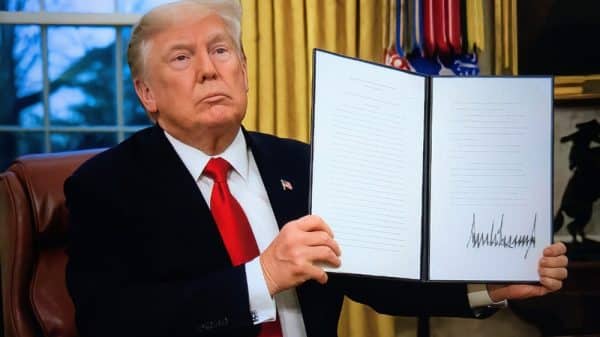


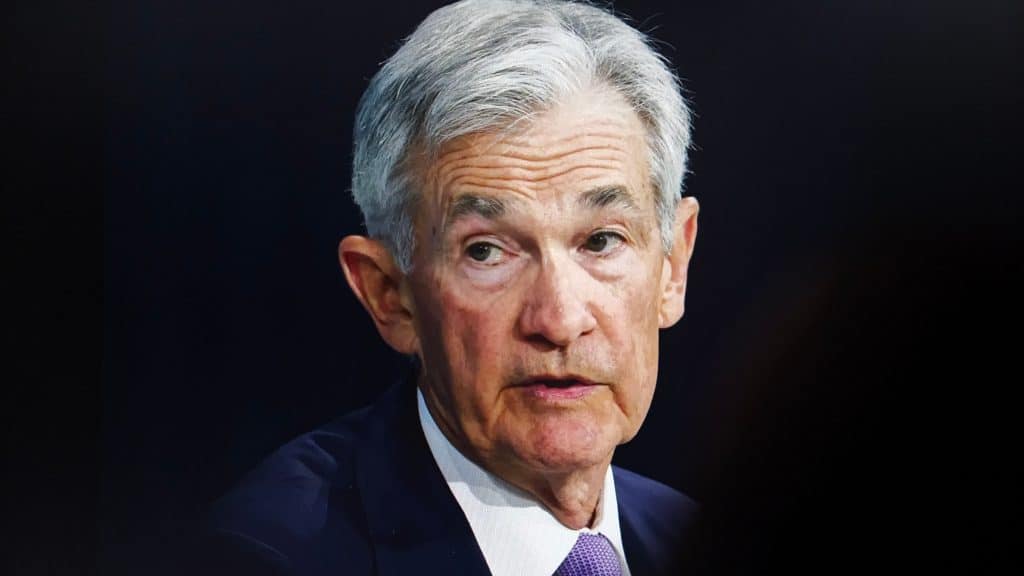
President Trump and Jerome Powell have been debating on lowering interest rates. The controversy and name calling is getting enough attention, but what does it all mean? The United States economy depends on a delicate balance between inflation and interest rates. Here’s what you need to know to understand why Powell won’t lower interest rates.
President Trump has made demands for the Federal Reserve to lower interest rates. The chairman of the Federal Reserve, Jerome Powell, is hesitant to do so. The Federal Reserve, or “The Fed,” has been cutting interest rates over time, but this is not satisfying Trump.
Trump wants interest rates to be cut drastically and fast. Powell and the Federal Reserve disagree with this plan because they believe it will backfire. The actions that the Federal Reserve takes impact the entire country’s economy.
The Fed is refusing to lower interest rates because of the direct relationship between interest rates and inflation rates in the United States economy. So how does this relationship work?
What is inflation?
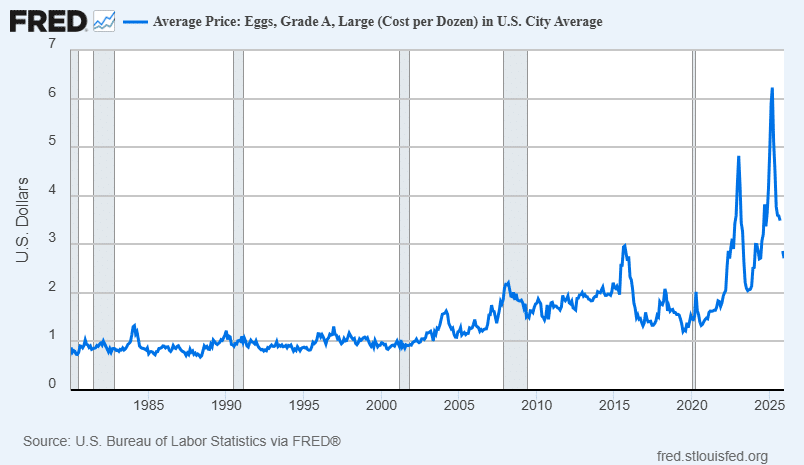
Inflation is the cost of goods and services rising over time. This occurs naturally and inevitably in our economy. However, we hear about inflation rates mostly when the inflation rate is high.
The inflation rate is how quickly prices are rising over a span of time. A slow, steady inflation rate over decades doesn’t hurt the consumer as much as a quick spike in inflation rates within a few years.
“Inflation is an increase in the average price of goods and services over time, which reduces the purchasing power of money.” (Investopedia)
Investopedia: Jason Fernando
The Federal Reserve can impact the economy’s interest rates by printing more money, legally reducing the value of money, and loaning money to banks. These actions, and many more, can cause inflation rates to go up or down.
This directly relates to the prices you see in stores. Typically, when inflation rates are up, your groceries will be more expensive, and vice versa.

A natural way that inflation rates go down is when consumers cut personal spending. When prices get too high, consumers stop spending as much because they can’t afford it. This puts less money into the economy and gradually lowers inflation rates back down.
However, since the development of credit cards, consumers are able to use money they don’t have. This causes inflation rates to continue to grow because people are still able to purchase items they would otherwise not be able to afford.
The natural cycle of consumers spending less when prices are up is declining. This makes the Federal Reserve’s job of monitoring and controlling inflation rates even more important.
What are interest rates?
Interest is an extra charge that comes with paying back borrowed money. Banks cannot give money out for free; they have to make a profit. When you borrow money from the bank, you are charged an interest rate when you pay back your loan because of this.
An interest rate is the percentage of the loan that gets turned into interest or an additional charge. When paying back a loan, you must pay back what you borrowed as well as the interest charged.
“An interest rate is the price an entity pays for borrowing money or the fee they charge for lending it, expressed as a percentage.” (Investopedia)
The Federal Reserve sets the national interest rate based on the economy. Many factors go into deciding the national interest rate, such as inflation. The interest rate that the Federal Reserve sets directly impacts banks.
Banks use the federal interest rate to set their own interest rates. The federal and bank interest rates are typically similar. When the Federal Reserve raises interest rates, your bank might raise your loan or credit card interest, causing you to pay more.
Even though no one wants a larger credit card bill, the Federal Reserve will sometimes raise interest rates. By raising interest rates, this causes less people to borrow money or get a loan. This is known as slowing consumer demand.
When fewer people are borrowing money, this causes the economy to slow down. This is important when we talk about the connection between interest rates and inflation rates.
How are interest and inflation connected?
At its basics, inflation rates and interest rates mirror each other. When inflation goes up, interest rates go down. When inflation goes down, interest rates tend to go up. This is ultimately because of how the Federal Reserve responds to either rising interest rates or inflation rates.
When inflation rates are too high, the Federal Reserve will also raise interest rates. This is to discourage borrowing and to lower consumer spending. As mentioned before, when consumer spending lowers, so does the inflation rate.
But now you have low inflation but high interest rates. Since inflation is low, the Federal Reserve can now lower interest rates back down. However, once interest rates are low, more people start borrowing again. This causes consumer spending to rise, and people buy more things with borrowed money. When people start to buy a lot of goods again, there is more money stimulating the economy. Increased money supply is one of the main causes of inflation.
The economy works in a cycle. There is typically only a brief period of time that both inflation and interest rates are low, then the cycle repeats with inflation rising.
The Federal Reserve has to make inflation rates and interest rates do a delicate dance in order to sustain the economy. This is why President Trump and Jerome Powell are at odds.
Trump wants lower interest rates so that Americans can borrow more easily, but Powell is worried about the stability of the economy. If the Fed lowers interest rates drastically, as Trump is demanding, inflation will spike.
How does this affect you?
The interest rate that the Federal Reserve sets impacts the choices banks make. This can cause changes in your credit card bill, student loans, and mortgage. It is important to keep up with the economy to know when the best time to take out loans or invest is.
The inflation rate impacts the cost of living. Your bills and groceries can increase in price when inflation is high. When inflation spikes, rather than gradually increasing with time, there is a gap between the cost of living and wages. This is why so many Americans are worried about the cost of living. When inflation spikes, prices go up quickly, but wages are slow to follow suit.
If the Federal Reserve lowers interest rates while the inflation rate is still high, this wage and cost-of-living gap will continue to increase.