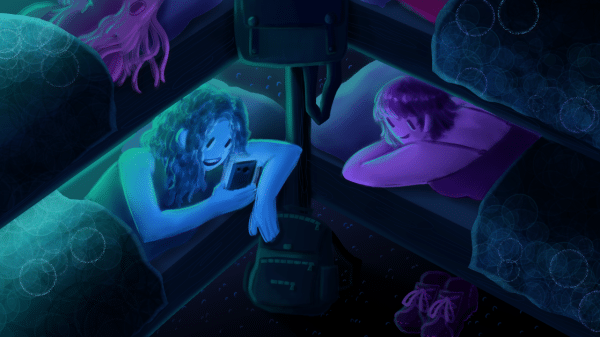
There is a unique kind of exhaustion that doesn’t come from doing too much, but from really doing almost nothing at all. You didn’t run errands or work a double shift. In fact, you barely left the couch! However, by the end of the day your brain feels overstimulated, restless and even heavy. This is the enigma of digital burnout.
The fact that our bodies are still, but our minds never stop moving and thinking. This is just our nervous system reacting exactly how it is designed to under constant stimulation. This is a kind of burnout that doesn’t come from physical action, but comes from digital input. It’s commonly known online as functional freeze. More on that down below!
The good news? This is something that can be helped! I am going to break down exactly why our bodies and mental faculties react this way and how to break the cycle. We can still enjoy our digital life while ensuring we don’t wreck our minds and bodies at the same time.
The screen problem
Digital fatigue gets blamed on time. Such as, too many hours of doom scrolling and too much screen exposure. The problem isn’t just how much we’re online, but how we are online.
We’re constantly multitasking in tiny ways. It is either by watching a show while checking Instagram, answering a text while half reading an article, or opening a new tab every time our attention drifts. No wonder we feel fried mentally.

A lot of what we consider a break is now actually passive media consumption. We aren’t recharging, but we are scanning, switching, reacting and absorbing all sorts of information. A 90-minute scroll session might feel like a break at first, but it doesn’t give the brain the closure it needs to calm down.
Unlike a walk, a human to human conversation or even zoning out in silence, most digital activity doesn’t have a natural end. The feed and apps don’t stop. The videos just autoplay, the feed is endless and the notifications keep coming. There is just no finish line. Therefore, our minds never get the signal that we are done. Without that knowledge we stay in a low grade state of alert even when we’re trying to relax.
Cognitive (over)load
Psychologists call it cognitive load. This is the mental effort required to process and handle information. Every tab you open, every post you skim, every conversation you bounce between adds to that load.

There is also decision fatigue which is when your brain gets overwhelmed by constant choices. Not just big decisions, but also micro choices which sound like: Should I like this? Should I reply? Should I watch another episode? This happens without us even realizing it. However, our brains take note of it every time.
Another term to know is called attention residue, a phrase coined Dr. Sophie Leroy. This is when part of your focus stays stuck on the last thing you looked at. Even though you think you’ve moved on, your mind has difficulty focusing on the next task which leads to decreased productivity and potential errors.
Together, all of these aspects create a mental state that’s fragmented and strained. This is your mind trying to hold too much at once. It’s like a computer with too many tabs and programs running on old software.
Why rest doesn’t feel restful
Even when you try to rest, it often doesn’t feel restful. You close your laptop or put down your phone, but your mind keeps scrolling. That’s because your nervous system doesn’t reset just because you want it to.
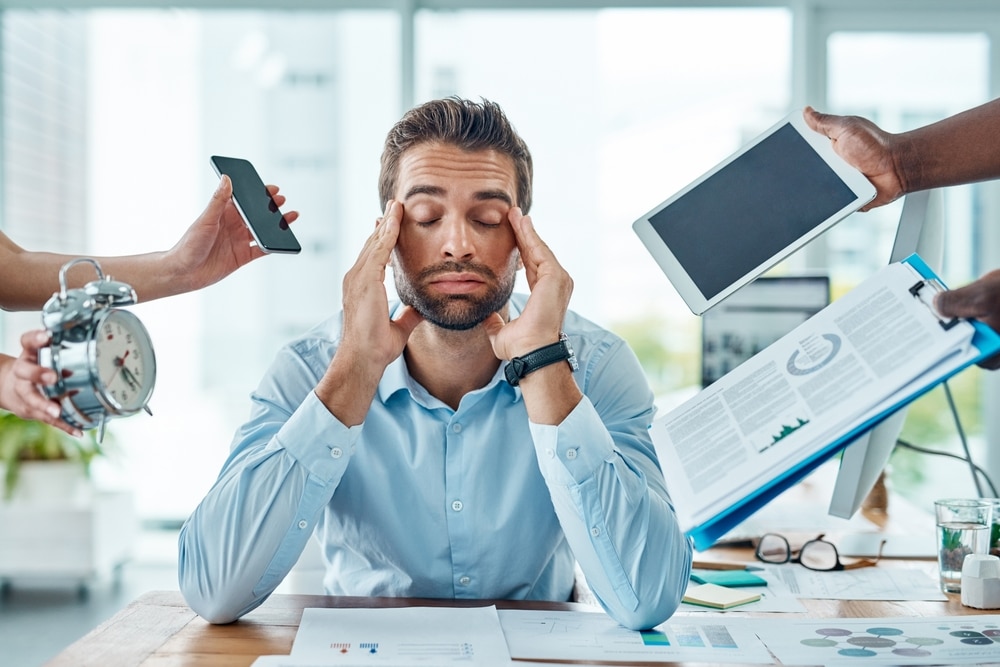
When we’re constantly absorbing information without a break, our bodies stay in an active, stimulated state. It’s like being on a treadmill you can’t get off of. This is called nervous system dysregulation, and it explains why you might feel stuck in a loop of tired yet still wired, scrolling to relax but getting more agitated and mentally foggy.
A system freeze
If you’ve found yourself avoiding responsibilities, numbing out or falling into patterns that feel regressive, that’s your body going into a functional freeze. Your body is protecting itself. Basically it is the body’s way of preserving energy when it doesn’t know what to do with all the stimulation it has been given.
Emotional detachment, procrastination and checking out are symptoms of this. It is the nervous system’s response to constant overload. Your burnout is now showing up as a shutdown, not just stress.
If this sounds familiar, you are not alone. Many people are experiencing this right now. Most everyone is stuck between wanting to do more and not knowing why they can’t. It is not a failure of willpower or effort. It is just a biological response to too much input, too often and with little space to recover.
How to get the rest your body and mind need
Rest, in the age of digital overstimulation, isn’t just about unplugging. It’s about stopping. It’s about creating new routines. Some ways that you can accomplish this are by: focusing on your to-do list, sitting with yourself whether that’s in silence, journaling or reading, or even being active such as going outside for a walk.
Even small actions such as lighting a candle, stretching for a few minutes, and taking deep breaths can help remind your body that the day isn’t just one long, endless scroll.
These small changes remind your body that you’re not in danger, that you’re not actually overloaded and your brain doesn’t have to be on all of the time.
Burnout isn’t always something we see physically. Sometimes it is the quiet feeling that nothing ever ends, nothing ever sticks and nothing is ever enough to actually feel rested and calm. That being said, there are ways to help yourself acclimate and still enjoy your screen time in moderation.
The fix isn’t logging off forever, but learning how to log back into ourselves.