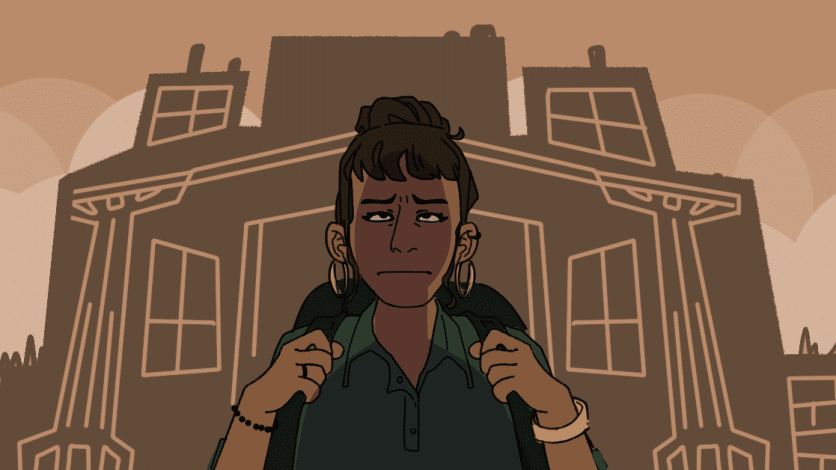
I was heading to the dining commons to eat dinner on the Friday of my first week at the University of California, Davis. On my walk, surrounded by other students heading to the same place, I noticed that almost all of them already had groups of friends to eat dinner with. I sighed as I heard their laughter and stories from their first week, and pulled out my phone to FaceTime my mom.
“Hi Mami,” I said as her face came into view.
“Hi! How does it feel to have completed your first week of college?” she said excitedly.
I started to feel emotional. I didn’t know whether or not to tell my mom the truth about my anxious thoughts. I was on a high when I started college; for my first time away from home, I felt like I could rule the world.
Until I realized that I felt lonely.
That week, I only went to my classes, ate, and did homework. As I walked down the street to the cafeteria, I felt as if a spotlight was shining on me, watched through a magnifying glass by the cliques of people around me.
I felt myself shrinking. No one told me the thing I should’ve prepared for most when coming to college was to be run over by a tractor filled with loneliness.
I cleared my throat and sucked back in the tears about to drop down my cheeks.

“Um, it’s okay, very different from high school…” I replied.
The loneliness no one warns you about
The one thing that people don’t advertise about college is how lonely it is, how isolated you feel from walking to class or the cafeteria every day. I used to eat breakfast, lunch, and dinner by myself.
They don’t talk about how you’ll see people walking around with such confidence, wanting to speak to them, but not having the courage to actually do so. The brutal truth is that college students spend most of their time alone.
This feeling reminded me of my first day of kindergarten. I remember crying outside my classroom. It was a new school, and I didn’t know anyone. In that moment, I thought, How am I supposed to survive without my mom?
As I entered that tiny yet enormous classroom, I feared a disaster was about to unfold. It terrorized me so much, simply because it was an unfamiliar environment. Without my family, how was I supposed to behave? Who was I supposed to fall back on for support? I didn’t have anyone who could carry the fear I had.
I entered the classroom, and inside was a scene of chatter and laughter, which made my classmates seem intimidating. I was scared of something that didn’t physically hurt me, but my fear had overcome my thoughts.
College now felt the same way. It was a new environment, with no support system, and I felt overwhelmed by the feeling that everyone knew what they were doing except me.
Feeling out of place
I was really shy when I first came to college. On my walks from class, I saw people from different cultures and styles, walking with such swagger and confidence, as if they were secure in themselves. Seeing them made me overthink who I was. I began to question my sexuality and fashion style. I wanted to change myself into someone different, someone more acceptable.
I began to lose a sense of myself, and craved acceptance from anyone. Loneliness made me feel that, as I was, I wasn’t good enough here, like I didn’t belong compared to everyone else.
College expects you to arrive with your life already figured out. It expects you to have a major, a plan, and confidence in yourself from the first day. It wanted me to be a fully prepared adult, knowing everything about life, and if I made a mistake, it meant I wasn’t good enough.
I was constantly in a tug-of-war. One side was pulling me to be a “perfect” college student who knew how to handle everything. And the other side accepted that such a person doesn’t exist.
As a first-generation Latina woman who moved ten hours away from home without knowing anything about college, those expectations felt impossible. It was as if I was thrown onto a tightrope, expecting to get to the finish line without falling.
Anxiety of creating friendships
There’s an unspoken line that people don’t cross when talking about loneliness. Many students don’t open up because they believe others won’t understand or because they’re afraid of being a burden. For the longest time, I didn’t tell my friends how I felt because I was scared that I would scare them off with my emotions.
When feeling lonely, it becomes even harder to take the first step of reaching out to someone. I was constantly afraid of rejection and of not belonging in college. But that isn’t the truth. If we were accepted into college, it’s because we were meant to be here. We already took one of the most complicated steps by getting in.
Taking back your confidence
Anxiety can feel like it controls your body and speaks for you. But instead of letting it decide your actions, take that control back.
Let yourself be vulnerable with others; often, someone has to be the first to open up so that others can feel comfortable doing the same. That’s how friendships begin: they can form in awkward ways.
Many people stop trying if they get rejected. But the reality is that it is hard to make friends. Rejection doesn’t mean you aren’t a likable person or that there is something wrong with you. Sometimes people just aren’t meant to connect, and that’s okay. Continue trying until you find even one genuine friendship.
Things began to change when I decided to open myself up. I joined the Women’s Rugby Club, pushing past my fears of trying something new. Joining the team helped me realize I wasn’t alone in my struggles. For the first time in college, I felt less lonely because I was surrounded by such a fantastic group of people who understood what I was going through.
Through rugby, I met one of my closest college friends. Now we live together, and whenever I feel alone, she makes me feel at home simply by being in each other’s company. I’m grateful to have her because she has taught me that feeling anxious is part of who I am, but doesn’t dictate how I can succeed or belong in college.
Saying “yes” and changing your mindset
Studying abroad taught me that the world is much bigger than I once thought. It was bigger than college, which had felt overwhelming compared to home. That experience helped me realize that I may be where I am right now, but it doesn’t mean I will forever be here.
Being alone does not have to be a bad thing. If you don’t have someone to talk to, writing things down, journaling, or expressing yourself through hobbies and passions can help. Going outside and being around people can still feel lonely, but seeing others in person reminds you that you are not truly alone; sometimes it only feels that way in your mind.
Over time, I started pushing myself to talk to people. If a conversation didn’t work out, I learned to say, “Oh well,” and continue with my day. I began to enjoy spending time alone in healthy ways, like studying at coffee shops or spending hours in bookstores, doing things I genuinely enjoy. Being alone can be peaceful, and engaging in activities that bring you happiness can sometimes lead to unexpected connections.
Advice from Students
- Don’t isolate yourself; find ways to put yourself out there
- Compliment a stranger. You never know when a simple comment might strike a conversation.
- Join a club that you find even the slightest interest in, join even while dealing with fear. Don’t hate it before you try it.
- Talk to a therapist if you feel like you have no one in the world. There will be someone in this world who feels the same way you do.
- Learn how to be alone in a healthy way. Romanticize your life if you need to, be comfortable in your own presence, and find peace in it.
- Try to balance group hangouts with one-on-one connections. Sometimes it can be hard to get the energy to talk, but try your best.
- Reach out to family or a trusted, supportive friend.
Long story short: put yourself first
A close friend once told me she used to be terrified of failure until she realized that failure is what helps you grow. Loneliness can make you feel sad, hopeless, and painful, and those things are valid, but they cannot be allowed to consume you. I learned that I can’t expect others to pull me out of isolation. I am responsible for myself and my own growth.
We have to be there for ourselves first; we can’t expect others to write our paths for us. We must experience discomfort and loneliness to understand what we truly want for our own lives. Even having partners and friends doesn’t take loneliness away. I’ve learned that mindset plays a crucial role, and it begins with how we treat ourselves.