Fur coats once ruled luxury fashion as symbols of wealth, status, and old-world glamour. But as the decades passed, they slipped from the spotlight and into controversy as concerns around animal welfare and environmental impact grew. The rise of faux fur offered a new path forward, transforming the fur coat from a fading relic into a reinvented staple embraced by modern fashion. Today, faux and real options coexist in a complicated landscape, which raises the question: how exactly did we get here, and why are fur coats finding their way back into the trend cycle now?
How fur coats began
In the late 19th and early 20th centuries, fur coats emerged as one of the clearest symbols of wealth and social status. Made almost exclusively from animal pelts such as mink, fox, sable, and beaver, these garments were expensive to produce and even more expensive to purchase. The cost of acquiring and preparing high-quality pelts placed fur well outside the reach of the average consumer, reinforcing its association with elite lifestyles. Full-length coats were especially prized, often passed down within families as heirlooms that represented generational wealth. Their appeal wasn’t only aesthetic, fur provided unmatched insulation during harsh winters, which made it both practical and aspirational.
Wearing fur signaled refinement, stability, and sophistication in a world where material goods were tied closely to social identity. Discussions about animal welfare were largely absent from mainstream culture during this period. Most consumers viewed fur as a natural and expected material for luxury outerwear rather than a controversial choice. Because of this, fur occupied an uncontested space in the fashion landscape. Setting the foundation for its dominance in the decades that followed.
The 1910’s-1940’s
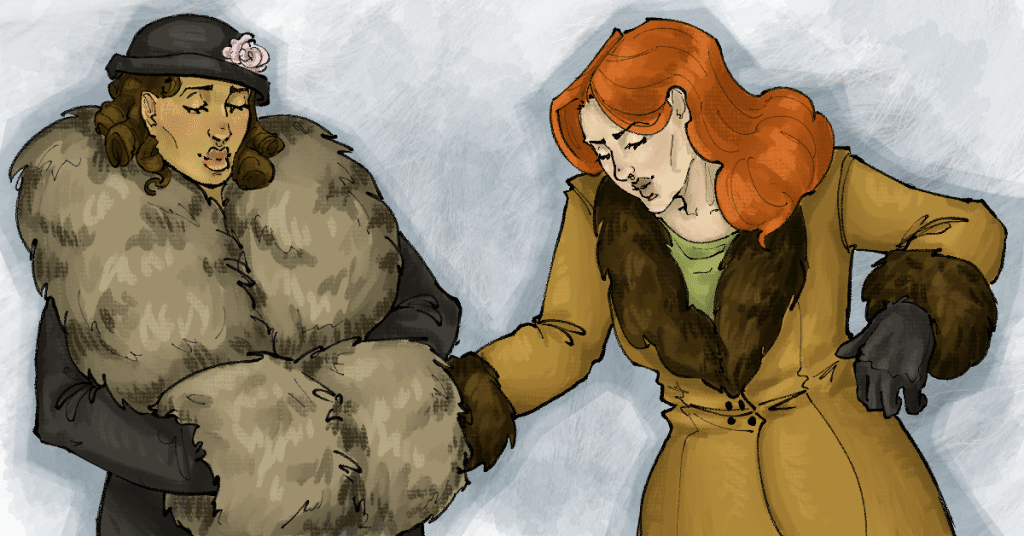
By the early 20th century, fur had moved from royal courts and old-money salons into a wider, more modern fashion landscape. In the 1910s and 1920s, fur coats, collars, and stoles became a staple of winter style. Especially in growing cities where department stores and fashion houses promoted fox, mink, sable, and raccoon as the must-have materials of the season.
What had once been reserved for the elite began to filter into the aspirations of the middle class. With trends like oversized raccoon coats becoming popular among college students and young socialites who wanted to look fashionable, grown up, and slightly extravagant. On screen, Hollywood stars in the 1930s and 1940s helped lock in the image of the fur coat as pure glamour, draped over evening gowns and spotlighted in black-and-white film. Real animal fur still dominated this era, but behind the scenes, manufacturers had started experimenting with fur-like fabrics and early faux fur. Hinting at the alternatives that would slowly emerge later in the century.
The 1950’s-1980’s
By the 1950s, fur had reached the height of its cultural influence. Hollywood starlets draped mink and fox across their shoulders in films, red carpets, and editorial shoots, cementing the fur coat as a symbol of pure glamour rather than just practical winter wear. The post-war boom made luxury more visible, and fur became one of the most coveted status pieces a woman could own. Its purpose shifted: although it still offered warmth, fur was now worn primarily as a fashion statement and an expression of elegance, femininity, and financial comfort.
However, during this period textile manufacturers began introducing early versions of faux fur made from acrylic and modacrylic fibers. These new materials were softer, more realistic, and far more affordable than true animal pelts. Making faux fur an accessible option for middle-class consumers who wanted the look without the price tag. As the quality improved throughout the 1960s and 70s, faux fur entered mainstream fashion as a low-maintenance, cruelty-free alternative. At the same time, the anti-fur movement began gaining momentum. Fueled by growing awareness of animal welfare issues and the environmental impact of fur farming. Activist groups challenged the industry with protests and public campaigns, pushing celebrities and designers to reconsider their use of real fur.
By the late 1970s and into the 1980s, major Hollywood figures were publicly stepping away from fur. Everyday consumers were becoming more conscious of ethical fashion, and the cultural tide had clearly begun to shift. The glamour of the fur coat was still present, but it was increasingly met with questions, criticism, and a rising preference for synthetic alternatives.

The 1990’s-2010’s
By the 1990s, the anti-fur movement had fully entered mainstream culture. Reshaping how designers, celebrities, and everyday consumers thought about wearing real fur. The powerful protests and public campaigns of the 70s and 80s carried into the new decade. And for the first time, real fur began losing its place as an unquestioned fashion staple. Many luxury houses dialed back their fur output, and everyday shoppers shifted toward alternatives. Making faux fur the most accessible and socially acceptable form of the fur coat.
Throughout the 2000s and 2010s, faux fur steadily evolved from a budget-friendly imitation into a legitimate fashion category of its own. Brands experimented with bold colors, exaggerated silhouettes, and playful textures that weren’t possible with real pelts. Celebrities often wore oversized faux-fur pieces in music videos, paparazzi shots, and runway appearances. While real fur never fully disappeared it is tied to luxury, wealth, and exclusivity. It became increasingly rare in mainstream fashion, both because of ethical concerns and because its high cost placed it far outside everyday consumption.
Meanwhile, faux fur surged. The early 2000s embraced fuzzy trims, cropped jackets, and maximalist Y2K inspired coats. By the 2010s, improvements in textile technology made synthetic fur softer, more convincing, and more durable. Shifting public perception from “cheap imitation” to “stylish alternative.” Influencers, fast-fashion brands, and even some heritage houses began embracing faux fur for its versatility and affordability.
By the end of the 2010s, these cultural and technological shifts had completely reshaped the fur landscape. Leading to the trends, materials, and silhouettes that define fur coats in the present day…
What fur coats look like today
In the 2020s, the fur coat has re-emerged as a statement piece, but in a completely different form than its early predecessors. Today’s fur landscape is overwhelmingly dominated by faux fur. With most brands, retailers, and consumers choosing synthetic options over real animal pelts. Real fur still exists in the luxury space, but its presence is far smaller and more exclusive than ever. Largely limited to high-end buyers, vintage collectors, and certain celebrities who continue to wear archival or designer pieces. For the average consumer, faux fur is the norm. Appearing in fast-fashion collections, mid-tier brands, and luxury labels that have shifted toward animal-free materials.
Styles
Modern faux-fur coats come in a huge range of silhouettes and textures. From oversized “mob-wife” coats and plush teddy jackets to cropped Y2K-inspired designs and sleek faux-mink pieces that mimic the smoothness of real pelts. Influencers on platforms like Instagram and TikTok have played a major role in the comeback. Often styling dramatic faux-fur coats with streetwear, minimalist basics, evening looks, and winter fits. Celebrities have also helped push faux fur into the spotlight. Many now opt for sustainable or cruelty free versions on red carpets, in paparazzi moments, and in music videos. These looks have helped shift public perception, positioning faux fur not as a downgrade but as a modern, fashion-forward choice.
Materials
Technological advancements have also shaped what fur looks and feels like today. Most faux furs are made from synthetic fibers such as polyester, acrylic, or modacrylic, materials that can be dyed, trimmed, or textured to replicate almost any type of animal fur. New production methods allow designers to create vibrant colors, exaggerated pile heights, and unique finishes that real fur can’t achieve. Which has led to faux fur becoming a creative tool rather than just an imitation. At the same time, many consumers choose faux fur for ethical and environmental reasons. Reflecting a broader cultural shift toward sustainability and conscious shopping.
As a result, the modern fur coat occupies a much more diverse and expressive place in fashion than it once did. Whether worn for warmth, nostalgia, luxury aesthetics, or sheer visual impact, fur coats, especially faux, have firmly returned to the trend cycle. Their materials, silhouettes, and cultural meaning continue to evolve. Setting up the next question: what will the fur coat become in the future, and how will advancements in textiles shape its next chapter?
Furs of the future
As fashion moves further into the 2020s and beyond, the future of fur appears to be defined by accessibility, ethics, and innovation. For everyday consumers, faux fur will continue to dominate the market. Real fur simply cannot return to mass adoption without raising profound animal-welfare issues. And the cultural stigma around animal cruelty is now stronger than ever. While real fur will never disappear entirely, its production will remain limited, niche, and primarily associated with the luxury market and vintage collectors. Celebrities still wear real fur on occasion, but even then, it is more often archival or vintage rather than newly produced. Reflecting both public scrutiny and the growing prestige of secondhand fashion. As vintage markets expand year after year, real fur will likely survive through resale rather than large-scale manufacturing.
Style of the future
Stylistically, the future of fur will build on the trends that have resurged in recent years. Faux-fur coats inspired by Y2K aesthetics, think fur-lined jackets, cropped silhouettes, and bold trims will continue to thrive as the early 2000s revival stays strong. The classic “mob-wife” coat, with its oversized glamour and dramatic presence, will remain a winter staple due to its viral popularity on social media. Colorful faux furs, from pastels to neon, will continue to grow as designers lean into playful accent pieces and statement outerwear. At the same time, I think fashion may see a return of more traditional silhouettes. Including the plush “teddy bear” coats of the early 1900s, reimagined using modern fibers and finishes. This balance of nostalgia and innovation will define how fur shows up in the next decade.
Materials of the future
The biggest changes, however, may come from the materials themselves. Although today’s faux furs are predominantly made from petroleum-based synthetic fibers like polyester, acrylic, or modacrylic, the environmental concerns surrounding these fabrics are pushing the industry toward new alternatives. As conversations around microplastics, biodegradability, and climate impact intensify, brands will increasingly experiment with more sustainable and ethical options. Protein-based fibers such as wool, alpaca, and mohair (especially from ethically managed farms) offer a promising path forward. These materials can mimic the warmth and softness of traditional fur without relying on plastics or animal pelts. And they align with consumers’ growing interest in responsible fashion. In the future, “faux fur” may not refer exclusively to synthetic textiles. Rather to a broader category of cruelty-free, low-impact fibers engineered to look and feel luxurious.
Ultimately, the fur coat of the future will blend old aesthetics with new priorities. It will borrow silhouettes from the past, embrace the boldness of modern fashion. And be built from materials that reflect a more environmentally conscious world. Real fur may remain a part of high fashion’s archives. But the next chapter belongs to innovation, proving that the fur coat can evolve without repeating its past.