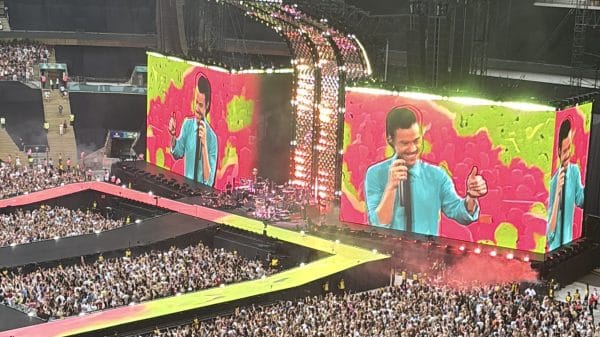
On the week of October 25, 2025, something almost unthinkable happened: for the first time in nearly four decades, not a single rap song appeared in the Billboard Hot 100’s Top 40. This unexpected occurrence sparked discussions about rap fatigue.
Rap music, the genre that has defined pop culture for decades, suddenly seemed… absent. Think of it as musical spring cleaning, where sometimes, even the classics get swept away.
Why did a technical quirk hit such a nerve? In a world where every notification buzzes, feeds never end, and life already feels chaotic, the music that once energized audiences may now be contributing to burnout.
Rap isn’t dead. In fact, it’s far from it.
But this chart hiccup raises a bigger question: are listeners’ tastes genuinely shifting, or is this just a momentary blip in an otherwise steady genre?
The data behind the dip
Even when rap momentarily vanished from the Top 40 due to a technical rule change, its overall grip on the U.S. music market has been gradually loosening for some time.
Back in 2020, hip-hop and R&B were unstoppable, together making up nearly 30% of all U.S. music consumption, the highest of any genre by a wide margin. Rap wasn’t just dominating culture; it was culture. Every TikTok sound, every festival lineup, every viral catchphrase traced back to the genre.
But over the last two years, something shifted. Hip-hop/R&B’s market share slipped to around 25%, a noticeable decline in an industry where every percentage point represents millions of listeners. And the genres gaining that ground aren’t necessarily direct competitors; Country, Latin, Afrobeats, indie R&B, and “quiet” genres like lo-fi or ambient pop are carving out more space than ever.

This isn’t a collapse; it’s a redistribution. Rap fatigue might be a sign that listeners might be reaching for something different—not louder, but gentler. When you look at the chart blip alongside the steady market-share decline, a pattern emerges where people aren’t abandoning rap, but they are diversifying the emotional textures of what they consume.
And that shift raises a central question: are listeners simply exploring new sounds, or is the culture experiencing a deeper emotional burnout with high-intensity music?
The noise tax
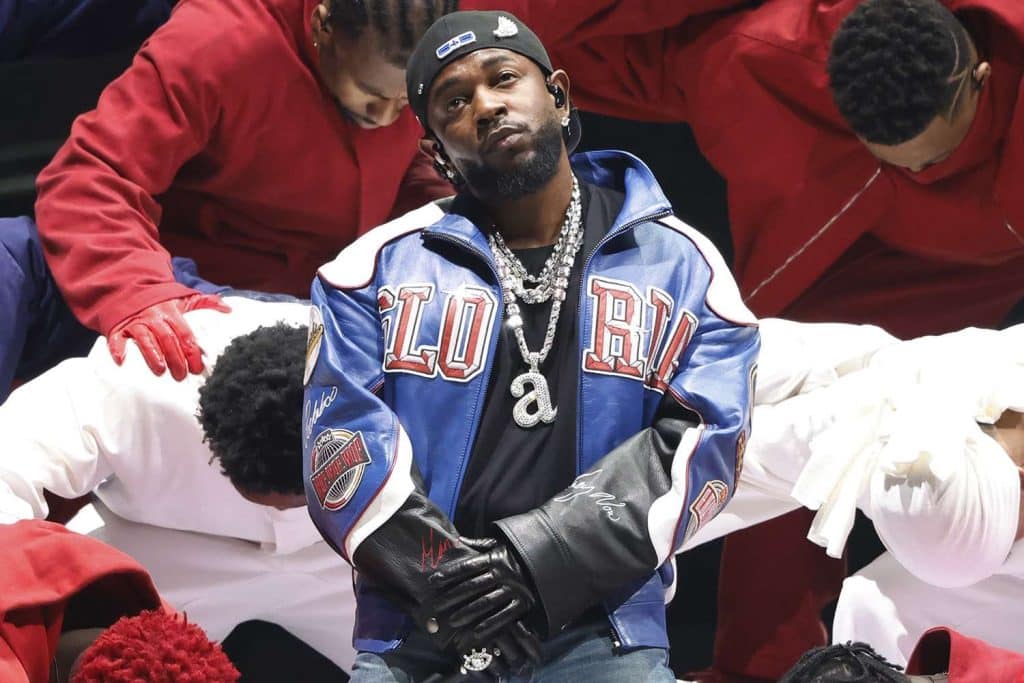
To understand why this chart moment resonated so loudly, you have to look beyond music and into the emotional climate listeners are living in.
We’re deep in an era of constant stimulation. Phones vibrate nonstop. Algorithms reward outrage. Social media turns every thought into a performance. Even leisure comes with pressure: be productive, be visible, be entertaining. In that kind of environment, noise isn’t just sound, but it’s a psychological weight. And music, once an escape, can start to feel like another demand.
Rap has historically thrived on intensity. When everyday life already feels combative, though, that same energy can become exhausting rather than energizing. What once felt cathartic can start to feel overwhelming.
This isn’t about rap losing relevance or cultural power. It’s about emotional bandwidth. Many listeners aren’t rejecting the genre; they’re pacing themselves. In moments of anxiety, people instinctively seek regulation through slower tempos, softer vocals, and intimacy over spectacle.
That’s where the rise of alternative R&B, lo-fi beats, ambient pop, and stripped-down singer-songwriter music comes in. These genres don’t demand adrenaline, but rather, they offer refuge.
There’s also a generational layer to this shift. Younger listeners, especially Gen Z, are more open about mental health, burnout, and emotional fragility. They curate playlists not just by mood, but by nervous-system needs: “music to dissociate,” “songs for overstimulation,” “sounds to calm anxiety.” In that framework, music becomes a coping tool, not just entertainment.
This emotional shift aligns with broader listening patterns. Recent industry data shows that over 65% of consumers use their smartphones as their primary device for music, and the average listening time per user on music streaming platforms is 18 hours per week—meaning listeners curate music that fits their mood on the go, not just what blares out of speakers at a club.
So when rap briefly vanished from the Top 40, it didn’t register as a death knell. It was a reflection of a moment where listeners aren’t asking for louder, harder, faster, but they’re asking for space to breathe.
The soft sound of survival
While rap remains a dominant force overall, data shows that listeners are increasingly choosing music that fits moods, activities, or emotional states. That shift matters because it points to how people listen, not just what they listen to.
Playlist culture, in which songs are categorized by mood or activity rather than by artist or genre, is the foundation of music streaming services.
Mood-based playlists, such as late-night driving or study sessions, account for almost 41% of the top 100 Spotify playlists in terms of subscribers. This indicates that listeners are increasingly choosing musical experiences that correspond with their emotional states.
The growth of genres like ambient pop, indie R&B, chill-hop, lo-fi rhythms, and other low-intensity forms that emphasize emotional control and serenity goes hand in hand with that tendency.
There’s a reason this soft sound resonates. Instead of demanding attention, these tracks accompany life, leaving a soundtrack for studying, working, unwinding, or simply being alone with your thoughts.
This doesn’t mean rap has lost relevance, but it means listeners are treating music as an emotional toolkit. They choose high-intensity tracks when they want energy, and softer, introspective sounds when they want mental space. In a world that never turns down, music that does feel like a refuge becomes a powerful choice.
Is rap actually fatigued?
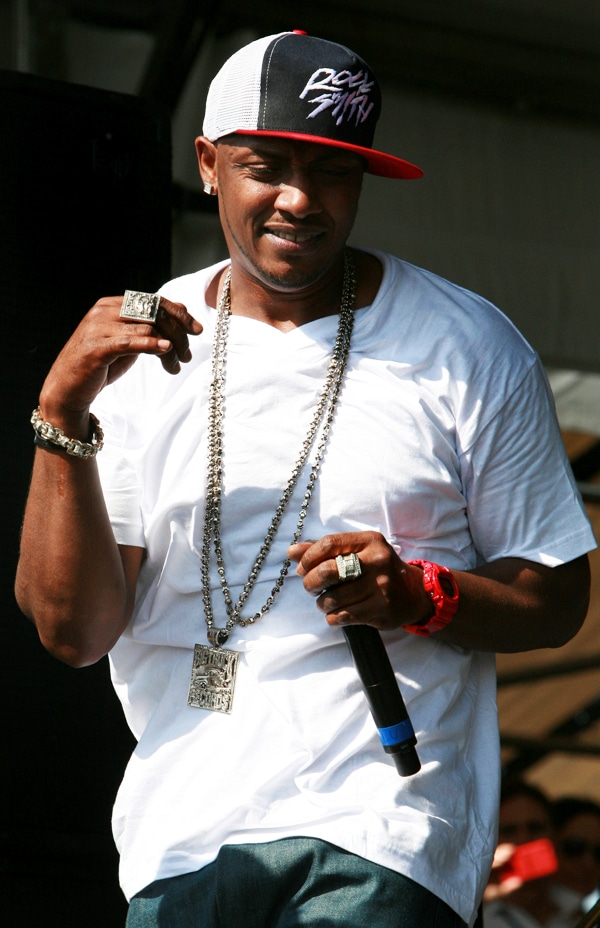
Calling this moment “rap fatigue” risks oversimplifying what’s actually happening. Rap isn’t disappearing. It’s repositioning itself inside a culture that’s emotionally maxed out.
The genre has always evolved in response to its environment, and what we’re seeing now may be less a decline than a recalibration.
Even as rap’s overall market share dips slightly, certain subgenres are quietly thriving. Introspective rap, melodic trap, alternative hip-hop, and emotionally vulnerable storytelling are resonating more than traditional bravado-driven hits.
Artists who blur the lines between rap and R&B, creating their own sound, are finding longevity in a way pure hype records often don’t.
This shift reflects how listeners are engaging with music today. In an era where attention is fractured and burnout is normalized, people aren’t necessarily looking for songs that demand energy. They’re looking for ones that understand it.
Rap that leans into reflection, softness, or emotional honesty doesn’t feel like an escape from the genre’s roots; it feels like an extension of them.
There’s also a generational nuance at play. Younger listeners don’t approach genres with the same rigid loyalty that previous generations did. They move fluidly between sounds, building playlists based on feeling rather than identity.
So the question isn’t whether rap has lost its grip on the mainstream. Instead, it’s whether the mainstream has changed what it asks of music. If rap is momentarily quieter at the top of the charts, it may be because listeners are simply pausing, not moving on.
The future of rap
Rap isn’t dead. It’s not even “tired” in the traditional sense. What we’re witnessing is a moment of recalibration, a shift in how listeners consume music and what they need from it emotionally. The brief absence of rap from the Top 40 wasn’t a signal of decline. It reflected the collective desire for softer sounds, introspection, and emotional safety in an overstimulated world.
Subgenres emphasizing vulnerability, storytelling, and melodic nuance are rising, proving that rap’s power lies not just in loudness or bravado, but in its ability to adapt, resonate, and heal. In other words, the genre is learning to meet listeners where they are, which is emotionally exhausted, overstimulated, and craving connection.
Ultimately, this is a story of resilience. Rap has always been a voice for survival, protest, and triumph. Today, it’s expanding its vocabulary to include softness, reflection, and care, proving that the genre isn’t losing its edge; it’s sharpening it in new ways.
The charts may shift, the beats may mellow, but rap’s heartbeat remains steady, ready for whatever comes next.